Humidity-Resistant Solid Wood Furniture for Singapore
Singapore’s humid equatorial climate can change solid wood furniture more quickly than many buyers expect. In HDB flats and private condos across Tampines, Bedok, and Punggol, indoor relative humidity may sit near 65% during the wetter months, compared with roughly 40% to 60% in drier periods. That moisture difference causes timber to expand, contract, and occasionally check along the grain. The answer is not simply to avoid solid wood; it is to understand wood movement, specify stable construction, and give each piece an appropriate care routine.
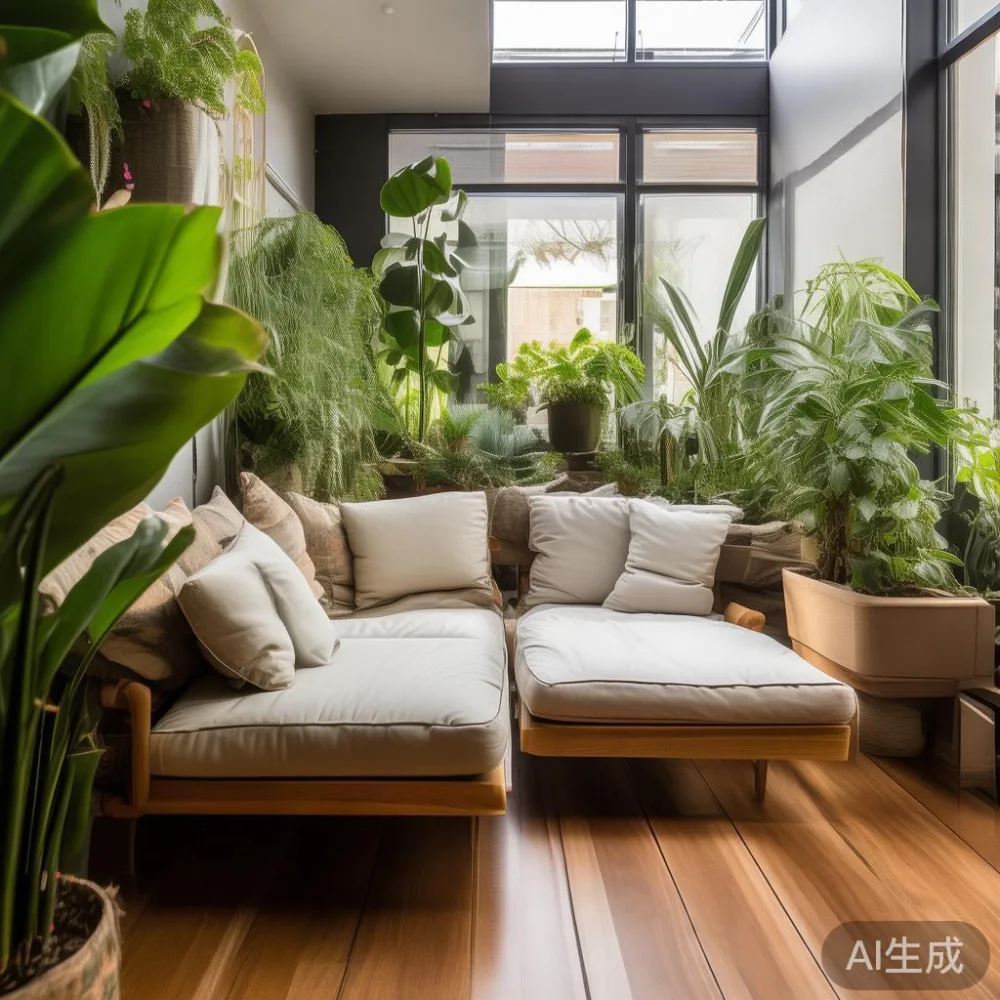
This guide explains how humidity affects an outdoor sofa, solid wood sofa, bed frame, dining table, wardrobe, nightstand, and marble table. It also considers the practical constraints of HDB corridors, lift doors, and compact urban rooms. For product advice or a quotation, MIDHILL can be reached at +86 188 2788 2512.
What does humidity do to solid wood furniture in Singapore?
Wood is hygroscopic: it absorbs atmospheric moisture and releases it when the air becomes drier. An outdoor sofa with solid timber frames is not immune to this process, even when its cushions and finish are designed for covered outdoor use. A dining table may gain 1 mm to 3 mm of dimensional movement across a 180 cm width during a strong humidity cycle. Movement of 2 mm to 5 mm can appear around some joints over several months if the timber was not acclimatised correctly.
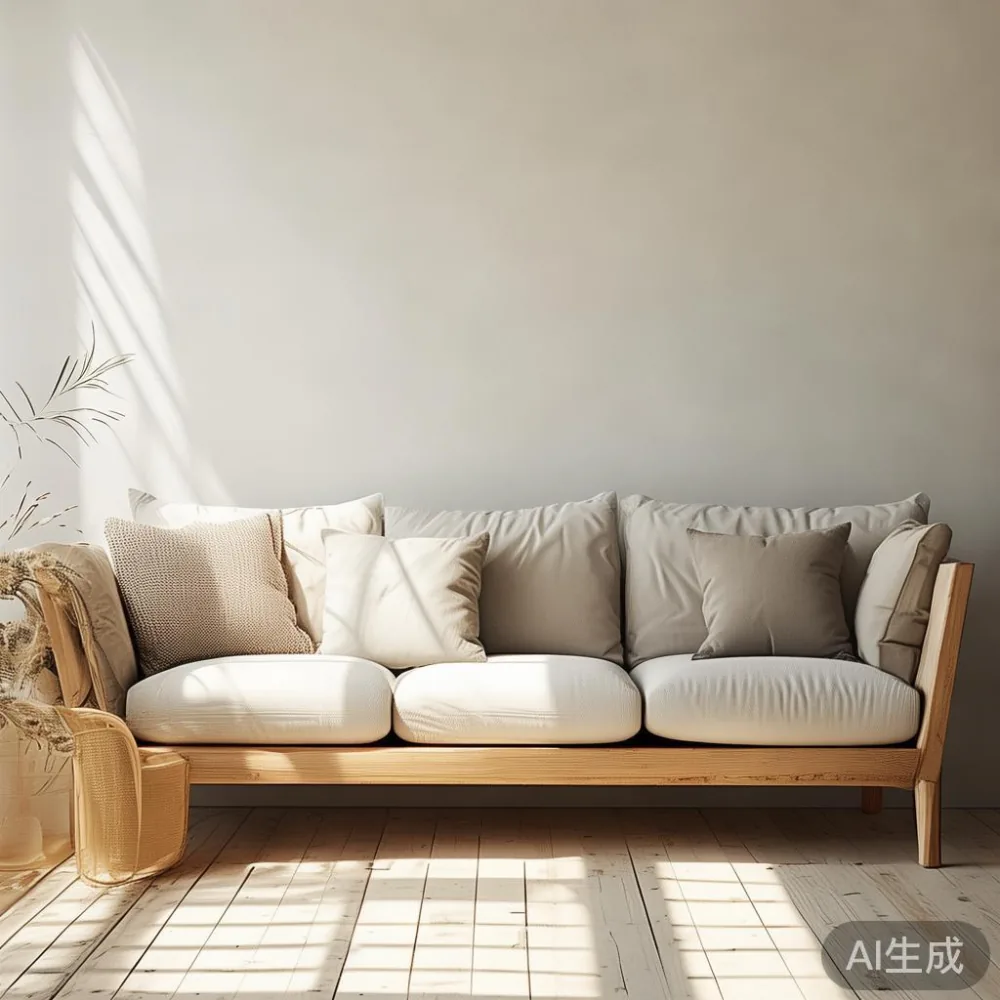
Singapore’s wet season typically brings greater humidity, while air-conditioned interiors can become much drier. Repeated movement can stress glue joints, drawer runners, panel edges, and lacquered surfaces. The risk rises when furniture stands near a balcony door, beside a bathroom, or against an exterior wall in a tower block. In a typical HDB living room, a relative-humidity reading above 65% for several weeks warrants closer attention.
The wood species and dimensions matter. Dense hardwoods generally move less than softer timbers, but every solid wood product should allow some seasonal variation. A narrow nightstand may show less visible movement than a wide wardrobe side panel, yet its hinges and runners can still bind if moisture is unmanaged.
How should I prepare solid wood furniture for Singapore’s climate?
Allow new timber furniture to acclimatise for 7 to 14 days in its intended room before tightening fittings or applying pressure to its components. Remove the outdoor sofa from any sealed plastic packaging, retain the breathable protective cover, and keep the piece away from direct rain for the first 7 days. During this period, air should circulate around every side rather than being trapped against a wall.
Check the moisture content with a pin-type meter. A practical target for most Singapore interiors is approximately 10% to 14% wood moisture content, although local species, room conditions, and furniture design influence the appropriate figure. If a reading exceeds 18% in a room maintained near 70% relative humidity, ventilate the space and let the timber respond gradually.
Do not place a solid wood sofa, bed frame, or dining table directly against an air-conditioning vent. Keep a distance of at least 1.5 metres from strong airflow when possible, and use a hygrometer that records minimum and maximum readings. The small digital models commonly cost SGD 25 to SGD 80 and are more informative than a basic dial showing only the current level.
For delivery, measure the lift door, lift car, corridor turns, and apartment entrance before choosing a large unit. A sofa that fits a 220 cm corridor may still fail at a 90-degree turn if its longest section exceeds the available diagonal space. MIDHILL’s 10-year structural warranty addresses construction, but access planning remains the customer’s responsibility.
Can an outdoor sofa really tolerate Singapore humidity?
An outdoor sofa can work well in Singapore when it has a stable solid wood frame, properly joined joints, weather-resistant finish, and drainage beneath the seat. “Outdoor” does not mean “immune to humidity.” A covered veranda in Punggol can experience condensation after an afternoon shower, and an open balcony in Bedok can receive rain-driven moisture even when no drops enter the room.
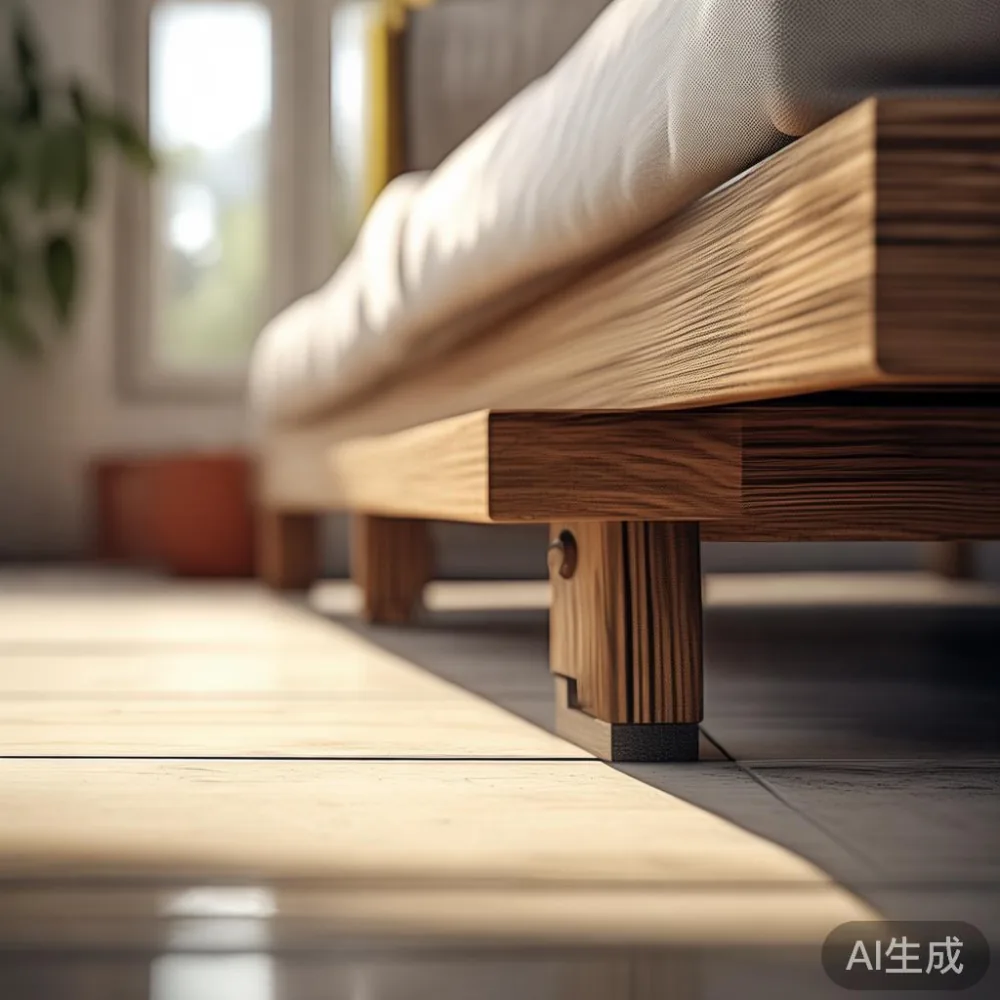
Choose an outdoor sofa with teak, oak, or another species suited to damp environments, then confirm the treatment and finish used on all exposed surfaces. Look for mortise-and-tenon or dowelled structural joints rather than relying only on short screws. The frame should stand at least 15 cm above the floor so that the base is not trapped in wash water.
Inspect an outdoor sofa every 2 to 4 weeks. Remove cushions so trapped heat and dampness do not linger, wipe standing water from the frame, and clear leaves or debris from drainage paths. If the finish looks dull, use a manufacturer-approved cleaner after testing it on a hidden 5 cm area. Avoid generic household oils, which can create patchy colour and attract dust.
Light-luxury design can coexist with humidity-conscious construction. A restrained French light luxury scheme might pair a pale solid wood sofa with loose linen covers and teak side tables. A post-modern light luxury room can use clean lines, warm oak, and rounded outdoor sofa modules without pretending that tropical conditions are absent.
How do I stop a solid wood sofa or wardrobe from moving?
Keep the indoor environment reasonably stable. In Singapore, a target relative humidity of 45% to 65% is sensible, with short ventilation periods after showers and adequate separation from kitchen or bathroom steam. Air-conditioning may lower humidity quickly, but strong direct airflow should not repeatedly strike one side of a piece.
For a wardrobe, confirm that the top, sides, and back can accommodate seasonal timber movement without forcing the carcass out of square. Adjustable shelf pins and runners are useful signs of practical design. Avoid wedging a tall wardrobe tightly between walls, where normal expansion has no tolerance. Leave around 2 cm to 5 cm at fixed side gaps if the manufacturer specifies it.
A bed frame needs ventilation below its rails and slats, particularly in a humid bedroom. Leave 10 cm to 15 cm beneath a platform base where the design allows, and check centre support every 6 months. A European light luxury bed vs Modern bed comparison often focuses on silhouette, but a Singapore buyer should also ask about floating frames, ventilation, and finish layers.
Small pieces deserve the same attention. A nightstand should not be pushed tightly into a damp corner, and its drawer should close without force after 2 to 3 humid nights. If it binds, remove the contents and adjust the runner rather than sanding away the timber. For a wider piece such as a marble table, make sure the top is supported evenly and the cabinet below is kept away from standing water.
What care routine prevents humidity damage?
Clean on a schedule rather than waiting for visible mould. Dust with a dry microfibre cloth every 1 to 2 weeks, and use a lightly damp cloth only if the finish permits. Dry any wet patch immediately with a clean cloth. Keep outdoor sofa cushions under a breathable cover when they are not in use, but avoid wrapping solid timber in sealed plastic for more than 24 hours because trapped moisture can cause mildew.
Use a humidifier only if a room’s readings repeatedly fall below 40%, a situation more common in air-conditioned bedrooms at night than on Singapore balconies. A small unit holding 3 litres to 5 litres can maintain a comfortable bedroom range when placed at least 1 metre from timber furniture. Do not aim at a solid wood sofa or bed frame with a direct mist.
Inspect finish and joints every 6 months. Look for fine checking 0.5 mm to 1 mm wide, dull patches, sticky drawer runners, or a faint musty smell. Tiny surface checks do not always indicate structural failure, but rapid opening, exposed loose joints, or widespread mould require professional assessment.
MIDHILL offers lifetime refinishing for qualifying pieces, which can restore the surface after years of use. While refinishing can improve appearance, persistent moisture problems should be corrected first. Refinishing over damp timber can trap moisture beneath the new surface.
Is teak, oak, or another wood better for Singapore humidity?
Teak is often preferred for outdoor furniture because it has good dimensional stability and naturally performs well in wet conditions, but oiled teak still needs maintenance. European oak can suit an outdoor sofa when the frame, joinery, and finish are properly engineered; it should not be treated as maintenance-free. Asian hardwoods vary considerably, so verify the species and moisture treatment instead of relying on a broad “solid wood” label.
For indoor pieces, ask for kiln-dried timber and a documented moisture range. Stability matters more than a fashionable timber name. A light luxury dining table with a solid top may move slightly across its grain, and its base must be designed to flex without splitting. A marble table introduces another variable: the stone itself does not expand like timber, but its cabinet substrate and adhesive joints must tolerate slight movement.
Style should remain linked to the use. An outdoor sofa with quick-dry foam and replaceable covers suits a tropical balcony; a solid wood sofa with tailored upholstery fits an air-conditioned living room. A dining table for daily meals needs a stable base and a finish that can be maintained. A wardrobe needs ventilation and adjustable fittings. A nightstand needs compact clearance and smooth runners. These distinctions keep product advice relevant to real Singapore rooms.
How much do delivery and access affect humid-region furniture choices?
Large furniture often arrives after 7 to 21 delivery days, depending on production and Singapore clearance. Longer lead times allow kiln-drying, inspection, and proper packaging before dispatch. Confirm whether the quoted delivery is curbside or room-of-choice, because carrying a 60 kg wardrobe into a corridor without the right access can create a problem even when the furniture itself is sound.
Measure at least 5 points: the lift door width, lift car depth and height, corridor width, turning space, and apartment door. Common HDB lift openings are around 80 cm to 90 cm, while corridor widths may be approximately 100 cm to 150 cm. A 220 cm sofa may be delivered in 2 sections of roughly 110 cm each, but angled passage geometry still needs checking.
For a dining table, ask whether the top separates from the base. A 200 cm table weighing 65 kg may be manageable as two sections of 30 kg to 35 kg, but a single 85 kg top may not be. A wardrobe may require the carcass to be moved upright and then secured, whereas a flat-pack bed frame can pass through narrower openings. At SGD 1,488 plus GST for a substantial bedroom set, delivery planning can protect both the investment and the walls.
Protected, refined storage is sensible if a condominium renovation is delayed. Keep furniture 10 cm above bare concrete or use moisture-resistant pallets, and avoid direct contact with exterior walls. A 14-day return period allows customers to assess colour and fit, but furniture should not be used outdoors immediately if the finish or assembly instructions require a settling period.
How do I choose European light luxury furniture that will age well?
When comparing how to choose European light luxury wardrobe options, focus on construction rather than ornate labels. Ask about timber species, drying method, joint type, back-panel support, drawer runners, and finish compatibility with humid rooms. For any light luxury dining table, request details about top movement and base fixings. For a marble table, confirm the stone thickness, support arrangement, edge treatment, and whether the cabinet below is ventilated.
Material searches often produce familiar lists such as top 10 Coastal furniture or top 10 Nordic furniture. Those styles suit some Singapore interiors, but light-luxury buyers should ask harder questions about moisture control. A French sofa vs Italian light luxury sofa comparison can examine proportion, upholstery, and arm profile; for Singapore, removable covers, washable fabrics, and accessible frame joints are equally important.
Ultimately, durable furniture is not the piece that ignores humidity. It is the piece engineered to move predictably and maintained with realistic care. Solid wood, marble, upholstery, and outdoor finishes should each be specified for the room’s exposure. With measured access, sensible acclimatisation, and checks every few months, furniture in Tampines, Bedok, Punggol, and other Singapore homes can retain its structure and appearance through several humid seasons.