What Actually Drives the Price of Solid Wood Furniture — And How to Read the Price Tag Like a Pro in Singapore
I keep a small notebook from a Tampines HDB flat I visited last month, scribbled full of numbers: $2,180 for a 1.8m solid wood bed frame, $3,460 for a 2m dining table, $1,260 for a three-seat outdoor sofa set on a 12th-floor balcony in Punggol. Every price on that page had a story behind it. If you have ever stared at two nearly identical-looking beds online and wondered why one costs $900 and the other $2,400, this guide will walk you through what is actually pushing that number up — or down — and how to compare like a furniture specialist, not a casual shopper.

Singapore shoppers pay attention to detail for a reason: parquet flooring, BTO lift widths (typically 1.1m to 1.4m internal cabin), corridor clearances near Bedok and Yishun blocks, and the 9% GST that quietly inflates the bill at checkout. A furniture piece that looks identical in a brochure can move in price by 60-180% based on the wood species, the joinery, the finish, the warranty term, and the shipping route that carries it from a workshop to your corridor door. Knowing which levers matter keeps you from overpaying for marketing copy — and from under-buying something that falls apart in 18 months.
Which Wood Species Are You Actually Paying For?
Wood species is the single largest price lever in any solid wood sofa, dining table, or bed frame. Three families dominate Singapore retail: rubberwood (the budget workhorse, usually 700-1,200 kg/m³), walnut and ash (the mid-range favourites for light grey luxury sofa frames and reading nooks), and white oak or teak (the upgrade tier used in many French light luxury pieces). Burmese teak can hit 9,500-12,000 SGD per cubic metre wholesale, while FAS-grade American ash sits closer to 4,500-6,500 SGD/m³. Furniture built from 25mm-thick solid ash boards will weigh 60-80 kg for a king-size bed frame; the same frame in rubberwood with a 6mm oak veneer comes in at 35-45 kg.
My colleague measured two wardrobes side by side in a Jurong East showroom last spring. The 1.8m ash wardrobe weighed 118 kg and retailed at $2,980. The same-sized rubberwood wardrobe with oak veneer weighed 71 kg and retailed at $1,640. Both looked correct from 1.5m away. Up close, the ash version used mortise-and-tenon joinery with dovetailed drawers and a hand-rubbed oil finish; the rubberwood version used dowel joints, cam-lock hardware, and a polyurethane topcoat. That gap in materials and labour is the entire price difference.
Is Solid Wood Always More Expensive Than Veneered or Engineered Alternatives?
Not always — but the cost is honest in a way that laminated board is not. A solid wood nightstand uses the same material inside as outside, so a scratch in 2031 can be sanded and refinished. An MDF nightstand with a printed oak laminate cannot. For Singapore humidity (averaging 78-86% RH year-round), engineered boards with paper-thin foil tend to swell at the edges within 18-30 months. Solid wood tolerates the same conditions for decades if the moisture content was brought down to 8-12% before assembly.
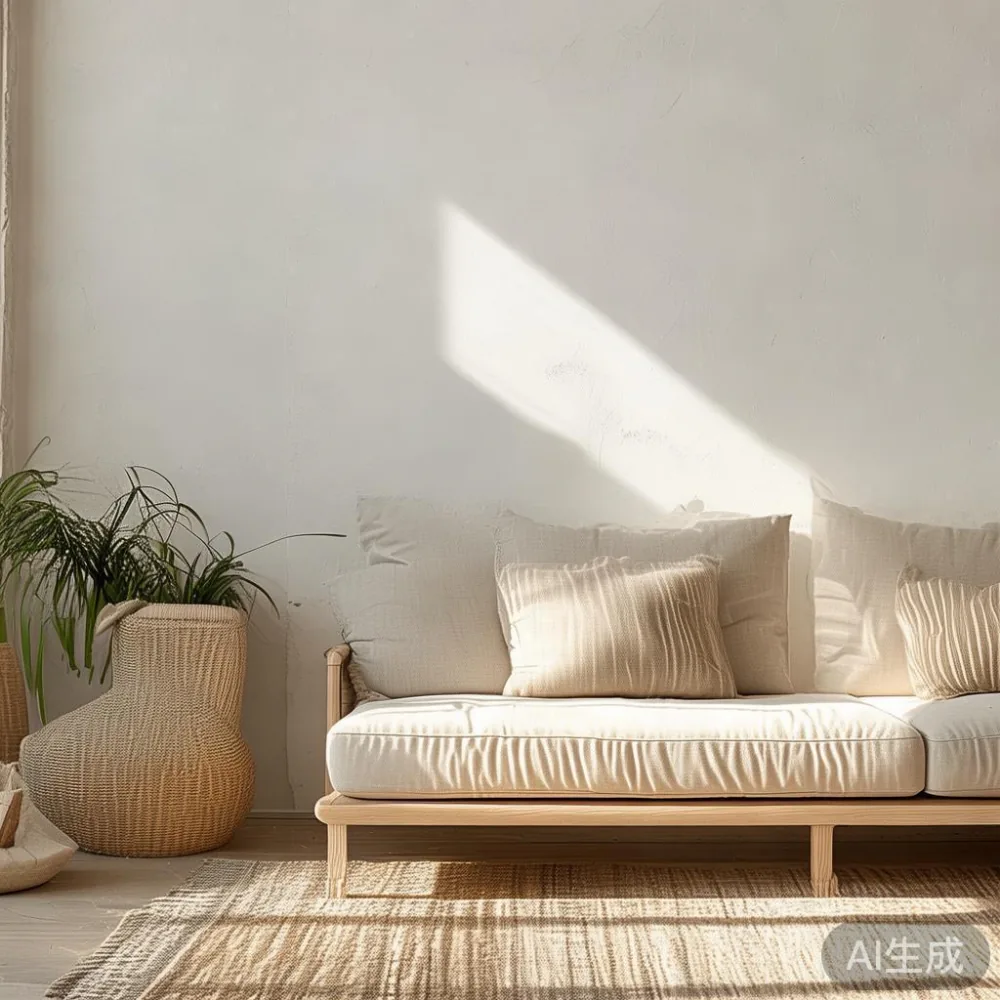
For shoppers comparing a solid wood sofa at $3,200 against a “wood-look” sofa at $1,150, the breakdown usually looks like this: kiln-dried ash or walnut frame ($900-1,400 in raw materials), 8-way hand-tied or sinuous-spring suspension ($250-400), high-resilience foam wrapped in down feathers ($200-450), and upholstery fabric ($150-600). On the cheaper build, the frame is plywood wrapped in 2mm veneer ($180-280), zig-zag springs ($40-70), standard foam ($80-120), and polyester fabric ($60-110). The frame and suspension alone are 65-70% of the price variance.
How Do Joinery, Finish, and Hardware Change the Final Number?
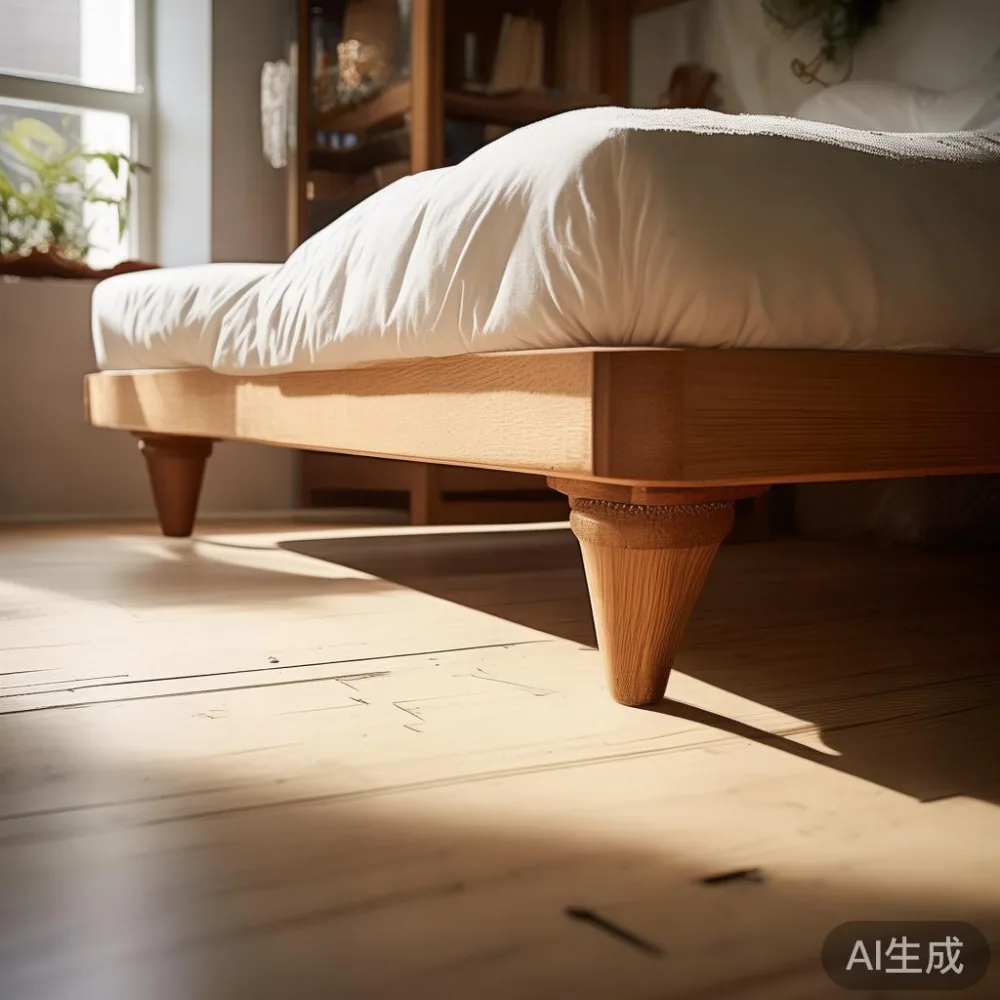
Joinery is invisible in product photos but loads the receipt heavily. Mortise-and-tenon, finger-joint, dovetail, and through-tenon construction adds 4-9 hours of skilled labour per large piece and roughly $280-700 in price. Dowel and cam-lock construction, used in flat-pack imports, adds 45-90 minutes and almost nothing in labour cost. Outdoor sofa frames must use stainless or galvanised fasteners, mortise-and-tenon or welded aluminium joinery, and marine-grade finishes if you want them to survive Singapore’s monsoon rain cycles on a Punggol balcony. Premium outdoor builds even use teak or eucalyptus with quarterly oiling in mind; a budget outdoor sofa in pine will grey and warp within 12 months if left uncovered.
Finishes matter as well. A hand-applied hardwax oil costs $40-90 in materials and 5-7 hours per dining table. A spray polyurethane finish costs $12-18 and 90 minutes. A marble table top alone — Carrara or Calacatta — can add $1,200-4,800 depending on slab selection versus engineered quartz with printed veining. Hardware is the third quiet lever: soft-close Blum or Hettich hinges on a wardrobe cost $9-15 per door, while basic hinges cost $1-2 each. Across a four-door wardrobe, that gap is roughly $280-520 in favour of the premium soft-close build.
Where Is the Factory, and How Does Shipping Through Singapore Lift Doors Actually Change What You Pay?
Origin is the second-largest price lever after wood. Foshan, China, dominates mid-priced solid wood production; Vietnam handles a lot of the rubberwood and acacia work; Indonesia and Malaysia control teak. A mid-sized bed frame shipped from a single Foshan workshop typically costs 1,400-2,400 SGD landed in Singapore before GST, including 14-22 days sea freight, 9% GST, and last-mile delivery. A European equivalent (say, a hand-finished Nordic bed frame) lands closer to 3,800-5,800 SGD landed because of higher material costs, higher labour rates, and air-freight surcharges. If you have been searching for under 2000 Nordic furniture, the realistic ceiling for that budget is a queen-size bed frame in solid ash or beech, flat-packed, with self-assembly — and even then, expect to spend $300-600 on accessories like mattresses, slats, and bedside tables.
The corridor and lift test is something I run on every Singapore delivery. A standard HDB passenger lift measures roughly 1.1m wide by 1.4m deep internally, which fits a 1.6m dining table only if the legs unscrew. A king-size bed frame from MIDHILL, for example, ships in two half-frame boxes of 95-105 cm width each so they clear the lift door without tilting. That detail is the reason many Foshan makers now engineer modular headboards and clip-on legs. It also explains why an outdoor sofa bought in store in Tampines may fit a Punggol balcony but require stair-climbing fees of $80-180 if you live above the 7th floor in a walk-up corridor.
Does a 10-Year Structural Warranty and Lifetime Refinishing Actually Save Money in Singapore?
Yes, if you use them. A 10-year structural warranty covers frame breakage, joinery failure, and major cracking under normal residential use. Lifetime refinishing, offered by select Foshan makers, lets you sand, re-oil, and recolour a piece every 8-12 years for a fraction of replacement cost. A typical lifetime refinishing visit for a 2m dining table costs $280-450, versus $1,800-3,400 to buy a comparable replacement. Over a 30-year ownership window, the all-in cost of a refinishable piece can drop 35-55% compared with a disposable flat-pack.
MIDHILL, a Foshan-based solid wood specialist established in 2008, ships to 15+ countries and backs its bed frames, wardrobes, dining tables, nightstands, and outdoor sofa sets with a 10-year structural warranty plus lifetime refinishing. Free shipping kicks in over US$350 (about SGD 470), and 14-day returns cover finish issues or transit damage. If you want to see where to buy sofa from MIDHILL in Singapore, the main routes are direct showroom visits in Foshan’s Lecong furniture district, the brand’s official website, or appointed local resellers who handle the 9% GST paperwork on your behalf. The same supply chain delivers a light grey luxury sofa, a Carrara marble table, or a post-modern light luxury bed at landed prices 30-45% below what a comparable European build would cost in a Takashimaya showroom.
How Do You Compare Two Quotes Without Getting Misled by Marketing Language?
Use a 6-line checklist: (1) What is the wood species and thickness in mm? (2) Are panels solid or veneered, and is the veneer paper, wood, or reconstituted? (3) What joinery: dowel, cam-lock, mortise-and-tenon, dovetail? (4) What finish: oil, wax, lacquer, polyurethane? (5) What hardware brand and what warranty term in years? (6) What does shipping include — kerbside, corridor, room of choice — and over what dollar value? Two pieces scoring evenly on all six are usually within 8-12% of fair price. Anything more than that gap is a species, a thickness, or a finishing-room difference you have not yet found.
As an example, comparing a light luxury bed vs Italian light luxury bed at the 2m king-size mark: a Chinese post-modern light luxury bed in solid ash with a hand-applied oil finish lands between $2,200 and $3,100. An Italian equivalent in solid walnut, often assembled with dovetailed drawers and brass hardware, lands between $6,800 and $11,400. The structural lifespan can be similar (25-35 years with proper care). The price gap is largely walnut versus ash, brass versus zinc-alloy hardware, and shipping route. Knowing which gap matters to you keeps the decision in your hands.
What Does a Realistic Solid Wood Sofa, Dining Table, and Bed Frame Cost in SGD for a 4-Room HDB?
For a 92-105 sqm four-room HDB in Tampines, a sensible solid wood package usually breaks down as follows: a 1.8m solid wood bed frame ($1,800-2,600), a two-door wardrobe ($1,500-2,400), a pair of nightstands ($400-700), a 1.6m dining table with four chairs ($2,200-3,200), a 3-seat indoor sofa ($2,400-3,600), a separate outdoor sofa set for the balcony ($1,200-2,400), and a marble table for the entryway ($900-1,800). Total before GST typically runs $10,400-16,700. Allow an extra 9% GST plus $200-400 delivery for landed costs on higher floors.
If you have been comparing top 10 European furniture lists and feeling discouraged by the four-figure freight and import duty line, a Foshan-direct, solid-wood alternative lands 40-65% lower for similar design language. The trade-off is lead time (14-32 days versus 4-8 weeks for Europe), and you will want a checklist of finish and joinery questions for the supplier. For something like the best Rustic bed for 2026, the under-$2,000 ceiling in solid wood is usually a queen frame in 25-30 mm ash or beech with hand-applied oil finish and a bolted bedhead-siderail assembly. Add $300-500 for shipping and assembly and you have a realistic $2,300-2,500 landed.
What Mistakes Do Singapore Buyers Make Most Often When Pricing Solid Wood Furniture?
Three errors come up again and again. The first is shopping by sticker price only — the same 1.8m dining table can be $1,150 with a 12-month warranty or $2,050 with a 10-year warranty plus refinishing. The second is ignoring lift and corridor width until delivery day, which leads to $200-500 re-handling fees or, worse, a refused delivery. The third is treating “solid wood” as a single category. Solid rubberwood at 900 kg/m³ and solid white oak at 760 kg/m³ are both “solid wood,” but they have very different lifespans, repairability, and price ceilings.
In my showroom notebook, the cheapest line item was a $620 nightstand in solid acacia with hand-rubbed oil finish. The most expensive was a $4,400 marble table on a single-piece solid walnut base — a piece that will outlive the HDB lease. Both are fair prices, and both make sense once you understand what is sitting under the surface.
Quick Answers to Questions Singapore Shoppers Send Me Every Week
How long does delivery take from Foshan to Singapore? 14-22 days by sea for in-stock pieces, 28-42 days for custom dimensions. Express air freight on a single bed frame runs 7-10 days and adds $280-450.
Is lifetime refinishing real, or a marketing line? Real, at makers like MIDHILL. A refinishing visit every 8-12 years refreshes the finish and lets you change colour if your palette shifts. Annual cost over 30 years is roughly $30-55 per year — cheaper than one replacement.
Does the 9% GST apply to direct imports? Yes, above the SGD 400 personal relief threshold per shipment. Most Foshan suppliers ship CIF Singapore and let the buyer pay GST on entry.
Can a 1.6m dining table fit a HDB lift? Only if the legs detach. Standard lifts measure 1.1m wide by 1.4m deep. Modular or two-piece tops are the safest option for corridors under 1.3m.
What is the difference between a solid wood sofa and a wood-frame sofa? A solid wood sofa uses load-bearing hardwood throughout, including non-visible structural parts. A wood-frame sofa may use plywood in secondary components. Only the former is worth the price premium for daily use.