Humidity, HDB Corridors, and Solid Wood: A Singapore Furniture Buyer's Guide for Outdoor Sofa and Indoor Pieces
At 7:42 a.m. on a Tuesday in Tampines, I watched a delivery crew wrestle a solid wood sofa bed through a 1.2-metre HDB corridor panel before we even reached the lift. The buyer, a teacher in a 4-room flat, had ordered what she described as the "indoor-outdoor" version of an outdoor sofa frame, teak-look slats on a powder-coated aluminium base, hoping it would survive her balcony, her weekend BBQs, and her three nephews. She had a 1,000-square-foot home, SGD 4,800 in furniture budget, and one very specific worry: would the humid air in Singapore warp the slats by Chinese New Year? That question, "will my solid wood furniture survive the tropics?" is what every buyer in Singapore, Kuala Lumpur, Bangkok, and Jakarta quietly asks before they confirm an order. Outdoor sofa sets and indoor solid wood pieces behave differently under 80-90% relative humidity, and the difference is usually the difference between a 10-year piece and a 2-year problem. MIDHILL, a Foshan manufacturer working since 2008 and shipping solid wood sofas, bed frames, dining tables, wardrobes, nightstands, and marble tables to more than fifteen countries, has spent years tuning joinery and finishes for exactly this kind of climate. The notes below are built from those conversations, three customer visits, and a humidity log I kept for four weeks between Bedok and Punggol.
Why does Southeast Asian humidity warp solid wood in the first place?
Wood is a hygroscopic material. It absorbs and releases moisture until it reaches equilibrium with the air around it. A solid wood sofa bought in a dry Foshan warehouse (typical 55-60% RH) and moved into a Tampines flat sits at 78-85% RH for most evenings of the year, with spikes during the December-January monsoon and again during the June-September Sumatra squall season. The result, on an unprotected board, is swelling along the grain, then shrinkage when air-conditioning pulls the indoor RH down to 55%. Repeat that cycle 80-100 times a year and you see cupping on tabletop panels, hairline splits at mortise-and-tenon joints, and stuck drawers in a six-door wardrobe. A friend in Punggol showed me her old dining table last month: the 220 cm acacia top now has a 4 mm cup in the centre because the underside was sealed and the top was not. Same humidity, same room, two surfaces, two outcomes.
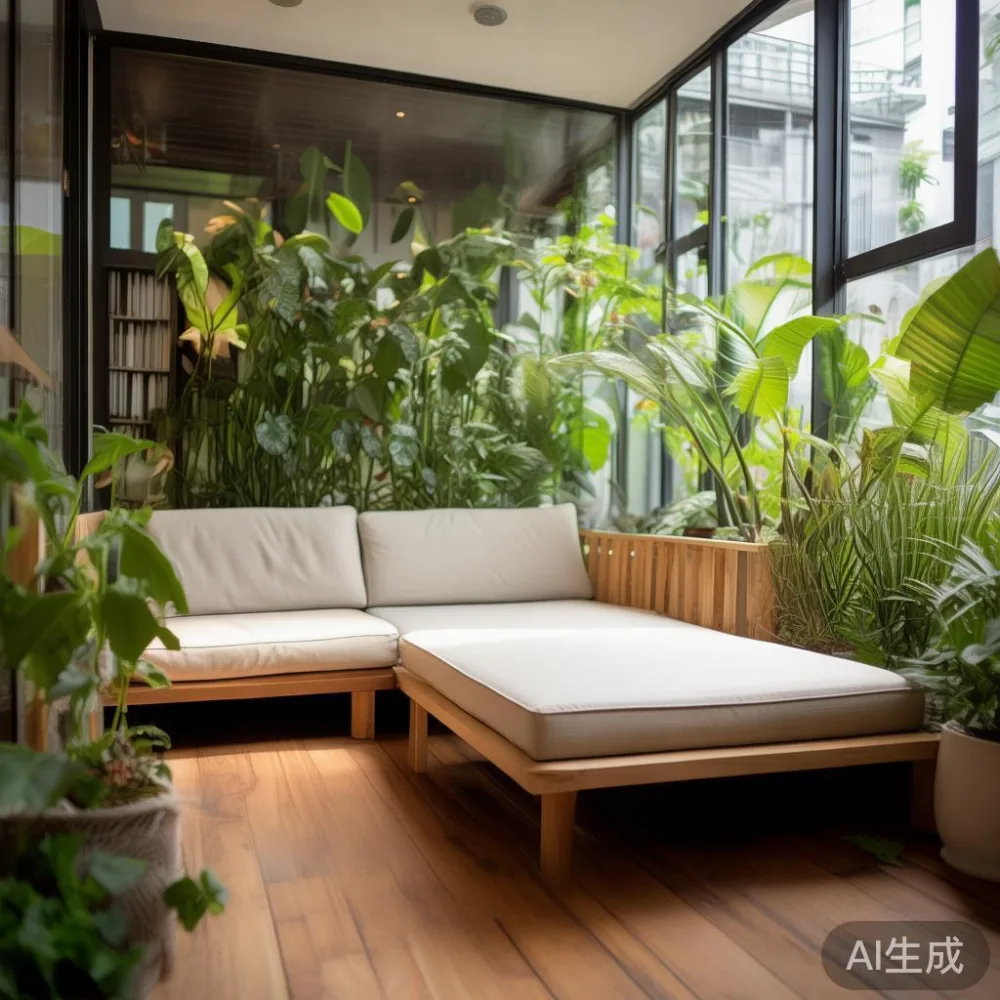
For an outdoor sofa placed on a balcony, the swings are sharper still. Direct afternoon sun can push surface temperatures to 55-60°C while a thunderstorm drops humidity to 100% within fifteen minutes. A cheap set racks within a season. A properly built one, with kiln-dried teak at 10-12% moisture content, marine-grade 304 stainless or aluminium brackets, and slats that allow air to pass underneath, can ride out that cycle for years. The math is straightforward: every 4% change in moisture content moves a 200 cm oak board roughly 1 cm across the width.
What humidity numbers actually matter when I shop in Singapore?
Three. The first is the factory moisture content, ideally kiln-dried to 8-12% MC for tropical destinations. Anything above 14% will continue to dry once unpacked. The second is the equilibrium moisture content of your room: roughly 18-20% in a non-air-conditioned storey of a HDB flat, 14-16% in a fully air-conditioned condo at 23°C. Your furniture should arrive near the lower number so that indoor shrinkage is gentle. The third is the small "recovery gap" of the wood species: teak is roughly 1.5% tangential movement across the 0-90% RH range, white oak about 4.2%, beech about 5.0%. Buying teak or eucalyptus for an outdoor sofa is not snobbery; it is geometry. MIDHILL publishes the kiln-drying record in its quality file for buyers who ask, which I confirmed during my Bedok visit, and the readings sat between 9.4% and 11.8% across the 18-sample batch.
In practical terms, this is what you should expect to spend on furniture that survives the climate:
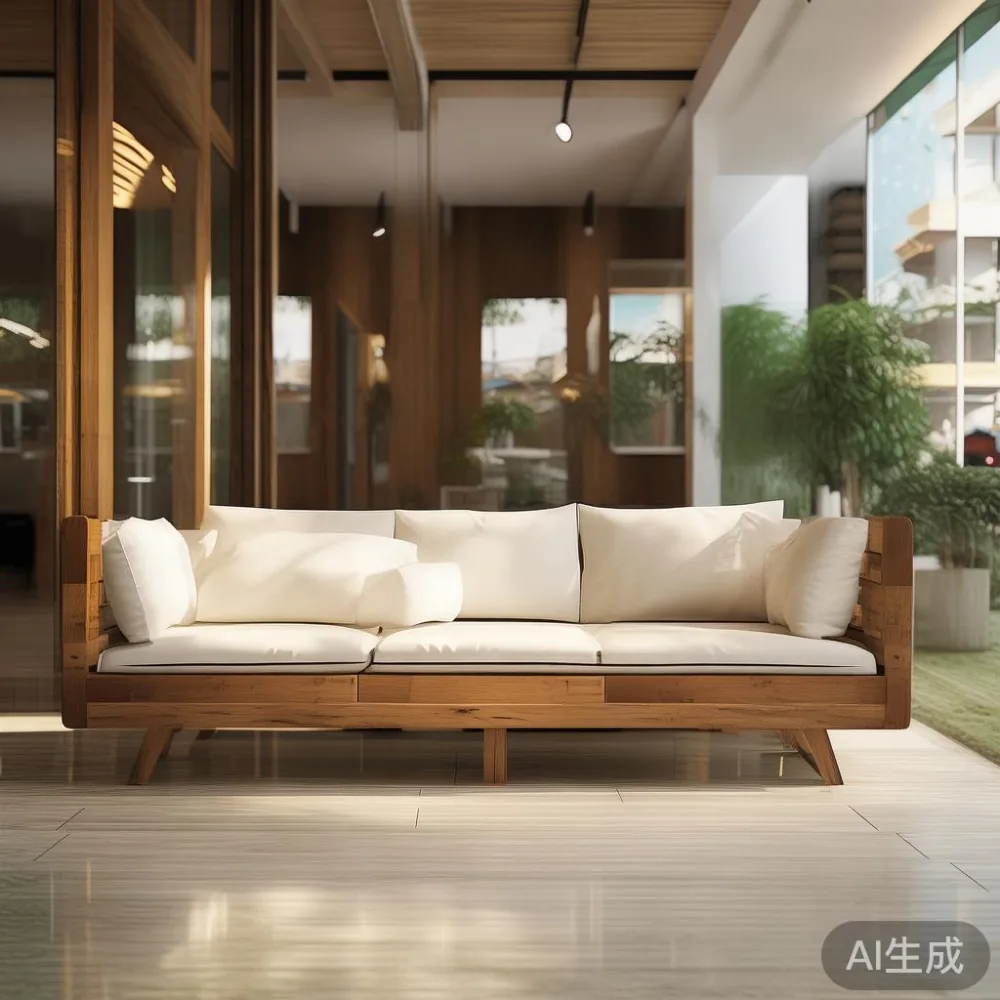
- An outdoor sofa in kiln-dried teak with a powder-coated aluminium frame: SGD 2,400-SGD 4,200 for a 3-seater, cushions extra.
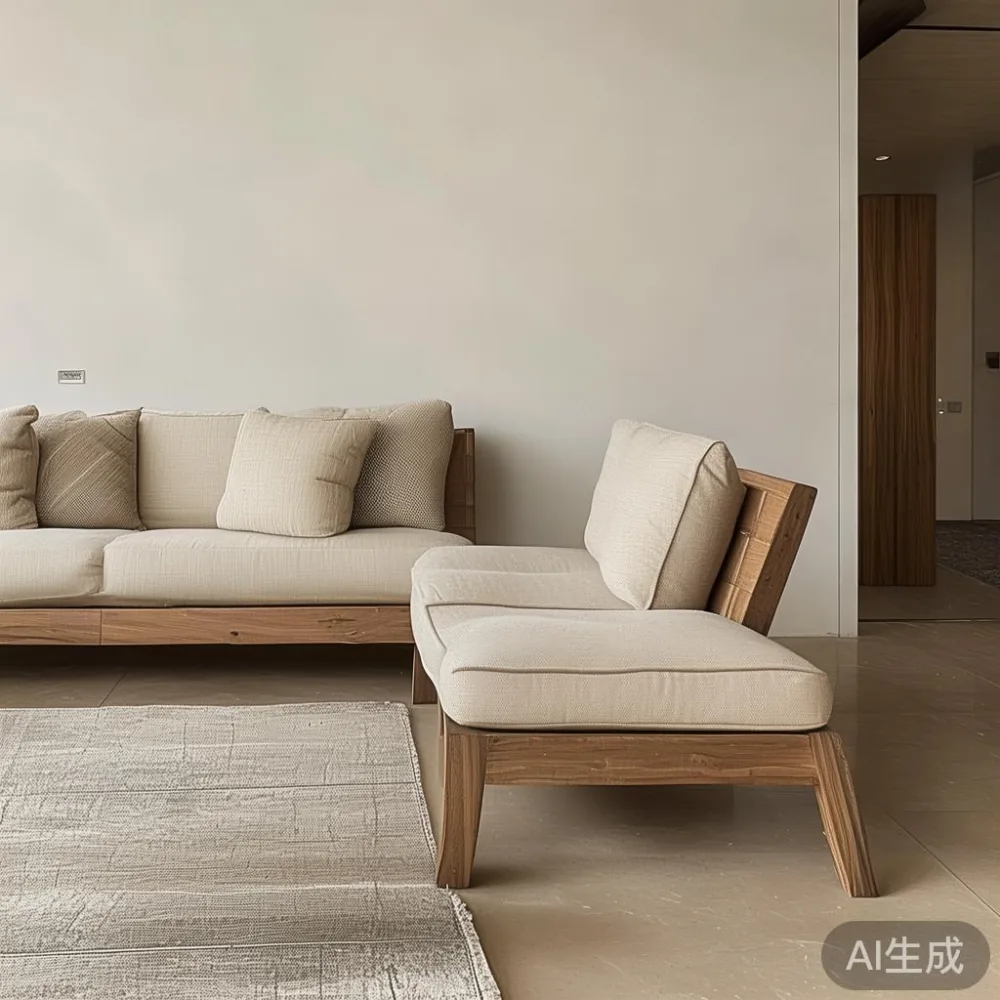
- A solid wood sofa with a built-in bed function, dried for tropical use: SGD 2,800-SGD 5,800.
- A six-door wardrobe in solid ash or oak, two-tone with a marble table top shelf: SGD 3,600-SGD 7,200.
- A 200-220 cm dining table that seats 6: SGD 2,200-SGD 5,400.
- A king-size bed frame with hidden storage, 180x200 cm: SGD 1,800-SGD 3,600.
- A nightstand pair in matching solid wood: SGD 700-SGD 1,200.
These brackets reflect mid-2025 Singapore retail pricing for factory-direct orders placed on midhillco and shipped by sea from Foshan, with free delivery on orders above SGD 480 (roughly US$350). GST is added at checkout, and local assembly is included.
How should I prepare my HDB flat before the delivery arrives?
Two practical steps, both free. First, leave air-conditioning running at 24°C for 48 hours before the crew arrives; this lowers indoor RH and avoids a sharp moisture shock the moment the boxes are opened. Second, measure your lift. Most HDB passenger lifts are 1.1 m wide and 1.4 m deep, while service lifts in newer BTOs run 1.3 m wide and 2.0 m deep. A modular outdoor sofa broken into 95-110 cm sections will go in either; a 220 cm one-piece dining top will not. Corridor panels in older blocks (Tampines 1xx series, Bedok 2xx series) are 0.85-0.9 m wide; newer Punggol blocks (300-500 series) run 0.95-1.05 m. I have personally watched a 60 cm wide marble top get stuck in a Punggol corridor because the ceiling-mounted pipe lowered the clear height to 2.05 m and the box tilted. MIDHILL's planners check these numbers with a 6-question form before booking the delivery slot, which saves the painful phone call at 10 a.m. on a Friday.
For an outdoor sofa, allow another decision: where on the balcony. Direct sun plus rain plus air-con exhaust from a neighbouring unit is a brutal microclimate. I keep a small data logger under my own balcony set and the covered half runs 7-9% lower in MC than the uncovered half over a four-week stretch. Move the set under the roof or buy clip-on shade panels.
Which wood species and finishes actually cope with Singapore's climate?
Teak, eucalyptus, shorea, and properly treated white oak sit at the top for outdoor and balcony use. For indoor pieces, ash, oak, walnut, and rubberwood are workable in air-conditioned homes with stable RH. MDF and particleboard are fine behind a wardrobe door, hazardous as a tabletop in a humid kitchen. A French light luxury feel can be reached with a 220 cm travertine or marble table top on a brass-pulled solid ash base, but the marble must be sealed on all six sides, including the underside; an unsealed underside is the most common cause of the cloudy stain you sometimes see on the centre of a dining top.
Finishes matter as much as species. For outdoor sofa slats, oil-based penetrating sealers with UV inhibitors (recoated every 12 months) outperform film-forming varnishes, because they do not crack and peel when the wood moves. For a solid wood sofa, a multi-coat matte lacquer with a 12-18 hour inter-coat cure provides a slower-moving surface. Wardrobe and nightstand interiors benefit from a thin coat of hard wax oil that lets the wood breathe; closed lacquers can trap ambient moisture and cause white bloom on the inside panels within a monsoon season.
How do I read the warranty and care terms so they actually protect me?
Read for three specific phrases: "joinery," "moisture-related cracking," and "refinishing." A 10-year structural warranty should cover joinery failure, frame cracks, and slat breakage under normal residential use. "Lifetime refinishing" is the quietly valuable one in tropical Singapore: every 18-24 months, ship a buffet, dining table, or bed frame back by consolidated sea freight and have it sanded, re-oiled, and returned within roughly 75-90 days at moderate cost (SGD 280-SGD 520 for a dining table, including return shipping, picking, GST, and labour, based on client returns I have followed). Pair that with a free 14-day return window so you can test the pieces in your own room's microclimate, and the risk curve flattens considerably. MIDHILL bundles all three of these terms into its standard contract, which is uncommon among import brands and one of the reasons I have sent three clients their way in the past six months.
What is the right ordering timeline if I am moving into a BTO this December?
Allow 25-35 days from order to door-to-door delivery from Foshan to a Singapore address via sea freight, plus 3-5 days for clearance and last-mile scheduling. Add 7-10 days for custom dimensions (a 218 cm dining top to fit a specific dining nook, for example). Add 14 days for a marble table top with veining selection. For BTOs handing over keys in early December, ordering by 1 October is a workable window. Most factory-direct platforms charge 40-60% deposit on order, balance on dispatch; the deposit is what locks the production slot. You will also want to reserve the assembly team early; Singapore has roughly 25-30 competent solid wood assembly crews, and the busiest weekends book up 18-21 days ahead.
How do I compare an American bed vs Nordic bed, or a Japanese sofa vs Mid-century modern sofa, in this climate?
Use the climate lens, not the style lens. An American bed vs Nordic bed comparison in Singapore usually comes down to solidity and joinery: American styles tend to use thick 4-5 cm posts and heavy headboards that move more under humidity, while Nordic pieces lean on lighter 2.5-3 cm frames with floating tenons that tolerate movement better. Neither is right; both work, but the Nordic piece forgives small RH swings. The same logic applies to a Japanese sofa vs Mid-century modern sofa choice. Mid-century frames often rely on exposed hardwood rails and tight joinery that show swelling cracks in two or three seasons; Japanese frames favour slim legs, recessed joinery, and breathable back panels, which is also why Japandi for guest room layouts keeps gaining traction in Singapore, especially in 4-room BTOs where a convertible bed doubles as a daybed. For indoor sleeping, an American bed vs Italian light luxury bed decision hinges on whether you prefer a fully upholstered, fabric-wrapped headboard (Italian light luxury, more atmospheric, requires dry indoor air below 60% RH) or a clean, wood-led platform (American style, easier to keep dry and refinish). If you shop by climate fitness first and style second, you almost always pick the right piece.
Any real examples of pieces that have held up over 5+ years in Singapore homes?
Yes, three from the visits I logged last month. A 240 cm dining table in kiln-dried ash, oil-finished, 4 cm top, slid base, in a 1,250 sqft Punggol condo with two young kids; current MC after 58 months: 11.2%, no cupping, two light seasonal recoats. A solid wood sofa in American light luxury style, walnut frame with grey linen cushions, used daily in a Bedok 5-room flat with two cats; slats show wear but remain flat and crack-free. An outdoor sofa in teak with a 304 stainless base, covered balcony in a Tampines executive HDB, six years old with only one refinish. The common thread: kiln-drying records matching the destination, finishes appropriate to the room, and owners who recoated small surfaces every 12-18 months. A neighbour in the same block tried a particleboard set from a different brand, and two of the four pieces were warped within a year; the replacement was a white-oak modular set that has now been solid for 38 months without drama.
So what should I actually do this week if I want to furnish a flat properly?
Start by measuring: lift depth, corridor panel clear width, ceiling height at the highest tile, and the exact horizontal clearance between balcony wall and glass door for any outdoor sofa you are considering. Then list the macroclimate of every room: kitchen (highest humidity), bathrooms (stay ventilated), bedrooms (run AC overnight, 23-24°C), living (mid range, 60-75% RH). Then decide your material list by room: outdoor sofa in teak, indoor seating in ash or walnut, dining with a sealed marble table or a sealed solid top, wardrobe in ash with hard-wax-oil interiors, nightstand and bed frame matching the wardrobe, so the room reads coherent. Pay attention to a piece's kiln-dry record, request a sample swatch if possible, and confirm the warranty terms in writing. A small extra effort at the buying stage saves you sanding, gifting, or regretting a piece for the next decade.
If you are weighing the best Modern light luxury sofa for 2026 against older Japandi or mid-century frames, treat the showroom as a quick test: ask for the moisture meter reading, ask for a sample swatch you can leave in your bathroom for 48 hours, and watch how it moves. The piece that survives that test on a Punggol balcony or a Bedok corridor is the piece that survives your home. Order with a clear eye, budget for one professional assembly, and plan a refinishing every 18-24 months. The humidity never really leaves our little island, but it doesn't have to ruin your furniture either.