How to Style a 90 sqm Singapore HDB Without Making It Feel Crowded
I visited my colleague Priya's 4-room HDB in Bedok last month, and the thing that struck me wasn't the layout — it was the sound. When three of us stood in her living room, we could still talk without raising our voices. That quietness comes from furniture choices, not square footage, and it's exactly what most resale flat owners in Tampines, Punggol, and Toa Payoh are trying to recover after the contractor leaves.
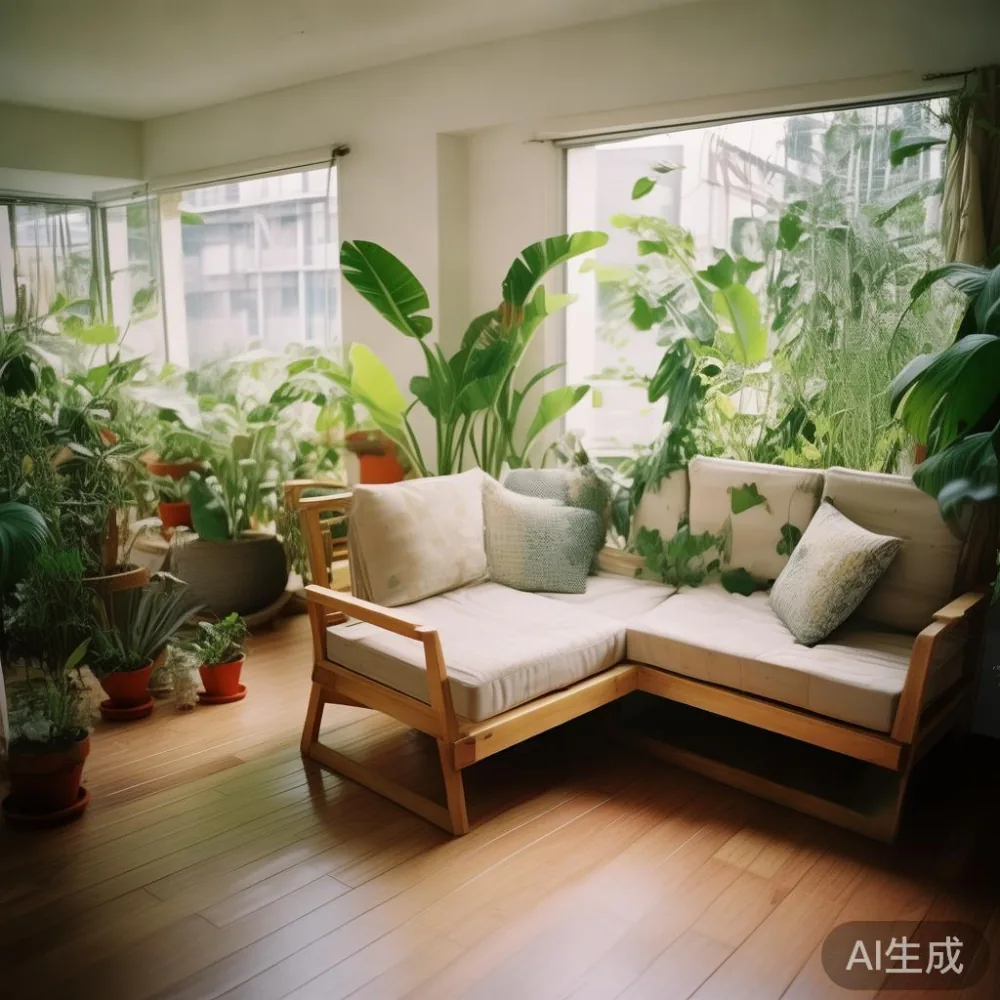
This guide is built around Singapore constraints: a 900 mm-wide lift door, a 1.2 m corridor turning radius, the 9% GST that shows up at checkout, and the 1.5 m rule for windows that affects where you place a tall wardrobe. I'll walk through concrete measurements, real SGD prices, and how a piece like an outdoor sofa set can quietly fix the air-flow problem that plagues most ground-floor HDB units. Along the way I'll reference the light-luxury approach popularised by French and American designers — restraint over ornament — and show how MIDHILL's solid wood range fits naturally into flats from 65 sqm to 110 sqm.
What does "small" actually mean in a Singapore HDB?
A 3-room BTO in Punggol runs about 65 sqm. A 4-room in Tampines sits between 90 and 93 sqm. A 5-room in Bedok can stretch to 110 sqm, while most executive condos land between 110 and 130 sqm. Those numbers sound generous until you subtract the 1.2 m corridor, the 2.5 m² air-con ledge, and the structural column that always seems to land behind where you want your dining table.
The ceiling height is usually 2.6 m, sometimes 2.8 m in newer BTOs. That single number — 2.6 m — decides whether you can fit a 2.0 m wardrobe with a 50 mm pelmet or whether you need a 1.9 m flat-back unit. I made the mistake of buying a 2.1 m wardrobe for my own BTO in 2019; it cost me S$340 to have it disassembled and another S$180 to modify the top in a Tampines carpentry shop. Measure twice, then subtract the skirting.
How do I choose a care sofa for a living room?
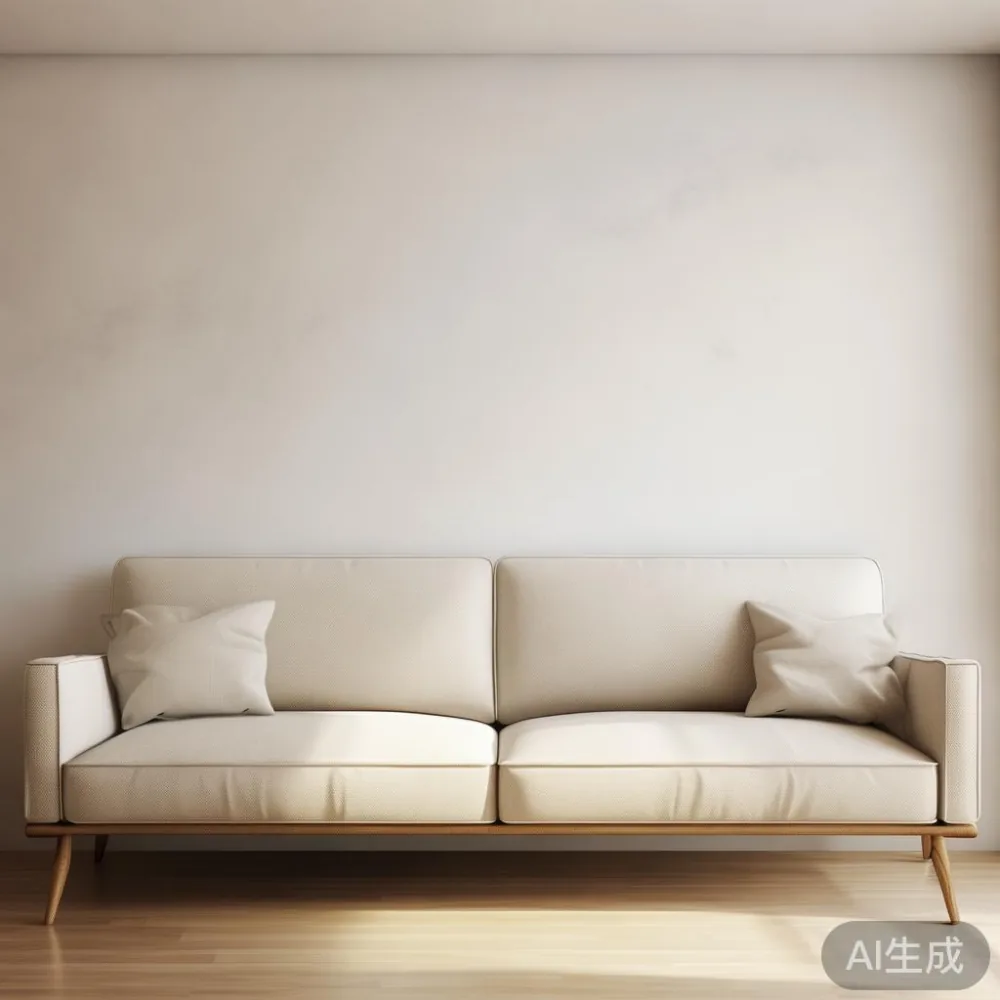
Choose a care sofa by measuring your lift, corridor, and door widths first, then matching the seat depth to your room length — a 2.1 m three-seater fits most 4-room HDB living rooms, while a 1.6 m two-seater suits 3-room flats.
"Care" here doesn't mean a brand name — it means a sofa you can actually maintain in a tropical climate. Singapore humidity runs 70–90% year-round, so any solid wood sofa you pick must use kiln-dried hardwood (moisture content below 12%) and joinery that doesn't trap water. Bolted metal-to-wood frames rust within 18 months in a non-aircon store; traditional mortise-and-tenon with hide-glue lasts decades.
Three measurements to take before you click buy:
- Lift door width: 900 mm standard, 1100 mm in newer condos. Subtract 50 mm for the rubber seal.
- Corridor turning radius: measure from the lift lobby to your unit door. Older blocks in Bedok and Ang Mo Kio have 1.5 m corners; newer Punggol blocks offer 1.8 m.
- Main door width: 900 mm for HDB, 950 mm for most condos.
If the sofa's diagonal depth is more than your corridor turning radius, it simply won't go in. A 2.2 m three-seater typically has a 1.85 m diagonal — fine for a new launch, but a problem in a 1980s walk-up. Check the box dimensions on the spec sheet, not the assembled dimensions.
Why a solid wood dining table beats a glass top in a 90 sqm flat
Glass tops show every fingerprint, reflect ceiling lights into your eyes during dinner, and chip at the edges within three years. A solid wood dining table — oak, ash, or walnut — absorbs light, hides minor scuffs, and can be sanded and re-oiled every 5 to 7 years. MIDHILL ships its tables with a 10-year structural warranty, and I've seen a 6-year-old oak piece in a Marine Parade condo that still looks fresh after one re-oil.
Size logic for HDB dining nooks:
- Two adults: 80 cm × 60 cm table, four chairs at 45 cm wide each.
- Family of four: 120 cm × 70 cm, fits with 60 cm wall clearance on one side.
- Family of five or six: 150 cm × 80 cm, but you need 90 cm pull-back on at least one side.
Pricing in SGD, including the 9% GST that everyone forgets until the invoice arrives:
- 120 cm oak table: S$1,450–1,850.
- 140 cm walnut table: S$2,100–2,600.
- 160 cm ash table: S$2,400–2,900.
- Extendable 120–160 cm oak: S$1,950–2,400.
A 160 kg table in solid oak requires two delivery men plus a third for the corridor turn. Confirm the freight lift dimensions if you live above the 7th floor — most HDB freight lifts measure 1.4 m × 2.0 m × 2.1 m, which sounds big until your table is 1.6 m long.
Can I use an outdoor sofa set indoors in Singapore?
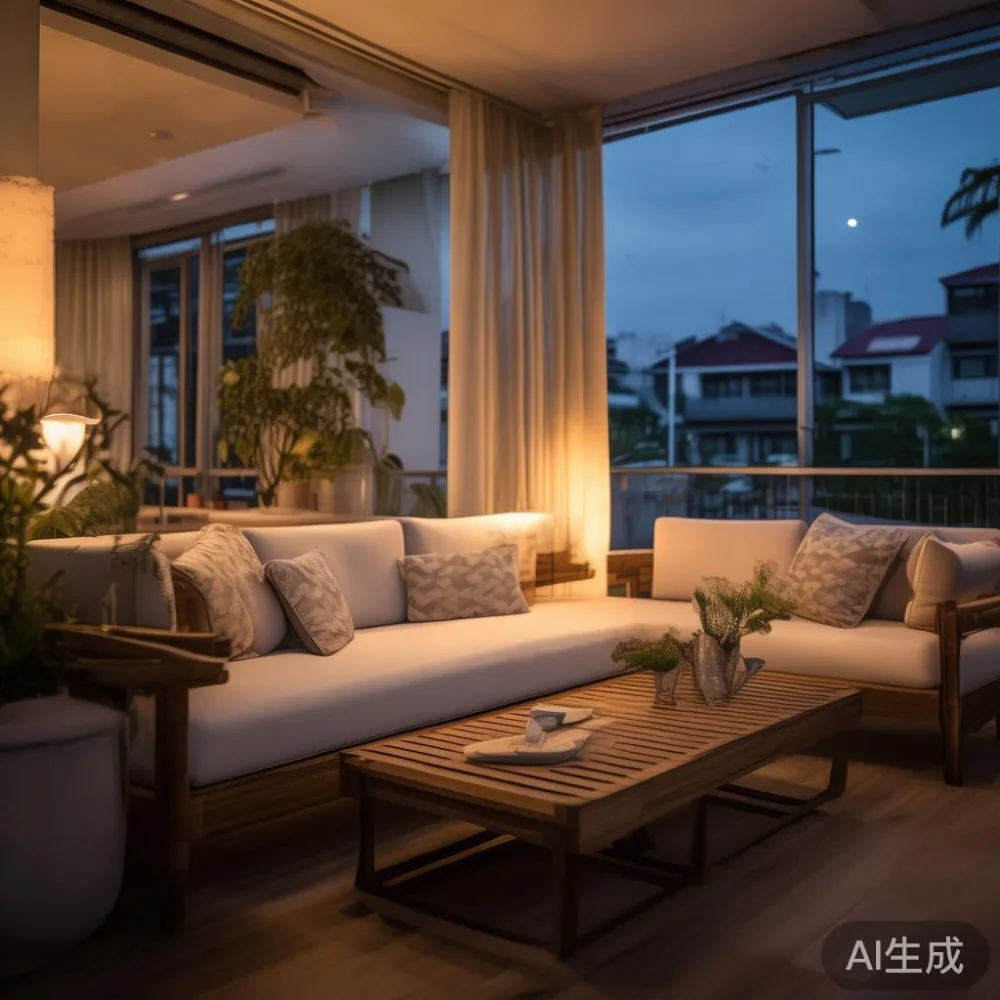
Yes — and for ground-floor HDBs near the void deck or any unit facing a busy road, an outdoor sofa set indoors does a better job than a fabric indoor sofa because the cushions dry faster, the frame copes with humidity, and you can wipe it down after a kopi-spill without panic.
Singapore's climate makes "indoor" and "outdoor" furniture categories blurrier than they are in, say, Stockholm. If you air-condition 22 hours a day, a fabric indoor sofa is fine. If you open the windows to save on the SP Group bill — and most of us do — the same sofa will absorb moisture, dust, and the occasional sambal stain.
An outdoor sofa with quick-dry foam (open-cell, reticulated) and a solid teak or eucalyptus frame handles this gracefully. Two practical setups I've seen work in HDBs:
- Balcony-as-living-room: a 3-seater outdoor sofa on a 6 sqm balcony, paired with a 3-seater coffee table for entryway use just inside the sliding door — the table holds keys, parcel deliveries, and the Dyson wall mount. Choose a coffee table that's 110–120 cm long so it doesn't block the sliding door track.
- Living-room-as-balcony: a full outdoor sofa set indoors near the window, with a machine-washable cover. You keep the look of a patio without losing the aircon.
Frame material matters. Teak lasts 25+ years outdoors; eucalyptus lasts 10–15; pine lasts 5–7 if treated. Aluminium frames weigh less (12–18 kg per seat versus 22–28 kg for wood) but feel cold under your elbow at 3 a.m. when you're reading.
Bed frame, nightstand, and wardrobe: the bedroom triangle
A 3-room HDB bedroom runs 9–10 sqm. A 4-room master runs 12–14 sqm. In either case, the bed frame, two nightstands, and a wardrobe will eat the room if you size them like a Landed house.
Bed frame sizing for HDB bedrooms:
- Queen (152 cm × 191 cm): fits a 3-room with 60 cm walkway on one side, 30 cm on the other. Tight but workable.
- King (183 cm × 198 cm): needs a 4-room master. Leaves 50 cm on each side and still hits the wardrobe if the wardrobe is 60 cm deep.
- Super single (107 cm × 191 cm): the underrated option for a 9 sqm room, especially if you work from home and need desk space.
Nightstand depth should match your bed frame clearance. A 40 cm nightstand beside a queen leaves 20 cm of breathing room; a 50 cm one hits the wall. Solid wood nightstands from MIDHILL come in 35 cm, 40 cm, and 45 cm depths — pick the one that matches your walkway, not your aesthetic.
Wardrobe depth: 55 cm is the Singapore standard (enough for hangers to swing). Anything deeper steals bedroom space; anything shallower wrinkles your shirts. Height: 2.0 m for a standard HDB with 2.6 m ceiling — leaves room for a 30 cm top-locker for luggage. Sliding doors save 60 cm of swing space compared to hinged, which matters when the wardrobe faces the bed foot.
Marble table or solid wood console: which one for the entryway?
The entryway in a Singapore HDB is rarely a room — it's a 1.2 m × 1.8 m slice of corridor between the main door and the living room. Whatever you put there gets touched 10 to 15 times a day: keys, mail, GrabFood deliveries, the dog's leash.
A 3-seater coffee table for entryway use is actually a clever hack I picked up from a Tampines interior designer: take a long, narrow console (110–130 cm wide, 30–35 cm deep) and treat it as a coffee table in the entryway zone. It holds a tray for keys, a small lamp, and a 25 cm ceramic vase — all without blocking the corridor.
Material choice:
- Solid wood console (oak, walnut): warm under the hand, hides scratches, can be re-oiled. Weight 18–28 kg. Price S$780–1,400.
- Marble table (Carrara, Calacatta): cold, shows water rings, chips at the corners if your delivery man bumps the wall. Weight 35–55 kg. Price S$1,200–2,800.
- Engineered stone (sintered): the middle path. Looks like marble, weighs 22–30 kg, doesn't stain. Price S$900–1,600.
In a HDB where the entryway also serves as the air-con controller zone, I'd pick a solid wood console every time. Marble radiates cold in air-conditioned air; wood doesn't.
Light luxury, without the price tag
"Light luxury" — the French call it luxe discret, the Americans call it quiet luxury — is about material honesty and proportion, not logos. Post-modern light luxury, which is what most Singapore condo designers now default to, leans on clean lines, mixed metals (brushed brass with matte black), and one accent piece per room.
Three rules that keep it affordable in SGD:
- One statement piece per room. A solid wood dining table with a sculpted base, or a marble table with a vein pattern you actually like. Everything else stays neutral.
- Two-tone wood, not two-tone anything else. Walnut + oak is timeless. Walnut + glossy white reads fast-fashion.
- Visible joinery. A bed frame with exposed tenons or a dining table with a visible butterfly key screams craftsmanship in a way a flat-pack never can.
I've seen a Toa Payoh 5-room flat furnished entirely in this style for S$14,000 all-in (sofa, dining set, bed frame, wardrobe, nightstands, console, and a marble coffee table). The same brief in a single brand store would have run S$28,000–35,000. The saving comes from buying solid wood over engineered, and from skipping the in-house designer markup.
Delivery, returns, and the fine print Singapore buyers should know
Free shipping over US$350 sounds great until you realise the rate converts to about S$475 at today's FX. MIDHILL clears that bar with a single dining chair, but for full-room sets you're looking at S$60–120 in delivery depending on the lift access and floor level. Above the 7th floor, expect a S$30–50 surcharge if your block doesn't have a freight lift.
Timeline in working days, door to door:
- In-stock solid wood sofa: 14–21 days.
- Made-to-order dining table: 35–55 days.
- Custom wardrobe: 60–90 days.
- Outdoor sofa set: 18–28 days (quicker because the frames are simpler).
14-day returns apply to unassembled pieces in original packaging. Once the delivery team has built the wardrobe in your bedroom, returns are limited to manufacturing defects. Photograph the packaging on arrival — this is the one step most people skip, and it's the one that decides a refund.
Lifetime refinishing means exactly what it says: send the piece back, pay freight both ways (roughly S$180–280 for a dining table), and the workshop sands and re-finishes it. Useful if you have kids who treat the coffee table like a drum kit, or if you're moving from a condo to a Landed and want the dining table to match the new floor tone.
What about resale value and moving day?
Solid wood furniture holds its value in Singapore's resale market better than engineered or MDF pieces. A 5-year-old oak dining table from MIDHILL still resells for 55–65% of its retail price on Carousell; a particleboard equivalent is worth S$50 for scrap.
On moving day, a 160 kg solid wood dining table takes 45–60 minutes to dismantle, move, and reassemble versus 15 minutes for an IKEA flat-pack. That's the trade. You pay in time and mover fees (S$120–180 per hour for a three-man crew in Singapore) for furniture that lasts 25+ years instead of 7.
If you rent rather than own — and 38% of Singapore residents do, according to the 2024 HDB sample household survey — the calculus changes. Lighter pieces (an aluminium-framed outdoor sofa set, a 22 kg marble-look coffee table) are easier to take to your next place. Solid wood still wins on longevity, but aluminium wins on relocation day.
Final thought before you measure your corridor
The Bedok corridor test — can two adults walk past your dining table without turning sideways — is the simplest measure of whether your furniture fits. Apply it to every major piece before you buy: the bed frame, the wardrobe, the dining table, the outdoor sofa if you're running it indoors. A 90 sqm HDB styled with restraint feels like 110 sqm; a 110 sqm flat over-stuffed with bulky pieces feels like 70.
Take the measurements, add 50 mm for breathing room, subtract the skirting, and then choose solid wood or aluminium based on your floor and your moving plans. The numbers will tell you what your room has been trying to say since the keys changed hands.