How Southeast Asian Humidity Affects Solid Wood Furniture
Singapore’s equatorial climate can move quickly from warm and humid to heavy rain, while air-conditioned HDB flats and condos create a second set of conditions: dry air indoors and damp air near windows, balconies, corridors and building entrances. For solid wood furniture, that variation matters. It can alter moisture movement, surface feel, joint stability and the appearance of finished timber.
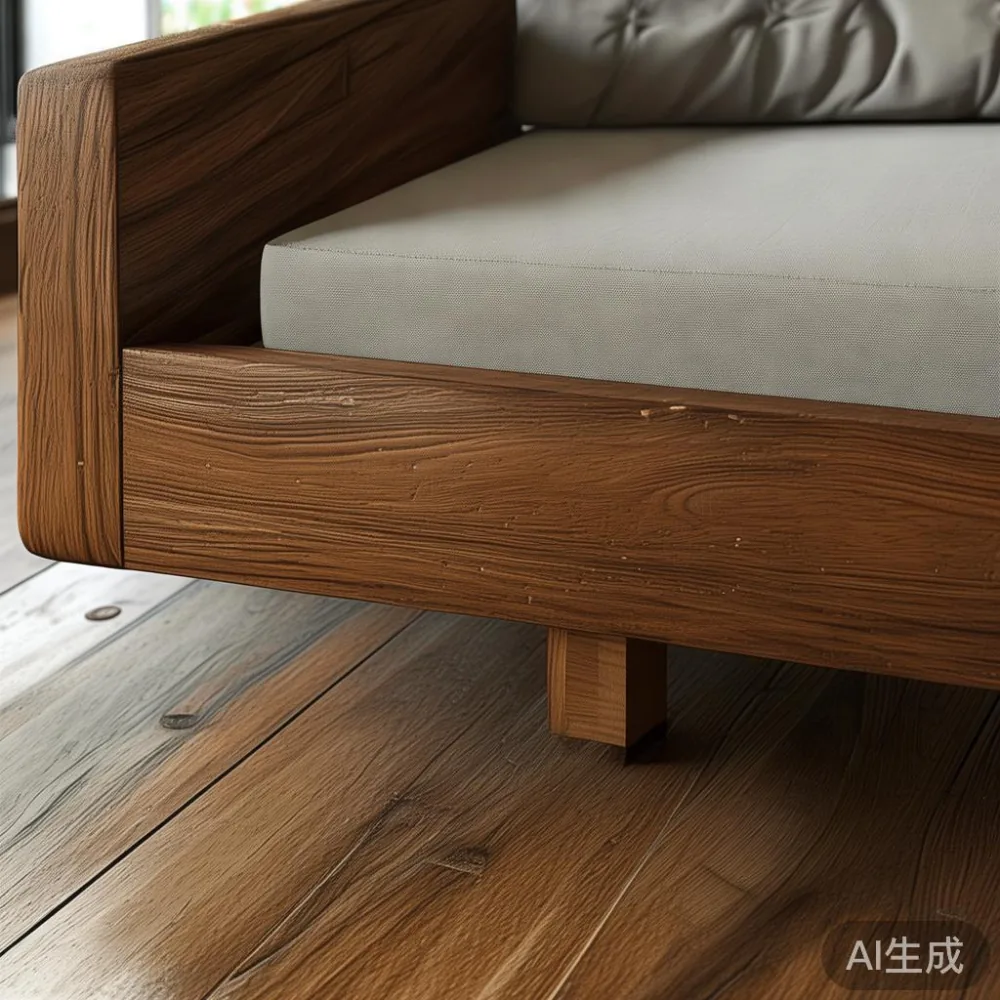
MIDHILL designs furniture for practical homes in this region, with solid wood sofas, bed frames, dining tables, wardrobes, nightstands and marble tables made for everyday use. This guide explains how humidity affects wood, why an outdoor sofa needs a different approach from an indoor sofa, and what Singapore residents should check before delivery.
How does humidity change solid wood?
Wood is hygroscopic: it absorbs moisture when the surrounding air is humid and releases it when the air becomes drier. A solid timber board is not a sealed, inert object. Its outer layers respond to relative humidity before its centre, so a sudden change can create uneven swelling, minor movement around joints and changes in the way a surface catches light.
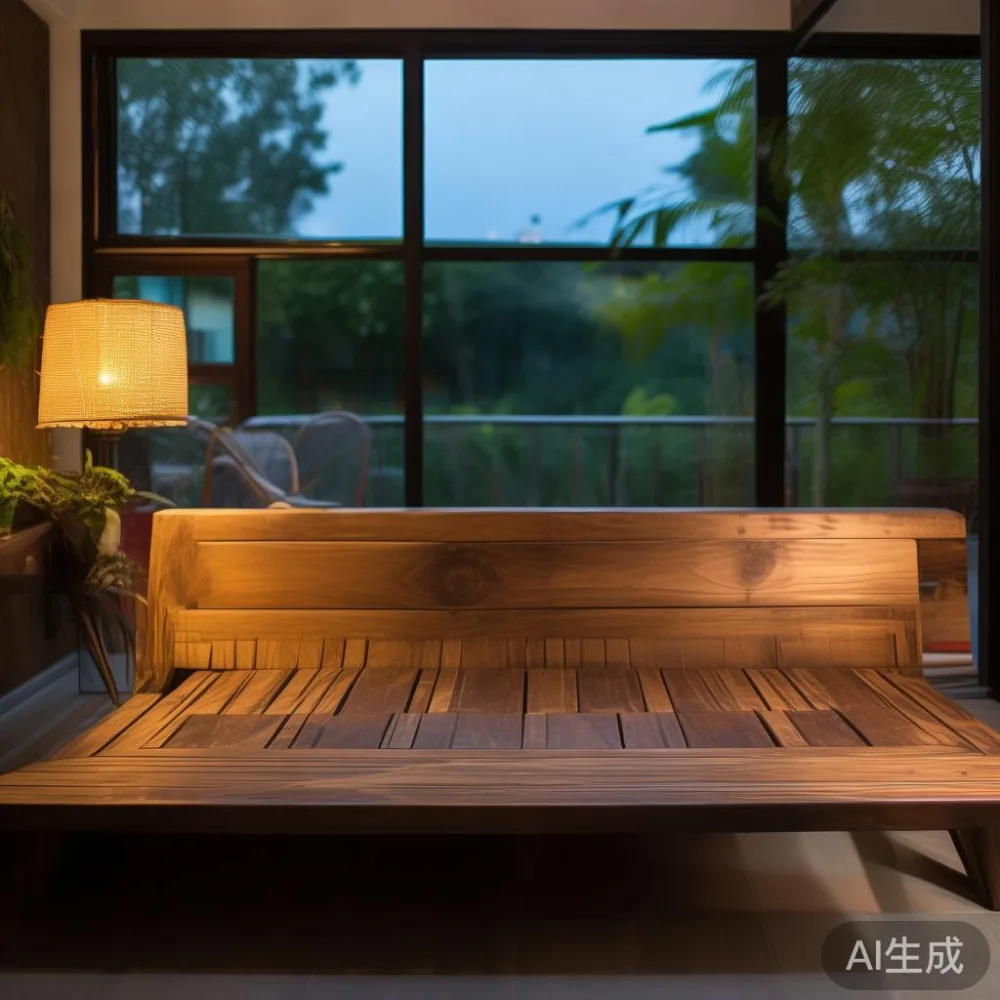
Singapore’s annual rainfall is about 2,340 mm, and coastal humidity commonly remains around 70–85% outdoors. Inside a well-air-conditioned flat, relative humidity may fall below 55%. A timber dining table or bed frame can therefore move by several millimetres as moisture crosses its fibres. Small movements are normal; repeated severe movement or prolonged dampness can lead to checking, mould staining or weakened joint fit.
Temperature matters too. Tropical afternoons can push outdoor surfaces above 32°C, while air-conditioned rooms may sit near 24°C. A solid wood sofa placed beside an open balcony door can encounter more than 10°C of temperature difference in a single day. The aim is not to eliminate natural movement, but to reduce rapid moisture changes and keep timber away from standing water.
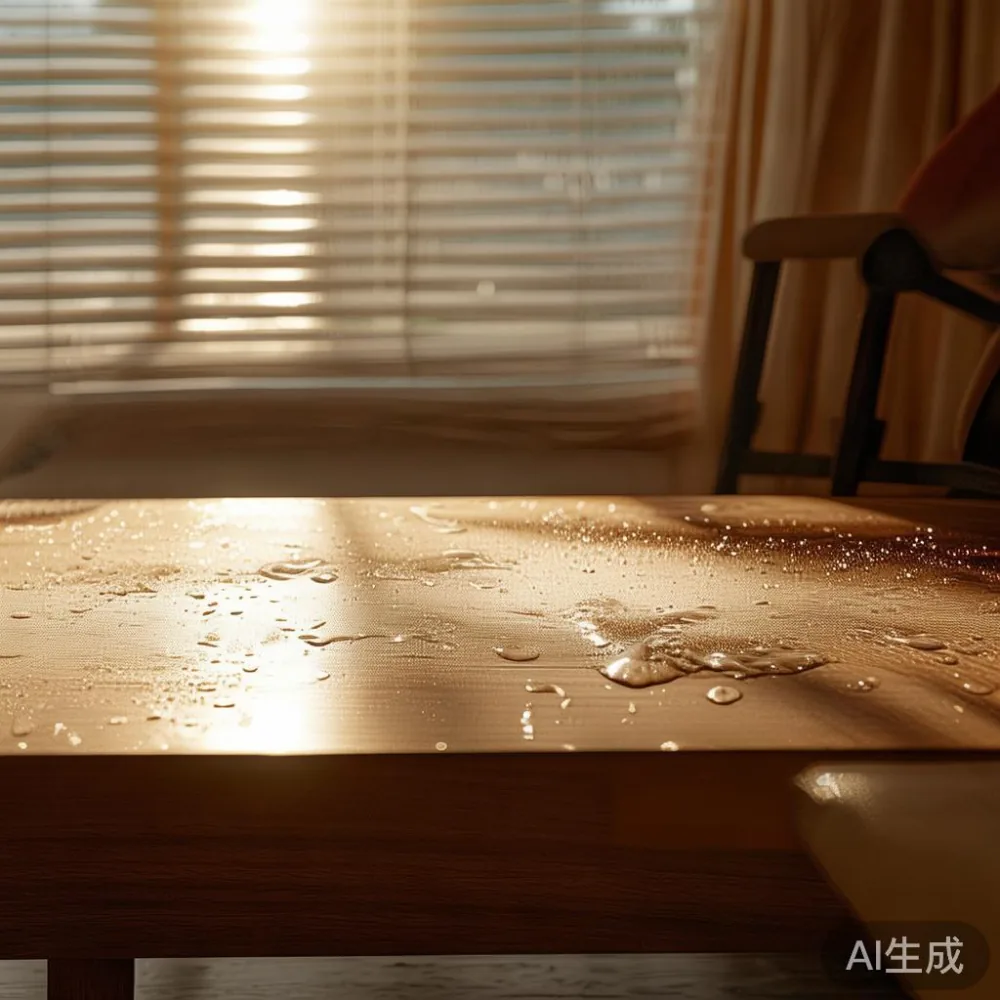
For an outdoor sofa, the word “outdoor” needs careful interpretation. A conventional solid wood sofa with upholstered cushions is normally intended for a covered veranda, balcony or garden pavilion, not for permanent exposure to tropical rain. If a seller describes a wooden frame as fully weatherproof without specifying its finish, drainage and warranty terms, buyers should ask for the construction details.
Which Singapore homes create the highest humidity risk?
In an HDB flat, placement can be more important than the building type. Tampines blocks near open-facing corridors and ground-floor gardens can collect humid air, while Bedok units beside large playground lawns may receive little direct sun but plenty of moisture. Punggol homes near the waterfront can also experience reflective heat and salt-laden air, although corrosion is usually a greater concern for metal fittings than for solid timber.
Singapore HDB lift lobbies often have a floor area of about 10–20 m², with lift cars around 1.4–1.8 m wide and 2.1–2.4 m deep. A two-seater outdoor sofa should generally fit through a 90 cm doorway and turn within a 1.5 m wide corridor. A three-seater may measure 210–230 cm long, so delivery teams need to check the route, not only the unit dimensions.
Condo corridors can be narrower than expected, and a minimum 105 cm clear route is useful for carrying a packed sofa on its side. Protective wrapping, corner guards and a clear access plan reduce knocks to wood rails and upholstery. Lift booking is also subject to each property manager’s rules, so measurements should be confirmed at least 7 days before delivery.
For interiors, keep solid wood at least 30 cm from an open window during heavy rain and 60 cm from an air-conditioning vent. Leave 5–10 cm behind a bed frame for airflow and 10–15 cm above a wardrobe top when possible. These gaps reduce condensation and make cleaning easier. Use a hygrometer, ideally one with a goal of roughly 40–60% relative humidity indoors. During very wet periods, run air conditioning or a dehumidifier for 2–3 hours a day rather than relying on short bursts.
Which wood finishes are easier to live with in Singapore?
A hardwax oil or matte water-based finish gives natural timber a tactile appearance and allows minor maintenance. A tougher polyurethane or conversion varnish can create a more sealed barrier, but it can still be affected by heat, scratches and standing water. Film-forming finishes need more care around cut edges, seams and drilled holes because trapped moisture may appear as small dark spots.
For an outdoor sofa, choose a frame with well-drained joinery, water-based exterior coating and removable seat cushions. Upholstery should use solution-dyed acrylic or quick-dry foam rather than ordinary polyester batting that holds moisture. The cushions should include ventilated mesh bottoms or raised feet so water does not remain trapped against the timber.
Teak is a practical reference for covered outdoor settings because it is naturally resistant to moisture, but it still moves and weathers. Dense hardwoods such as oak or ash offer a refined indoor appearance, while rubberwood and other responsibly sourced species can suit painted or French light luxury pieces. Wood species alone do not determine durability; finish quality, machining, drainage and maintenance are equally important.
Light-luxury styling can work well here because pale finishes reveal dust and damp marks more readily. Deep-toned walnut, smoked oak and warm beige fabrics often disguise small changes in sheen, but every surface should still be protected. For post-modern light luxury, combine clean lines with tactile timber and one curved element. This also supports Post-modern for small living room layouts, where slim profiles and visual balance matter more than oversized furniture.
What should I check before a solid wood sofa is delivered?
Ask for the exact external dimensions, including arms and feet. A sofa listed at 200 cm may be 208 cm in its packaged form. Compare the narrowest doorway, corridor and lift measurements with the packed dimensions, including the diagonal. For most Singapore access routes, a package under 220 × 95 × 65 cm is manageable, but unusual bends may require a two-person carry.
Check that the frame uses solid wood in the load-bearing rails and legs, rather than only solid timber veneer. Look for dowelled, mortise-and-tenon or corner-blocked joints in important areas. A practical outdoor sofa may carry 250–350 kg in a four-person configuration; laboratory test loads do not necessarily match that figure, so ask how the product was tested.
For floor protection, use felt pads under every leg and keep at least 2 cm of clearance from exterior walls. Do not place the outdoor sofa where roof runoff can enter. If it must stand on a balcony, confirm that drainage works and that the balcony is legally suitable for the intended use. For indoor models, allow 10–15 cm around a bed frame and leave wardrobe doors with enough clearance for seasonal timber movement.
Can humidity damage a bed frame, dining table or wardrobe?
Yes, if furniture remains damp or is placed beside a persistent moisture source. A solid wood bed frame may develop surface checking as one face absorbs moisture faster than the opposite face. A dining table can lose stability at the edge if a water glass repeatedly spills into an unsealed joint. A wardrobe can show swelling around doors when its carcass is too close to an exterior wall or ventilation is poor.
Marble table tops are less prone to wood movement but still need sensible placement. Keep the base away from balconies and sprinklers, and avoid direct contact with damp cleaning cloths. Marble is porous enough to stain if acidic liquids remain on the surface, so wipe spills within 10 minutes.
Singapore residents often ask how to style French provincial bed in apartment layouts without making a compact room feel crowded. A 150 × 200 cm bed with a slim 20–25 cm headboard, 35 cm side tables and light linen works well in many 3-room HDB bedrooms. Preserve at least 60 cm of walking space on the main side and 30 cm on the other where possible.
The related question, is Japandi bed worth it for a Singapore bedroom, depends on ventilation and storage rather than fashion alone. Japandi oak beds suit calm rooms, but unfinished-looking surfaces show water rings more clearly. A sealed matte topcoat, a bedside tray and 50–60% indoor humidity make the design easier to maintain.
Is French sofa worth it in a humid apartment?
A French-style solid wood sofa can work in Singapore when its frame is stable, its joints are protected and its cushions can dry quickly. Curved arms and pale timber suit French light luxury, while bouclé or linen textures fit American light luxury schemes. Avoid natural linen for permanent balcony use; it can retain moisture and develop an odour during monsoon periods.
A three-seat French sofa commonly measures 205–225 cm wide, with a seat height near 42 cm and a depth of 90–100 cm. In a compact living room, check the coffee-table gap before ordering: 40 cm is comfortable, while 30 cm can still be workable. If the sofa includes a solid wood frame and removable washable covers, it can serve as a sheltered outdoor sofa during dry weather, provided it is moved under cover before rain.
For shoppers comparing under 2000 Japanese furniture options, the material details matter more than the country label. Ask whether the dining table, nightstand or bed frame is solid wood, how the finish is sealed and whether replacement hardware is available. A modest piece with protected joints and clear care instructions is more useful in a humid home than a decorative piece with vague specifications.
An Italian light luxury accent chair can add contrast beside a solid wood sofa, but the fabric should be treated for moisture resistance. Keep the chair 45–60 cm from a window opening and use a breathable cover. These placement choices help preserve both the timber and upholstery.
How should owners clean and maintain outdoor furniture?
Clean a covered outdoor sofa every 2–4 weeks during wet weather. Use a soft brush, mild soap and a clean cloth, then dry the frame and cushion seams completely. Avoid pressure washing, bleach and soaking the timber. If mould appears, address it within 24 hours because repeated humidity exposure can stain fibres and penetrate unfinished areas.
Re-oil an oil-finished solid wood frame every 12–18 months, or sooner if water stops beading on the surface. Test the product on a hidden 10 × 10 cm area first. Film-finished surfaces should be wiped with a damp cloth and dried immediately; they do not need the same oiling routine.
Check drainage after storms. Clear leaves from balcony gaps, keep fabric 5 cm above the floor and rotate cushions monthly so one face does not remain wet. During the 6–8 weeks of the main northeast monsoon period, move vulnerable furniture under cover when prolonged rain is forecast.
Inside, maintain stable humidity and wipe condensation from windows before it reaches a wardrobe or bed frame. Use coasters and trays on a dining table, keep plants in saucers, and inspect hidden areas behind furniture every 3 months. A small moisture meter can help identify damp corners without opening the wood.
How does MIDHILL approach furniture for tropical conditions?
MIDHILL has manufactured solid wood furniture since 2008 and exports to more than 15 countries. For Southeast Asian conditions, the practical priorities are controlled moisture in components, sound joinery, suitable finishes and replaceable parts. The company’s 10-year structural warranty supports long-term use, while lifetime refinishing makes it possible to restore a piece’s surface after normal wear rather than replacing it unnecessarily.
Delivery to Singapore typically takes 7–14 business days after production, depending on the configuration and stock position. Orders above US$350 qualify for free shipping under MIDHILL’s stated delivery policy, though local taxes and access charges should be confirmed before checkout. A 14-day return window gives customers time to assess fit, finish and comfort in their own environment.
GST is not included in displayed prices unless stated clearly, so buyers should budget 9% GST on the taxable amount. For an outdoor sofa priced at SGD 2,400, GST would add SGD 216, making the total SGD 2,616 before any optional delivery service or access charge. This calculation is useful for comparing a solid wood sofa with a lower-priced frame or a dining table with mixed materials.
Before the final delivery, photograph every side of the pieces, retain the packaging for 7 days and record the furniture dimensions in the room. Keep 10–15 cm of ventilation space around larger items, and use coasters rather than decorative stone trivets that can trap moisture.
What is the right balance between style and humidity resistance?
The most suitable furniture respects the climate without making a home look severe. Solid wood, restrained colours and layered fabrics create warmth, while open layouts support airflow. Post-modern light luxury can use slim profiles, softened geometry and pale oak; French light luxury can use shaped arms and upholstered details; American light luxury can pair deep cushions with durable, easy-clean textiles.
Position is a practical form of protection. A dining table placed 60–90 cm away from an open balcony door experiences a more stable environment than one directly against the façade. A bed frame should sit away from an uninsulated exterior wall, and a wardrobe should have a 10 cm rear ventilation gap where construction allows. An outdoor sofa should have a roof and side cover, but still need air circulation underneath.
Humidity management is an ongoing routine rather than a single purchase decision. Measure the space, choose a suitable finish, allow for airflow and inspect furniture after storms. With those steps, solid wood can remain visually warm and structurally dependable in Tampines, Bedok, Punggol and across Singapore’s varied condo settings.