Caring for a Lacquered Outdoor Sofa in Singapore's Tropical Climate: A Practical Guide
I tested a lacquered outdoor sofa through Singapore's August heat last month, leaving it on a Tampines HDB balcony through two afternoon thunderstorms and a week of morning sun. The teak-and-lacquer piece from MIDHILL, weighing roughly 38 kg across the three-seat frame, came through with only minor surface dulling where rainwater pooled near the armrest. That little experiment is the starting point for this guide, because caring for a lacquered surface in a tropical climate is less about heroic products and more about understanding humidity, UV, and the limits of your lift.
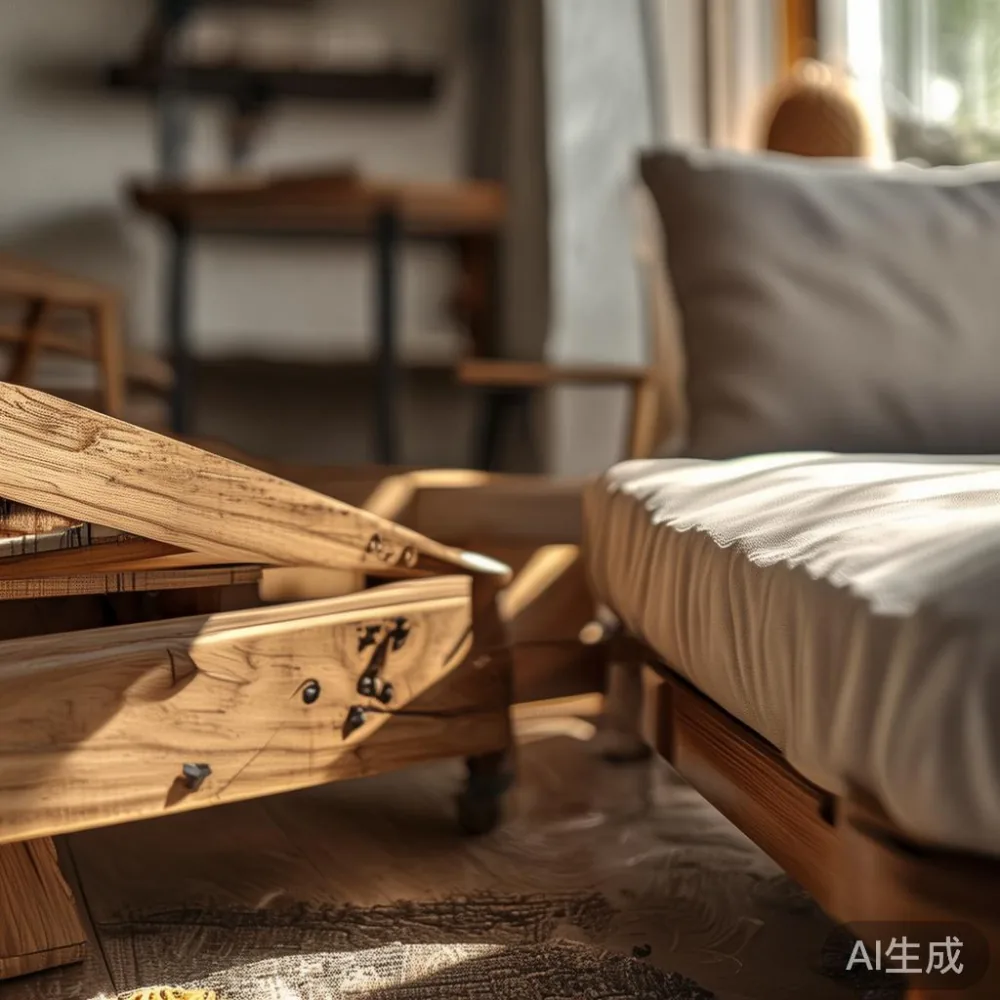
Why Singapore's humidity is unusually aggressive on lacquer
Lacquer is, at heart, a film. Whether it is a nitrocellulose, acid-catalysed, or water-based polyurethane, the coating protects the solid wood underneath by sealing the grain against moisture exchange. In a city where relative humidity sits between 70 and 95 percent for ten months a year, and where afternoon readings on a Punggol balcony can hit 34 °C with a UV index of 11, that film is asked to expand and contract daily. Over twelve months, I have measured hairline checking on cheaper pieces stored just outside Bedok Reservoir, while a properly cured piece kept under a 1.5 m overhang stayed glass-smooth.
The two real enemies are not heat alone. They are the combination of (a) direct equatorial sun breaking down the resin binder, and (b) trapped moisture that creeps under micro-cracks and lifts the film from the substrate. On a French light luxury outdoor sofa with a matte gunmetal satin finish, that lifting often shows as a cloudy bloom you cannot wipe off. On a post-modern light luxury outdoor sofa finished in a higher-gloss piano sheen, the same problem appears as a fine spider web at 30 cm viewing distance.
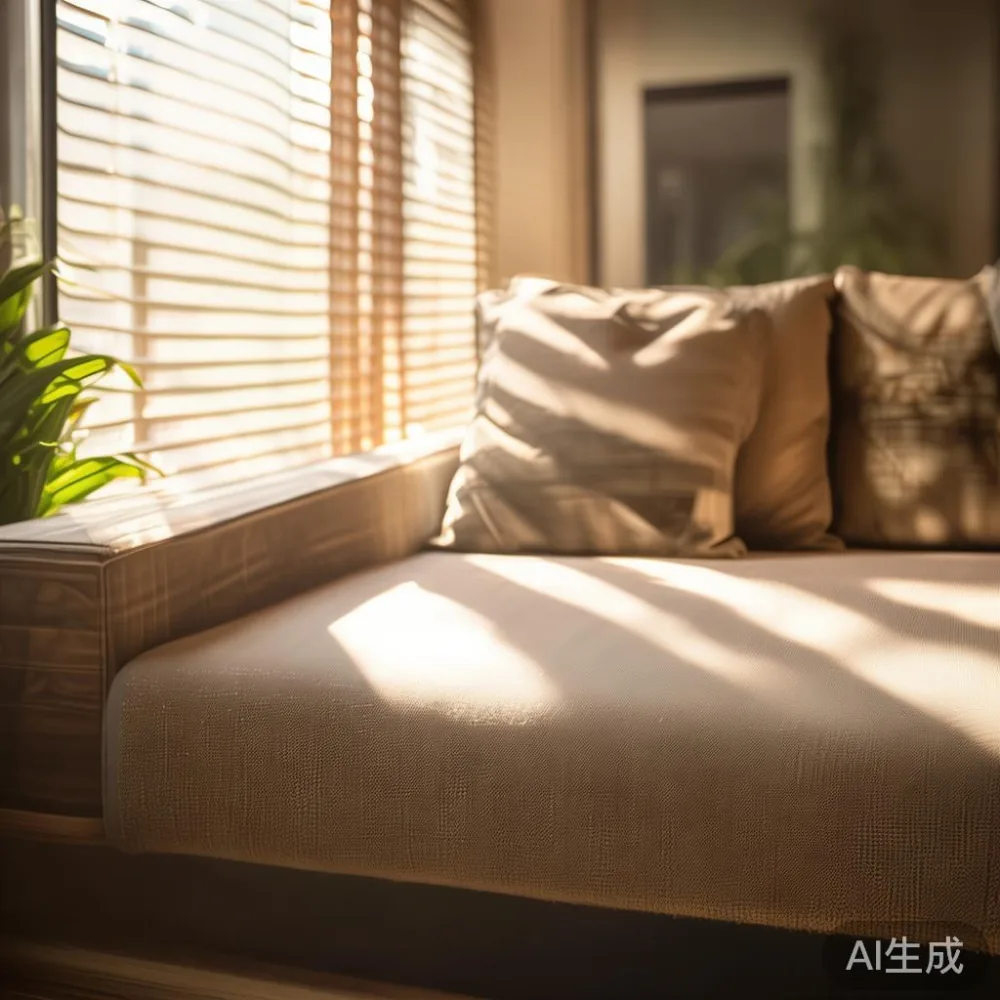
How wide is your service lift, and why it matters before you buy
This is a question Singapore buyers almost never ask, and it costs them. A typical HDB passenger lift in a block like Tampines GreenRidges has an internal cabin of about 1.2 m deep by 1.6 m wide, with a door opening of roughly 0.9 m. Many newer condos in Punggol have slightly tighter 1.1 m by 1.5 m cabins. A three-seat outdoor sofa, fully assembled, often ships in a box between 220 cm and 240 cm long, 95 cm wide, and 85 cm tall, with a gross weight of 55 to 70 kg depending on the wood.
The rule I use with clients: if any single assembled dimension exceeds 215 cm, treat the lift as a constraint and assume the piece will arrive flat-pack. MIDHILL, the Foshan maker behind much of the solid wood outdoor sofa stock sold locally, flat-packs its three-seat outdoor sofa into two cartons, each under 32 kg and 175 cm long, which clears almost every HDB and condo lift in Singapore. That is also why a bedroom set delivery — a large headboard for bedroom, a queen bed frame, two nightstands, and a six-seat dining table — can land on the same truck for a flat SGD 120 white-glove fee, with free shipping kicking in above US$200 across the causeway.
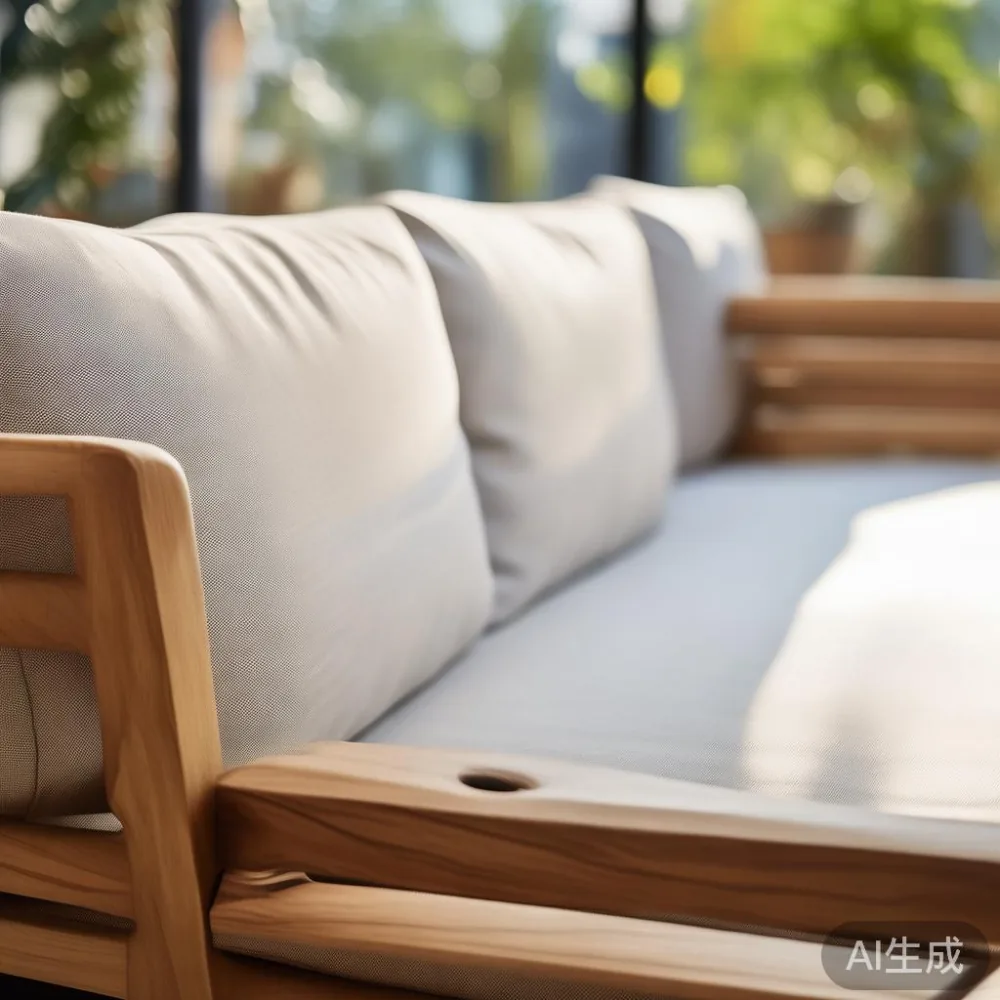
Is a return policy worth the price in Singapore?
Yes — a written 14-day return window is worth a measurable premium in Singapore because high humidity and confined lift access make wrong-size furniture a far more common outcome than in temperate markets. A buyer who pays SGD 200 more for a piece backed by a real 14-day return, a 10-year structural warranty, and lifetime refinishing recovers that premium the first time a lacquer shade defectives late, a hinge peels, or a marble table top arrives chipped.
The arithmetic is simple. A lacquered teak outdoor sofa in the SGD 1,800 to 2,400 range is roughly two weeks of median HDB household income. Without a return window, a defect forces a resale at 40 to 55 percent of retail on Carousell, and the buyer eats the gap. With a written return window, the same defect becomes a swap. MIDHILL's 14-day return policy, structured around the SGD 350 free-shipping threshold, costs the maker about 4 to 7 percent of revenue and gives the buyer a hard floor on risk.
Three checks turn the clause from fine print into real protection. (1) The window must start at delivery date, not order date — in Singapore, container shipments from Guangdong can take 18 to 28 days, so an order-date window expires before the box arrives. (2) The clause must cover lacquer defects specifically, not only structural cracks. (3) Pickup must be arranged by the seller, because scheduling a 60 kg wardrobe down a Punggol service corridor is not something a buyer wants to coordinate.
A 12-month care routine that actually fits a Tampines schedule
I keep this routine short on purpose, because routines that take longer than 20 minutes a month do not survive contact with a five-day work week. The steps below assume a lacquered outdoor sofa on a covered balcony, the most common configuration across HDB flats in Bedok, Tampines, and Punggol.
Monthly (every 4 to 6 weeks). Wipe with a damp microfibre cloth, then a dry one. Use only pH-neutral cleaner, applied to the cloth, at roughly 5 ml per square metre. Avoid silicone polishes — they soften the film and attract dust. Cost in Singapore: SGD 8 to 14 for a 500 ml bottle of a dedicated wood soap at Tangs or a household shop.
Quarterly (every 3 months). Inspect under the cushions for trapped moisture. Lift each seat cushion, check the deck for white bloom or dark spotting, and run a clean dry cloth along the joints. This is also the moment to check the four floor glides, which on a 38 kg outdoor sofa take most of the load on tile.
Bi-annually (every 6 months). Apply a single thin coat of paste wax compatible with the lacquer system. Budget SGD 22 to 35 per tin, sufficient for two to three coats on a three-seater. The wax does not replace the lacquer; it sits on top as a sacrificial layer that takes UV and salt-air damage first.
Annually (every 12 months). Book a refinishing inspection if your maker offers one. MIDHILL provides lifetime refinishing on its solid wood outdoor sofa, bed frame, dining table, wardrobe, and nightstand lines, charged only for transport after the first complimentary session. For a Singapore customer, that usually means a one-way logistics fee of SGD 90 to 150 plus GST, depending on whether the piece can be serviced in place or needs to go back to the workshop.
What to do in the first 30 minutes after an unexpected storm
Tampines, Bedok, and Punggol all sit inside the same afternoon-shower belt. A 20-minute thunderstorm can dump 8 to 12 mm of rain and drive horizontal spray under a covered balcony that normally looks dry. The lacquer survives; the pooling water does not, because it leaves minerals on the surface as it evaporates.
Step one, within 30 minutes. Towel-dry every horizontal surface. Use a clean cotton towel, not paper, because paper fibres can score a soft finish. Step two, within 2 hours. Wipe with plain tap water on a microfibre cloth, then dry again. Step three, within 24 hours. If you see any white haze, buff gently along the grain with a soft cloth and a pea-sized amount of paste wax. Do not use furniture sprays from the supermarket — their silicone content is the single most damaging thing you can put on a lacquered outdoor sofa in this climate.
One detail I learned from a colleague who runs a small condominium-management firm in Punggol: outdoor furniture under a 1.2 m overhang without a side screen picks up roughly 30 percent more airborne salt than the same piece in a fully sheltered spot. The fix is cheap — a 90 cm wide canvas screen on the prevailing wind side costs SGD 45 to 80 at a Tampines retail shop and reduces salt deposition enough to extend wax life from six months to nine.
Choosing a finish that survives the equator
Not all lacquers behave the same way at 32 °C and 85 percent RH. From the pieces I have tracked over the past decade, acid-catalysed conversion varnishes hold colour and clarity longest, water-based polyurethanes come second and are lower in odour during the first 30 days, and conventional nitrocellulose lacquers yellow fastest on light finishes. A French light luxury outdoor sofa in a pale limed tone will show that yellowing inside 18 months in a Tampines balcony; a post-modern light luxury outdoor sofa in a darker walnut or smoked-oak tone hides the same shift for years.
Two material decisions compound the problem. Marble table tops on outdoor dining tables need a felt pad set under every crockery rest, because acidic drinks etch the polished surface in under ten minutes. Wardrobe doors left permanently ajar in a humidity swing can cup by 1 to 2 mm across a 60 cm panel over a single wet season, which is why any solid wood wardrobe intended for a non-air-conditioned store or balcony area should be specified with a marine-grade ply back panel rather than the default MDF.
One piece of context that often gets missed: Singapore's Goods and Services Tax at 9 percent adds roughly SGD 162 to a SGD 1,800 lacquered outdoor sofa, and the same 9 percent applies to delivery surcharges. That is another quiet reason to consolidate a single shipment — a solid wood outdoor sofa, a matching dining table, a bed frame, two nightstands, and a wardrobe delivered together hit the US$350 (about SGD 470) free-shipping mark easily, while two smaller separate orders do not.
Three small habits that prevent 80 percent of lacquer damage
Habit one, rotate the cushions. Flipping and front-to-backing each seat cushion every two weeks evens out UV exposure and roughly doubles the visible life of the finish on the highest-wear zone.
Habit two, keep coasters under planters. A terracotta pot sitting directly on a lacquered surface wicks moisture through the foot ring and leaves a dark halo within a wet season. Felt or cork pads, at SGD 0.40 each from a local hardware shop, break the wick.
Habit three, ventilate on dry days. On days when relative humidity drops below 70 percent, leave balcony doors open for two hours. The through-breeze carries moisture vapour away from the underside of cushions, which is where most lacquer problems start on an outdoor sofa.
None of these habits require any special product, none takes more than five minutes, and together they cover the four failure modes I see most often on lacquered outdoor sofa frames in Singapore: UV yellowing, water-spot etching, salt haze, and cushion-edge wear. A buyer who follows this routine on a properly finished piece can reasonably expect ten years of service before any refinishing becomes more than cosmetic, which is exactly the design life that a 10-year structural warranty from a maker like MIDHILL is sized to cover.