5-Year Cost Comparison: Veneer vs Solid Wood for Singapore Homes
A solid wood sofa looks expensive on delivery day. The invoice becomes easier to judge when you project it across 5 years, including replacement, repair, refinishing and the time lost to maintenance. For Singapore households—especially residents of Tampines, Bedok and Punggol HDB flats and condos—the real question is not whether veneer or solid wood costs less at checkout. It is which material gives better use of the family budget over 60 months.
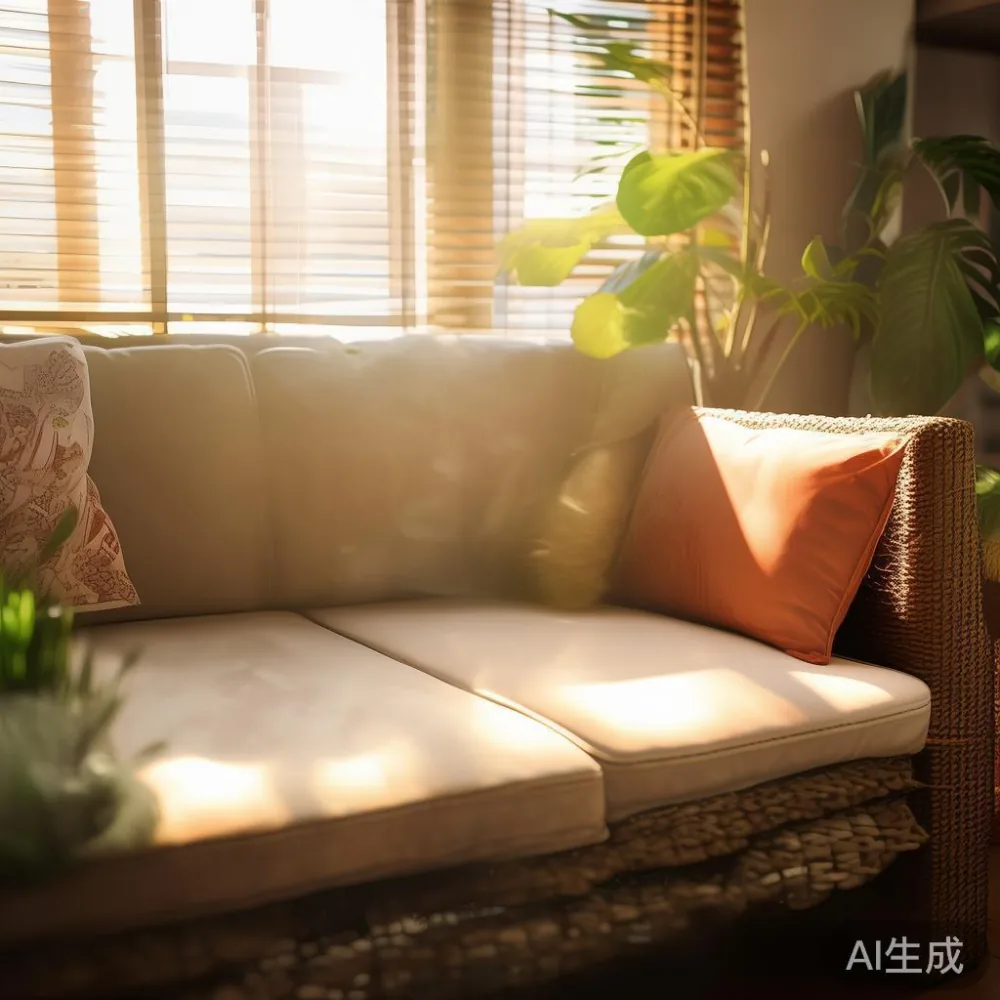
Outdoor use adds another layer. Humidity, monsoon rain and salt-laden air near the coast can affect both construction and appearance. An outdoor sofa may sit on a balcony, beside a pool or in a sheltered patio, so frame stability, finish maintenance and replacement parts matter more than a dramatic showroom photograph.
This comparison uses Singapore dollars, including 9% GST where applicable. Delivery, lift access and corridor turning radius are included because a technically suitable frame can still cause problems if it cannot enter a HDB lift. The figures are practical planning estimates for 3-seat units, not quotations for every design.
What is the difference between veneer and solid wood furniture?
Veneer is a thin layer of timber, generally 0.3 to 1.0 mm thick, bonded to a panel core such as MDF, plywood or particle board. A 180 cm wide sofa might use about 12 to 18 veneer faces, each cut from a larger log. Solid wood components are cut from timber itself. The exact species and dimensions change the price, but kiln-dried hardwood usually commands a higher initial cost than a standard veneered frame.
Veneer can produce convincing grain continuity and is efficient with wood. It is also more sensitive to prolonged moisture, impact and edge damage. Solid wood usually tolerates repeated refinishing better, provided moisture stays within a reasonable range. Neither material should be treated as waterproof outdoors.
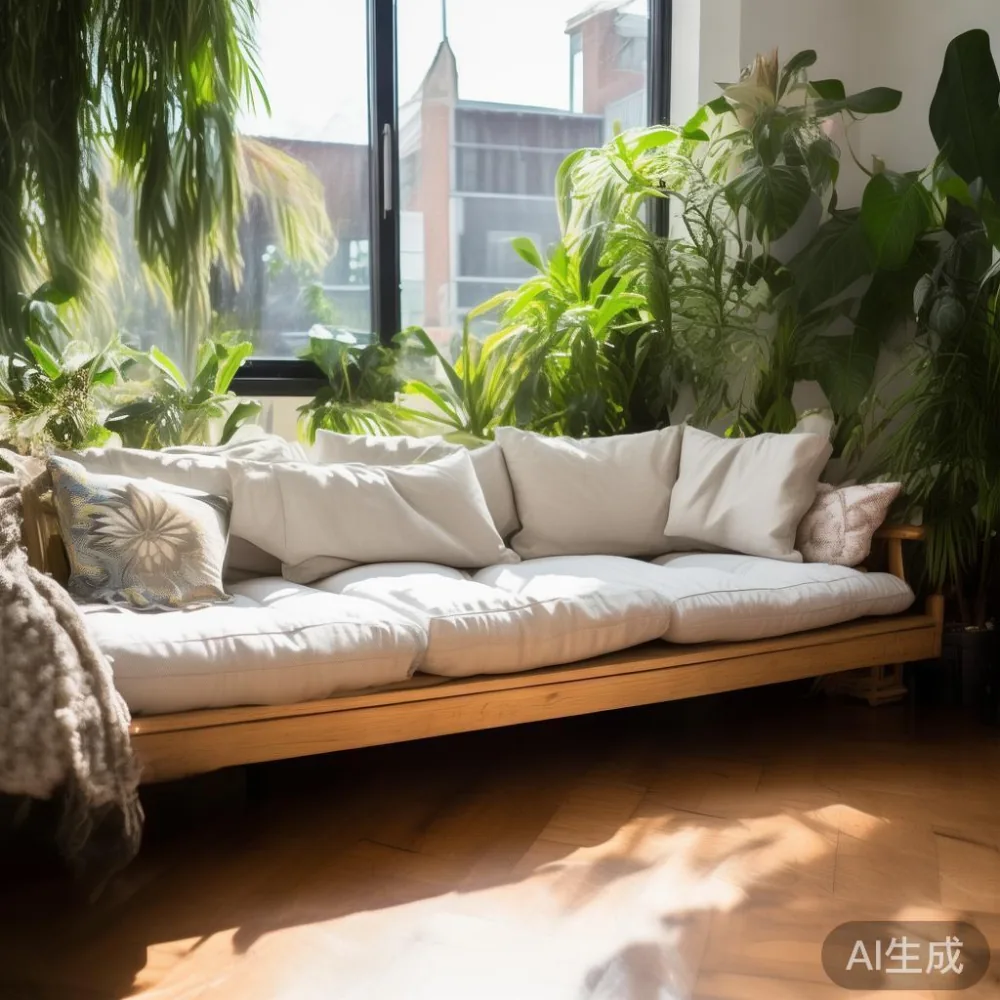
MIDHILL describes its outdoor sofa construction by component rather than by a vague “wood” label. Buyers should ask whether the load-bearing rails, legs, back supports and seat frame are solid wood, plywood or another engineered product. Ask for the moisture range, joining method, finish system and replacement-part pricing. A 10-year structural warranty is meaningful only when the warranty terms, covered components and environmental conditions are clear.
How much does a 3-seat outdoor sofa cost in Singapore?
For a typical 3-seat outdoor sofa measuring 180 to 210 cm, a planning range is SGD 1,800 to SGD 3,200 for a quality veneered model and SGD 2,800 to SGD 5,200 for a comparable solid wood model. The figures include ordinary Singapore GST. Premium hardware, wider dimensions, thicker cushions or custom finishes can move either result by SGD 400 to SGD 1,500.
Delivery commonly takes 7 to 21 days after production, depending on stock, finish selection and peak season. A free-shipping threshold of US$350, mentioned by MIDHILL for eligible international orders, is separate from Singapore delivery charges. Local buyers should still request a landed quotation with GST, delivery, lift fees and installation clearly separated.
For a HDB flat, the delivery constraints can be more concrete than the material choice. A 210 cm sofa may turn through a 110 cm corridor, while a 220 cm unit may require the corridor to be cleared at an angle. Most HDB passenger lifts have door openings around 80 to 100 cm and internal depths near 130 to 160 cm, though blocks vary. A sofa with detachable legs reduces the risk, but the packed body still needs to fit the lift car and the turning space on each floor.
My colleague visited a Tampines HDB flat last month to check a supplier’s sample sofa. The lift opening measured 87 cm and the corridor was 118 cm wide, with a right-angle turn near the lobby. The sofa’s 198 cm long frame passed through only after the back cushions and 6 cm legs were removed and the frame was turned diagonally. That experience shows why a written measurement is worth more than a generic “fits most homes” claim.
What is the 5-year cost of a veneered outdoor sofa?
Assume a 200 cm, 3-seat outdoor sofa with a 25 kg frame, foam cushions, polyester or acrylic outdoor fabric, and a standard protective finish. The opening purchase price is around SGD 2,200 including GST. Add SGD 180 for local delivery and lift handling, and the first-year outlay reaches approximately SGD 2,380.
Annual ownership costs can include:
- Cleaning and fabric treatment: SGD 80 to SGD 140 per year.
- Touch-up or minor finish repair: SGD 60 to SGD 120 per year after year 1.
- Humidity-related maintenance: SGD 100 to SGD 250 per year for an exposed balcony.
- One moderate repair in year 3: SGD 180 for a loose joint, scuffed edge or replaced bracket.
- Possible component replacement in year 5: SGD 300 to SGD 650 for a cushion, leg or frame repair.
Across 5 years, a reasonable allowance is SGD 900 to SGD 1,600 beyond purchase and delivery. Total planned cost is therefore SGD 3,280 to SGD 3,980. This assumes the unit has some protection from direct rain. An unsheltered coastal balcony can add another SGD 250 to SGD 700 over 5 years through faster finish wear, mould treatment and corrosion checks.
Veneer looks attractive at the start of year 5. The grain pattern may still be coherent, while the panel core remains hidden. However, if one leg joint has softened or an edge has chipped, the repair can require a cabinetmaker to remove adjacent sections. A local workshop may charge SGD 40 to SGD 90 per hour, with 2 to 5 hours needed for a moderate repair.
How much does a 5-year solid wood outdoor sofa cost?
For the same planning assumptions, compare a solid wood outdoor sofa priced at SGD 3,600 including GST. Delivery and lift handling of SGD 200 bring the starting cost to SGD 3,800. If the frame weighs 38 kg rather than 25 kg, delivery planning must allow for two handlers or a larger lift.
A realistic 5-year allowance is SGD 650 to SGD 1,300 for cleaning, oiling or lacquer maintenance, local scratches, joint tightening and one repair. Total planned cost is SGD 4,450 to SGD 5,100. In this scenario, the solid wood sofa costs about SGD 470 to SGD 1,820 more over 5 years than the veneered outdoor sofa.
That premium can be recovered in use rather than resale. A repairable solid frame can be sanded and refinished instead of replaced. MIDHILL offers lifetime refinishing for qualifying products, which reduces future finish cost, but buyers should confirm whether an outdoor sofa is included and what service charges apply. A refinishing visit might otherwise be estimated at SGD 180 to SGD 450 locally, depending on stripping, sanding and access.
The wood species also affects care. Teak and other naturally durable hardwoods suit exposed settings better than pine or generic rubberwood. A teak frame may retain structural integrity with fewer treatments, while a lower-cost hardwood may need more frequent sealing. Outdoor fabric matters too: solution-dyed acrylic commonly lasts 5 to 10 years with care, while ordinary polyester may fade within 2 to 4 years in intense sunlight.
Which material costs less after 5 years?
The answer depends on price, exposure and repairability. For a low-use condo balcony, a mid-priced veneered outdoor sofa at SGD 2,200 can remain the lower-cost option over 5 years, with a projected total near SGD 3,600. If the family expects daily use, has children, keeps the sofa near a pool or values refinishing, solid wood at SGD 3,600 may offer better control over long-term costs, with a projected total near SGD 4,900.
Use this formula:
5-year cost = purchase price + GST where excluded + delivery + annual care + repairs − usable resale value.
Do not count an aspirational resale figure unless a local market supports it. A used outdoor sofa may sell for SGD 300 to SGD 900 after 5 years, depending on condition and brand. A solid wood frame that has been maintained could retain slightly more value, but a weathered veneered unit can lose value through swelling, joint movement and visible edge wear.
One useful break-even calculation compares two local quotations. If the veneered outdoor sofa is SGD 2,200 and the solid wood version is SGD 3,600, the difference is SGD 1,400. If solid wood avoids only SGD 900 of repairs and care over 5 years, veneer remains SGD 500 less expensive in total. If the solid option avoids SGD 1,500, it breaks even. For most families, the decision should also consider hours spent maintaining the piece: about 3 hours each year over 5 years equals 15 hours, while an hour of professional care in Singapore can cost SGD 50 to SGD 90.
Is veneer suitable for Singapore’s humidity?
Veneer is suitable only with sensible moisture control. The risk rises when balcony slabs retain rain, air circulation is poor and the sofa sits within 1 metre of a wet wall. High-grade exterior plywood with marine-grade adhesive can perform well, while MDF and particle-board cores are less suitable for exposed outdoor use. Solid wood can also move, split or develop mildew; it is not moisture-proof.
For an HDB balcony, keep at least 10 cm of clearance from the parapet where practical, use a breathable waterproof mat rather than a sealed plastic sheet, and wipe the frame after heavy rain. Inspect screw joints every 6 months and look for swelling, soft spots or mould within 24 hours of wet weather. In a poolside condo, move the sofa into shade during heavy use and rinse salt deposits with fresh water when needed.
Ask the supplier for a construction sheet. It should show the core material, veneer thickness, solid wood components, adhesive type, coating layers and hardware. A frame drawing should give leg height, packed dimensions and weight. These details make cost comparisons far more reliable than “real wood” or “premium quality” descriptions.
How should you compare finishes and maintenance plans?
For solid wood, maintenance might include an oil or lacquer check every 6 to 12 months, sanding of light scratches and refinishing every 3 to 7 years. For veneer, edges, seams and bottom panels need inspection because water can enter through small breaks. An annual care kit may cost SGD 35 to SGD 90, while a professional deep clean may cost SGD 120 to SGD 280.
Light-luxury styling changes the equation because a visible finish defect is harder to accept. French light luxury tends to pair pale oak, walnut accents and soft curves; American light luxury often uses larger profiles and deeper upholstery; post-modern light luxury can mix clean lines with warmer timber tones. These styles can suit an outdoor sofa, yet the finish must still tolerate sun and humidity.
A designer may compare a nordic light luxury sofa in an indoor living room with a protected outdoor sofa for a balcony. Another showroom reference might be a Modern light luxury accent chair, but its indoor finish should not be copied blindly outdoors. For larger homes, a bed frame, dining table, wardrobe, nightstand or marble table may follow the same visual language. A European light luxury wardrobe, for instance, may use veneer over stable engineered cores, while a solid wood dining table takes a different loads-and-refinishing approach.
Buyers searching for under 2000 European light luxury furniture will find many visually similar pieces, yet construction details can differ sharply. A top 10 light luxury furniture shortlist should be judged on joinery, moisture data, warranty exclusions, delivery measurements and 5-year maintenance—not appearance alone. For anyone asking how to choose French wardrobe, the same principle applies: inspect the core, edges and moving parts rather than relying on style labels.
What delivery questions should Singapore buyers ask?
Request the packed dimensions of the outdoor sofa, not only its visible width. A 205 cm sofa packed for delivery may measure 218 cm long, 96 cm wide and 76 cm high after protective packaging. Ask whether the legs detach and whether the back can be removed. Also confirm the combined weight of the frame and packaging, because a 38 kg solid wood frame becomes a 45 kg handling job with corner protection.
Provide the lift opening, internal lift dimensions, corridor width and number of turns. Include a 10 cm handling allowance because measurements taken with a tape can vary. Delivery crews may charge SGD 80 to SGD 250 for an additional flight or difficult turn. If the item cannot enter, the buyer and supplier should agree on a documented return or storage process before dispatch.
MIDHILL exports to more than 15 countries and was established in Foshan in 2008. Those facts are less relevant than the local contract. Confirm whether the 10-year structural warranty applies after arrival in Singapore, how claims are assessed and which components are excluded. A warranty that covers frame failure but not finish corrosion or cushion deterioration has a narrower practical value.
What should you choose for your home?
Choose veneer when the outdoor sofa will be lightly used, sheltered from rain and purchased at a clear discount. Choose solid wood when daily use, children, coastal exposure or long-term refinishing are priorities. A well-built veneered frame with marine-grade plywood and durable hardware can offer good value, but low-density cores should stay in dry indoor rooms.
Before paying, compare the exact 5-year figures. For a 200 cm 3-seat model, use roughly SGD 3,280 to SGD 3,980 for a SGD 2,200 veneered outdoor sofa and SGD 4,450 to SGD 5,100 for a SGD 3,600 solid wood outdoor sofa, including projected maintenance. A bedroom HDB flat may budget around SGD 3,000 to SGD 5,500 for the full package, while a larger condo project may exceed SGD 8,000 once custom dimensions, premium fabric and access charges are added.
Ask for samples, measure the lift and inspect the frame. Then calculate the 60-month cost rather than focusing on a single showroom number. That is usually the difference between buying furniture that looks right for a photograph and choosing furniture that remains practical for 5 years of real Singapore weather.