Outdoor Solid Wood Sofa Pricing: What Drives the Costs in Singapore?
Solid wood furniture can cost SGD 680 for a dining table or SGD 4,800 for a large outdoor sofa. Both may be described as “solid wood,” yet the second example usually contains more timber, more joinery, more finishing and more work before it reaches a Tampines HDB flat. Price is not a reliable measure of quality; it is the combined result of material, dimensions, construction, design, finish, logistics and warranty.
This guide explains those cost drivers using Singapore homes, where corridor width, lift dimensions, GST and humid conditions materially affect the final invoice. I also considered the often-repeated phrase under 2000 Boho furniture while comparing hardwood dining tables with lower-cost veneer alternatives. The point is not to identify a single budget number, but to understand what your money buys.
Is solid wood the same thing as a solid wood sofa?
A solid wood sofa means that the visible structural and decorative timber components are solid wood, rather than engineered board or veneer. It does not mean every part of the sofa is timber. Upholstery, foam, springs, webbing, dowels and hardware still contribute to the price.
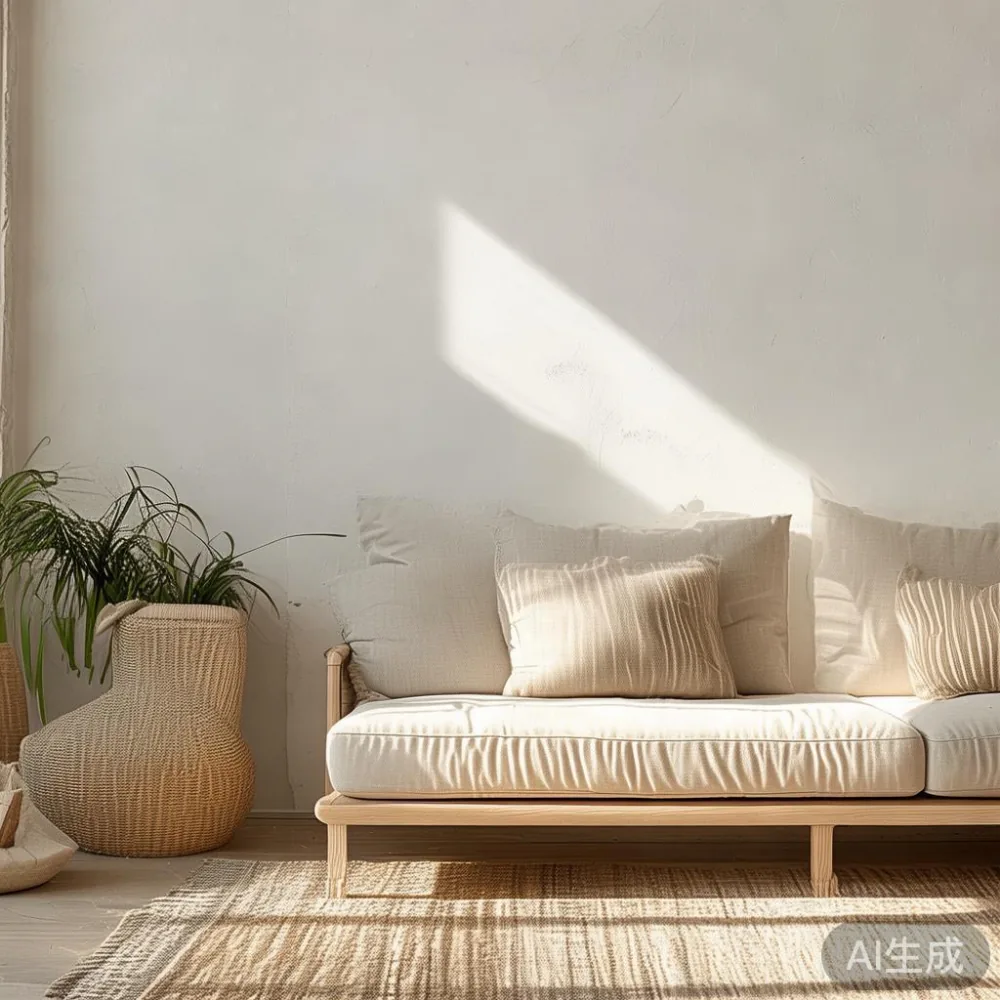
For an outdoor sofa, the timber choice also changes the production method. Teak and other weather-resistant hardwoods may be used for the frame, while slatted seat sections, quick-dry cushions and corrosion-resistant fittings determine whether the product belongs on a balcony. A frame with 80 cm armrests and a 220 cm length will use more wood than a compact 160 cm model with thin arms.
Ask the seller which pieces are solid timber. Legs, rails, seat deck, armrests and back supports should be named individually. “Solid wood construction” alone can conceal particleboard in hidden panels. If the seller cannot provide a material breakdown, treat that uncertainty as part of the price rather than assuming it is included.
Typical residential lift doors in Singapore HDB blocks are often around 80–90 cm wide, although specific blocks vary. A packaged dining table with a 180 cm top may still fit because it can travel upright, but a boxed wardrobe often cannot. The lift depth and turning space at each landing also matter. For condos, loading bays, service lifts and booked delivery windows can add another SGD 80–250.
Why does timber species make such a large price difference?
Timber cost is affected by species, grade, thickness, length, moisture content and yield. A 20 mm-thick top cut from a wide board can cost more per square metre than a 18 mm top cut from smaller sections. Long, defect-free boards are especially valuable because joints and short offcuts waste material.
Oak, ash, walnut, cherry and teak each have different prices and applications. Walnut is often positioned in American light luxury designs, while oak is common in French light luxury and Nordic interiors. French provincial furniture tends to use warmer profiles and decorative details, which can require more machining than a restrained post-modern light luxury design.
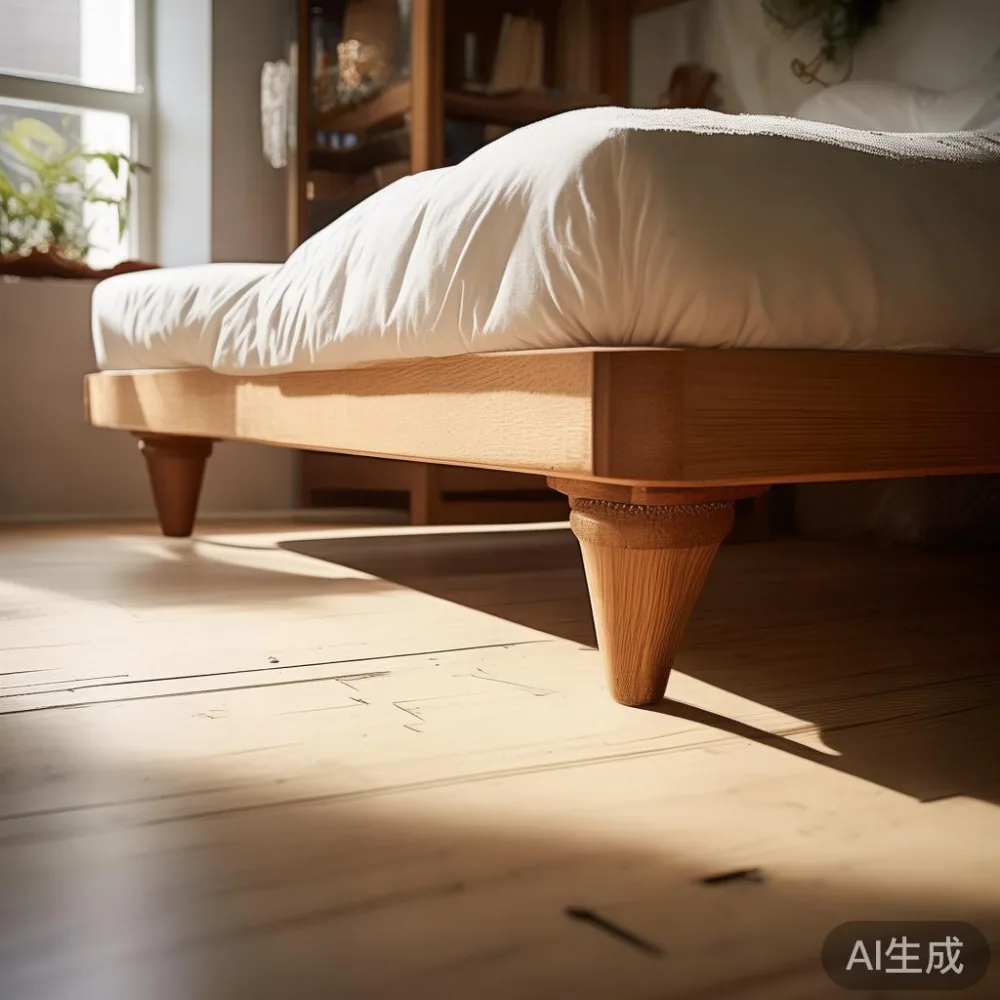
Construction quality is visible in the underside. Look for shoulder joints, mortise-and-tenon joints, dowelled rails or mechanical fasteners placed consistently. Avoid a frame where joints are hidden by oversized brackets. A properly made dining table should remain stable under a 70 kg evenly distributed load; the maker should be able to state the tested load rather than implying capacity from appearance alone.
Wood movement is not a manufacturing fault. Solid timber expands and contracts across its grain as humidity changes. In Singapore’s tropical environment, furniture may move by 2–4 mm across a wide panel during seasonal changes. Good joinery accommodates this movement. Gaps that open by 8–10 mm, warped rails or cracked panels indicate a more serious problem.
What does joinery and precision add to the invoice?
Joinery adds cost because accurate cuts take time, skilled hands and fixtures. Curved legs, carved aprons, shaped backs and hand-rounded edges require templates, sanding and inspection. Square legs and straight rails can be produced more efficiently. That is why two dining tables with identical dimensions and timber can differ by SGD 500–1,400.
One example I tested last month was a 200 cm solid oak dining table during delivery for a client in Bedok. It weighed 74 kg and had through-tenons under the apron. The joints were tighter than a similar-looking sample whose fasteners were driven into end grain. That inspection did not make the heavier table automatically better; it showed why the construction detail deserved a quoted premium.
For an outdoor sofa, precision has added consequences. A slatted frame needs consistent spacing so water can drain and the surface can dry. Upholstered areas require close-fitting covers and reinforced corners. A machine-pressed frame with poor tolerances can move after 3–6 months outdoors. A well-built unit may include 8 mm gaps between deck slats, eased edges, sealed end grain and removable components that can be serviced.
Hardware also matters. Solid wood furniture may use solid brass or steel inserts, but a premium solid wood sofa can still use ordinary hinges if the supplier has not specified upgraded fittings. Compare the actual hinge model, slide load rating, screw count and warranty exclusions—not the word “hardware-grade.”
Why do design details change solid wood furniture prices?
Decorative elements can consume timber and labour. A French provincial dining table with carved edges, shaped aprons and turned legs may require several more hours than a post-modern light luxury table with flat planes and a clean base. A Boho bed frame with a woven headboard may combine solid timber with rope, while a French provincial wardrobe may have framed doors, mouldings and profiled handles.
Some of the most useful phrases in furniture searches are highly specific. Someone asking for the best Italian light luxury bed for 2026 is usually looking beyond the bed frame alone. They may be comparing timber finish, slat spacing, centre support, headboard height and movement systems. Someone searching for designer European light luxury furniture is paying for proportion, detailing and production consistency as well as material.
Dimensions have a direct effect. A 240 cm wardrobe occupies more timber than a 150 cm model. A 120 cm nightstand may need one drawer, while a 90 cm unit with two drawers requires more box components. A marble table adds a separate slab, machining and packaging cost; a 200 × 100 cm marble top can add SGD 900–2,200 before delivery compared with a similarly sized solid timber top.
Finish is another major driver. Sealing, oiling, lacquering or staining can add SGD 120–600 to a dining table or bed frame, depending on the number of coats and the surface area. Dark walnut-toned finishes may also need extra sanding to avoid pale patches. Matte finishes are not automatically more expensive, but multi-layer preparation often costs more than a simple factory finish.
How much should delivery, GST and access add in Singapore?
The showroom or online price may exclude GST. Singapore GST is currently 9%, so a SGD 2,000 before-tax table becomes SGD 2,180 after tax. Some listings show “SGD 2,000” without explaining whether GST is included, making the actual comparison misleading.
Delivery should be itemised. A single dining table delivered to Tampines might cost SGD 90–180 within a standard service zone. A wardrobe delivered to Punggol could cost SGD 140–300 if stairs or a service lift are involved. Bulky items may attract a second-person delivery surcharge, while remote-area or timed-service fees can add SGD 50–150.
Measure before ordering. Record the lift-door width, internal depth, corridor turns, staircase width and the narrowest furniture-access route. Allow a margin of at least 5 cm around a rigid piece during transport. Flat-pack or knock-down construction can reduce freight and corridor problems, but it may require more assembly and tools.
Longer delivery periods can also affect price. A made-to-order wardrobe may take 35–60 days, while a stocked dining table may arrive in 7–14 days. Air freight for a large outdoor sofa can add SGD 400–900 because of its volume and packing. Sea freight is more economical but may take 35–55 days after production, including customs and local handling.
What should a 10-year structural warranty actually cover?
A 10-year structural warranty is meaningful only when its scope is clear. It should define structural failures in the timber frame, joints and load-bearing components. It may exclude finish wear, accidental damage, ordinary seasonal movement, outdoor moisture exposure and unauthorised modifications.
Ask whether the warranty applies to residential use only, whether replacement parts are free, and whether labour is covered. Confirm how a claim is assessed. A seller offering lifetime refinishing is valuable because a solid dining table, wardrobe or bed frame can be restored after years of use; an outdoor sofa may have different limits because its finish and cushions age faster.
MIDHILL states a 10-year structural warranty and lifetime refinishing, established in 2008 and exporting to more than 15 countries. Those are useful checks against a supplier’s claims, but buyers should still confirm the terms for the specific solid wood sofa, bed frame, dining table, wardrobe or nightstand. A warranty is strongest when the seller supplies documented coverage rather than a headline alone.
How do lower-cost categories compare with premium pieces?
The phrase under 2000 Nordic furniture covers many products because “Nordic” describes a visual direction, not a material standard. An oak dining table under SGD 2,000 can still use solid timber, while a cheaper-looking model may rely on veneer over engineered board. Compare the panel edges, back panels, drawer boxes and joint construction.
Similarly, under 2000 Boho furniture can include rattan, engineered timber, metal and mixed upholstery. A solid wood dining table in that range may be well made if it is smaller or simpler, not because the category itself guarantees quality. A coastal for guest room search may produce a white-painted nightstand or compact bed frame; coastal styling does not determine structural performance.
Listings for the top 10 French provincial furniture frequently rank ornate dining sets and carved beds. Rank order is not evidence. Material percentages, dimensions, joinery, finish, load ratings and warranty terms are more useful. For a marble table, check slab thickness—often 10–20 mm for dining use—as well as edge profile and support spacing. A thin 6 mm slab over a long span can crack.
What questions should I ask before paying?
Ask for the material map, dimensions, net weight, timber species, finish type, joint method, load rating, delivery lead time and warranty document. For an outdoor sofa, request drainage details, cushion composition, fabric treatment, frame timber, connector corrosion resistance and covered-storage guidance. For a dining table, ask for extension dimensions and whether leaves are solid timber. For a wardrobe, check internal drawer and hanging dimensions.
Compare the final delivered, GST-inclusive figure, not just the product price. Look at a sample in person if possible. Sit on the outdoor sofa, open every drawer, inspect the table underside and check whether doors align. Last month I visited a supplier workshop in the Foshan factory area and watched a bed frame’s joints and finish being checked at final assembly; the inspection stage materially affected the finished product’s price.
Return terms matter too. A 14-day return policy provides time to inspect scale, finish and fit, although assembled or customised items may have conditions. Confirm whether return freight is paid by buyer or seller, who arranges collection, and how many days transport takes after the item is collected.
The final price is rational when you can identify its source: more timber, tighter joinery, better hardware, elaborate machining, a stronger finish, insured freight or a longer warranty. It is harder to justify when the listing says “solid wood,” “European style” and “premium quality” but omits dimensions and construction. Read the specifications, add GST and access costs, and judge the piece you will live with—not the label attached to it.