How to Style a Small Apartment Without Making It Feel Crowded
A compact HDB flat or condo in Tampines, Bedok or Punggol can feel more spacious when furniture is proportioned to the room, positioned to preserve clear walking routes, and selected for visual lightness. The goal is not to fill every wall. It is to create distinct zones with enough breathing room for daily life, including a place to sit, work, eat and receive guests.
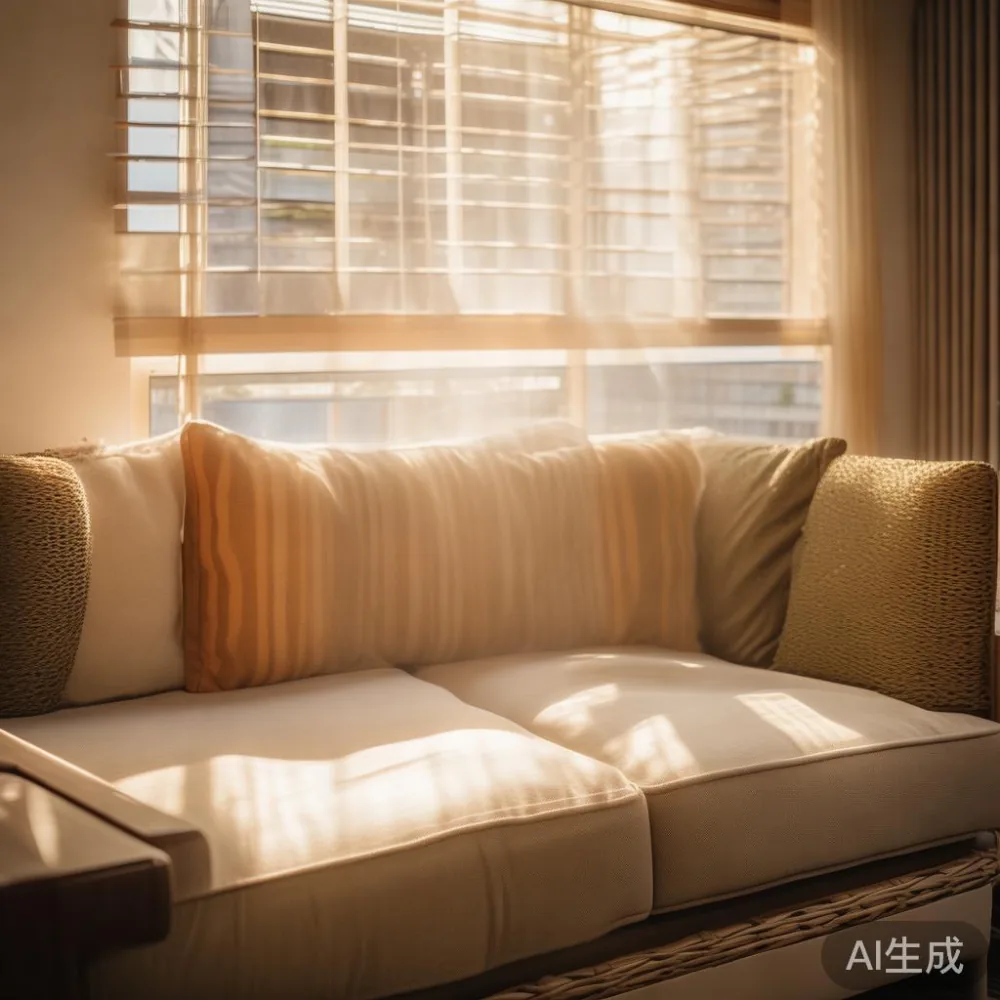
For Singapore homes, one common mistake is treating a 3-room or compact 4-room flat like a show apartment. A large sectional may look impressive in a catalogue, yet it can reduce a living room to a single furniture zone and block the path from the entrance to the balcony. A 180 cm solid wood sofa, for example, can provide generous seating while leaving 75–90 cm beside it for circulation. This guide explains how to plan the layout, mix outdoor-rated pieces with indoor furniture, and use restrained finishes to make a small apartment feel composed rather than crowded.
MIDHILL designs solid wood furniture for practical homes, including outdoor sofa collections suited to sheltered balconies and Singapore’s humid conditions. Because even a small apartment needs useful surfaces, the same disciplined approach can support a dining table, bed frame, wardrobe, nightstand or marble table without allowing the interiors to become visually heavy.
How can I style a small Singapore apartment without making it feel crowded?
Begin with clearances rather than décor. In an HDB living room, keep a continuous route of at least 75 cm from the lift entrance to the main seating area, and around 90 cm beside a dining table where people need to pull out chairs. A common B2 unit in Tampines may have a living room measuring roughly 28–35 sqm, so the furniture footprint matters more than the number of pieces.
Measure the room from floor to skirting and record the lift door width before ordering a large item. Most Singapore residential lifts have an internal depth of about 110–140 cm and a door width of roughly 80–90 cm, although older blocks and newer condos vary. A sofa box wider than 90 cm may still enter if it can be angled, but a packed solid wood frame or marble table top may not. Request the outermost dimensions, not just the usable seat width.
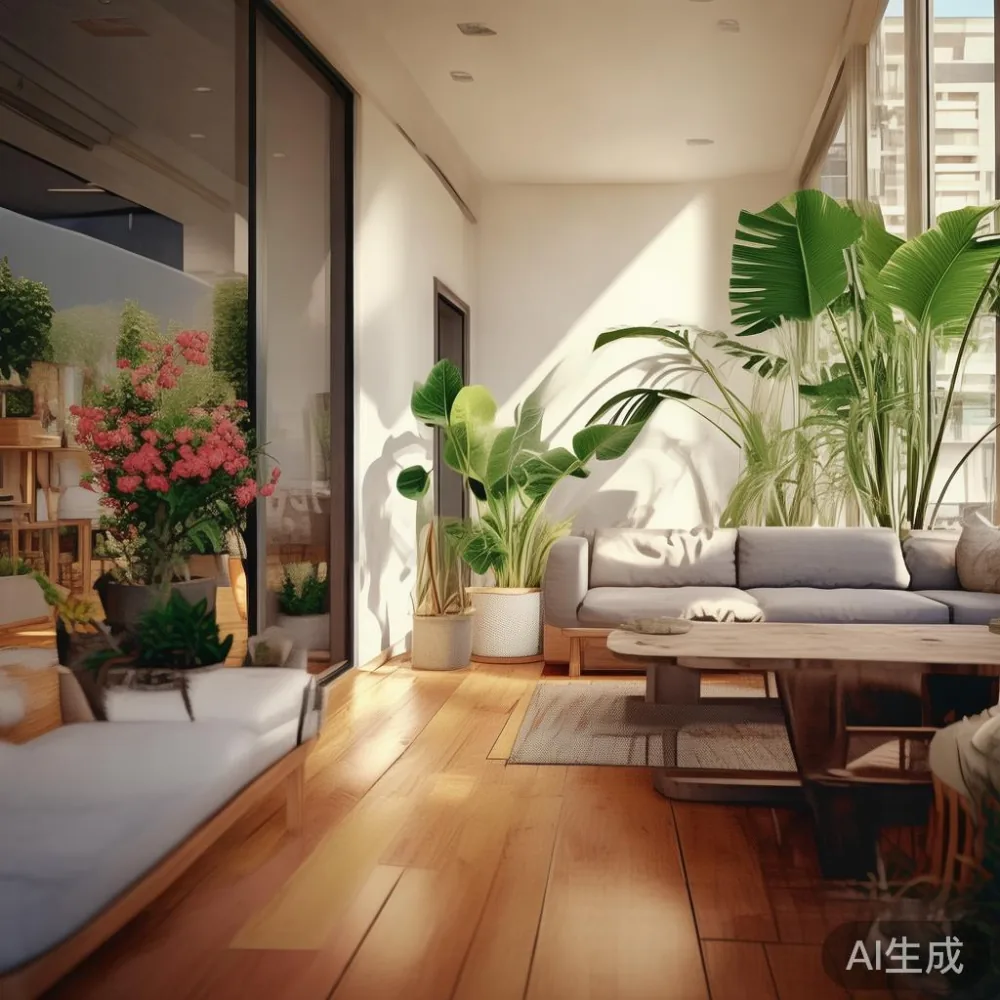
Use the 1.5-metre planning rule: leave about 150 cm between the main seating group and the television wall, dining zone or balcony doors. This creates space for legs, trays and movement without making the room look sparse. For a compact flat, one 180 cm sofa, 2–3 lightweight chairs and a 90 cm side table may be sufficient. A smaller 150 cm sofa can work if the room is under 25 sqm.
Choose furniture that establishes zones with low visual barriers. A sofa with a height below 85 cm and a slim frame preserves sightlines, while a rug with a defined edge anchors the seating without covering the entire floor. Curtains hung close to the ceiling can make a 240 cm wall appear taller; a short curtain ending just below the window can make the same wall look compressed.
Light also controls density. Replace one heavy ceiling fitting with 2–3 lamps at different heights, such as a 40–60 cm table lamp and a slim floor lamp. The result is layered illumination and fewer dark corners. In a condo with large windows, sheer curtains can soften afternoon glare without requiring heavy blackout fabric across the entire room.
Which outdoor sofa works on a small HDB balcony?
An outdoor sofa is particularly useful in Singapore because the balcony can become an extension of the living room rather than a storage corner. For most HDB balconies, a 120–160 cm outdoor sofa is more manageable than a 200–240 cm model. Leave at least 45–60 cm between the sofa and balcony rail or side wall, and check whether the apartment’s building rules restrict moving furniture outdoors.
For a typical 4–7 sqm HDB balcony, consider a 140 cm outdoor sofa with a 65–75 cm depth. Confirm that the listed dimensions include the frame, armrests and any protective packaging. Also check the product weight: a compact piece around 45–70 kg will be easier for 2 people to carry through a corridor and lift than a model exceeding 90 kg. A doorway of 85 cm and a turning corridor can make weight as important as width.
Material selection matters in a humid, rain-exposed balcony. Teak, solid wood frames finished for outdoor use, and weather-resistant upholstery offer different levels of maintenance. Ask for the exact finish, expected colour change and care instructions. Singapore’s high humidity, UV exposure and monsoon rain can affect untreated timber. If the balcony is fully open and receives direct rain, use a covered outdoor sofa and keep susceptible furniture under the housing.
Do not assume an outdoor sofa should dominate the living room. Place it on the balcony, then let the indoor seating carry the room’s main visual weight. A 160 cm outdoor sofa, a 90 cm bistro table and 2 folding chairs can turn a small balcony into a useful reading or conversation area without crowding the interior. In Punggol, where many new condos have compact balconies, a narrow 120 cm outdoor sofa may be the more practical choice.
Allow for drainage and cleaning. Keep timber feet at least 5–10 cm above the balcony surface where permitted, and avoid trapping moisture against a wall. Wipe the frame every 2–4 weeks, check fittings quarterly and rinse or brush the surface after heavy rain. If a removable cushion gets wet, dry it in shade rather than directly under strong afternoon sun.
How do I choose furniture that suits both HDB flats and condos?
Start with the home’s architecture. Older HDB flats often have compact rooms, practical layouts and limited storage, while newer condos may include higher ceilings, larger glazing and integrated appliances. A light-luxury treatment can suit both when it relies on proportion, texture and craftsmanship rather than oversized forms. French light luxury is useful here: think pale upholstery, slender profiles, restrained timber and small reflective accents rather than ornate decoration.
For the living room, choose a solid wood sofa between 160 and 190 cm for most 3-room and 4-room HDB homes. Look for seat height around 42–46 cm, a seat depth of 52–58 cm and armrests no wider than 18–22 cm each. These dimensions allow adults to sit comfortably while preserving circulation space. A low back below 80 cm will also keep the room open, although a person who wants more support should check the actual seat firmness.
Coordinate pieces through shared materials rather than matching everything. For example, pair an oak-toned solid wood sofa frame with a pale wall, a dark ceramic lamp and woven baskets. If a marble table is included, make it the compact focal point: a 70–90 cm round top or a 100–120 cm narrow rectangular top is easier to move than a 140 cm slab. Marble adds a cool, post-modern light luxury accent while a solid wood dining table introduces warmth.
In the bedroom, the search for how to style light luxury sofa in bedroom should begin with function. If the room is under 9 sqm, an occasional chair may be less disruptive than a second sofa. A light luxury accent chair with a slender frame can serve as a dressing chair beside a 45–60 cm nightstand, but it should not obstruct a wardrobe door. Leave at least 60 cm in front of the wardrobe for opening and 45 cm beside the bed where possible.
Storage should disappear into the architecture. Full-height wardrobes can look heavy in a low-ceiling room, while a wall of closed cabinetry with flush handles creates a calmer plane. When comparing a Japanese bed vs Japandi bed for a small bedroom, consider delivery, ventilation and the floor area around the frame. A Japandi-inspired platform may suit a quiet, uncluttered room, while a Japanese-style bed prioritising compact storage can work where clearance is limited.
What is the best way to mix solid wood and light-luxury pieces?
Use one material as the visual anchor and others as support. If the living room has a solid wood sofa, keep the dining table simple and introduce texture through one marble table, one woven rug and 2–3 ceramics. If the dining area has a marble table, select the bed frame and nightstand in a similar warm timber tone. Repetition across the home creates cohesion without making every item look identical.
Limit the main visible timber tones to 2, and neutral colours to 3 within one open-plan zone. For example, warm oak, charcoal and oat white could form the palette, with one muted olive or rust textile. American light luxury tends toward comfortable proportions and relaxed materials, which can make a compact sofa feel less formal. Keep cushions to 3–5 large pieces rather than many small ones; each extra cushion adds visual clutter and occupies usable seat width.
Scales are more useful than trends. A 40 cm diameter side table works beside a 180 cm sofa, while a 55–65 cm table works beside a 140–160 cm loveseat. Table height should be within 3–5 cm of the sofa arm for easy placement of a drink. A round dining table of 100–120 cm diameter can seat 4 with approximately 60 cm per person when the walls allow, although rectangular models may fit a narrow dining zone more efficiently.
In the dining area, calculate clearance before choosing the table. Leave 90 cm between the table edge and a wall for chair pull-out and movement. A 140 cm dining table may seat 4 at about 55–60 cm each, but it should not sit in a 200 cm wide room with a sideboard on the opposite wall. A 120 cm table may require narrower chairs, so check the full chair width as well as the table top.
For a guest room, Minimalist for guest room styling means fewer objects but better ones: a 100–120 cm bed frame or compact daybed, one nightstand, a wall light and 1 flexible table. A guest room wardrobe can be closed to reduce visual noise, while an Italian light luxury wardrobe can bring refined joinery, soft-close doors and a full-height mirror without excess decoration. Confirm the internal drawer and hanging dimensions rather than relying on the exterior appearance.
How do I compare European sofa vs Italian light luxury sofa for a compact room?
Both terms describe broad design approaches, so the practical difference is often construction, detailing and dimensions. A European sofa may emphasize clean geometry, balanced proportions and restrained colour. An Italian light luxury sofa may feature more refined upholstery, sculptural arms or detailed stitching. In a small apartment, craftsmanship should support comfort and fit rather than create an oversized centrepiece.
Measure the intended wall and the delivery route. A sofa may be listed as 200 cm wide but have a 205–215 cm packaged size, and a rigid frame may not survive being compressed through an HDB lift door. Request the packaging dimensions, weight and assembly method. For example, a sofa weighing 65 kg may be manageable with 2 people, whereas a 95 kg model requires careful planning around the lift, corridor turns and stair access.
Test the proportions in the room using painter’s tape. Mark a 180 cm outline and view it from the lift entrance. This reveals whether the sofa crowds the balcony doors or blocks the television. Add a 5 cm margin on each side. The eye interprets tight gaps as crowded even when the minimum 75 cm circulation route remains technically clear.
Consider seat comfort with the room’s clearances. A deep seat of 60–62 cm suits relaxation, but it projects further into the room and requires more space for a person to stand. A 52–57 cm seat is easier to use in a compact flat. Check the cushion density, frame material and removable cover. If children or elderly relatives use the sofa frequently, firm support and a manageable seat height may matter more than a particularly soft fill.
Furniture delivery in Singapore commonly takes 7–14 working days for in-stock items, while custom finishes or made-to-order pieces can require 4–8 weeks. A 10-year structural warranty gives useful reassurance, but care terms should be read carefully. Outdoor and indoor pieces have different exposure conditions, so confirm whether the warranty covers structural components rather than UV fading, surface wear or moisture-related changes.
What should I do before ordering furniture for a small apartment?
Create a scaled floor plan before spending on a large item. Record the room length, width, ceiling height, skirting, doors, sockets and air-conditioner position. Sketch the sofa, table and circulation paths at actual scale. This is more informative than browsing 20 images, and it can prevent a common mistake: allowing a coffee table to occupy the only open route between the sofa and dining area.
Plan delivery day as well as the furniture. Confirm the lift booking, parking zone and corridor turning radius. For a standard residential lift, provide the internal door width and depth, plus the largest diagonal measurement of the packaged item. Corridor widths in many HDB blocks are around 120–180 cm, but refuse alcoves and fire doors can reduce the usable route.
Budget beyond the listed price. Add GST at the prevailing Singapore rate, delivery charges if they apply, and 5–10% for assembly or extra accessories. For a local purchase, GST is generally added at checkout when the seller is GST-registered. An outdoor sofa around SGD 1,200–2,800 may be paired with a compact marble table at SGD 350–900 and a solid wood dining table at SGD 700–1,600, depending on size and finish. These ranges help reserve 10–15% of the furnishing budget for delivery and contingencies.
Check return arrangements in writing. A 14-day return period offers room to assess dimensions, comfort and delivery access, but the condition of the item and any return freight should be confirmed. A solid wood piece may need time for its finish to settle after transit; photograph the packaging and furniture on arrival, noting any damage within the stated inspection period.
After delivery, preserve the uncluttered effect by limiting what remains visible. Use closed baskets for loose items, wall-mounted storage for books, and one tray for daily objects. A 150–200 cm rug can define the seating zone without adding more furniture. Avoid stacking décor against every wall; empty surfaces are an important part of the light-luxury look.
Can a small apartment still have a luxurious feel?
Yes, if luxury comes from materials, proportion and service rather than sheer quantity. A carefully fitted solid wood sofa, a compact outdoor sofa on the balcony and a few coordinated pieces can create a layered home without making the main rooms feel blocked. Light luxury works best when there is breathing room around each item and a practical reason for every object.
For a compact home in Bedok, Tampines or Punggol, the sequence can be simple: measure the lift and room, choose a 160–180 cm indoor sofa, place a compact outdoor sofa on the balcony, and use a round or narrow table for circulation. Add a solid wood dining table where family meals require it, then use closed storage to absorb visual clutter. The result should still feel personal after the boxes are removed, not like a catalogue layout.
That sense of calm is worth protecting. Keep at least one surface, one corner and one clear path free. Those small allowances make it easier to move, clean and use the apartment each day, while giving each material and silhouette the space to be noticed.