Humidity, Heat, and Your Outdoor Sofa: A Foshan Furniture Specialist's Perspective
Singapore's climate is a defining feature of daily life. The relentless sun, the sudden downpours, and the ever-present humidity are not just weather conditions; they are an environmental constant that shapes everything from architecture to fashion. For residents of HDB flats in Tampines or condos in Punggol, this environment extends into the home and onto the balcony, where a cherished piece of furniture must withstand a unique set of challenges. As a specialist with a decade of experience working with solid wood furniture from a Foshan-based manufacturer established in 2008, I've seen firsthand how Southeast Asia's humidity can affect everything from a dining table to an outdoor sofa. This article explores the science, the solutions, and what you need to know to make a lasting investment in your home.

What Does 85% Humidity Actually Do to Solid Wood?
To understand the impact, we must first grasp the nature of wood. Solid wood is a hygroscopic material, meaning it naturally absorbs and releases moisture from the air. Think of it like a living organism, albeit a very slow one. In Singapore, the average relative humidity hovers around 80-85%, often spiking to 90% or more during the Northeast Monsoon season from December to March. This constant exposure to moisture has a predictable effect on wooden furniture.
When wood absorbs moisture, its fibres expand. This expansion isn't uniform; it's most pronounced across the grain. A solid wood dining table that is 180 cm long might expand by as much as 1.5 cm in width during the wet season. For an outdoor sofa made of solid wood components, this movement can be more pronounced. If the wood isn't properly prepared, this expansion can lead to a range of problems. You might notice small cracks appearing, known as 'checking', as the surface dries faster than the core. Or, in a more severe case, the wood can warp, causing a flat surface like a tabletop or a seat slat to bow or twist. My colleague in our quality control department in Foshan recently showed me a sample of untreated teak that had been placed in a humidity chamber. After 30 days at 90% humidity, the 50 cm square panel had warped by over 5 mm at its corners. It was a clear visual demonstration of the forces at play.
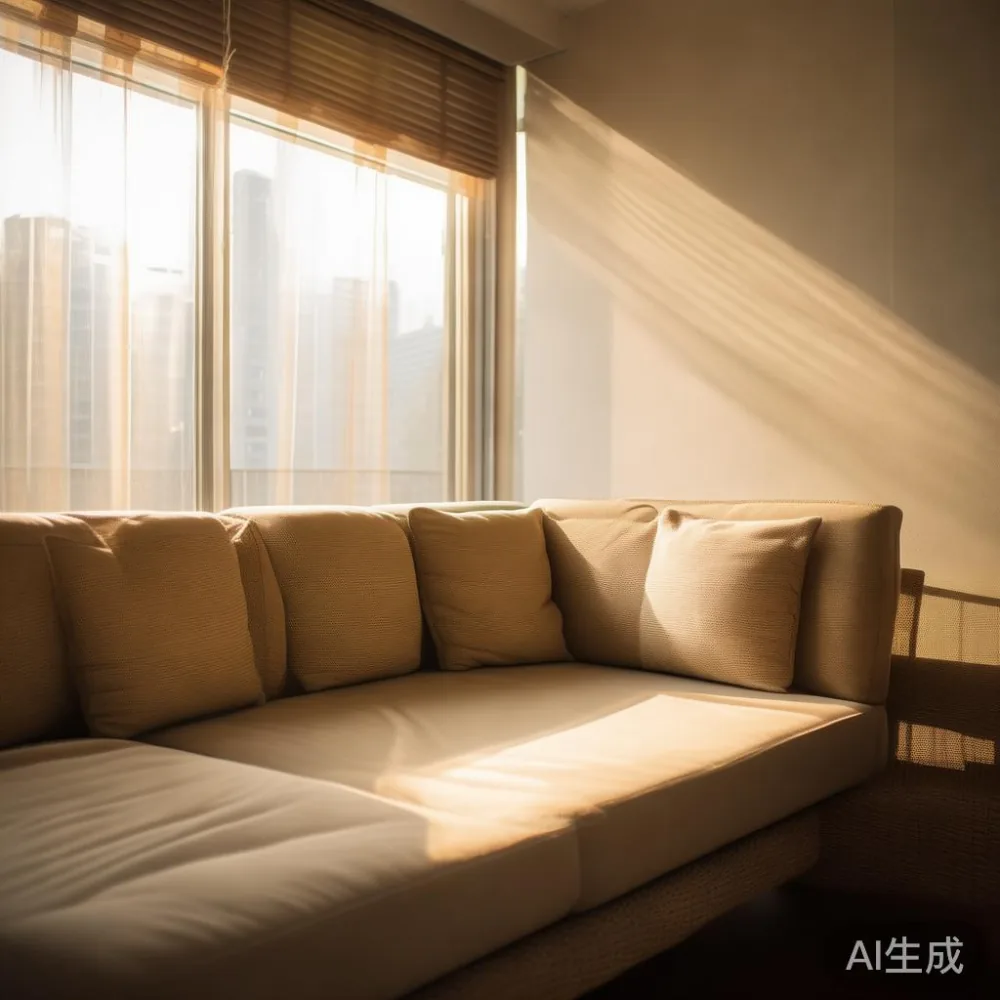
Why Singapore's Climate is Unique for Wood Furniture
Singapore's humidity isn't just high; it's persistent and coupled with high temperatures. This combination creates a perfect storm for potential damage. Unlike temperate climates where humidity fluctuates dramatically between seasons, Singapore offers wood little respite. This constant state of saturation means the wood is always trying to reach equilibrium with its environment.
Consider the environment inside an HDB flat versus a condo. In a Bedok HDB flat, the lift and corridor widths are standardised, but the interior space can become very warm and humid, especially with multiple occupants and the use of appliances. Air conditioning helps, but it creates micro-climates. The area near a window or balcony door will experience higher humidity levels. For a solid wood bed frame placed against an external wall, this can lead to uneven moisture distribution. The wall-facing side may absorb more moisture than the side facing the air-conditioned living room, causing the frame to twist over time. This is why understanding your specific living conditions is as important as understanding the furniture itself. The challenge is to find furniture that can maintain its integrity in this demanding environment without requiring constant intervention.
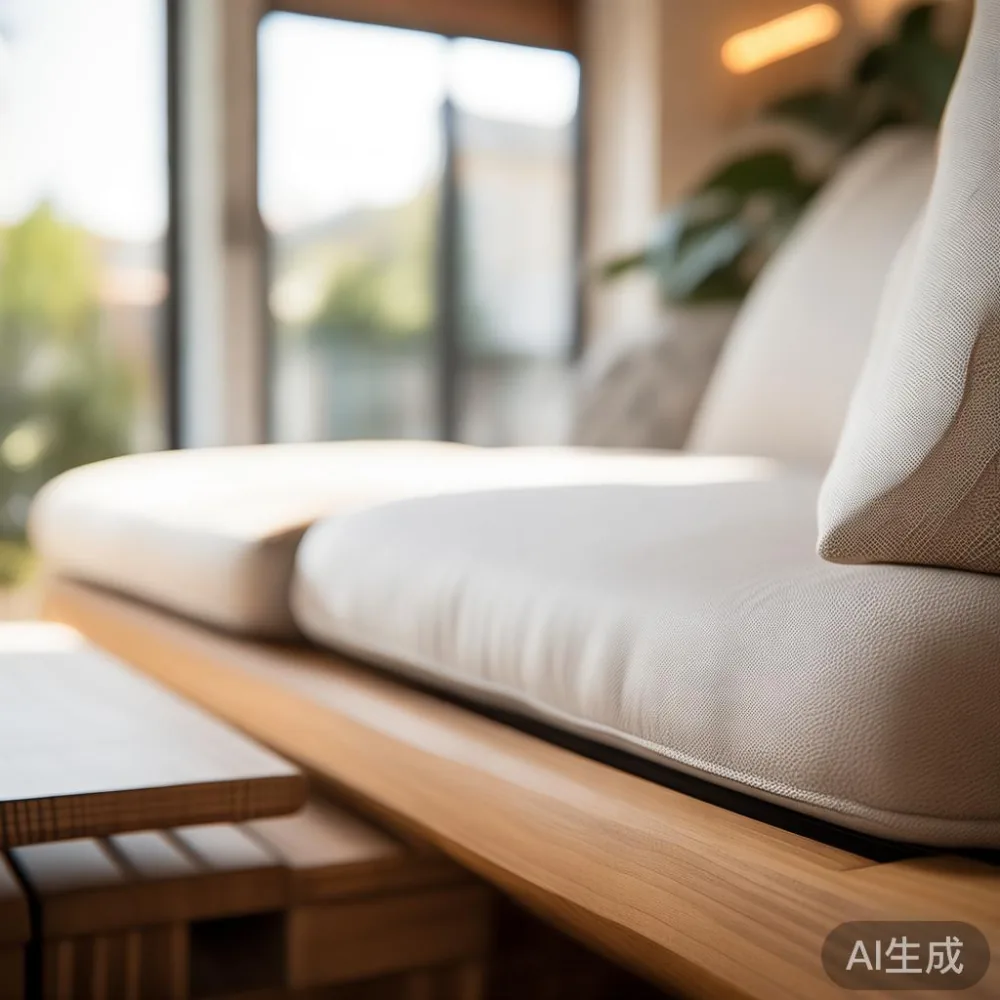
How to Choose an Outdoor Sofa Built for Singapore's Humidity
When selecting an outdoor sofa for your Singaporean home, the material and construction are paramount. Not all wood is created equal, and not all construction techniques can withstand the local climate. The key is to look for woods that are naturally dense and rich in oils, as these properties make them more resistant to moisture absorption.
Teak is a classic choice for an outdoor sofa. It originates from Southeast Asia and has evolved to handle these exact conditions. Its high oil content acts as a natural water repellent, and its tight grain makes it difficult for water to penetrate. A well-constructed teak outdoor sofa will not only resist warping but will also develop a beautiful, silvery-grey patina over time if left untreated, which many homeowners find desirable. Alternatively, Shorea wood is another excellent option, often considered a more affordable cousin to teak with similar durability characteristics.
Equally important is the construction method. A high-quality outdoor sofa will use mortise and tenon joints or dovetail joints. These interlocking mechanical connections are far superior to simple screws or nails, which can loosen as the wood expands and contracts. The finish is also critical. A UV-protective, marine-grade varnish or sealant can add an extra layer of defence, shielding the wood from both the sun's rays and rain. For those who prefer the aesthetic of French light luxury, look for an outdoor sofa with clean lines and elegant proportions, finished in a light, natural wood tone that complements the tropical surroundings without looking out of place. The goal is a piece that is both beautiful and resilient.
Is an Outdoor Sofa Really the Best Choice for a Singaporean Balcony?
This is a question I hear frequently from clients in Singapore's dense urban landscape. With space at a premium, every square centimetre counts. An outdoor sofa, especially a solid wood one, can seem like a significant commitment. The answer, however, is nuanced. For many, a balcony is an extension of the living room—a private oasis to relax after a long day. In this context, a well-chosen outdoor sofa is not just furniture; it's a lifestyle investment.
The primary advantage of a solid wood outdoor sofa is its durability and longevity. Unlike rattan, which can become brittle and crack under intense UV exposure, or metal, which can get uncomfortably hot and rust, a properly maintained wood sofa can last for decades. This long-term value is significant when you consider the cost of replacing cheaper furniture every few years. Also, the aesthetic appeal of solid wood is timeless. It brings a sense of warmth and natural texture to a concrete and steel environment. For a condo in Punggol with a modern, minimalist design, a post-modern light luxury outdoor sofa in a dark walnut finish can create a stunning contrast, turning a simple balcony into a sophisticated retreat.
The key is to be realistic about your space and usage. Measure your balcony width carefully, factoring in the space needed to walk around the sofa. A standard three-seater outdoor sofa is typically 180-210 cm wide. Ensure you have at least 60 cm of clearance on all sides for comfortable movement. If your balcony is too small, consider a two-seater or a bench with a small marble table instead. The decision to invest in an outdoor sofa comes down to whether you see your balcony as purely functional storage or as a important part of your home to be enjoyed.
Maintenance Myths: Keeping Your Wood Furniture Looking New
A common misconception about solid wood furniture in humid climates is that it requires an enormous amount of upkeep. This fear often deters people from making the purchase. The reality is that with the right materials and a simple, consistent maintenance routine, caring for your furniture is straightforward and not overly time-consuming.
For an outdoor sofa, the maintenance routine is seasonal. At the start of the dry season (around May), a thorough cleaning is recommended. Use a soft brush or cloth to remove any surface dust and dirt. For teak, you can use a dedicated teak cleaner to remove any grey patina if you wish to restore the original golden colour. After cleaning, allow the wood to dry completely. Once dry, apply a high-quality teak oil or sealant. This process should be repeated once or twice a year. The oil penetrates the wood, replenishing its natural oils and enhancing its water resistance. For indoor pieces like a solid wood bed frame or dining table, the routine is simpler. Regular dusting with a slightly damp cloth is usually sufficient. If you live in an area with particularly high humidity, using a dehumidifier in the bedroom can help protect your wardrobe and nightstand from excessive moisture.
It's also wise to be mindful of placement. Avoid placing solid wood furniture directly in front of an air conditioning vent, as the rapid change in temperature and humidity can cause the wood to dry out too quickly. Similarly, don't let potted plants with drainage trays sit directly on the surface of a dining table or marble table, as the constant moisture can leave stains or damage the finish. Simple habits like using coasters for drinks and placemats for hot dishes will preserve the beauty of your furniture for years to come. A 10-year structural warranty, which is offered by some manufacturers, provides peace of mind, but proper care is what truly extends the life of a piece.
Understanding the True Cost of Quality Furniture in Singapore
When shopping for furniture in Singapore, price is always a factor. The Goods and Services Tax (GST) of 9% is applied to all purchases, so it's important to factor this into your budget. A solid wood outdoor sofa might seem expensive at first glance, with prices starting from around SGD 2,500 for a three-seater set. However, it's important to look beyond the initial price tag and consider the total cost of ownership.
Cheaper alternatives, like plastic or particleboard furniture, may cost a fraction of the price—perhaps SGD 500 for a set. However, their lifespan in the Singaporean climate is drastically shorter. Plastic can become brittle and fade within 2-3 years, while particleboard will swell, warp, and disintegrate when exposed to even small amounts of moisture. This means you would need to replace it multiple times over a decade, incurring the cost of new furniture each time, plus the hassle of disposal and re-purchasing. When you add the GST to each of these purchases, the long-term cost can easily surpass that of a single, high-quality solid wood piece.
Also, consider the value of your time and peace of mind. Constantly worrying about your furniture, covering it during rain, or replacing broken parts is a hidden cost. A well-made outdoor sofa is an investment in your comfort and your home. It holds its value better and can even become a cherished part of your home's story. For those exploring styles like American light luxury, a substantial solid wood dining table becomes the centrepiece of family gatherings, an object that is both beautiful and built to last through generations. The question is not whether quality furniture is worth the price, but whether the alternative truly saves you money in the long run.
What About Shipping and Returns? The Practicalities of Online Furniture Shopping
In the digital age, buying furniture online is increasingly common, but it comes with its own set of logistical questions, especially for large, heavy items like a solid wood outdoor sofa. How does it get to your Tampines or Bedok HDB flat? What happens if it's not the right fit or arrives with damage? Understanding the retailer's policy on shipping and returns is a critical step in the purchasing process.
Reputable furniture brands understand these concerns and have policies in place to make the process smooth. For example, many offer free shipping for orders above a certain value, such as SGD 350. This is a significant benefit, as delivery charges for a sofa and a marble table can otherwise be substantial, sometimes costing SGD 150 or more. The delivery itself should be handled professionally. A standard delivery might take 7-14 business days from the order date. The delivery team should be able to bring the item into your home and place it in the room of your choice, not just leave it at the corridor. They should also be equipped to handle the tight spaces of Singaporean apartments, including working through standard lift widths and doorways.
The return policy is equally important. Life is unpredictable, and sometimes a piece of furniture that looked perfect online doesn't work in your space. A 14-day return policy gives you a reasonable window to make this decision. The process should be clearly outlined: contact customer service, schedule a pickup, and receive a refund. Some retailers may even offer a free return if the item is in its original condition. This level of service removes much of the risk associated with online shopping. When you're investing in a piece of MIDHILL furniture or any other high-quality brand, you want the entire experience, from purchase to delivery, to be as stress-free as the furniture itself is durable.
Final Thoughts: Creating a Home That Endures
Living in Singapore means living in harmony with a unique and powerful environment. Our homes are sanctuaries from the heat and humidity, and the furniture we choose should reflect a desire for comfort, beauty, and resilience. An outdoor sofa is more than just a place to sit; it's a platform for memories, a spot to watch the sunset from your Punggol condo, or a quiet corner to read a book on a Sunday morning.
By understanding how humidity affects wood and choosing pieces designed to withstand it, you are making a wise investment. You are selecting furniture that will not only look beautiful today but will continue to do so for years to come. The natural character of solid wood, with its subtle grain and ability to age gracefully, adds a layer of warmth and authenticity to any space. It’s a choice that prioritises quality over fleeting trends, substance over style. Whether you're furnishing a small HDB flat or a spacious condo, the right furniture can transform a house into a home that truly endures the test of time and climate.