Outdoor Sofa Price Drivers: Solid Wood Truths
Solid wood furniture can cost SGD 1,290 for a dining table and SGD 8,900 for a large wardrobe, yet the difference is not simply “good wood versus bad wood.” Price is shaped by timber species, dimensions, joinery, finish, hardware, design, production volume and delivery logistics. For Singapore homes, even a 12 cm corridor gap and a 210 cm lift doorway can affect the quoted total.
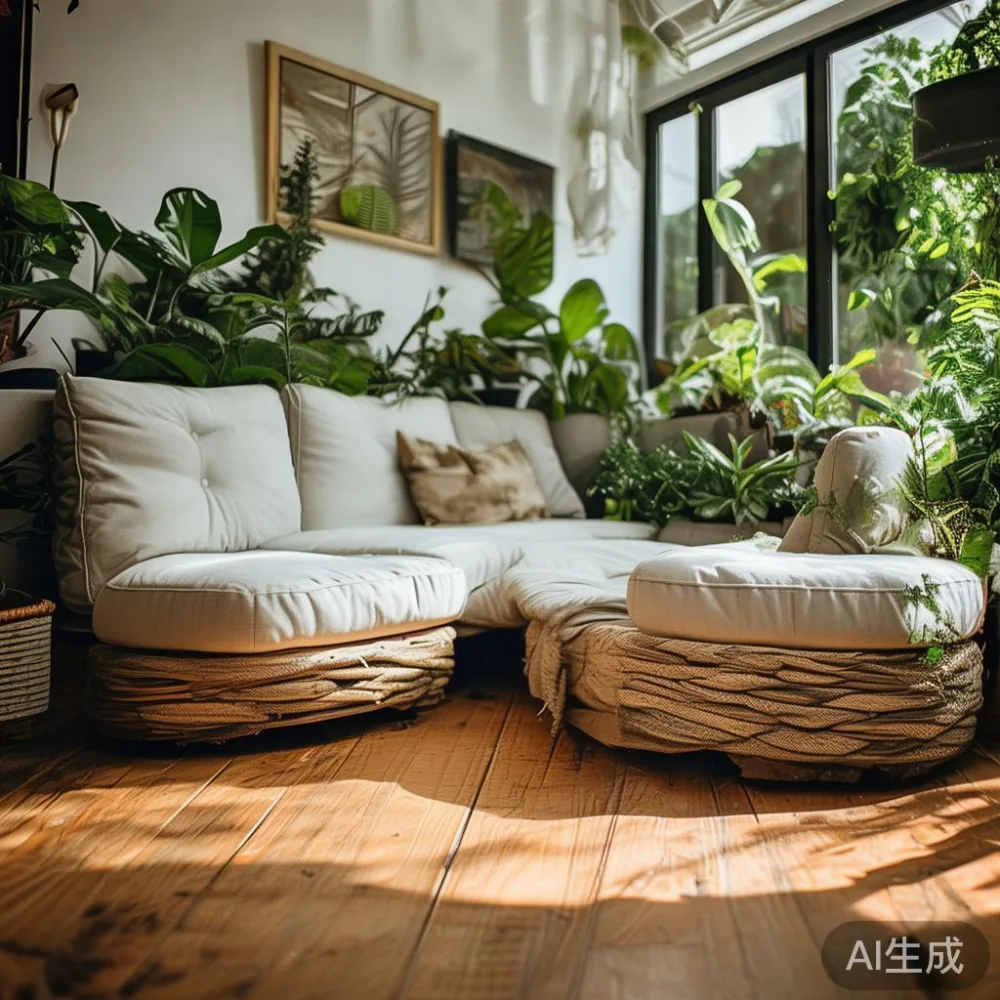
This guide explains each cost driver using familiar products such as a solid wood sofa, bed frame, dining table, wardrobe, nightstand and marble table. It also considers how outdoor sofa design is priced, because weather resistance, cushioning and frame engineering add measurable costs. MIDHILL was established in 2008, exports to more than 15 countries and backs its furniture with a 10-year structural warranty.
What is the difference between solid wood and engineered wood?
The starting price of a dining table is often the timber itself. Solid hardwood—such as oak, ash, teak or walnut—contains real wood throughout the board. A 200 cm by 100 cm dining table may require roughly 0.20 square metres of surface area, but the actual yield is lower because knots, grain changes and cutting waste consume 20–35 percent of the original log.
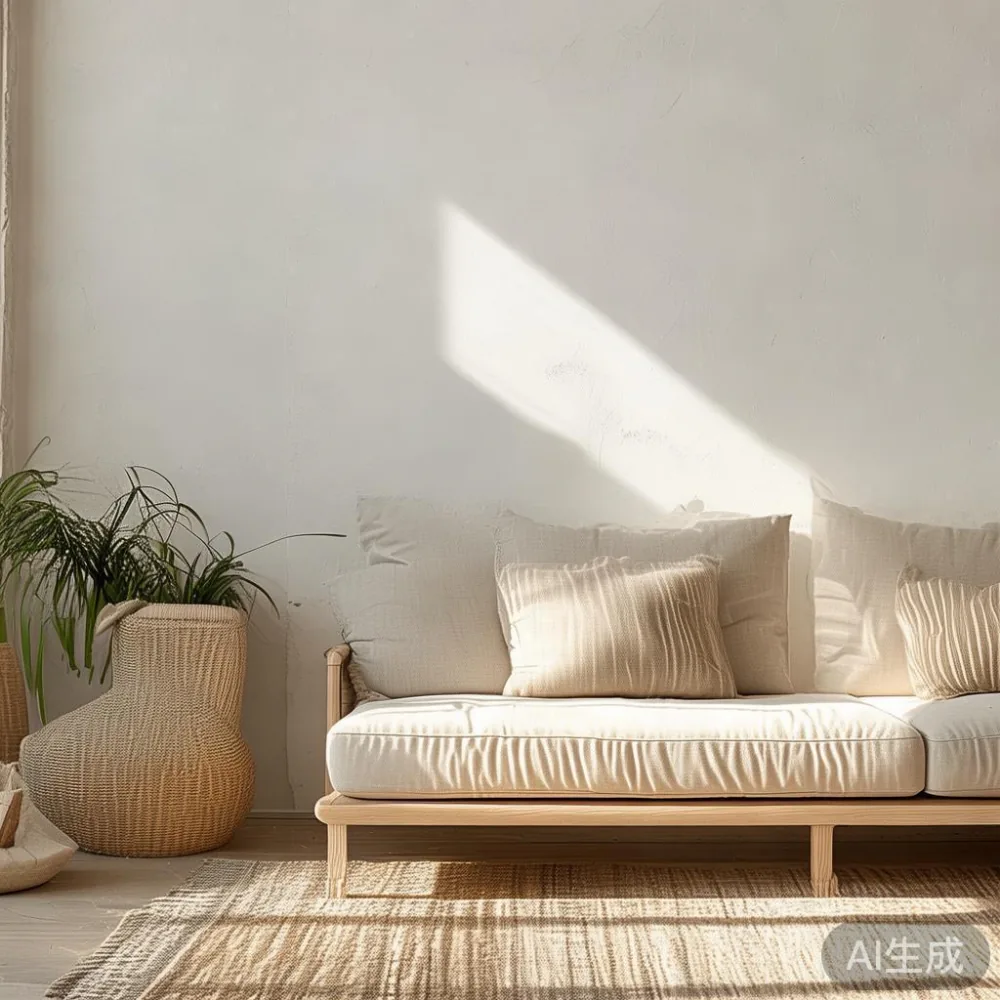
That yield matters. A 4 cm-thick solid oak top uses much more timber than a 2 cm veneer panel. Veneered furniture can use a thinner core with a thin decorative wood layer, which reduces material consumption. It may also be dimensionally stable and visually consistent. Neither construction is automatically preferable: solid wood suits buyers who value repairability and natural variation, while engineered wood can suit tighter budgets and repeated moving.
Species create another price spread. Teak used outdoors may carry a premium because of natural oil content and weather performance. Oak and ash sit in the middle for many dining table projects, while walnut often commands more because of scarcity and figure. The label “solid wood” alone does not tell you the species, grade, moisture treatment or board thickness.
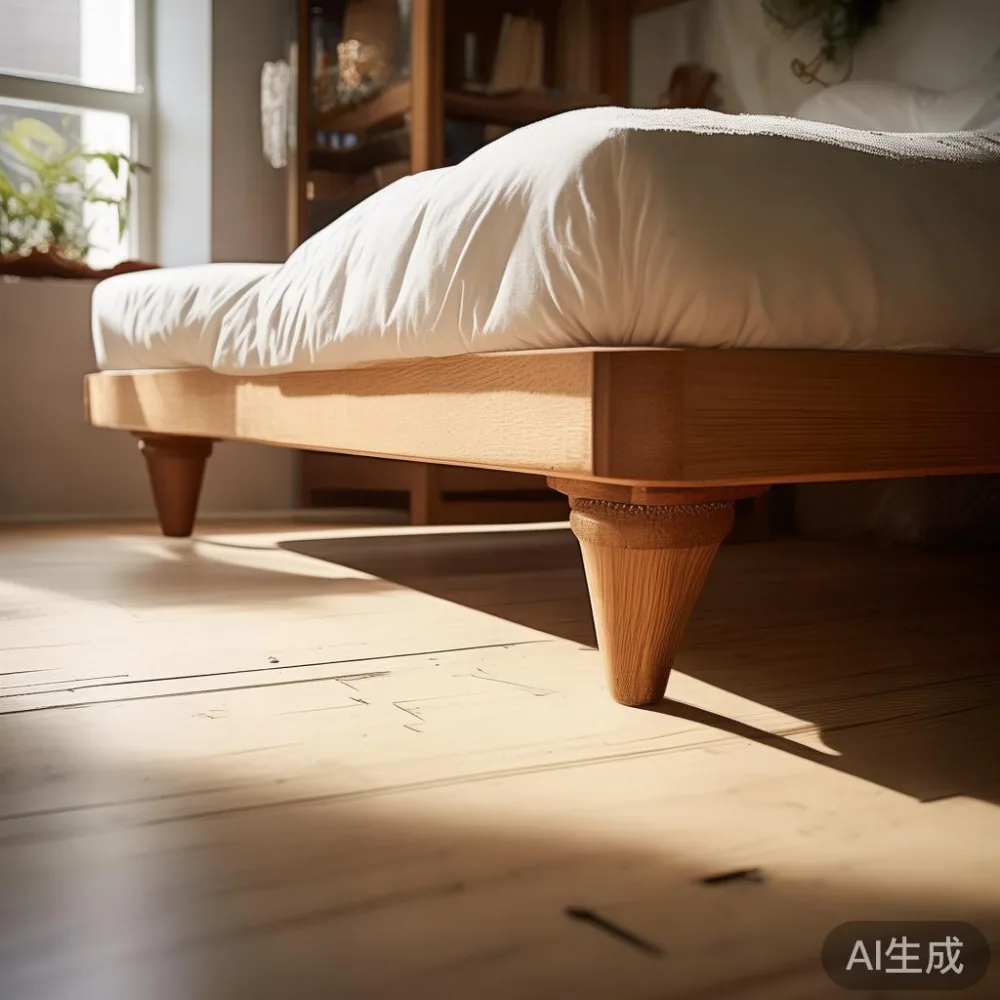
Ask for the board dimensions, timber species and expected moisture content. A well-made solid wood sofa should use a load-bearing hardwood frame, typically around 2.5–4 cm in major rails. A wardrobe with 18–25 mm shelves and a dining table with a 3–4 cm top will usually require more material than lower-weight versions. Price comparison becomes meaningful only when these numbers are comparable.
How much should a solid wood bed frame cost?
A queen solid wood bed frame commonly spans 150 cm by 200 cm in Singapore. The frame may include a headboard, footboard, side rails, slats and centre supports. A slatted platform can cost around SGD 1,190, while a more architectural frame with thicker posts, shaped joinery and premium hardware may reach SGD 3,200.
Slats are a hidden but important cost item. A queen bed may need 12–15 slats, depending on spacing and centre-leg placement. Hardwood slats that are 20–25 mm thick perform differently from thin plywood strips. Wider spacing can reduce material use, but it may introduce more flex under a 90 kg mattress and two adults.
Japanese bed vs Modern bed illustrates how structure and styling alter the price. Japanese-style platforms tend to be visually restrained, sometimes lower to the floor and frequently centred on simple timber surfaces. Modern beds may include thicker upholstered panels, concealed storage or integrated lighting. French bed vs Modern bed can produce an even larger difference because carved details, mouldings and coordinated finishes require more labour.
For a HDB flat in Tampines, a low platform may be difficult to lift if the lift entrance is only 90 cm wide and the packaged bed is 96 cm across. A flat-pack frame can reduce carrying problems, but assembly time may add 45–90 minutes. Confirm the longest packaged dimension and the turning radius in your corridor before ordering.
Why do designer wardrobes cost more than basic wardrobes?
A 3-door wardrobe for a Punggol bedroom may be quoted from SGD 2,800 to SGD 9,500. The width is usually about 240 cm, height around 240 cm and depth 55–65 cm. Within that outer size, the price can change considerably because of internal fittings, veneer matching and hardware.
Interior storage explains much of the gap. A basic wardrobe may offer one hanging rail and a fixed shelf. A fitted wardrobe might include a pull-out trouser rack, drawers, LED strip lighting, a safe box, a shoe shelf and adjustable shelving. Each mechanism brings its own production and failure points. Soft-close drawer runners, for example, cost more than standard runners but reduce slamming in a compact bedroom.
If you are comparing how to choose Italian light luxury wardrobe options, begin with usable dimensions rather than style labels. An Italian-inspired wardrobe may use pale veneers, brass-toned handles, fluted panels and a warm beige palette. French light luxury often leans toward carved cornices, curved profiles and richer timber tones. Post-modern light luxury may combine clean lines with carefully selected metal or stone accents.
Full-height doors take more material and require careful alignment than sliding doors. Sliding systems can free floor space in a narrow bedroom, but they may restrict access to internal drawers. Premium hinges, edge banding and matching grain can add 10–25 percent to a comparable base carcass.
What makes an outdoor sofa cost more?
An outdoor sofa must handle rain, humidity, UV exposure, temperature changes and frequent cleaning. That makes its price more complex than an indoor upholstered model. A three-seat outdoor sofa may begin around SGD 2,200 and rise past SGD 8,000 when the timber, finish, cushioning and construction are upgraded.
Teak is a common choice for outdoor sofa frames because it contains natural oils and can tolerate seasonal exposure better than many other woods. Even so, no timber should be treated as maintenance-free. Teak can silver-grey or darken, while joints can move slightly as humidity changes. A reputable supplier should explain which surfaces are sealed, which are left natural and how often protection is needed.
Fastener choice affects both price and longevity. Hidden stainless-steel or coated hardware resists corrosion better than ordinary steel. Drainage holes in the seat frame, water-resistant foam and replaceable cushion covers add cost but improve practical performance. If the cushions are 18–24 cm thick and filled with high-resilience foam, they may feel more supportive than thin 10–12 cm pads, but they also occupy more space and can be heavier.
Weatherproof fabric is another variable. Solution-dyed acrylic fibres may cost more than untreated polyester because colour is integrated into the fibre. Performance should be supported by specific ratings and care instructions rather than vague terms such as “water resistant.” For an outdoor sofa, sample the fabric, check seam construction and confirm whether the cover can be removed for washing.
The layout also matters. A 220–240 cm three-seat outdoor sofa needs more timber than a 160 cm two-seat version. Chaise modules, adjustable backs and side tables increase complexity. They can improve comfort, yet they also require additional packaging, connectors and quality checks.
How do joinery, finish and hardware affect furniture prices?
Joinery can account for 10–30 percent of a furniture item’s labour cost. Dowels, screws and basic mortise-and-tenon joints can be effective when executed properly. More complex joinery may add decorative detail without necessarily improving strength, so it should be judged through function and fit rather than appearance alone.
Finish deserves close attention. A clear matte lacquer may cost less than a hand-oiled surface, but the maintenance profile differs. Oil needs periodic reapplication; lacquer may be easier to wipe clean yet harder to repair. A table should arrive with an even sheen and no bubbling, sanding marks or trapped dust. A high-use table may have a factory seal compatible with Singapore’s humidity, while a dining table intended for daily meals should have a smooth, food-safe finish.
Hardware includes hinges, drawer runners, bed bolts, sofa brackets, handles and suspension components. A solid wood sofa with a 90 kg person per seat requires stable suspension and connections. Upgrading to metal brackets or precision-cut joints may increase cost, while decorative brass handles on a nightstand are primarily an aesthetic premium.
One practical test took place last month at a supplier’s showroom. I sat in a solid wood sofa with a 22 cm cushion, moved a loose back cushion 20 times and checked the joints under the arms. The frame remained quiet and stable. By contrast, a sample with thinner padding compressed more quickly and developed visible movement near the front rail. This simple 15-minute inspection revealed more about likely comfort than a finish swatch could.
How much do design and manufacturing scale change the price?
Designer furniture carries costs for drawings, prototypes, samples, revisions and complex tooling. A dining table with a waterfall edge, curved pedestal or integrated stone top needs different equipment from a straight rectangular table. A marble table introduces another layer: stone slabs vary in thickness, veining and cutting yield, while the support structure must control a heavy top.
Large-batch production can spread those costs across hundreds of units. Small production runs can still be appropriate for a unique project, but the unit price usually rises. Midhill.co lists solid wood furniture, and MIDHILL’s export experience across 15-plus markets suggests that repeatable quality control and packaging have commercial value. That does not make every model inexpensive; it means production discipline can be part of the value.
Light luxury for apartment projects is not about making a small flat look overloaded. A 90 cm dining table can create a defined zone without occupying a 300 cm corridor. A slim 45 cm nightstand can fit beside a 150 cm bed, and a 40 cm-deep wardrobe can preserve circulation in a compact HDB bedroom. Correct scale reduces the need for oversized pieces and may make a lower-cost material appear more refined.
Scandinavian for guest room styling often uses pale timber, simple forms and restrained storage. It can remain affordable because visual complexity is limited. A guest bed with a 160 cm width may be a sensible starting point, though a 150 cm width is often available for children or short-term visitors.
What delivery, GST and service costs should Singapore buyers include?
Singapore prices should be compared after tax. GST is currently 9 percent, so a pre-GST furniture subtotal of SGD 2,000 becomes SGD 2,180. Delivery can add another SGD 80–300, depending on access and location. Stair carries, lift reservations and assembly should be quoted separately rather than hidden in a vague “delivery fee.”
Measure before purchase. For a HDB block, note the lift car interior, the entrance door width, hallway turns and the distance from the lift lobby. A 220 cm wardrobe may need to be split into sections of 90 cm or less. A bed frame may fit diagonally around a corner only if packaging dimensions permit. Ask for the carton dimensions and gross weight; a dining table may weigh 55–85 kg, while a large wardrobe can exceed 120 kg.
Delivery timing also affects cash flow. Stocked models may arrive within 5–10 working days; custom finishes and made-to-measure wardrobes may require 6–10 weeks. Peak renovation periods can extend these estimates. A written lead time, damage policy and return window are more useful than an optimistic verbal promise.
MIDHILL offers free shipping on orders over US$350 and a 14-day return window. It also provides a 10-year structural warranty and lifetime refinishing. These service commitments should be compared with local alternatives: a warranty may cover structural failure but not accidental damage, and lifetime refinishing may involve labour, transport or coating conditions. Read the exact terms.
How can you compare two solid wood furniture quotes fairly?
Compare like-for-like specifications rather than looking only at the final figure. For a bed frame, record timber species, dimensions, slat spacing, centre support and finish. For a dining table, check top thickness, underside construction, extension mechanism and joint details. For a wardrobe, list panel thickness, internal fittings, door type, hardware and lighting. For an outdoor sofa, verify frame species, fastener material, cushion density, fabric specification and water-drainage design.
Ask each supplier for the same six items: a full-size drawing, timber and thickness schedule, finish sample, hardware schedule, packaged dimensions and complete delivered price. Then compare the 10-year warranty against the 14-day return option and clarify what happens after delivery.
A premium is reasonable when it buys measurable material, labour, durability, service or design value. It is less convincing when the explanation consists only of a style name. The most useful price is not the smallest number; it is the one attached to clear dimensions, construction details and support that match how you will use the furniture.