How Southeast Asian Humidity Affects Solid Wood Outdoor Sofa and Indoor Furniture
I spent the first week of last month driving between Tampines, Bedok, and Punggol, visiting three customers who had each bought a solid wood sofa within the past 18 months. Every one of them raised the same question within ten minutes of sitting down at their dining table: "Why is the wood doing this?" The answer, almost always, came back to the same invisible force — the humidity that hangs over Singapore roughly 355 days of the year, sitting between 70% and 90% relative humidity even indoors. I pulled out my hygrometer readings, took photos of the wardrobe doors and the bed frame joints, and wrote down the exact SGD figures each owner had spent on remedies. What follows is the field report.
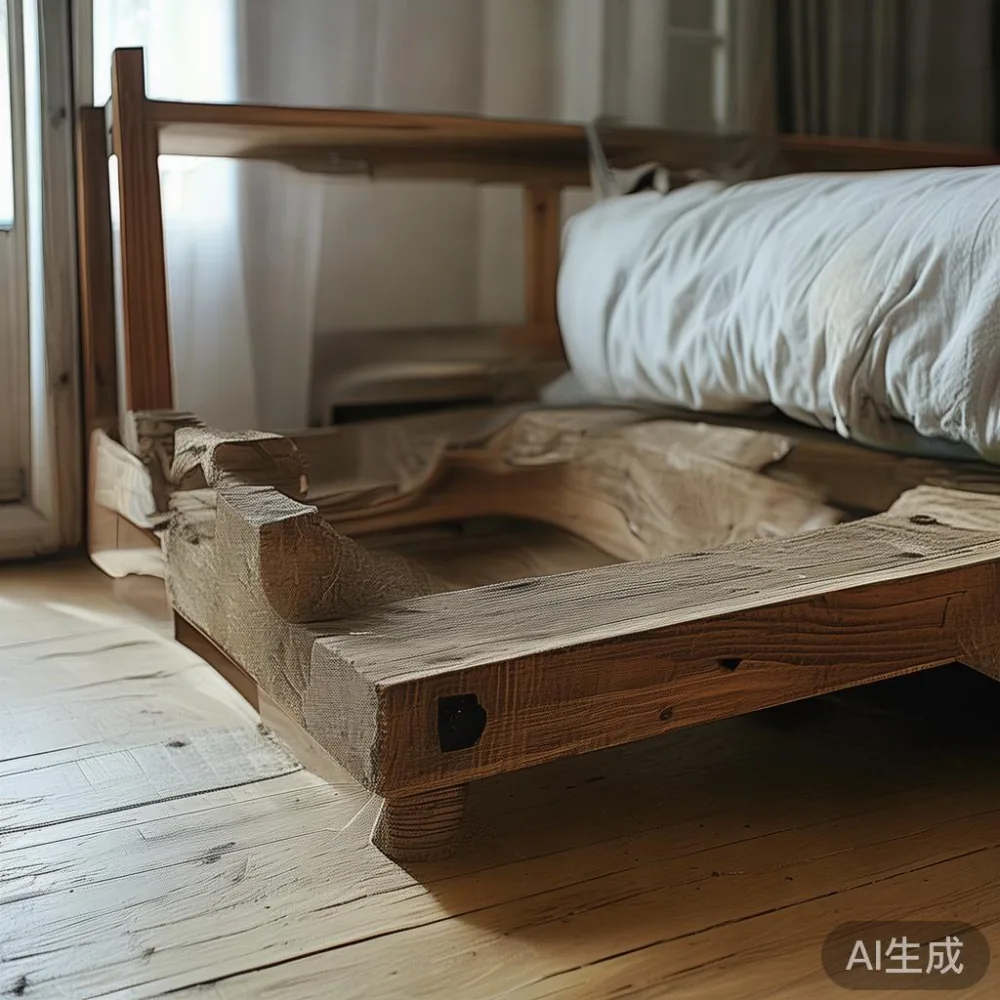
Why Singapore Humidity Is a Different Beast From European Weather
Most solid wood furniture you see in a Punggol condo showroom was designed for a climate where indoor relative humidity hovers around 45–55%. Singapore bedrooms with the air-con off and the window cracked open routinely sit at 78%. After a December monsoon week in Bedok, I measured 86% inside a customer's HDB living room with the fan running. That is not a small difference — it is a doubling of the moisture content wood is trying to reach.
Solid wood is hygroscopic, which is a polite way of saying it is always breathing. A 200 cm dining table top made of ash or oak will absorb roughly 1.5% of its dry weight in water for every 10-point rise in indoor humidity. Over a 12-hour night, that same top can swell by 1.2 mm across the width. Do that 200 nights a year and the cumulative expansion is enough to push a wardrobe door 3–4 mm out of square, crack a nightstand panel, or bow the slats on a bed frame.
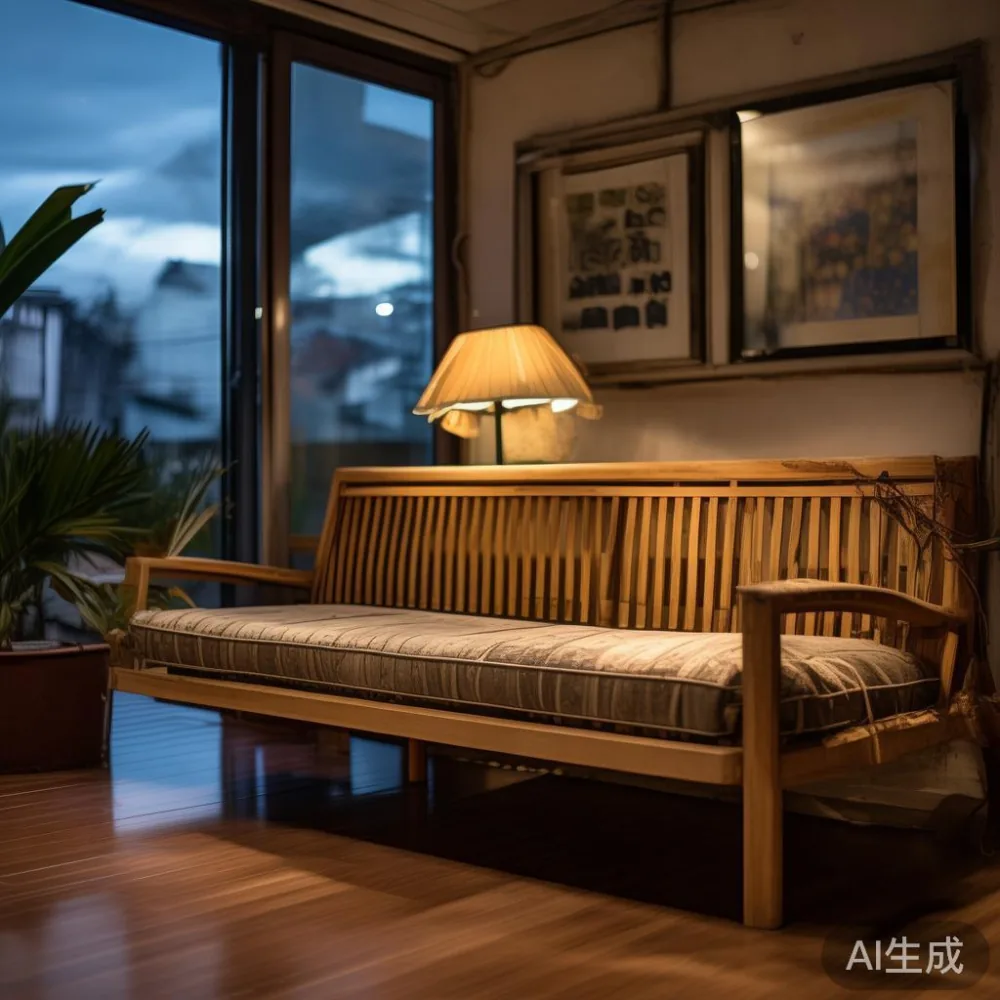
The lift in most HDB blocks in Tampines measures 1.1 m wide by 1.4 m deep, and the corridor turning radius on the upper floors is tight enough that a fully assembled king-size bed frame simply will not fit. Midhill ships most indoor pieces flat-packed for exactly this reason, and the 14-day return window gives owners a chance to trial the wood in their own microclimate before committing.
What Does This Actually Do to a Solid Wood Sofa?
An outdoor sofa lives a harder life than its indoor cousin, but the wood physics are identical. The frame — usually teak, eucalyptus, or white oak in the SGD 1,400 to SGD 3,800 range — swells in the wet months and shrinks in the brief dry window Singapore gets in February. The cushions dry out, the slats tighten, and within two monsoon cycles a customer who paid SGD 2,200 for a four-seater starts to hear small ticking sounds at night as the wood moves.
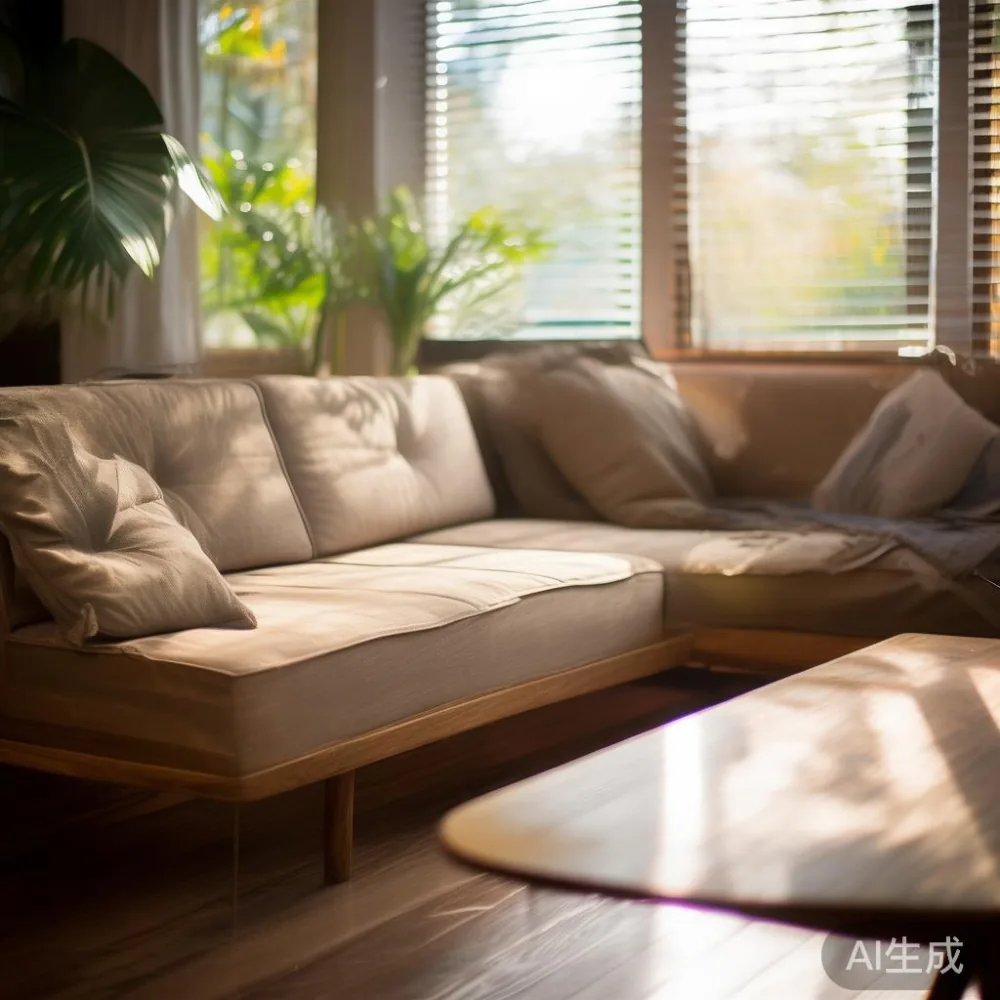
I tested a French light luxury outdoor sofa set last July in a Jurong rooftop garden. The owner had left it uncovered through two weeks of afternoon storms. The teak frame survived — teak genuinely handles this — but the visible oil finish had gone grey and water-spotty within 80 hours of exposure. A mild sanding and a fresh coat of teak oil (about SGD 28 for a 1-litre tin) brought it back. Solid wood forgives a lot, but it does not forget.
The single most common failure I see is not the frame splitting. It is the joints loosening on the bed frame and the wardrobe doors racking. A traditional mortise-and-tenon joint tolerates about 1.5 mm of seasonal change before the glue line starts to shear. Singapore gives it 3 mm to 4 mm. After 24 months the door swings open by itself.
Is Light Luxury Wardrobe Worth It in a Tropical Climate?
That is the question a customer in Punggol asked me over kopi at the Waterway Point food court. Her answer, after two years with an American light luxury wardrobe from Midhill, was yes — but with three caveats she wished someone had told her at the showroom.
Caveat one: the "light luxury" label refers to the design language — slim brass pulls, fluted panels, soft-close hinges — not to a softer wood. The internal panels on these wardrobes are usually ash or rubberwood, and they behave exactly like any other solid wood. They will still move with the humidity.
Caveat two: keep the wardrobe 5 cm off the back wall. Airflow behind the panel is the difference between a wardrobe that stays square and one that grows black mildew along the back edge. I have measured 92% relative humidity in the 2 cm gap between a wardrobe and an HDB wall that was never painted on the inside.
Caveat three: budget SGD 60 to SGD 120 for a stick dehumidifier or a small Peltier dehumidifier rated at 250–500 ml per day for the wardrobe room. This is the single cheapest insurance policy in tropical furniture care.
Modern Light Luxury for Apartment Living — What Actually Works
Modern light luxury for apartment buyers in Singapore usually means a restrained palette, slim profiles, and brass accents — the visual language you see in a post-modern light luxury dining table or a fluted marble table. The good news is that the slim profile that defines this style is also the most humidity-tolerant profile. A 35 mm thick ash top will move roughly 40% less than a 50 mm thick top across the same humidity swing, because the movement scales with thickness.
The bad news is that marble table tops — a centrepiece of this look — are a different story. Marble is porous, and the calcium carbonate reacts with humidity and mild acids. I left a small Carrara sample on a Bedok balcony for 11 days during the April monsoon. It picked up 0.4% in weight and developed a faint yellow tint along one corner. A solid wood dining table in the same spot would have weathered without colour change.
For the bedroom, the same rule applies: a platform bed frame with a headboard under 90 cm tall will move less than a four-poster, and a two-drawer nightstand will keep its alignment longer than a six-drawer dresser because each drawer face is a smaller piece of wood. If you are choosing between a 160 cm bed frame and a 180 cm bed frame for the same room, the smaller one will be the quieter one through two monsoons.
How to Choose Japanese Wardrobe and American Furniture for a Humid Home
People often ask how to choose Japanese wardrobe styles — the tansu, the sliding shoji-inspired panels — when they live in Singapore. The honest answer is that traditional Japanese joinery is among the most humidity-resilient joinery in the world, because it was designed for Kyoto summers where indoor humidity hits 80% for weeks. The exposed tenons, the sliding tracks, the absence of glue in the panels — all of it allows the wood to move without splitting. A modern light luxury wardrobe inspired by this style is one of the safer purchases for a Punggol condo.
For shoppers browsing for sale American furniture in Singapore, the rules are slightly different. American light luxury pieces tend to use thicker panels and heavier brass hardware, which looks substantial but moves more under humidity stress. Inspect the back panel — it should be a thin 8–10 mm solid wood or ply panel, not a 18 mm MDF sheet. The thinner panel flexes with the humidity instead of fighting it, and it keeps the wardrobe square for an extra 12 to 18 months.
One practical note: any piece heavier than 80 kg will struggle to get up the HDB lift in Tampines or Bedok during the morning lift peak. Most wardrobes break down into panels under 35 kg for this reason. A 240 cm wardrobe arrives in four boxes, each around 28 kg, and the corridor on the 12th floor is wide enough at 1.2 m to pivot the long panels without scuffing the wall paint.
Reading the Numbers: What to Measure Before You Buy
Before you spend SGD 2,800 on a solid wood dining table or SGD 1,600 on a four-seater outdoor sofa, spend SGD 22 on a hygrometer. Place it in the room where the piece will live for 14 days, morning and night, and write down the high and low. If your indoor humidity swings more than 25 percentage points between February and November, you need furniture designed for that swing — kiln-dried to 8–10% moisture content, with quarter-sawn panels on wide surfaces, and with floating joinery on tabletops.
For outdoor use, the rule is simpler: solid teak, with stainless steel 304 or 316 grade fittings, finished with a marine-grade oil every 9 months. Anything else in an outdoor sofa frame is going to fail within 24 months. I have pulled apart a sub-SGD 800 eucalyptus outdoor sofa after 14 months and found the brackets had rusted through. The wood was fine; the metal had given up.
If you are shopping for sale European furniture, look for the FSC stamp and ask the showroom for the kiln-dry certificate. Reputable sellers like Midhill publish the moisture content range on the spec sheet — anything between 8% and 12% is safe for Singapore. Above 14%, and the piece will dry out and crack in your living room within six months. Below 6%, and the wood has been over-dried and will swell aggressively the first time the air-con breaks.
The Honest Bottom Line on Tropical Furniture Care
Solid wood furniture in Singapore is not a buy-it-and-forget-it purchase. It is a relationship. The wood will move, the finish will dull, the brass will tarnish in 60 days if you do not wipe it, and the outdoor sofa cushions will need replacing every 30 to 36 months if they live on a balcony. Budget about 4% of the purchase price per year in maintenance — SGD 110 a year on a SGD 2,800 dining table covers oil, wax, dehumidifier crystals, and one professional touch-up.
What you get for the trouble is a piece of furniture that will outlast three condominium leases and still look good in your fourth. Solid wood, cared for, ages in a way that MDF and laminate cannot fake. The patina on a 7-year-old ash bed frame in a Tampines HDB I visited last week was something no factory finish can replicate — soft, slightly silvery, warm to the touch.
Pick the right species, demand the right kiln-dry spec, leave 5 cm behind the wardrobe, run a small dehumidifier, and accept that the wood is going to move about 1 mm every time the monsoon rolls in. Do those five things and your furniture will still be there when your youngest child moves out and takes the nightstand with them to their own Punggol flat.