Outdoor Solid Wood Sofa Price Insights in Singapore
Solid wood furniture is often described simply as “wooden,” yet two pieces carrying the same label can differ by thousands of dollars. The visible board may look identical, while the hidden decisions—timber species, moisture control, joinery, hardware, finish, dimensions and logistics—produce very different price points. Understanding those decisions helps Singapore buyers compare products fairly, especially when every piece must pass through a lift lobby, corridor and HDB flat door.
MIDHILL makes solid wood furniture in Foshan and has supplied 15-plus countries since 2008. Its pricing reflects material specifications and production standards rather than a single dramatic reveal. A 180 cm solid wood sofa frame, for example, is not just 3.5 metres of timber; it must remain stable under daily loading, accommodate Singapore’s humidity and arrive without damage. Below, I explain where money is spent, where it can be controlled and why design labels can cost more than raw wood.
Is timber species the biggest factor in solid wood furniture pricing?
Timber species is one of the clearest price drivers, but it is not the only one. Hardwoods such as oak, ash and American walnut generally command higher purchase prices than softer woods such as pine, poplar or rubberwood. The figure also depends on grade, cut and thickness: a 25 mm solid oak board may cost several times as much per cubic metre as a 20 mm pine board, while wide boards with controlled defects can cost more than narrow cut pieces.
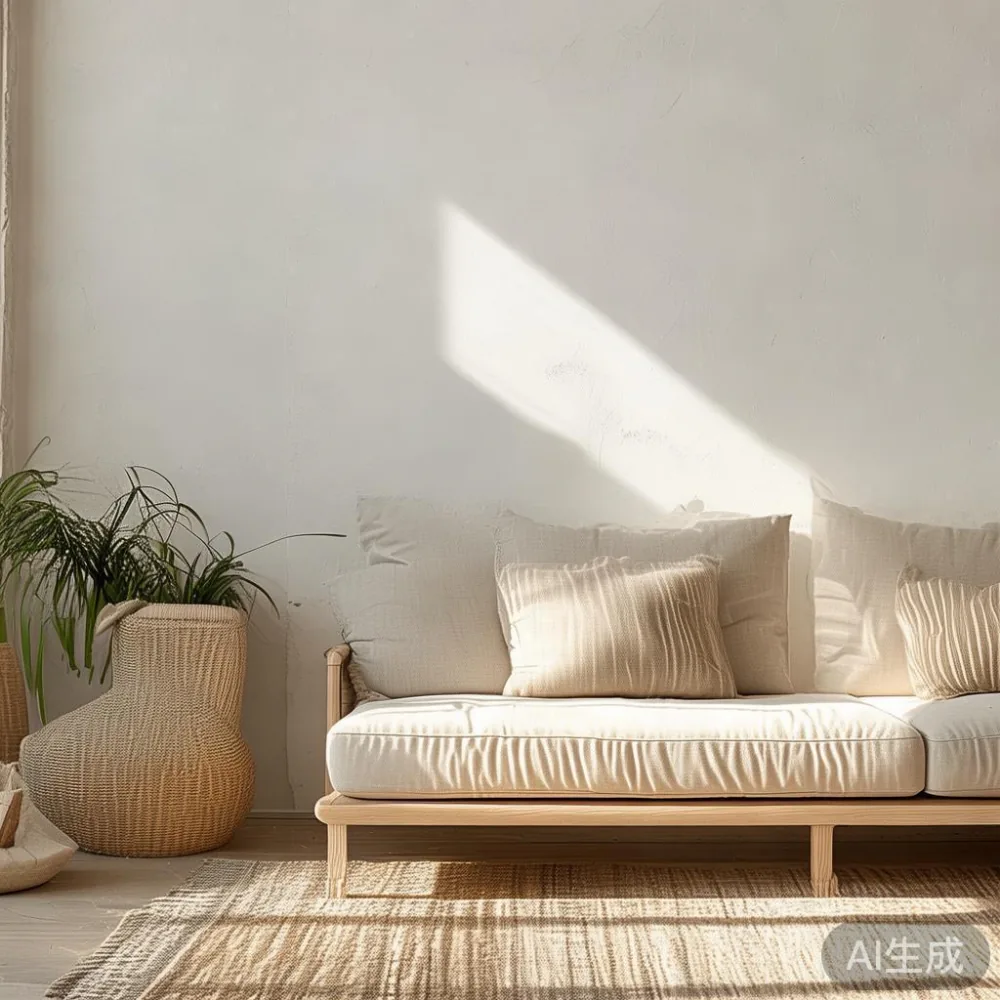
Buyers should ask whether an item is entirely solid wood, whether “solid wood” applies only to visible parts, or whether the construction combines solid timber with plywood, MDF, metal or stone. A typical solid wood sofa may use kiln-dried hardwood for the principal frame and plywood in selected panels. This hybrid construction can be entirely appropriate; the key is that the specification is disclosed rather than hidden behind a broad label.
At MIDHILL, a practical comparison might involve a 200 cm dining table priced around SGD 1,880 in a simpler hardwood specification and SGD 2,680 in selected oak. The higher figure may reflect timber selection, edge detail, finish and structural design—not merely a fashionable name. Check board thickness in millimetres, not vague descriptions such as “thick wood.” A 40 mm top, 30 mm rails and properly secured joints provide more information than a photograph.
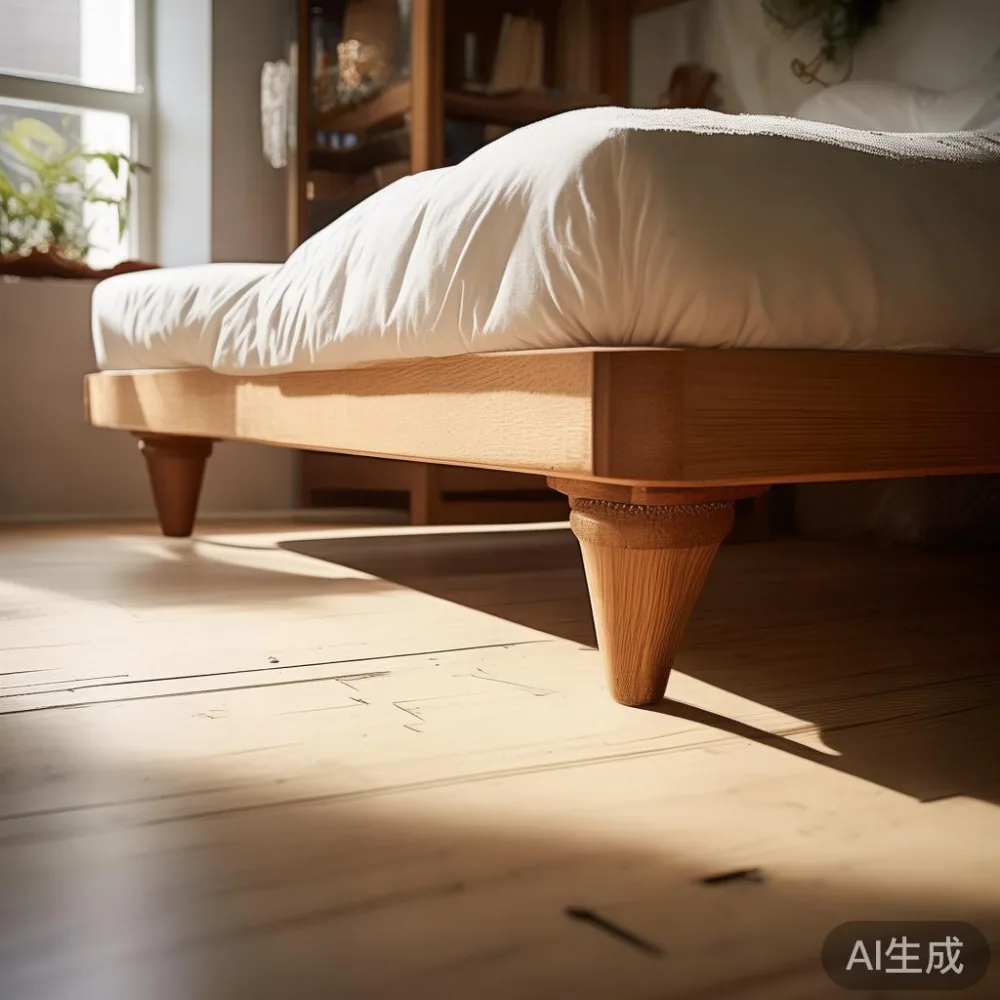
Wood is hygroscopic: it gains or loses moisture as humidity changes. Singapore’s year-round conditions make controlled drying important. Furniture intended for indoor residential use should normally be conditioned toward the local environment before dispatch. A 10-year structural warranty is meaningful, but it does not replace sensible care. Keep a 220 cm dining table away from persistent air-conditioning outlets and do not place a damp glass directly on the surface.
Why do joinery and construction cost more than appearance?
Joinery determines how a bed frame, dining table or wardrobe handles repeated stress. Mortise-and-tenon joints, dowelled connections, dovetail drawer work and bridle joints demand accurate cutting and assembly. They may take more machine time than screws driven into concealed holes, but they can create a stronger, longer-lived connection. Screws are not automatically poor construction; their suitability depends on the design, timber and load path.
Consider a queen bed frame measuring 150 cm by 200 cm. It must support a mattress, move occasional luggage and resist side loading without developing noise or wobble. Centre supports, slat spacing and joint placement influence both comfort and durability. A slat gap of roughly 7 cm may provide good support for common foam mattresses, whereas a looser 12 cm spacing may create more movement. The selling specification should make these choices clear.
The same logic applies to a 6 cm wide drawer front, a 45 cm wardrobe rail and the side panels of a 90 cm nightstand. Small brackets, hidden runners, wood dowels and finishing details add cost because they add production steps. A high price does not guarantee sound engineering, but a low price cannot conceal unlimited labour. I visited a supplier workshop last month and watched one drawer front pass through trimming, sanding and finish preparation before final fitting; that sequence explains why “identical” drawer components can still differ in final cost.
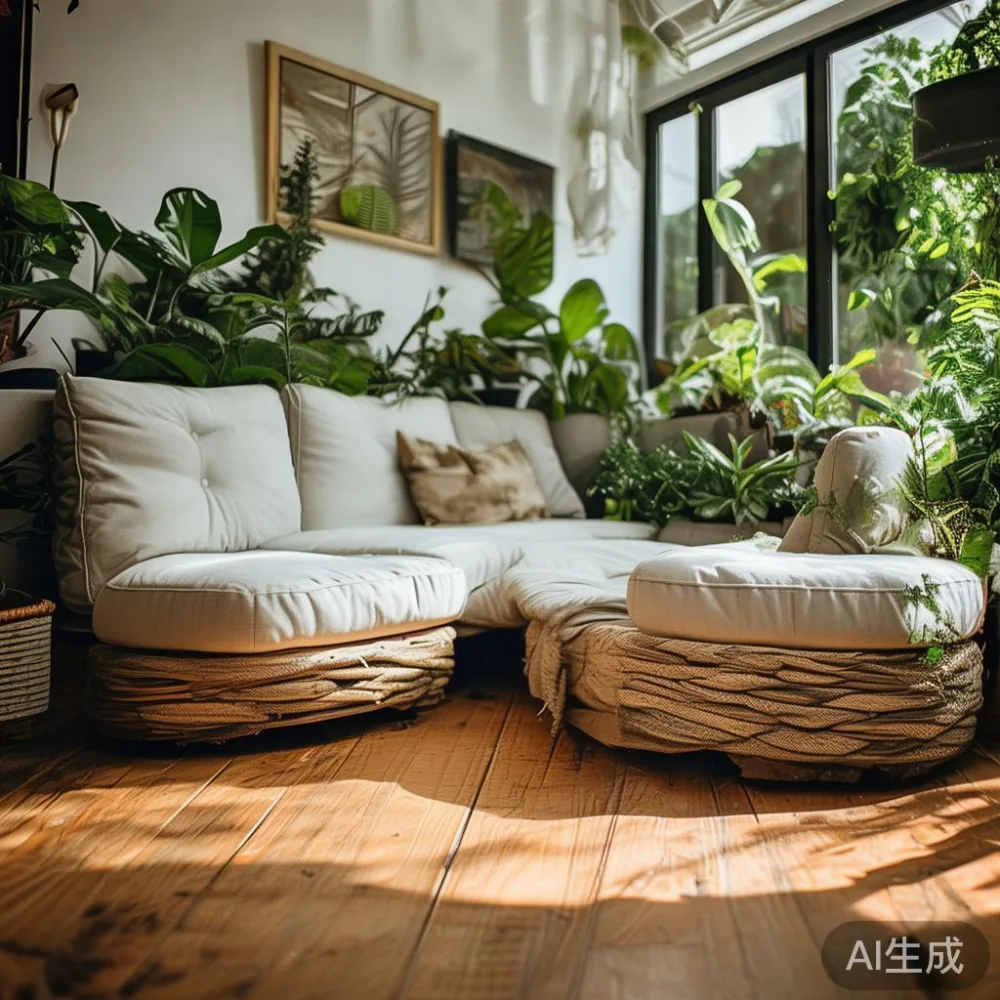
For an outdoor sofa, construction matters even more because upholstery and frame interact with humidity, rain exposure and frequent cleaning. Teak or another suitable exterior-grade hardwood may be paired with corrosion-resistant fixings and water-permeable foam specifications. An outdoor sofa positioned under a covered balcony in Punggol has a different exposure profile from one beside a pool. Price should reflect the actual use case, not imply that every outdoor-rated frame performs identically.
Does French, American or post-modern light luxury add hidden cost?
Yes. Design positioning can add money through proportion, detailing and lower production efficiency. French light luxury often uses softened silhouettes, crafted edges and layered upholstery. American light luxury tends to pair clean massing with prominent woods, tactile upholstery and carefully controlled hardware. Post-modern light luxury may use restrained geometry, selected contrast or unusual junctions, but “post-modern” does not mean structurally complicated.
These approaches affect cost because curved parts yield less usable timber, matched grain requires more selection, and decorative profiles require extra machining. A European light luxury sideboard may use aligned grain across doors, rounded corners and a carefully finished interior. A flat-panel cabinet in Japanese-inspired proportions may need fewer decorative cuts, though quality timber and hardware can still command a substantial price.
The comparison is particularly relevant when deciding between a European light luxury sofa vs Japandi sofa. The former may invest more in sculpted arms, layered cushions and decorative seams; the latter may prioritise low profiles, simple lines and visual calm. A 210 cm sofa with 12 cm-deep decorative piping can require more fabric and labour than a 200 cm model with conventional two-layer cushioning. The question is whether those details improve your room and daily comfort.
For storage pieces, shoppers sometimes search for French provincial with storage because the visual language combines decorative doors and drawers with practical capacity. A 180 cm French provincial wardrobe may have raised panels, shaped cornices, 4 drawers and hanging space. Each added feature consumes timber, increases joint complexity and changes the packing volume. A flatter 160 cm Japanese-style wardrobe may be easier to produce, but precise alignment and quality hardware still affect the price.
Why do dimensions and HDB access affect the final bill?
Size affects material quantity, packaging and delivery, especially in Singapore’s high-rise housing. A 220 cm dining table is straightforward in a freestanding landed property but less convenient in a Tampines HDB flat. Before purchase, measure the lift opening, turning space, corridor width and door leaf—not just the room. If a lift door is 80 cm wide and the dining table is 180 cm long, it may still turn vertically, but a heavy stone or marble top may not fit safely.
Check whether the item separates into modules. A 240 cm sideboard may split into two 120 cm sections, while a 190 cm wardrobe may arrive as a tall carcass and adjustable shelves. Modular delivery reduces handling risk, yet it can increase assembly time and packaging. Some buildings require corridor protection, lift reservation or a specified delivery window; these services can add SGD 40 to SGD 180 even when freight itself is included.
Delivery timing also matters. A production-ready item may leave within 10 to 18 days, while a made-to-order wardrobe or outdoor sofa may require 25 to 45 days. Peak renovation periods can extend those ranges. Midhill offers free shipping for orders above US$350, but the currency threshold should be checked at purchase because local payment methods and exchange rates can affect the displayed total. Singapore buyers should include 9% GST in their comparison unless the seller explicitly provides GST-exclusive pricing.
Good delivery policy reduces uncertainty. Midhill provides a 14-day returns window and a 10-year structural warranty, with lifetime refinishing available under its stated conditions. These service commitments have operational value: replacement components, communication and repair planning cost money. They should be compared with the material savings in a cheaper specification rather than treated as decorative extras.
How much do hardware, finish and upholstery really cost?
Hardware can account for a visible share of a furniture price. Soft-close hinges, full-extension drawer runners, reinforced bed brackets and adjustable wardrobe shelving are not small details. A 120 cm sideboard with 6 soft-close hinges may use more than SGD 80 in mechanisms alone before installation and packing. Solid brass hardware may cost more than plated steel, while load ratings and motion damping influence the selection.
Finish is another major factor. Oiling, waxing and conventional lacquer require different preparation, drying and repair methods. A natural oak dining table may be easier to renew with oil, while a dark-stained finish may need careful matching after years of use. A marble table introduces stone selection, edge treatment, weight and support engineering. A 200 cm marble top weighing 110 kg demands a stronger base than a 45 kg engineered-stone top; delivery and handling can therefore cost more despite the surface looking similar.
Upholstery affects an outdoor sofa through fabric, foam and sewing. Solution-dyed acrylic may resist fading better than some polyester options, while quick-dry foam and breathable mesh can improve comfort in humid conditions. Outdoor-grade fabric does not make a frame waterproof, so covered placement and drainage remain important. Check the care label, removable-cover option and cushion density instead of relying only on the word “outdoor.”
One real example shows why material names should not be accepted without detail. A customer comparing two 180 cm solid wood sofas asked about the difference between an oak-looking frame and a frame specified as oak in the visible parts only. The second piece used more economical timber internally and cost SGD 620 less. Once the actual load-bearing members, joint method and finish were compared, the lower specification was reasonable for occasional use. The higher model made more sense for a family expecting daily use.
What should I compare when two solid wood pieces look similar?
Compare the specification in a fixed order. Start with dimensions and timber species, then check board thickness, joinery, hardware, finish and warranty. For a bed frame, record the slat material, centre supports and clear height. For a dining table, inspect the top construction, apron, leg section and extension system. For a wardrobe, measure internal hanging space, shelf adjustment and drawer movement. For a nightstand, check wall clearance, drawer travel and the load of its upper surface.
Then compare the delivered cost. Add GST, stair or lift charges, assembly and likely accessory purchases to the quoted price. A SGD 1,980 dining table that requires SGD 220 of delivery and protection may be less economical than a SGD 2,080 table arriving flat-packed with installation included. That is a practical comparison, not a judgment about appearance.
Style research can help too. If you are working out how to style Japanese wardrobe in room, begin with the available wall space and circulation path. For a French provincial wardrobe in bedroom, consider whether carved panels compete with bedding or door hardware. Minimalist for guest room layouts often need a compact nightstand, a narrow bed frame and concealed storage rather than oversized furniture. A European light luxury sideboard can provide display space, but its depth must preserve a 90 cm passage in a condo corridor or bedroom.
Ask the supplier for a drawing showing dimensions in centimetres, timber in millimetres and warranty conditions in years. Confirm whether replacement parts are made in the same finish, whether returns cover assembled items, and how long refinishing takes. Midhill’s Foshan furniture production background is relevant because manufacturing location is only one part of the story; documentation, inspection and after-sales support matter as much as the factory gate.
Ultimately, solid wood furniture price is built from material, labour, precision, design and service. A higher number may be justified by a stronger frame, better-matched grain, more exact joints or hardware that works smoothly after 5 years. A lower number may represent a sensible choice when the piece will be used occasionally and the specification is transparent. Measure the room, read the construction details, include GST and delivery, then choose the construction that fits the home’s actual life.