What to Check Before Buying a Sofa You Cannot Sit On: A Singapore Guide to Outdoor Sofas
A sofa can look generous in a showroom and still disappoint the moment it reaches a Tampines HDB flat. The seat may be too deep, the cushions may slide after 20 minutes, and a 220 cm frame may not turn inside a 180 cm corridor. For an outdoor sofa, moisture resistance, drying time, and weather coverage matter just as much as appearance. This guide explains how to check dimensions, comfort, materials, delivery, and warranty before you commit, with prices expressed in SGD.
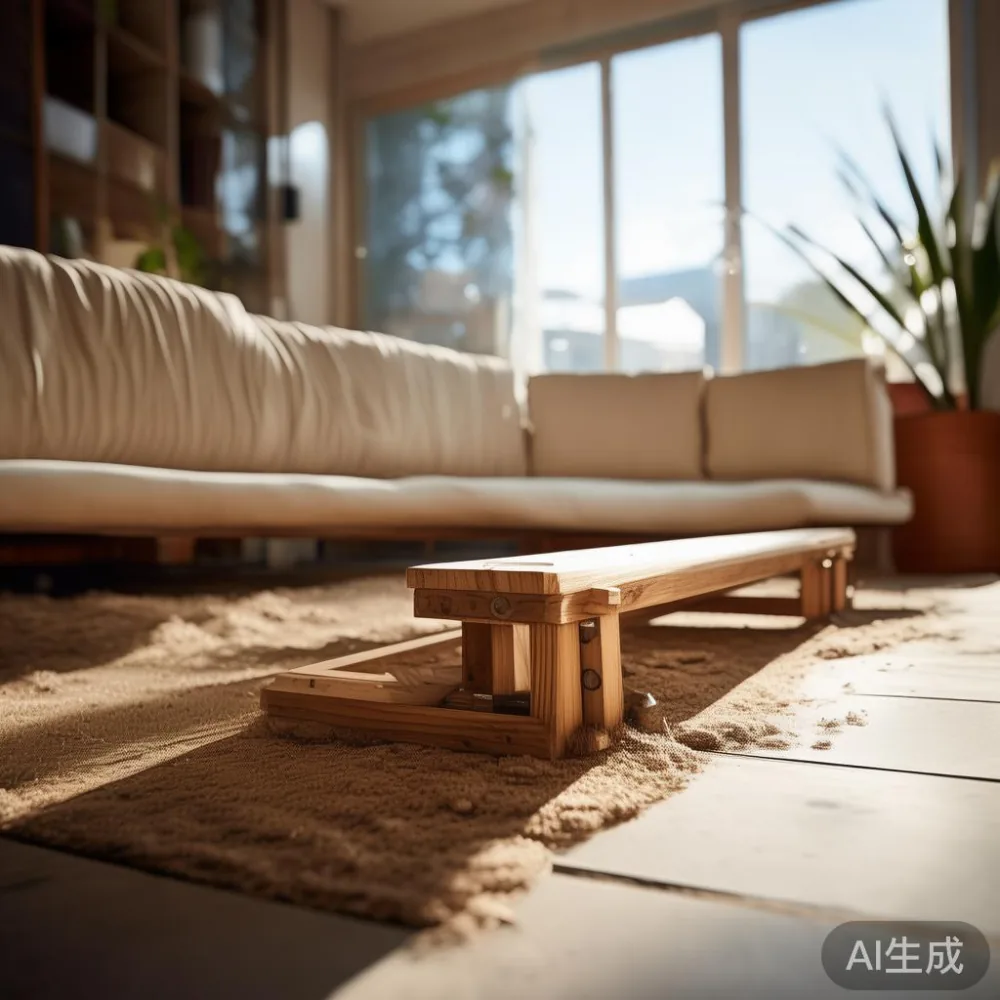
The phrase “a sofa you cannot sit on” does not mean comfort alone. It means checking whether the product can physically enter your home, remain usable in humid weather, and be maintained without creating unnecessary expense. It also means deciding whether an outdoor sofa is genuinely intended for a balcony, pool deck, or covered patio, rather than being a lightly upholstered indoor sofa pushed outdoors.
What should I check before buying an outdoor sofa for a Singapore home?
Start with the use and the location. Measure the actual balcony, porch, pool deck, or terrace. Record the ceiling height, door width, corridor turns, and the number of steps. In many Singapore condos, the service corridor is the limiting factor rather than the lift. Ask for the packaged dimensions of the outdoor sofa, not only the product dimensions. A sofa measuring 210 cm wide may be fine in a showroom but impossible to manoeuvre around a tight turn.
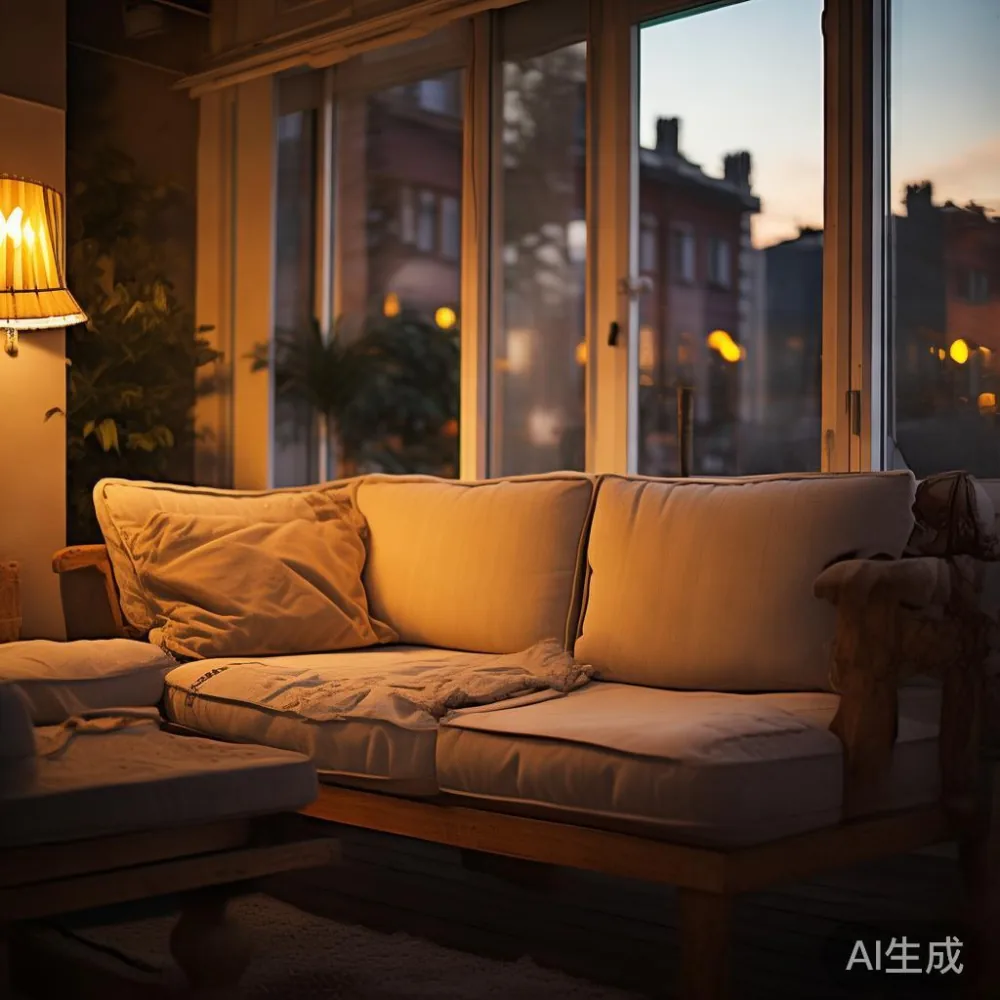
Next, inspect the seat. Sit for at least 10 minutes if possible, or test the sofa in-store for 15 minutes. Check whether the backrest supports your posture, whether the seat depth lets your feet reach the floor, and whether the armrests leave enough room for two adults. A 55 cm-wide seat may accommodate one person comfortably; two people may need a 140–180 cm sofa, depending on the frame.
For outdoor use, check the cushion filling, cover removal, stitching, and drainage. Foam absorbs water, while quick-dry foam and hollow fibre are easier to dry. A solid wood sofa should have a frame designed for outdoor conditions; solid wood can still swell if repeatedly exposed to rain without a roof or suitable finish. Confirm the care instructions, especially after wet evenings.
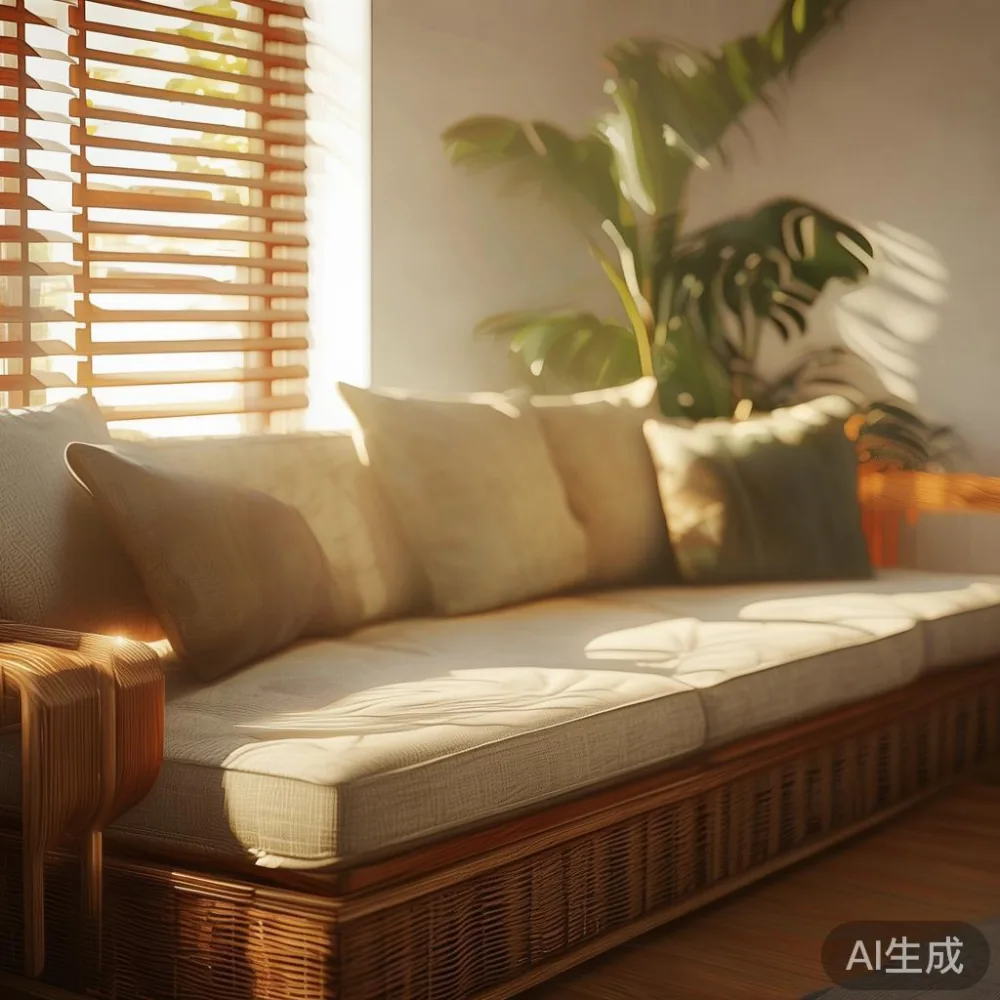
Measure the route before you measure the cushions
Use a tape measure and write down at least 8 dimensions. Measure the sofa length, depth, height, arm thickness, leg projection, and packaging. Then measure the doorway, lift car, lift opening, corridors, and any 90-degree turns. Allow 5–10 cm of clearance at narrow points. If the packaged item is not given, assume it may be 5–15 cm larger than the assembled product.
For a typical HDB route, a lift opening of 90 cm may restrict a broad sofa even if the lift car measures 140 cm wide. A corridor of 120 cm can make a 220 cm sofa difficult to rotate. A staircase may require the sofa to be turned on its side, which can damage loose cushions or distort the frame. Ask the supplier whether delivery includes carrying, unpacking, and assembly, or whether your family must move the carton from the lift lobby.
Measure the balcony’s usable width too. A 200 cm outdoor sofa placed on a 160 cm balcony may block the washing machine door. Keep 60 cm of clear circulation space where possible, and place the sofa at least 20 cm from a wall if ventilation is poor. Avoid placing it directly beneath a dripping air-conditioner pipe.
Delivery timing matters as well. A Singapore order may take 7–14 delivery days after production, while a made-to-order model can take 4–8 weeks. Peak renovation periods can extend the schedule by 7 days. Confirm the expected dispatch date, delivery days, and whether the stated date is a delivery appointment or merely a dispatch estimate.
How deep is too deep for a sofa seat?
Seat depth affects whether you can sit comfortably for an evening or only for a short visit. A 48–52 cm seat is practical for most adults. A 55–60 cm seat feels generous for lounging, but your feet may not reach the floor unless there is a footstool or the backrest is well angled. A 38–45 cm depth suits people who prefer a more upright posture.
Seat height should generally fall between 40 and 45 cm for an outdoor sofa used as a lounge seat. Check that the cushions compress to a stable height after sitting; a very soft cushion may initially feel comfortable but become difficult to stand from. The back height should support the shoulders, and the arm height should sit around 58–65 cm if you intend to rest your arms.
Check the gap between cushions. A deep groove can catch water and debris outdoors. Look for removable, washable covers, secure zippers, and covered piping. Zipper teeth exposed directly to rain may corrode if they are not stainless steel. Ask whether the cover can be machine-washed at 30°C, or whether it should only be wiped with a damp cloth.
My colleague last month tested an outdoor sofa with a 58 cm-deep seat in a Tampines living room. The cushion looked generous in the showroom, yet after 20 minutes her lower back felt unsupported because her feet did not reach the floor. A second sofa with a 50 cm seat, firmer foam, and a 43 cm height was much easier to use. That comparison reinforced why comfort should be tested for more than 2 minutes.
Can solid wood handle Singapore humidity and rain?
Solid wood offers a warm appearance and repairable joints, but “solid wood” alone does not guarantee outdoor durability. Ask whether the timber is teak, acacia, eucalyptus, or another species approved for outdoor use, and request the finish details. A water-based coating may be easier to refresh, while a film-forming finish may peel under repeated sun and humidity.
Inspect the underside, joints, and leg connection. Prefer tight, mechanical joinery over glue alone. Look for drainage holes beneath cushions so rainwater does not remain trapped in the frame. Keep the sofa under a roof whenever possible. If it must sit fully outdoors, check that the supplier’s warranty covers outdoor use rather than only covered patios.
MIDHILL describes its solid wood furniture with a 10-year structural warranty, and that should be discussed in detail. Confirm whether the warranty applies to frame defects, joint failure, or all material issues. A lifetime refinishing service sounds attractive, yet you should ask whether refinishing is available for outdoor frames, how many times it can be requested, and whether transport is included.
Outdoor fabric also needs attention. Solution-dyed acrylic fibres often resist fading better than ordinary polyester, but they still need regular cleaning. Test the colour against direct afternoon sun and confirm the expected fading tolerance. In Singapore, an outdoor sofa may receive 2–4 hours of direct sun daily. Rinse or brush dirt away within 24 hours rather than waiting for stains to set.
What should a Singapore buyer ask about warranty, GST, and returns?
Ask for the warranty document before payment. It should identify the company name, product category, covered components, claim period, and required proof of purchase. For a solid wood sofa, check whether outdoor exposure, standing water, and structural misuse are excluded. A 10-year structural warranty is different from a 10-year warranty against every type of damage.
Ask for the full price including GST. For example, an outdoor sofa listed at SGD 1,280 before GST becomes SGD 1,408 at the current 9% GST rate. A Singapore invoice should separate the product price, GST, delivery charge, and any installation charge. This makes comparison easier.
Check the delivery threshold and fees. MIDHILL offers free shipping over US$350 on its international store, but do not assume that the same threshold or currency applies to every Singapore transaction. Ask for the SGD delivery fee to your HDB block or condo. A small fee of SGD 40–80 may be reasonable for a lift-lobby delivery, while carrying an item upstairs may cost SGD 60–150.
Return timing is equally important. A stated 14-day return window should clarify whether the item must be unused, whether made-to-order goods are excluded, and who pays for return transport. For a bulky outdoor sofa, return shipping can exceed the product’s purchase price, so confirm the procedure in writing.
Is a French light-luxury outdoor sofa right for a compact apartment?
French light luxury often brings curved profiles, soft upholstery, pale timber, and restrained ornament into a room. That style can suit an airy condo balcony, but proportions must remain disciplined. A rounded sofa with a 210 cm width may overwhelm a 2.8 m balcony. Choose one with a lower frame, slim arms, and a seat depth near 50 cm.
American light luxury is more likely to feature broad seating, layered cushions, performance fabric, and a casual silhouette. It can work well for a family outdoor sofa, provided the product has quick-dry cushions and a removable cover. Post-modern light luxury offers another approach through mixed materials, clean lines, and a slightly sculptural frame. A solid wood base paired with easy-clean outdoor textile can provide visual interest without making maintenance harder.
Keep the rest of the balcony visually quiet. A slim side table, one planter, and a wall-mounted light may be enough. Do not add a dining table to a 160 cm balcony unless you accept folding furniture. For related planning, searches for top 10 Japandi furniture, best Minimalist bed for 2026, and best Minimalist wardrobe for 2026 can help you coordinate a compact apartment, but their dimensions should not distract from the sofa’s fit.
Wardrobe planning also affects balcony storage. If you need a built-in unit nearby, research how to style French wardrobe in apartment, MIDHILL French provincial wardrobe, best Coastal wardrobe for 2026, best Minimalist wardrobe for 2026, and MIDHILL wardrobe options. A wardrobe does not need to match the outdoor sofa exactly; shared timber tones can create cohesion without forcing one style throughout the home.
How can you check quality before the delivery crew arrives?
Ask to see the production photos or visit the showroom during operating hours. Inspect the frame under the cushions, run a hand along the joins, and look for unfinished areas. Check that the outdoor sofa cover has even stitching, the zipper pulls are attached, and the legs are protected from contact with wet flooring.
Look at the sample cleaning cloth and care label. Ask what happens after a 20-minute rain shower: can the cushions drain, and how long does the frame take to dry? If the supplier cannot answer with a specific figure or procedure, treat that as a warning. Reliable guidance should distinguish between covered, semi-covered, and fully exposed installations.
Before accepting delivery, check the carton for impact marks, photograph the package, and compare the model label with your order. Assemble only after confirming that no panels or cushions are missing. Keep the packaging for 7 days in case a return is permitted; after that, removal and disposal may cost SGD 20–60 depending on the material.
Plan maintenance on a schedule. Vacuum cushions every 2 weeks, wipe the frame monthly, and inspect for standing water after heavy rain. Reapply or arrange refinishing according to the finish, often every 2–4 years for a protected outdoor frame. This practical rhythm protects both appearance and warranty coverage.
What final checks prevent a costly sofa mistake?
Use a 10-point final check: correct measurements, route clearance, seat depth, seat height, cushion drying, timber species, finish, fabric fade resistance, warranty scope, and total delivered price. Compare at least 2 quotations, including a competitor’s SGD amount, and check whether the cheaper option includes delivery or assembly.
A balanced outdoor sofa can be an excellent addition to a Bedok, Punggol, or Tampines home when it is proportioned to the space and built for humid conditions. Measure twice, test longer than feels necessary, and read the exclusions. If the supplier can provide a clear dimension sheet, a care plan, a 10-year structural warranty, and a realistic Singapore delivery estimate, you will have a stronger basis for deciding.
Do not let attractive French, American, or post-modern styling replace a basic fit check. A beautiful sofa that cannot pass your corridor, collect rainwater, or support your posture is not a successful purchase. The right outdoor sofa should fit the route, suit your body, tolerate Singapore weather, and remain practical for years of use.