Creating Airy Interiors in Compact Singapore Homes
Living in a Singapore apartment, whether it's a 4-room HDB flat in Tampines or a sleek condo in Punggol, presents a unique design challenge: creating a space that feels open and luxurious, not cramped. The reality of narrow corridors, standard lift dimensions, and the high cost of real estate per square metre means every piece of furniture must earn its place. This guide focuses on a core principle for small-space living: strategic furniture choices that enhance, not encroach upon, your living environment.
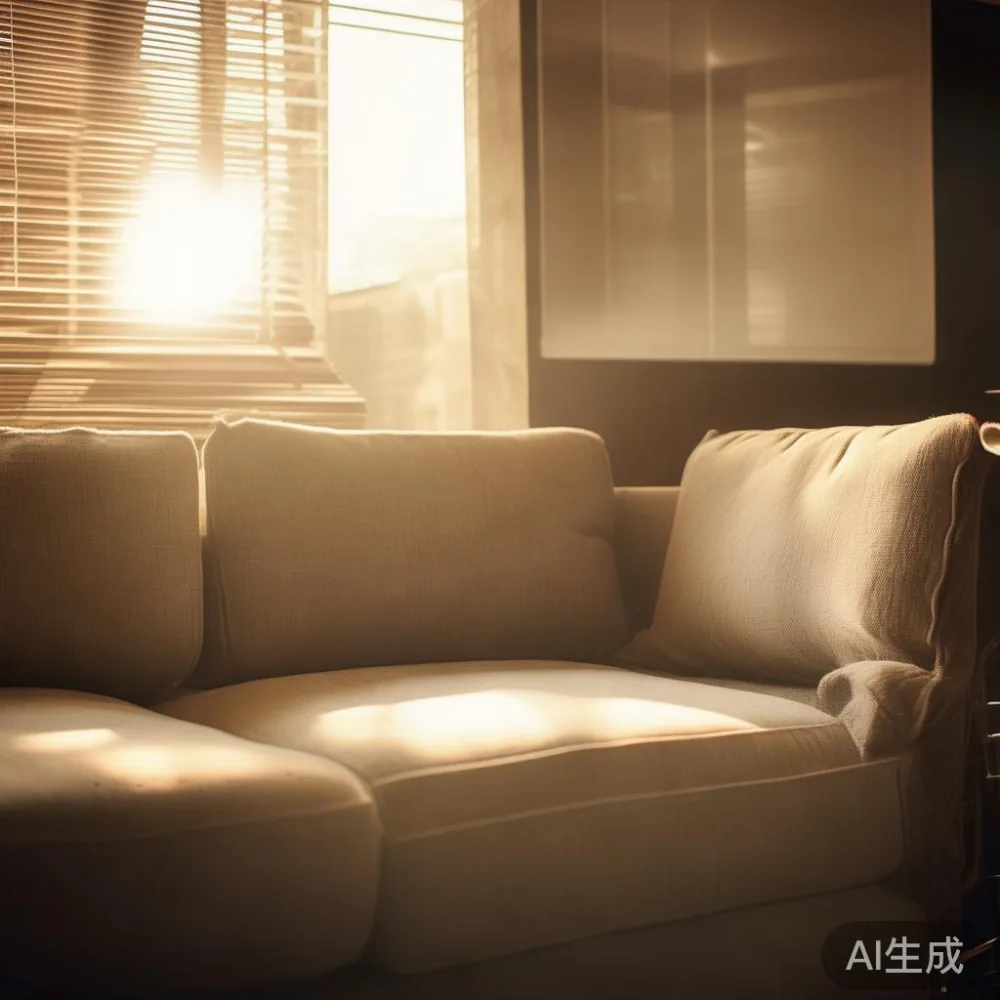
Understanding the Singaporean Spatial Context
Before we discuss furniture, we must understand the environment it will inhabit. A typical HDB corridor is approximately 1.2 metres wide, just enough for two people to pass with a slight squeeze. The standard lift in older estates can be as small as 1.1 metres by 1.4 metres, making moving large, cumbersome items a logistical puzzle. The Goods and Services Tax (GST) of 9% also adds a layer of consideration to any purchase, making it wise to invest in durable, long-lasting pieces rather than disposable, cheap alternatives.
These physical constraints demand a different approach to furnishing. The goal is to avoid visual and physical clutter. This means favouring furniture with exposed legs, multifunctional designs, and a considered colour palette. For instance, a sofa with slender, tapered legs creates an illusion of more floor space than a bulky, boxy one on a low plinth. This principle applies equally to a dining table, a bed frame, or a wardrobe.
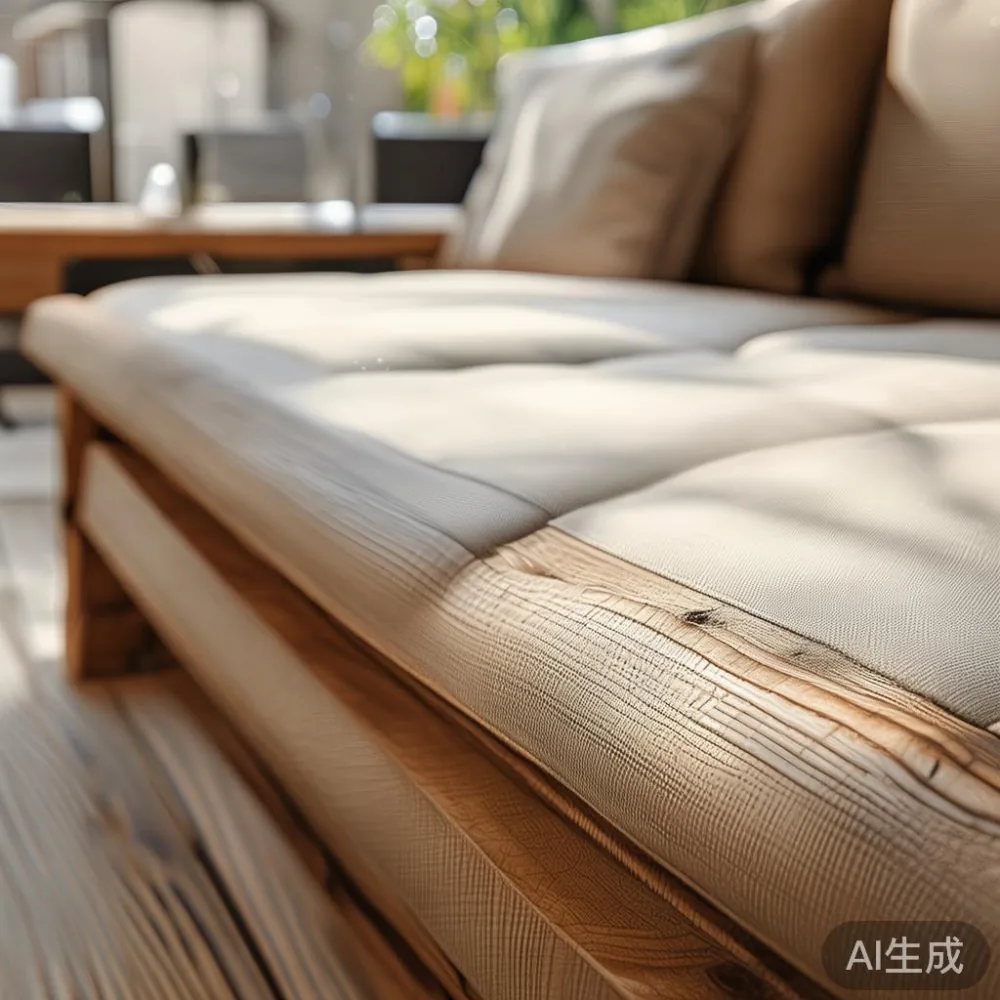
How can a sofa be both a statement piece and space-saving?
This is a question I grappled with last month when helping my colleague furnish her new 2-bedroom apartment in Bedok. She wanted a living room that felt sophisticated and spacious but was unwilling to compromise on comfort or style. The answer lies in the concept of the 'light luxury' sofa, a term that blends French elegance with American practicality or post-modern minimalism. These sofas are characterised by clean lines, refined materials, and a sense of airiness.
Consider a solid wood sofa. The frame itself is a statement of quality, but the magic is in the details. A design with a high back and low arms, for example, can provide a strong visual presence without adding excessive depth. The choice of upholstery is equally important. A light-coloured fabric, like a soft light blue luxury sofa, can reflect light and make the room feel larger. The key is to select a sofa that is proportional to the room. For a small living area of 20 square metres, a sofa measuring around 200cm in length is often a good starting point, providing ample seating without overwhelming the space.
The Art of the Multifunctional Outdoor Sofa
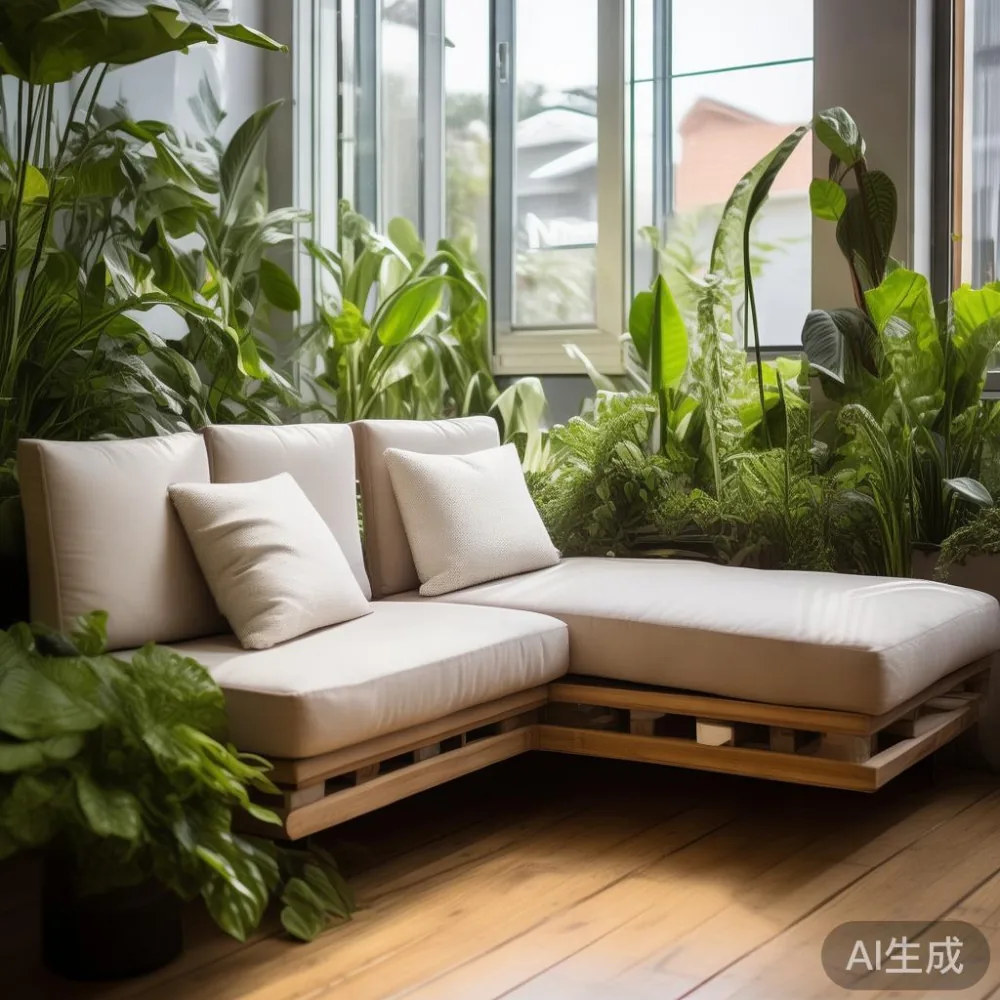
One of the most effective strategies for small apartments is to blur the lines between indoor and outdoor living, especially in Singapore's tropical climate. An outdoor sofa is no longer just for the balcony; it's a versatile piece that can be adapted for indoor use. I tested a few pieces from various brands, including a 3-seater outdoor sofa from MIDHILL furniture that was surprisingly comfortable for indoor lounging.
The beauty of an outdoor sofa lies in its construction. Made from weather-resistant solid wood like teak or acacia, these pieces are built to last, offering a 10-year structural warranty as a proof of their durability. They are often designed with modular components, allowing you to configure them to fit your exact space. A corner unit, for instance, can maximise seating in a compact area. For a balcony in a Punggol Waterway Point condo, a 150cm x 150cm L-shaped outdoor sofa creates a perfect nook for relaxing without sacrificing precious floor space. The modular nature also means you can add or remove sections as your needs change, a feature that is incredibly practical for small homes.
Strategic Placement and the Illusion of Space
Once you have your chosen pieces, how you arrange them is critical. In a small living room, the natural tendency is to push everything against the walls. However, this can make a space feel rigid and disconnected. A better approach is to create a 'floating' arrangement. Placing a solid wood sofa a few inches away from the wall reveals the legs, which adds a sense of depth and openness.
Another powerful technique is to use furniture to define zones. A sofa can act as a subtle divider between the living and dining areas. This is particularly useful in open-plan layouts common in modern condos. The key is to maintain a clear line of sight. An Italian light luxury TV console, for example, can be positioned to face the sofa without blocking the view into the rest of the apartment. This creates distinct areas without the need for bulky room dividers that eat into floor space. The same principle applies to an outdoor sofa on a balcony; it can define the 'living' area of the balcony, leaving space for a small marble table and a few potted plants.
Lighting and Colour: The Final Touches
No furniture arrangement is complete without considering lighting and colour. In a small apartment, natural light is your best friend. Avoid heavy, dark curtains that block light. Instead, opt for light, sheer fabrics or blinds that can be fully opened during the day. At night, a combination of ambient, task, and accent lighting can create a warm, inviting atmosphere without the need for a single, overwhelming overhead light.
For colour, a cohesive palette makes a space feel larger and more intentional. Using a monochromatic scheme with different textures is a classic and effective strategy. For example, a light blue luxury sofa can be complemented by grey cushions, a marble table with cool undertones, and a solid wood bed frame with a light oak finish. This creates a harmonious and serene environment. A colleague of mine in Tampines successfully used this approach, painting her accent wall a soft sage green and pairing it with a cream-coloured sofa and natural wood furniture. The result was a living room that felt both expansive and deeply personal.
Investing in Quality for Long-Term Value
With GST and the general cost of living in Singapore, furniture is a significant investment. It's tempting to opt for the cheapest options, but this often leads to replacing items every few years. Investing in high-quality, durable pieces is a smarter financial decision in the long run.
When shopping for furniture, look for specific guarantees. A 10-year structural warranty on a solid wood sofa or bed frame provides peace of mind, ensuring your investment is protected. Lifetime refinishing services, offered by brands like MIDHILL, mean that a well-loved piece can be restored to its original beauty, extending its lifespan for decades. Free shipping over SGD 350 is another practical benefit that saves on delivery costs, which can be substantial for large items in Singapore. A 14-day return policy also allows you to test a piece in your home, ensuring it's the right fit for your space and lifestyle before you commit. This is especially important for larger items like a wardrobe or a dining table, where getting the dimensions wrong can be a costly mistake.
How to Style a Japanese Sofa in Your Room?
The Japanese aesthetic, with its emphasis on simplicity, natural materials, and uncluttered spaces, is perfectly suited for small Singapore apartments. A Japanese sofa, often low to the ground and featuring clean lines, embodies this philosophy. Styling it involves embracing minimalism and a connection to nature.
Start by pairing the sofa with a low-slung coffee table, perhaps one made from solid wood or with a marble top. The low profile maintains the open, airy feel of the room. Use a limited number of cushions in natural fabrics like linen or cotton, in neutral tones such as beige, grey, or off-white. The floor around the sofa should be kept clear. Instead of a bulky coffee table, consider a small side table made from reclaimed wood. This approach encourages a sense of calm and spaciousness. The same minimalist philosophy can be applied to other areas of the home. When learning how to style a Japanese wardrobe in an apartment, you would choose one with simple, handle-less doors and a finish that complements the room's natural wood elements, ensuring it blends in rather than stands out as a massive block of furniture.
Conclusion: A Thoughtful Approach to Small-Space Living
Styling a small apartment in Singapore is less about filling every inch and more about curating a space that feels intentional, functional, and luxurious. It requires a strategic approach to furniture selection, favouring pieces that are multifunctional, proportionate, and made from quality materials. From the versatility of an outdoor sofa to the refined elegance of a wholesale Italian light luxury furniture piece, every choice contributes to the atmosphere of the home.
By understanding the unique spatial constraints of HDBs and condos, prioritising light and colour, and investing in durable, well-designed furniture, it is entirely possible to create a home that is both compact and incredibly comfortable. The best Scandinavian sofa for 2026, for instance, will be one that is not only stylish but also designed with the realities of small-space living in mind. Ultimately, the goal is to create a sanctuary that feels like a personal retreat, not a storage facility, proving that with the right approach, small can indeed be beautiful.