The Art of Spacious Living: Styling Small Singapore Apartments
Living in Singapore, especially in popular estates like Tampines, Bedok, or Punggol, often means making the most of compact spaces. Whether you're in a 45-square-metre HDB flat or a sleek 70-square-metre condo, the challenge is universal: how do you furnish your home to feel open, airy, and functional without sacrificing style? The answer lies not in buying less, but in buying smarter. It’s about selecting pieces that perform multiple roles, choosing materials that breathe, and arranging your furniture with a clear intention for space. This guide will walk you through practical, concrete strategies to upgrade your small apartment into a sanctuary of light and calm, focusing on the principles that make every square centimetre count.
What is the Golden Rule for Furniture Size in a Small Singapore Apartment?
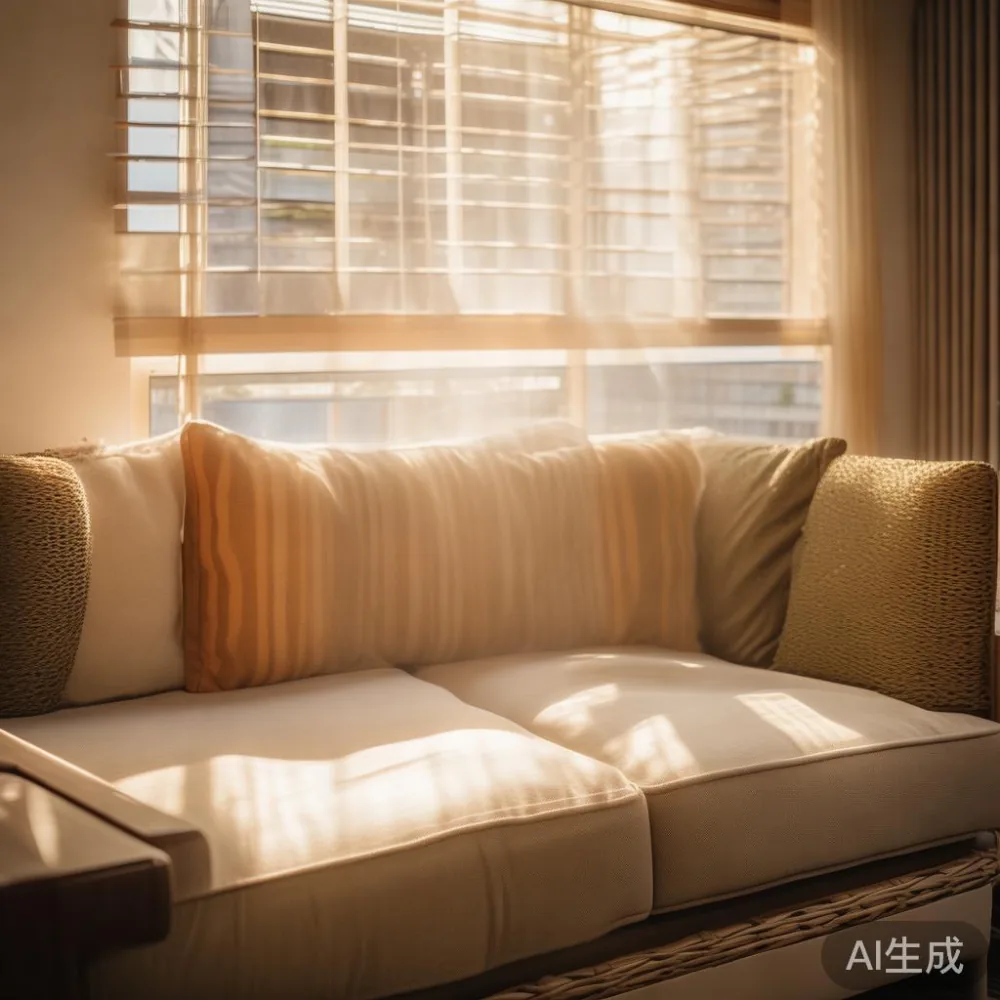
The single most important rule for furnishing a small apartment is to respect the scale of your space. This means measuring everything—not just your room, but your doorways, corridors, and even the lift. Imagine trying to get a 220 cm solid wood sofa into a lift in a 1980s HDB block; it simply won't fit. A good rule of thumb is to leave at least 70-90 cm of clear walking space around your main furniture. For a living room, this means your sofa shouldn't dominate more than 40-45% of the longest wall. In Singapore, where corridor widths in older flats can be as narrow as 120 cm, a bulky sectional can quickly turn a hallway into an obstacle course. Instead of a giant L-shaped sofa, consider a two-seater or a three-seater that is less than 180 cm long, paired with a pair of compact armchairs. This arrangement provides ample seating without overwhelming the room. The goal is to create visual pathways that make the space feel larger than it is.
How Can an Outdoor Sofa Create Indoor-Outdoor Flow?
A brilliant strategy for expanding your perceived living area is to blur the line between your indoor and outdoor spaces. For those with a balcony or a small garden, this is a standout piece. A well-chosen outdoor sofa can serve as a transitional piece, making your balcony feel like a natural extension of your living room. The key is to choose a style that complements your indoor furniture. A French light luxury outdoor sofa, with its elegant, understated lines and neutral tones, can create a smooth visual connection to a minimalist living room. Imagine a light grey, weather-resistant outdoor sofa placed on a balcony with potted plants, creating a small lounge area that feels both intimate and open. This approach effectively increases your usable square footage, giving you a separate space to relax without adding a single square metre to your apartment's footprint. It’s a clever way to add a sense of luxury and space without the physical footprint.
What Furniture Styles Work Best for Small Singapore Spaces?
When every piece of furniture must earn its keep, the style you choose becomes a functional decision. Certain aesthetics are inherently better at creating a sense of space. Light luxury styles, whether American, French, or post-modern, are particularly well-suited for small apartments. The core principle here is visual weight. Light luxury furniture often features slender legs, open backs, and a focus on negative space. An American light luxury sofa, for example, might have low-profile arms and a low base, making it appear less bulky. Post-modern light luxury, with its geometric forms and use of materials like marble, can add a touch of sophistication without feeling heavy. The Italian light luxury with storage is another excellent option; a sleek marble-topped coffee table with hidden compartments provides surface area while tucking away clutter. These styles are designed to be seen through, allowing the floor and the walls to remain visible, which tricks the eye into perceiving a larger room. Avoid heavy, ornate pieces that block sightlines and make a space feel confined.
How to Choose Multifunctional Furniture That Saves Space
In a small apartment, a piece of furniture that serves only one purpose is a luxury you can't afford. Multifunctionality is the cornerstone of smart small-space design. Look for pieces that offer hidden storage or can transform to meet different needs. A solid wood sofa that opens up into a guest bed is a perfect example. During the day, it's a comfortable seating area for two or three. When a friend stays over, it unfolds into a full-size bed, eliminating the need for a bulky guest room setup that would otherwise dominate a room. This is a practical solution for the common Singapore dilemma of needing a guest space without having a dedicated guest room. Similarly, consider a dining table that can be folded down or extended. A compact dining table that seats two can be expanded to seat four when you have visitors, saving valuable floor space on a daily basis. A wardrobe with built-in drawers or a bed frame with large storage compartments underneath are other examples of furniture that pulls double duty. By choosing these intelligent, space-saving pieces, you can maintain a clean, uncluttered look while ensuring every item in your home has a clear and useful purpose.
How Can Lighting and Colour Make a Small Room Feel Bigger?
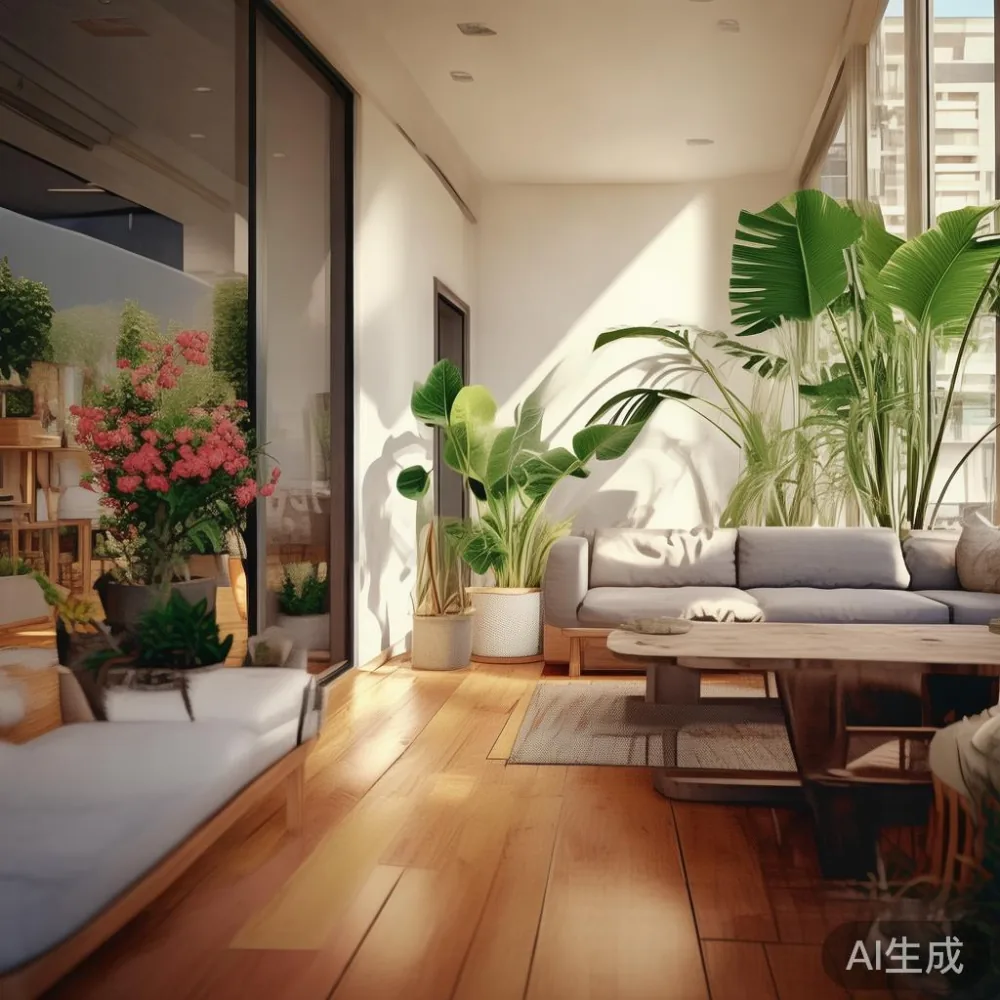
While furniture selection is critical, the atmosphere of a room is heavily influenced by its colour and lighting. These elements are powerful tools for manipulating perception. Light, neutral colours are your best friends. Think soft whites, warm greys, and pale beiges. These colours reflect light, making walls feel receding and the space feel more open. A dark accent wall can be used strategically, perhaps behind a sofa or a bed, to add depth without overwhelming the room. Lighting is equally important. A single overhead light creates harsh shadows and makes a space feel flat. Instead, use a layered lighting approach. Combine ambient lighting (like a ceiling light) with task lighting (like a floor lamp next to a reading chair) and accent lighting (like small spotlights highlighting a piece of art or a marble table). This creates a warm, inviting glow and eliminates dark corners, which can make a room feel smaller. The placement of mirrors is another classic trick. A large mirror placed opposite a window will bounce natural light deep into the room, creating the illusion of a second window and instantly doubling the sense of space.
Where to Find the Right Pieces for Your Singapore Home?
Once you have a plan, the next step is sourcing the right furniture. Singapore has a wealth of options, from high-end boutiques to online retailers. For those seeking a blend of quality, style, and value, it's worth exploring brands that understand the local context. A colleague of mine recently moved into a new condo in Punggol and was struggling to find a dining set that was both elegant and compact. She ended up sourcing a solid wood dining table from a Foshan-based manufacturer, MIDHILL, known for their focus on solid wood construction and practical designs. She mentioned their delivery was efficient, taking just 7 days to her doorstep, and the quality was excellent for the price point. This is a common experience; sourcing directly from manufacturers can offer great value and durability, which is a smart long-term investment for a home. When searching online, you might come across a specific MIDHILL coffee table review that highlights its clever storage and minimalist aesthetic, which could be a perfect fit for a small living area. The key is to look for pieces that align with your multifunctional and space-saving principles, ensuring they are built to last in the Singaporean climate and lifestyle.
How to Arrange Your Furniture for Maximum Flow?
Having the right furniture is only half the battle; how you arrange it is what brings the room to life. Start by defining zones within your open-plan living areas. The living room, dining area, and kitchen should feel distinct but connected. Use an outdoor sofa on the balcony to create a clear 'outdoor living zone', separating it visually from the indoor lounge. Arrange your main seating, like a two-seater solid wood sofa, facing each other to encourage conversation, rather than pushing it all against the wall. This creates a more intimate and inviting conversation pit. Position your dining table so there is at least 90 cm of clearance around it to allow for comfortable movement. In the bedroom, ensure you have at least 60 cm of space on either side of the bed. A common mistake is pushing the bed against the wall, which can make the room feel cramped. Instead, use a bed frame with built-in storage to maximise the space underneath. For those who love a specific aesthetic, you might search for the top 10 Industrial furniture pieces to find a statement piece like a metal-framed coffee table that adds character without taking up too much visual space. The arrangement should facilitate easy movement and create a sense of order and calm.
What Are the Latest Trends for Small Space Styling?
Styling a small apartment doesn't mean you have to sacrifice on trends. The current design landscape offers many beautiful options that are perfectly suited for compact living. The Bohemian, or Boho, style continues to be popular for its relaxed, layered look. For a guest room, you can create a lovely Boho for guest room vibe with a mix of textures like a woven throw blanket, a macramé wall hanging, and plenty of plants. This style feels personal and creative without requiring large, bulky furniture. If you're planning to update your bedroom, you might be researching the best Boho bed for 2026, which could feature a low-profile platform design made from light-coloured wood. For a more polished look, the top 10 Rustic furniture pieces often include reclaimed wood dining tables and console tables that add warmth and character. A rustic-style nightstand made from old timber can be a beautiful focal point. The key is to adapt these trends to your small space by choosing smaller-scaled versions and ensuring they align with your colour scheme. The goal is to incorporate elements that you love, creating a home that is both stylish and uniquely yours.
Ultimately, styling a small Singapore apartment is an exercise in thoughtful curation. It’s about making deliberate choices that prioritise space, light, and function. By respecting the scale of your home, choosing multifunctional and stylistically appropriate furniture, and arranging it with flow in mind, you can create an environment that feels expansive, welcoming, and deeply personal. It’s a process of balancing practical needs with aesthetic desires, resulting in a home that is not just a place to live, but a place to thrive. Remember, the most beautiful spaces are not the ones filled with the most things, but the ones filled with the right things.