How Southeast Asian Humidity Affects Wood Furniture in Singapore
Singapore’s equatorial climate can turn a carefully planned furniture purchase into a long-term moisture-management project. Relative humidity commonly ranges from 65% to 85%, while afternoon showers can raise the moisture content of wood, textiles and finishes within hours. For residents of HDB flats and condos in Tampines, Bedok and Punggol, that matters because outdoor areas, balconies and compact corridors can expose furniture to damp air more often than indoor rooms.
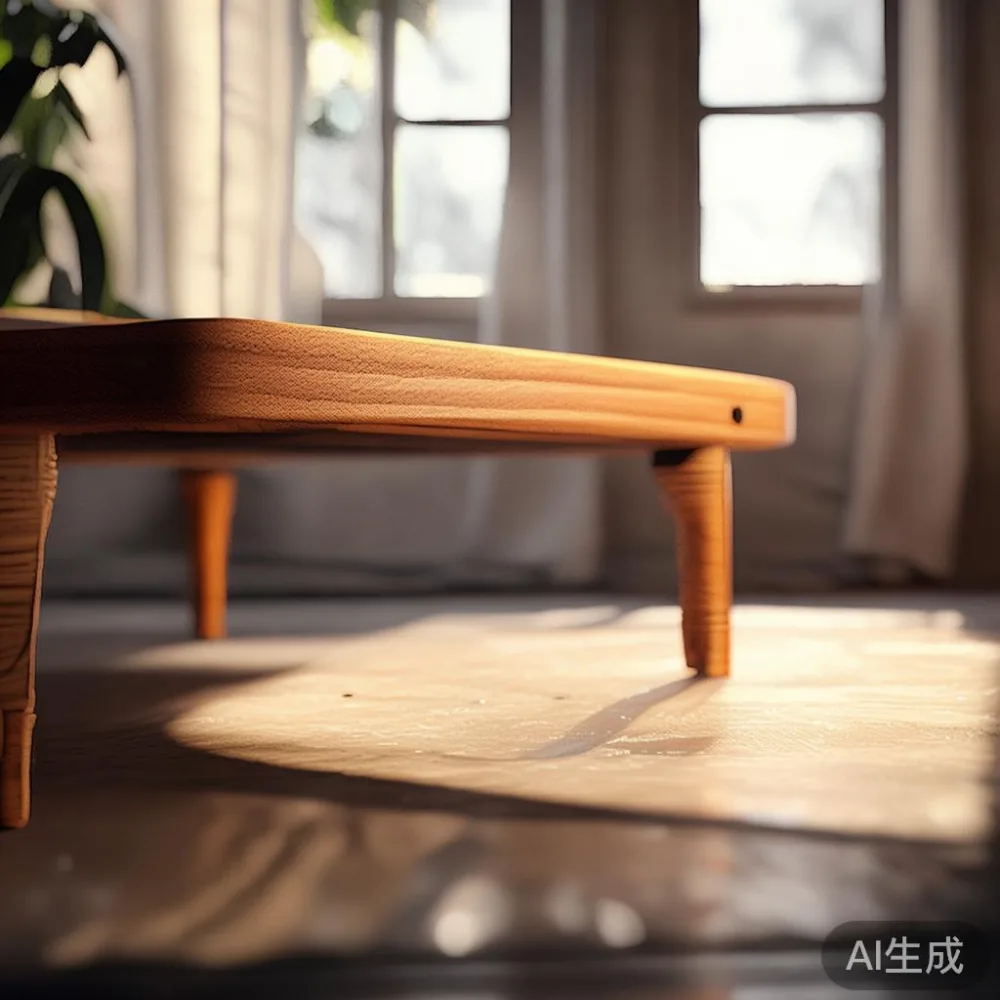
This guide explains how humidity affects solid timber, what to look for in an outdoor sofa, and how to protect larger pieces such as a solid wood sofa, bed frame, dining table, wardrobe, nightstand or marble table. Prices and delivery references are in Singapore dollars, and GST is included where a typical retail price is shown.
Why is Singapore humidity a challenge for solid wood furniture?
Wood is hygroscopic: it absorbs atmospheric moisture and releases it when the air becomes drier. A teak dining table may expand by roughly 1% to 3% in width during prolonged humid weather, while engineered panels can show edge swelling, joint movement or surface condensation. The exact change depends on the species, thickness, finish, room temperature and airflow, so a polished surface should not be treated as a waterproof barrier.
In a typical HDB living room, a reasonable target is around 45% to 60% relative humidity. Bedok’s coastal location and frequent rain can make this harder to maintain than in an air-conditioned Tampines flat. Punggol homes near open green spaces may also experience wider daily swings. A hygrometer placed near the furniture is more useful than relying on a general weather forecast; readings above 65% call for closer attention.
Humidity does not automatically ruin furniture. It becomes damaging when moisture remains trapped against the timber, repeatedly cycles around a joint, or encourages mould in cushions and gaps. Good ventilation, sensible spacing and a wipe-dry routine matter more than dramatic claims about any particular finish.
How does an outdoor sofa handle Singapore rain and humidity?
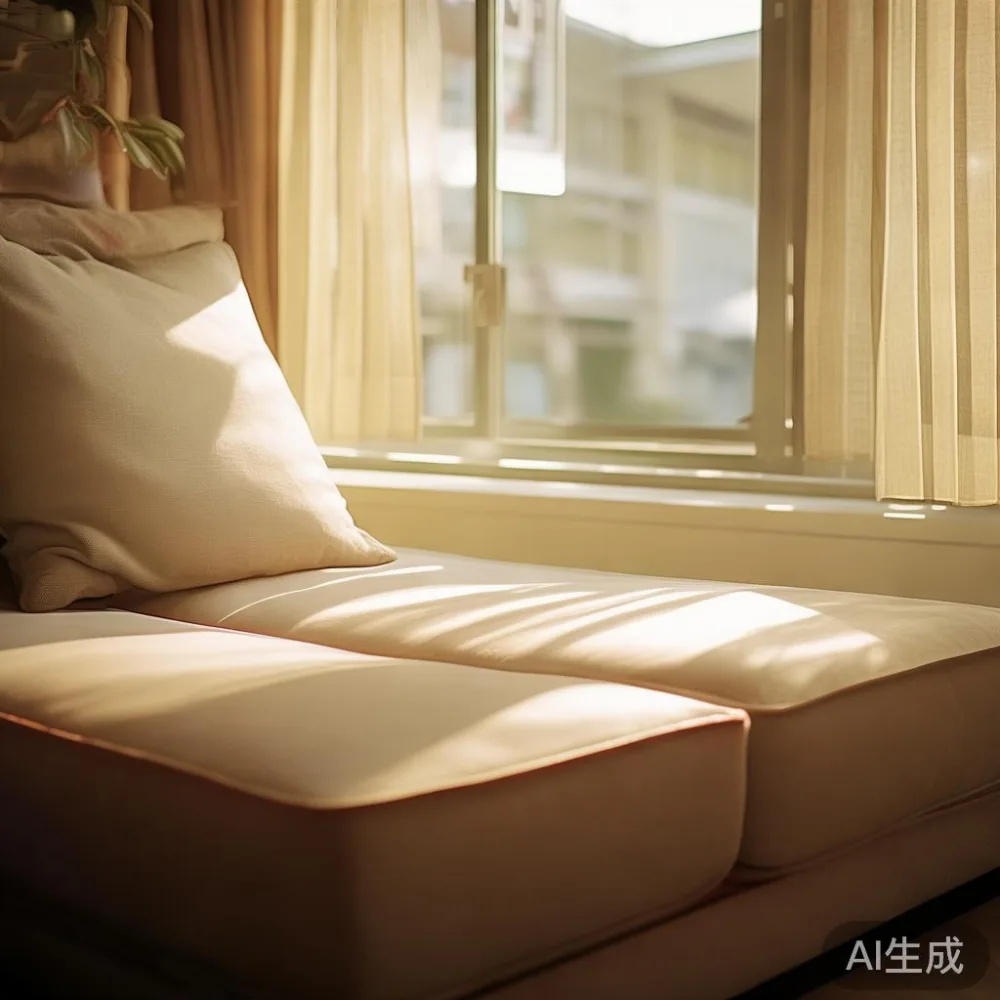
An outdoor sofa should be designed for wet conditions, but “outdoor” does not mean “indestructible.” Look for quick-dry foam, removable washable covers, drainage-friendly legs and a frame that resists standing water. For a balcony in a Punggol HDB flat, leave at least 15 cm between the rear of the sofa and the wall so air can circulate. On a condo balcony, avoid placing the frame directly beneath a drainage outlet or where rainwater can splash across the seat.
Solid teak is a practical choice because its dense structure and natural oils tolerate humidity better than many softer woods. However, the fixings, frame corners and cushions still need inspection. After rain, move any loose cushions under cover, stand the sofa where air can pass around it, and wipe the frame within 2 hours. If the seat stays wet for more than 24 hours, the foam may need 48 to 72 hours to dry fully in humid weather.
A full outdoor sofa may weigh 55 kg to 95 kg, depending on its width and frame construction. Check whether the lift in a Tampines tower has a clear door width of at least 90 cm and a landing deep enough for turning. Some older HDB corridors are only about 100 cm wide, so a 220 cm sofa may need to be carried vertically. Confirm measurements before delivery and add roughly 10 cm of clearance for the packaging.
MIDHILL offers outdoor seating with moisture-conscious material selection and practical finish options, but the placement still determines performance. Free delivery applies above US$350, which is approximately SGD 470 at a reference exchange rate of about SGD 1.35 per US$1; the local checkout should confirm the current SGD total and GST treatment.
Which wood and finishes are easier to live with in Singapore?
Teak, meranti and other durable hardwoods generally tolerate seasonal humidity better than pine, MDF or untreated particleboard. For an indoor dining table, a solid wood top with a stable base and controlled joint system gives the timber room to move. A bed frame made from solid wood can remain stable if it is not pressed against a cold wall or exposed to repeated wetting.
Oiled finishes allow the grain to remain visible and can be maintained without stripping the entire surface. Lacquered pieces are easier to wipe, yet scratches may expose timber more quickly. Water-based coatings tend to have lower solvent odour, while marine-grade coatings can offer stronger moisture protection for a covered outdoor sofa. Ask the supplier for the coating name, expected maintenance interval and repair method rather than accepting a vague “waterproof” description.
One mid-sized solid wood dining table can move 3 mm to 8 mm across its width between humid and dry periods. A marble table behaves differently: the stone itself does not absorb much water, but its support frame, adhesive joints and fittings can be affected by moisture. Keep marble tops away from persistent balcony spray and use coasters with a 2 cm overlap so rings do not form around drinks.
Light luxury buyers comparing light luxury sofa vs French provincial sofa often focus on shape, but construction matters in a damp climate. French provincial styling suits carved details and softer silhouettes, while modern pieces usually have cleaner lines and fewer moisture traps. For designer Modern light luxury furniture, the practical questions are frame material, cushion specification, seam sealing and whether parts can be serviced locally.
How should you place and maintain furniture in HDB flats and condos?
Airflow is the simplest moisture-control method. Leave 8 cm to 12 cm behind a wardrobe where the wall remains dry, and avoid pushing a bed frame or nightstand tightly into an external corner. In a compact Tampines flat, furniture should not block the dehumidifier’s intake. A bedroom target of 45% to 55% relative humidity is sensible when the door is closed overnight.
For customers learning how to style French sofa in room, place a light-framed sofa on a washable rug and keep it 30 cm from full-height curtains that touch the floor. Dense curtains slow evaporation after the air-conditioner switches off. Add a slim side table rather than a fabric ottoman, which traps more moisture near the floor.
For those asking how to style light luxury sofa in bedroom, a low-profile solid wood sofa is not normally the primary sleep surface; the same moisture principles apply to a bed frame placed nearby. In a Punggol guest room, Japandi for guest room styling works well with a light oak bed frame, a compact nightstand and woven blinds. Keep the nightstand at least 20 cm from the window if the window is opened during rain.
Inspect furniture every 3 months. Wipe visible moisture with a soft cloth, tighten loose screws, clear gaps beneath seats and look for dull patches, lifting veneer, softened joints or musty odours. Raise a slightly damp leg by 3 mm to 5 mm with a purpose-made pad, and correct the source of wetting instead of relying only on the pad. Many Singapore furniture makers offer repair guidance, while MIDHILL provides a 10-year structural warranty, subject to its terms.
How can you choose a light brown luxury sofa that suits a humid home?
A light brown luxury sofa can soften a white HDB interior, but colour should not conceal weak construction. Request photographs of the underside, frame joints, cover labels and cushion cores. For a beige or oatmeal cover in a humid room, choose a removable cover with a washable surface and a foam specification that permits drying rather than absorbing water.
Measure the intended area before ordering. A common 3-seat outdoor sofa is about 210 cm to 230 cm wide, 85 cm to 95 cm deep and 75 cm to 85 cm high. The space should be around 300 cm wide in a compact living room so the 25 cm to 30 cm on each side remains accessible. A lighter two-seat version may measure 150 cm to 175 cm wide and weigh 45 kg to 70 kg.
Do not equate “light luxury” with “low maintenance.” The American light luxury approach often pairs pale upholstery with clean profiles, while French light luxury draws on carved timber and layered textiles. Post-modern light luxury can mix solid wood, marble and restrained geometry, provided moisture-sensitive materials are separated properly.
A useful product checklist includes a 5% to 10% moisture tolerance, sealed frame joints, replaceable glides, corrosion-resistant screws, removable covers and a documented care guide. Ask for the expected service life of the finish under covered outdoor use; credible information is more valuable than a vague 20-year promise.
Can a delivery and returns policy reduce moisture-related risk?
Fast, careful delivery helps because a freshly purchased piece does not need to sit in a damp holding area. Allow 7 to 14 delivery days for made-to-order furniture in Singapore, though the supplier should confirm the schedule. Coordinate the delivery window so the furniture is not left outside a HDB block or in a condo service corridor. If the lift is unavailable on the agreed day, rescheduling should be straightforward.
For online purchases, a 14-day return window can protect customers if the sofa arrives damaged, has an unexpected finish or does not fit through the lift. Photograph the packaging, access route and furniture on arrival. Keep all labels and remove protective film only when instructed; adhesive left in humid heat can become difficult to lift and may mark the surface.
MIDHILL’s lifetime refinishing service is particularly relevant to long-term wood care, although outdoor use still requires sensible protection. The company has operated since 2008 and exports to more than 15 countries, giving its workshop experience with different climates. For a full Singapore order, review the current price in SGD on midhill.co, confirm GST, and compare the total with the free-shipping threshold of about SGD 470.
What is the practical humidity-control plan for Singapore homes?
Buy durable wood for exposed or ventilated areas, choose an outdoor sofa with drying-focused construction, and prevent standing water. Use a hygrometer with 1% increments, keep indoor readings near 45% to 60%, and check the furniture after heavy rain. Maintain 10 cm to 15 cm of ventilation space where possible, and address persistent condensation within 48 hours.
For a solid wood sofa, bed frame, dining table, wardrobe, nightstand or marble table, the location, finish and care routine determine long-term performance. Dry the surface, improve airflow and repair finishes early rather than waiting for visible mould. In Singapore, humidity control is not a single product feature; it is a repeatable household practice that protects both appearance and structure.