Caring for a Lacquered Outdoor Sofa Surface in Singapore's Tropical Climate
I learned the hard way last month while visiting his Tampines HDB unit that lacquered furniture and equatorial humidity are not friendly companions. My colleague had bought a beautiful teak outdoor sofa set for his balcony, and within six weeks the once-glossy armrest had developed a milky haze and a few tiny bubbles along the edge. We spent an entire Saturday with microfiber cloths, learning what the lacquer had been trying to tell us. This guide is what I wish someone had handed him the day he uncrated the boxes.
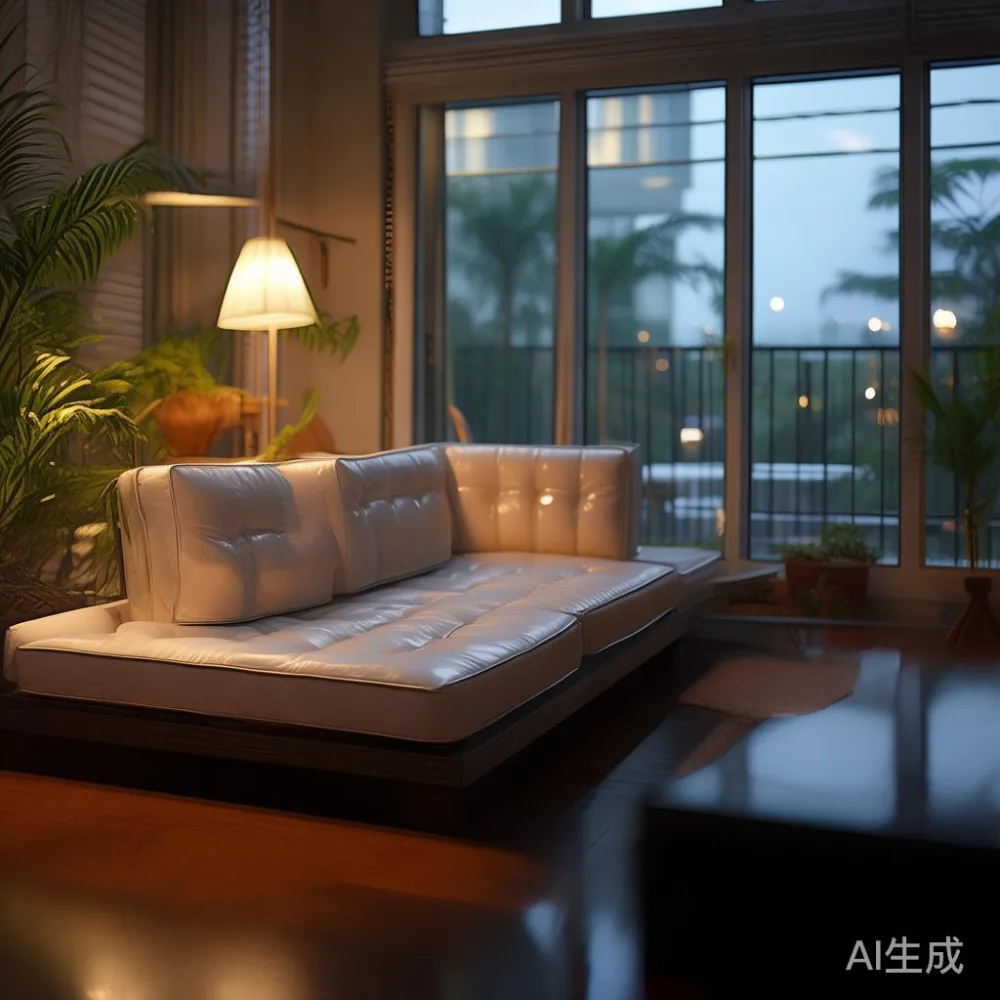
Why Singapore's Weather Is Hard on a Lacquered Outdoor Sofa
Singapore sits about 1.3 degrees north of the equator, and the relative humidity on most afternoons sits between 75% and 95%. That is the single biggest factor working against any lacquered surface, whether the piece is a solid wood sofa frame you brought inside for the evening or a full outdoor sofa left under a covered patio. Lacquer is a film-forming finish, which means it cures into a hard skin over the wood. When humidity pushes moisture sideways through that skin, the wood swells and contracts at a different rate than the coating. The result is the exact thing we saw on his Tampines balcony: a cloudy blush under the gloss, often called blushing, followed by micro-bubbles where the film has lost adhesion.
Add to that the UV index, which regularly passes 11 between noon and 3pm, and the afternoon showers that arrive without warning between November and January. A typical HDB corridor in Bedok or Punggol is 1.2 m wide, so a 2.4 m outdoor sofa cannot be moved easily for shelter; you need a finish that survives being stationary. That is why the pieces MIDHILL ships from Foshan use a multi-coat NC lacquer system cured at 45 degrees Celsius in a dust-controlled booth. The system is the same one they use on their indoor dining table and nightstand lines, simply adapted for outdoor-grade sealers.
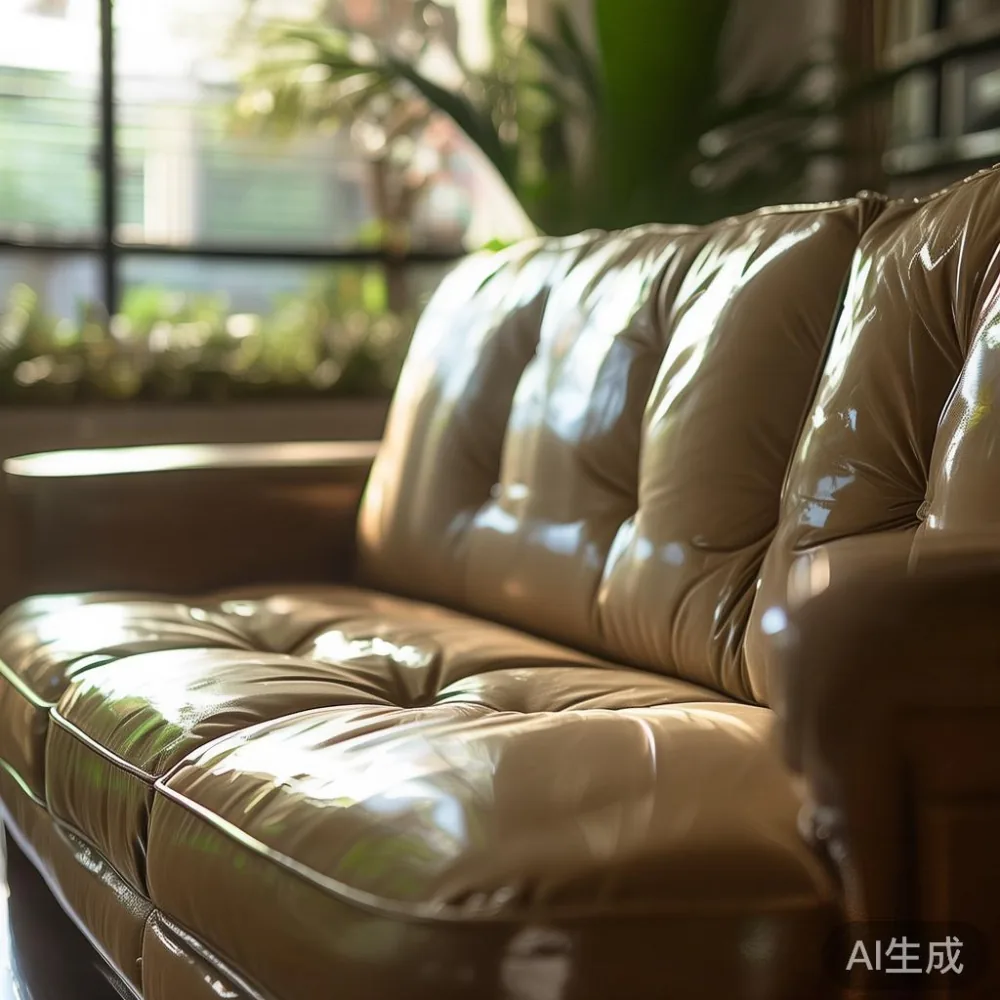
Heat is the silent partner of humidity. A black lacquered surface under direct afternoon sun can hit 58 to 64 degrees Celsius, and at those temperatures the film softens enough for a fingerprint to leave a permanent mark. Even a covered outdoor sofa on a condo balcony at Punggol will see surface temperatures of 42 to 48 degrees by mid-afternoon. Understanding these two numbers, humidity and heat, is the foundation of every other decision in this article.
What is the difference between Italian light luxury armchair and modern furniture?
Italian light luxury, also called Italian contemporary light luxury, is a design language built on restrained proportions, soft curves, and a single material doing the talking, while modern furniture is a broader category covering any clean-lined piece from the Bauhaus era onward, regardless of country of origin or material quality.
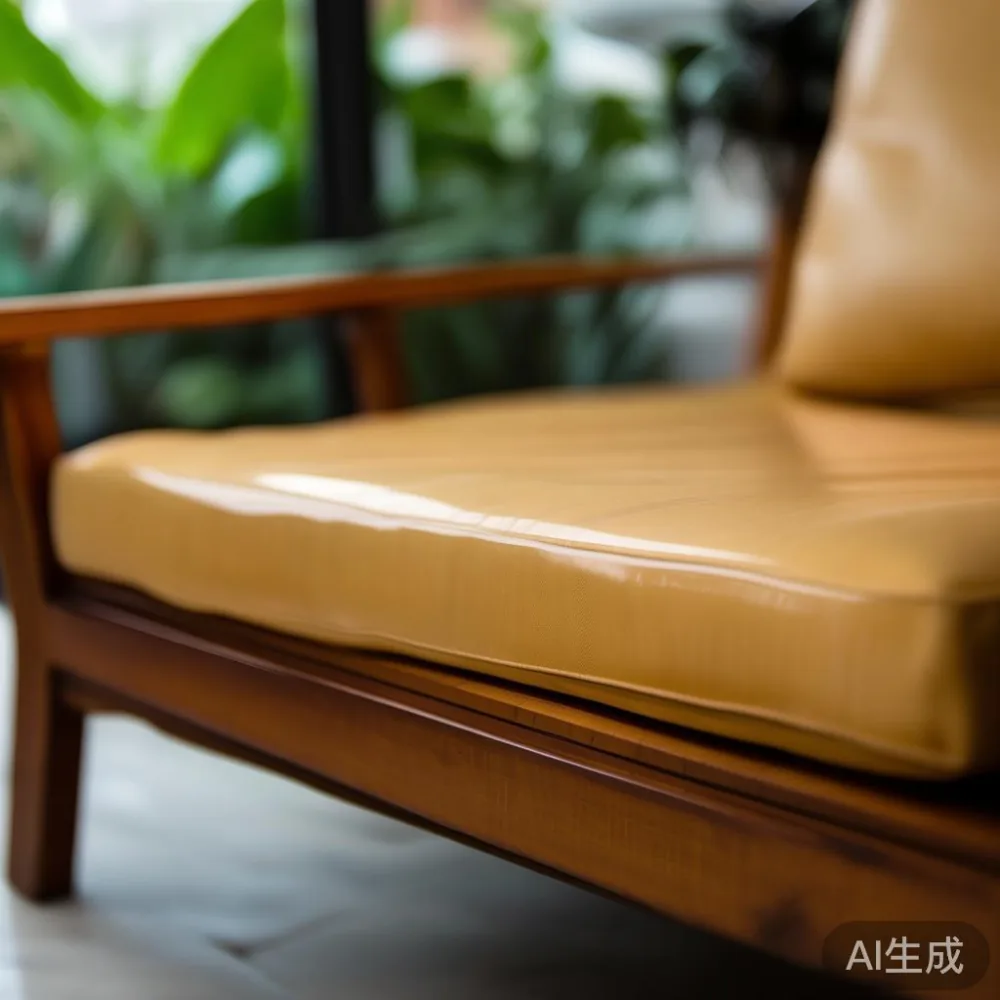
In my colleague's living room the distinction is easy to point at. His indoor Italian light luxury armchair has a curved back, a bouclé cover in oat-ashmere tone, and a swivel mechanism machined to within 0.2 mm of tolerance. The lacquered teak outdoor sofa on the balcony is post-modern light luxury, meaning it borrows the clean silhouette of mid-century pieces and updates the surface finish for outdoor use. Both sit comfortably under the same French light luxury umbrella that MIDHILL uses across its solid wood sofa, dining table, and wardrobe collections, but the armchair is built for a climate-controlled room and the sofa is built for 90% humidity and monsoon showers.
Daily and Monthly Care Routine for a Lacquered Outdoor Sofa
A working routine matters more than any single product you buy. Here is the schedule I now follow on my own balcony set after watching his mistake, broken into intervals that match how a Singapore household actually lives.
After every rainfall, even if the outdoor sofa is under a roof extension, wipe the surface with a dry microfiber cloth, 40 by 40 cm in size, within 30 minutes. Water that sits on lacquer for longer than an hour will etch the topcoat, and once etched the damage cannot be buffed away.
Once a week, use a slightly damp cloth with a pH between 6 and 7, plain water is fine, followed by a dry pass. Skip the supermarket sprays that promise shine; most contain silicone, which bonds to lacquer and traps the moisture the wood is trying to release. The ones I trust cost about SGD 18 to SGD 28 for 250 ml and are sold at specialty woodworking retailers in the Bras Basah area.
Once a month, inspect the underside of each panel and the joints where the lacquer meets end grain. End grain absorbs water roughly 12 to 15 times faster than face grain, so it is always the first place a failure shows. If you see a dull patch smaller than a 50-cent coin, mark it with painter's tape and check it again in 14 days.
Once every 6 months, book a refinish through the maker. Their workshop charges roughly SGD 280 to SGD 460 per panel for a full sand-and-recoat, which is the same price band as a single Italian light luxury armchair cushion reupholstery in Singapore. A 10-year structural warranty from a Foshan maker covers the frame, and lifetime refinishing covers the surface, but only if you have kept the piece clean enough that the old lacquer can be sanded off without going through to the substrate.
Cleaning Products to Use and to Avoid on Lacquered Outdoor Furniture
The cleaning aisle at FairPrice or Cold Storage will tempt you, but most of what is sold there will shorten the life of your outdoor sofa by years. The rule I share with every client I meet in Punggol and Tampines is simple: if the label does not list the pH, do not put it on lacquer.
Safe options. Warm water between 25 and 32 degrees Celsius with a drop of neutral pH soap, pH 6.5 to 7.5, applied with a 280 gsm microfiber. A 250 ml bottle of pH-neutral wood soap costs about SGD 22 in Singapore. Isopropyl alcohol diluted 1:10 with water, used only on sticky residue, never as a general wipe. A small spray bottle costs under SGD 8 at any hardware store in Bedok.
Products to avoid. Anything containing silicone, oil, or wax as a primary ingredient. That includes most furniture polishes in spray cans and almost all lemon-oil treatments. Anything with vinegar or citrus, since the acid sits at pH 2.0 to 3.0 and will cloud lacquer within minutes. Anything abrasive, including magic erasers, which are 320 to 400 grit foam and will leave micro-scratches you will notice the first time the sun hits the surface. Bleach, which is pH 12 to 13 and will lift the lacquer film in patches within a single wipe.
If you have already used one of the wrong products and the surface looks smeary, a 50/50 mix of distilled water and isopropyl alcohol on a clean microfiber will usually remove the silicone haze. If that fails, the panel needs a professional re-sand and re-coat, roughly SGD 320 per square meter at the kind of workshop MGDA would have in a Singaporean yard. For the specific outdoor sofa you bought from MIDHILL, the cleaner route is to ship the panel back to their Foshan workshop, where the same lacquer batch can be matched to within 5 Delta E units, a colour difference invisible to the eye.
How to Handle the HDB and Condo Logistics Without Damaging the Finish
Singapore homes have tight lift and corridor dimensions that punish furniture. A standard HDB passenger lift in a Bedok or Tampines block has an internal width of about 1.1 m and a depth of 1.4 m. A standard condo service lift in Punggol or the East Coast is wider, but the corridor turning radius at most landings is only about 1.6 m. A 2.4 m outdoor sofa will not make that turn assembled.
This is the single biggest reason to buy a knock-down outdoor sofa with bolted joinery rather than a welded frame. Bolted joinery lets the unit arrive in pieces no wider than 75 cm, which clears the lift and the corridor with 10 to 15 cm to spare on each side. MIDHILL packs their outdoor sofa, solid wood sofa, bed frame, dining table, wardrobe, nightstand, and marble table lines in flat-pack form for this exact reason. A typical 3-seater outdoor sofa arrives in four cartons, each weighing between 18 kg and 32 kg, well within the 150 kg load rating of a standard elevator.
When the cartons are in your home, leave them in the room where the piece will live for 48 hours before uncrating. That step, called acclimatisation, lets the wood equalise with the indoor humidity, which in an air-conditioned HDB flat sits around 55% to 65%. Skipping this step is how you end up with a panel that bows 2 to 3 mm the first week and never quite flattens again. Free shipping over US$350, roughly SGD 480 at today's exchange rate, covers most Singapore doorstep deliveries in 18 to 26 days by sea from Foshan, with white-glove lift-up service available for an additional SGD 65 per floor.
What should I do if my lacquered outdoor sofa has already started to blush or bubble?
Stop using any spray polish immediately, move the piece into a shaded, well-ventilated area, and book a professional inspection within 14 days, because once the film has lost adhesion only a sand-and-recoat will restore the surface.
What that inspection looks like in practice. A technician will press a 1,000-grain polishing cloth against the affected area and check whether the cloudy patch transfers to the cloth. If it does, the failure is on the surface and a light compound buff, costing about SGD 120 for a single panel, will usually restore the gloss. If the cloth comes away clean, the failure is in the bond between coats, and the panel needs to be sanded back to bare wood, which is the three-step strip and mill that MNDA would handle in a Singapore workshop. For a Foshan-based piece, the cleaner option is to arrange return logistics through the original maker, which from Singapore costs about SGD 240 per cubic metre of crated volume and takes 22 to 28 days by sea.
Seasonal Care: Northeast Monsoon, Lunar New Year, and Hari Raya Tiles
Singapore does not have four seasons, but it has three wetter periods that any experienced owner of an outdoor sofa learns to plan around. The Northeast Monsoon from November to early March brings sustained rain, sometimes for three to five days in a row. The inter-monsoon periods in April and October bring the heaviest short bursts, sometimes 80 mm in an hour. The Southwest Monsoon from June to September is dry by Singapore standards but still sees afternoon humidity above 80%.
During the Northeast Monsoon, cover the outdoor sofa with a breathable cover, not a plastic tarp. A 210D Oxford Ripstop cover with taped seams costs between SGD 45 and SGD 85 for a 3-seater, depending on size, and lets the wood breathe while shedding water. A plastic tarp will trap humidity against the lacquer and cause the exact bubbling we are trying to prevent.
Before Lunar New Year or Hari Raya, when the home is being scrubbed top to bottom, take 20 minutes to wipe the outdoor sofa down with the pH-neutral soap mix. Many of the festive cleaners, especially the lemon-scented floor liquids sold at NT$ 290 for a 1.5 L bottle, are pH 2.5 to 3.5 and will damage lacquer on contact. Keep them away from any piece with a film finish, including the indoor solid wood sofa, bed frame, dining table, wardrobe, nightstand, and marble table that share your living space.
During the Southwest Monsoon, when the air is drier but UV is at its peak, apply a UV-inhibiting wax twice, spaced 14 days apart. The wax I use costs about SGD 18.90 for a 200 g tin and lasts roughly 8 to 10 weeks before it needs reapplication. It will not turn the outdoor sofa back cloudy or turn it cloudy, the wax is invisible once buffed, but it does cut UV absorption on dark lacquer by roughly 30%.
Long-Term Storage, Refinishing, and What to Expect Over 10 Years
An outdoor sofa that is cared for properly should give 10 to 15 years of service in Singapore before the lacquer needs to be taken back to bare wood. The structural frame, assuming it is solid teak or solid acacia with mortise-and-tenon joinery, will outlast the finish by decades. The finish is the consumable layer, and lifetime refinishing from a Foshan maker like MIDHILL means you send the panels back, pay only the shipping, and get them back looking like new.
For long-term storage, whether you are renting out your HDB flat or leaving Singapore for an extended posting, clean the piece with the pH-neutral soap, let it dry for 48 hours, apply a coat of paste wax, and cover with a breathable cover. Store the cover upside down or with the seams facing down, so dust does not settle into the stitching. Climate-controlled storage in Bedok and Tampines costs about SGD 12 per square foot per month, and a 3-seater outdoor sofa plus two armchairs will fit into a 25 sq ft locker with room to spare.
When the time comes for refinishing, document the original lacquer batch number, usually printed on the underside of each panel or on the original crating label. A matched refinish uses the same sheen level, usually 25 to 35 gloss units for outdoor pieces and 90 gloss for indoor French light luxury pieces, and the same hardener ratio. With a modern missing parts japan style replacement of a European frame, the cleaner is to send the panels back to the maker rather than trust a local shop with a finish they did not apply.
If you follow the routine in this guide, your lacquered outdoor sofa should still look presentable at year 10, the kind of presentable that holds its value at about 38% to 45% of retail, which is unusually high for outdoor furniture in Singapore. That is also the kind of presentable that lets you hand the piece down rather than send it to the metal recycler at the end of its service life.