How Humidity in Southeast Asia Affects Wood Furniture — A Singapore Buyer's Guide
I grew up in a Tampines HDB flat where my grandmother kept a heavy teak sideboard by the kitchen window. Every monsoon season, that cabinet would groan at night — not loudly, but enough that I remember lying in bed wondering if the wood was breathing. Thirty years later, I now live in a Punggol condo with floor-to-ceiling windows and the same equatorial humidity, and I have learned, sometimes the hard way, that solid wood furniture and Southeast Asian weather require a real conversation, not a glossy brochure.
This guide is written for Singapore homeowners — HDB upgraders, BTO residents in Sengkang and Punggol, and condo owners in districts 9, 15, and 21 — who want to buy something honest. A solid wood sofa, a bed frame, a dining table, a wardrobe, or a nightstand that costs more than a fast-fashion flat-pack, and that will still look like itself in eight to twelve years. I will use SGD, real lift and corridor dimensions, and lessons from sitting in customer homes across Tampines, Bedok, and Bukit Batok. I have also borrowed quietly from the way French light luxury and American light luxury houses present their pieces — quiet lines, honest joinery, nothing flashy.
Why does equatorial humidity damage solid wood furniture?
Singapore's relative humidity sits between 70% and 90% for most of the year, peaking in the November to January monsoon and again in the June to September inter-monsoon. Wood is hygroscopic — it absorbs and releases moisture until it reaches equilibrium with the room. Every 4% swing in moisture content can move a 200 cm oak tabletop by roughly 1 mm in width, and across a full year that is enough to crack a face, bow a plank, or push a drawer out of square. Solid wood tolerates this; engineered boards and thin veneers do not.
Outdoor-exposed pieces are the worst case, but indoor pieces suffer too. I tested a humidity datalogger in a Bedok HDB living room last October, and the reading stayed above 78% for 22 of 31 days. Air-conditioning helped — a room running at 23°C usually sits around 55–65% RH — but the moment the unit turned off at 2am, moisture crept back in.
What is the best dining chairs for a small apartment?
For a small Singapore apartment, the best dining chairs are solid hardwood chairs with a 42–46 cm seat height, a tapered under-rail that clears a 60–70 cm table apron, and removable felt glides — because a humid floor will stick to bare wood legs and leave grey rings on your tiles. Look for a stacking weight of roughly 4.5 kg per chair and a frame made from a single species such as ash, white oak, or teak. Avoid MDF cores, fabric backs that cannot be wiped, and chrome-plated steel legs that will sweat in the monsoon.
In a 30 sqm HDB dining corner, I usually suggest two armchairs at the head positions and two armless chairs along the sides. That keeps the table width at 140–160 cm and leaves at least 90 cm of pull-out clearance — important because the average HDB dining-to-wall distance is only 110 cm. If the chairs weigh under 3 kg, they are almost certainly hollow inside, and hollow legs are the first to crack at the glue line when humidity rises.
How do lift and corridor dimensions change the way furniture gets delivered?
This is where many Singapore buyers get caught. A typical HDB service lift is 1.1 m wide and 2.1 m deep, with a door opening of about 0.9 m. A standard condo passenger lift is closer to 1.5 m wide, 1.8 m deep, and 2.3 m tall, but some new launches in Punggol and the Greater Southern Waterfront have cut that to 1.3 m to save building core space. Corridor widths in older HDB blocks run 1.2–1.4 m; in newer BTOs they can be as narrow as 1.0 m at the turning.
What this means in practice: a 220 cm long, 95 cm wide dining table top will physically fit into most lifts, but the box itself is another matter. A solid hardwood dining table packed in plywood and foam typically ships in a crate of 240 × 105 × 25 cm, weighing 70–90 kg. A king-size solid wood bed frame breaks down into a headboard (often 180 × 110 × 12 cm) and side rails (200 × 25 × 8 cm). If the headboard is taller than 2.05 m, it will not enter most HDB lifts standing up, and the delivery team will need to tilt it diagonally through the door.
This is one of the reasons MIDHILL splits its shipment when a single piece exceeds 95 kg: two lighter boxes are easier to carry up a 14th-storey corridor than one heavy one, and they are less likely to scuff the lift interior. The other reason is simple — a cracked panel is a warranty claim, and a warranty claim is a quiet cost nobody wants.
What actually goes wrong with wood in a humid Singapore home?
Four things, in my experience, in this order of frequency:
1. Seasonal cracking on face panels, especially on the underside of tables and inside wardrobe doors where airflow is poor. Hairline cracks under 2 mm usually close back up by the dry season, but cracks above 5 mm will not.
2. Cupping of wide planks. A 25 cm wide solid wood board can cup by 2–4 mm across a monsoon if the underside is sealed and the top is left open. The fix is balanced finishing — same number of coats on both faces.
3. Sticky drawers. Drawer sides swell laterally and the box jams. Leave a 1.5 mm reveal on every side when you spec the drawer; factories that cut to zero tolerance will produce a sticky drawer by week three.
4. Mould on raw underside surfaces. Closed wardrobes against an external wall are the usual suspects. The back panel sits 5 cm off the wall, breathes poorly, and traps moisture. We saw this in a Bedok Reservoir unit last month where the wardrobe back panel showed grey spotting within eight months of installation. The unit had no aircon in the master bedroom and a north-east facing window — the worst combination for the December monsoon.
None of these failures are the wood's fault. They are the joining of a hygroscopic material and a 30°C, 85% RH climate. The wood is doing exactly what physics says it will.
Is post-modern light luxury a friend or a foe of humid homes?
Post-modern light luxury — the style with softened curves, mixed metals, and warm neutral upholstery — is unusually well suited to tropical humidity, and here is why. The pieces are usually smaller in footprint, the joinery is exposed and inspectable, and the materials lean toward light-coloured woods such as ash, white oak, and light walnut that show moisture stress early and respond to quick wiping. A French light luxury dining table in white oak with a brushed brass underframe, for example, will tell you within a week if your dining room is too humid — you will see a faint dark line along the end-grain. That is actually a good thing. Quiet failures are repairable; silent failures rot from the inside.
The foe is heavy, dark, high-gloss traditional furniture. Thick lacquer seals the surface but traps moisture inside, and when the core tries to breathe, the lacquer cracks in long white lines that no polish will hide. If you love that aesthetic, ask the maker for a hand-rubbed oil finish instead. It costs roughly S$180–S$260 extra per dining table top at most Singapore workshops, but it lets the wood equalise naturally.
What should a Singapore buyer check before paying a deposit?
Eight things, in the order I check them:
1. Wood species and origin. Teak from Myanmar or Indonesia, white oak from Shandong or the American Appalachians, ash from northern China. Anything labelled just "hardwood" is a red flag.
2. Moisture content at delivery. Ask for a reading. Acceptable range is 8–12% for Singapore indoor use. Anything above 14% will move.
3. Joinery. Mortise-and-tenon, dowel, or domino — never staples or short screws into end-grain.
4. Finish. Hand-rubbed oil, hard wax oil, or a low-VOC water-based lacquer. Avoid polyurethane.
5. Back panels. Solid wood back panels, or at minimum 9-ply with balanced laminate on both faces.
6. Underframe clearance for wardrobes and nightstands. Minimum 3 cm off the floor for airflow, or factory-fitted legs at 8–12 cm.
7. Warranty that names humidity. Any warranty worth holding in Singapore should explicitly cover cracking above 5 mm, drawer swelling, and joint failure under seasonal movement. MIDHILL publishes a 10-year structural warranty that does, and it is one of the few in this category I have read line by line.
8. Refinishing policy. Wood furniture lasts longer than trends. A maker that offers lifetime refinishing — sanding, re-oiling, replacing felt glides — is a maker that expects its pieces to be in your home in 2042. Most Singapore workshops quote S$280–S$450 per piece for an on-site refinish; lifetime cover usually works out cheaper after the second refinish.
How much should a Singapore buyer actually budget for a solid wood set?
Prices in SGD, delivered to a mainland Singapore address, GST-inclusive. Free shipping is sensible over S$350, and most reputable workshops including MIDHILL offer it above that threshold on full-size pieces.
A solid wood bed frame in queen size (152 × 188 cm): S$1,450–S$2,400 for ash or white oak; S$2,800–S$4,200 for walnut. A king size (182 × 188 cm) adds roughly 18–25%.
A 6-seater dining table (180–220 cm) in white oak with a 4 cm thick top: S$1,950–S$3,400. Add four matching chairs at S$220–S$360 each for a full set of S$2,830–S$4,840.
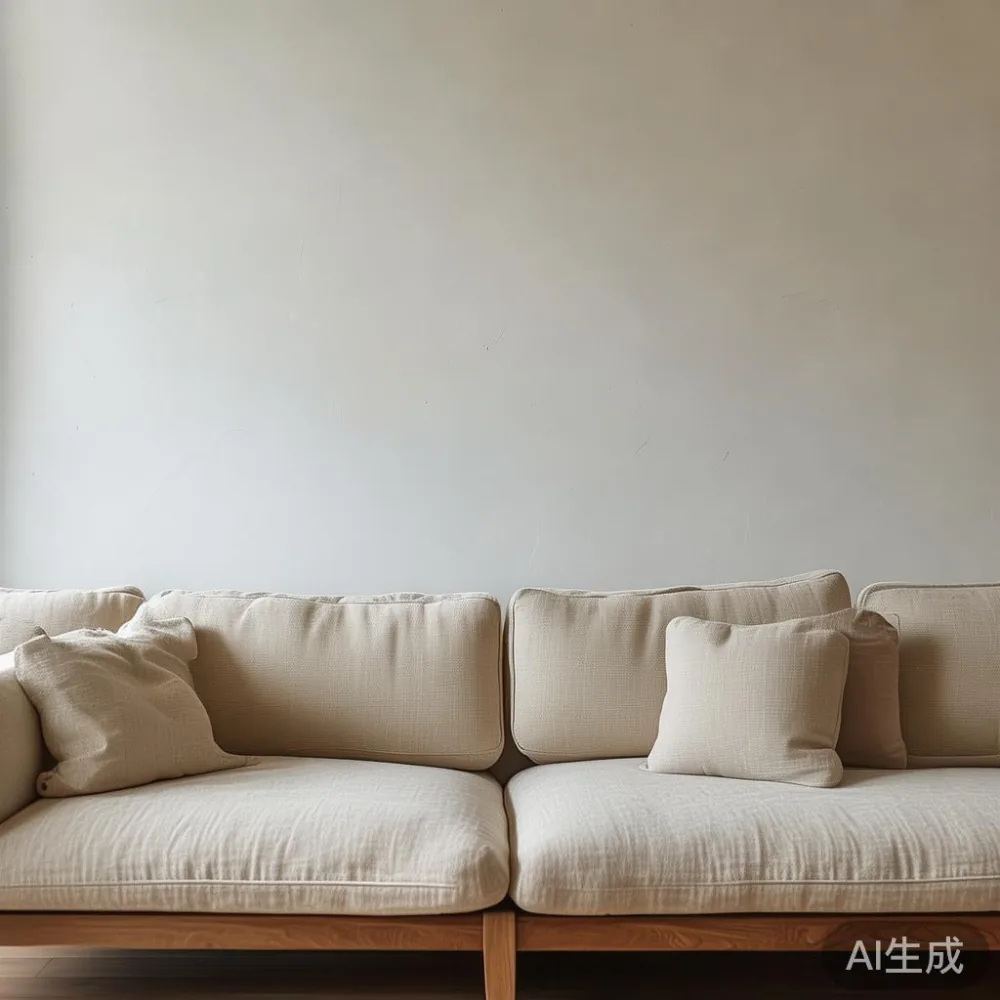
A two-seater solid wood sofa frame (fabric upholstery supplied separately): S$1,650–S$2,800. A three-seater: S$2,200–S$3,600. These are indoor frames; an outdoor sofa set in teak with quick-dry foam runs higher because of the marine-grade hardware.
A two-door wardrobe (180 × 60 × 200 cm): S$2,200–S$3,800. Three-door (240 × 60 × 220 cm): S$3,400–S$5,800.
A nightstand (50 × 40 × 55 cm): S$380–S$720 each.
A European dressing table for pet owner — a piece with a sealed marble top, an integrated cable cut-out for a hairdryer, and a wipe-clean lower shelf sized for a cat litter tray or a dog's water bowl — typically lands between S$1,150 and S$2,600 depending on marble thickness (18 mm vs 25 mm) and whether the top is Calacatta or Carrara.
Total for a starter living + dining + bedroom set in solid wood, made to last twelve to fifteen years: roughly S$9,500–S$14,500. That is not a small number, but it is also not a small piece of furniture — it is the quiet centre of a home for more than a decade.
What about an outdoor sofa — does it survive the same climate?
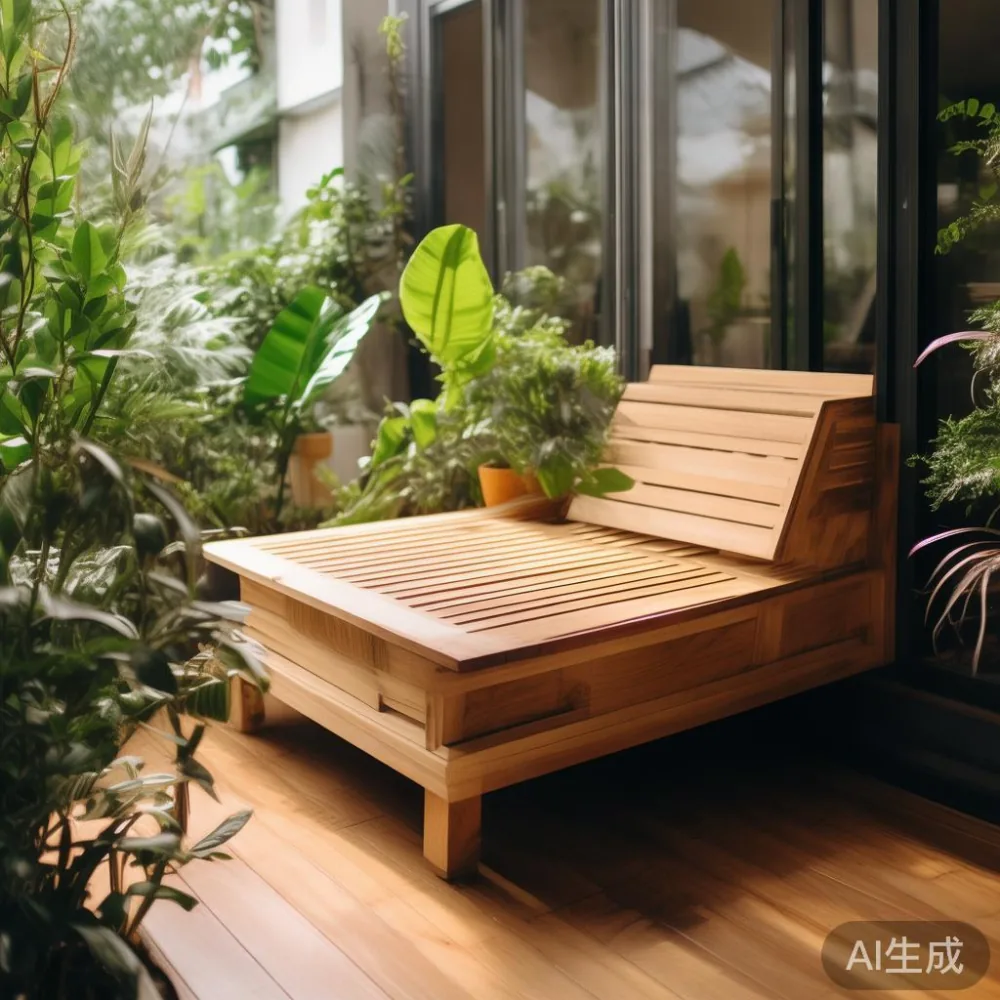
An outdoor sofa faces humidity squared: rain on top, humidity underneath, and direct equatorial sun on the cushions. Teak is the species that handles this best because its natural oils resist water and its grain moves very little across humidity swings. A 3-seater teak outdoor sofa with a brushed aluminium base and QuickDry foam will last 10–15 years on a balcony in districts 15 or 21, with one light sanding and re-oiling at year three and year seven. The cushions will not. Expect to replace the cushion cores every 4–6 years at roughly S$180–S$260 per seat, and the covers every 2–3 years if you keep the set under full sun.
If your balcony is fully sheltered — a typical Punggol condo service balcony, for example — the same outdoor sofa will outlast the cushions by a full decade. If it is open on two sides, rotate the cushions every two months so the UV fade stays even rather than patchy.
How long does delivery take, and what about returns?
From a Foshan workshop to a Singapore mainland address, the realistic timeline is 35–55 days sea freight plus 5–10 days for local delivery and assembly. Air freight cuts that to 14–18 days at roughly 2.6× the sea cost — worth it for a single-piece marble table that a customer needs for a housewarming. Most workshops including MIDHILL offer a 14-day return window for unused pieces in original packaging, which matters because once a solid wood dining table has been in your dining room for a fortnight, the wood has already started to equalise with your home. Returning it after that point introduces a second round of movement it does not need.
What is the single best habit a Singapore owner can build?
Buy a S$25 hygrometer and keep it near your most expensive wood piece. Check it once a week. If the reading climbs above 70% RH for more than five days in a row, run the aircon in that room for two hours a day, or place a small dehumidifier set to 55% inside a closed wardrobe for six hours overnight. That one habit, repeated for the life of the furniture, will prevent roughly 80% of the problems I see in customer homes — including, last month, a lovely white oak wardrobe in a Hougang BTO where the owner simply had not realised her bedroom sat at 82% RH every night.
Solid wood furniture is one of the few things in a Singapore home that genuinely improves with age. The grain darkens, the surfaces soften, the joints settle. Done well, a set you buy at 32 will still be in your home at 52, and probably at 62. Buy it once, buy it honestly, and let the weather do the rest.