Working through Singapore's Humidity: A Guide to Preserving Your Solid Wood Furniture
Living in Singapore, with its year-round high humidity levels, presents a unique challenge for homeowners who appreciate natural materials. The warm, moist air is a constant companion, seeping into our HDB flats in Tampines, condos in Bedok, and new developments in Punggol. For those who invest in solid wood furniture, this environment is more than just a climate detail; it's a silent agent of change. Understanding how humidity interacts with wood is the first step toward ensuring your cherished pieces, from a solid wood sofa to a marble table, remain beautiful and functional for decades.
Why Does Humidity Affect Wood Furniture So Much in Singapore?
Wood is a hygroscopic material, which is a scientific way of saying it absorbs and releases moisture from the air. In Singapore, the relative humidity rarely drops below 60% and often climbs to 80% or more. This constant moisture exposure causes wood to expand. The cellular structure of the wood absorbs water, causing the fibers to swell. The reverse happens during drier periods, though these are rare in our climate, causing the wood to contract. This continuous cycle of expansion and contraction is the primary source of damage.
Consider a solid wood dining table. A table that measures 180 cm in length might expand by as much as 1.5 cm in width during the wettest months. While this might seem minor, the stress placed on the joints, especially in a table with a fixed design, can lead to cracking, warping, or even joint failure. This is why choosing the right furniture and understanding its construction is so important. A poorly made piece will show signs of stress much faster than one crafted with the humid Singapore climate in mind.
What Are the Visible Signs of Humidity Damage on Wood?
The effects of humidity aren't always immediate, but they are often unmistakable once they appear. Recognizing these signs early can help you take corrective action before the damage becomes irreversible. The most common manifestations of humidity stress on wood furniture include:
- Cracking and Gapping: As wood expands, it can split along the grain. This is particularly common on tabletops, chair seats, and the surfaces of a solid wood sofa. You might notice new hairline fractures appearing, or existing gaps widening, especially around the legs or between planks.
- Warping and Bowing:
- Sticking Drawers and Doors: A wardrobe's door or a nightstand's drawer that becomes difficult to open is a classic sign of swelling. The expanding wood has increased in size, jamming it in the frame. This can be frustrating and, if forced, can damage the finish or the wood itself.
- Mold and Mildew: The high humidity creates a perfect breeding ground for mold and mildew. This often appears as small black or white spots on the wood's surface, particularly in poorly ventilated areas like the back of a sofa placed against a wall or inside a closed wardrobe.
How to Choose the Right Wood for Singapore's Climate?
Not all woods react to humidity in the same way. When selecting furniture for your home, it's wise to choose species known for their stability. These woods have a lower tendency to expand and contract, making them better suited for Singapore's environment. Some excellent choices include:
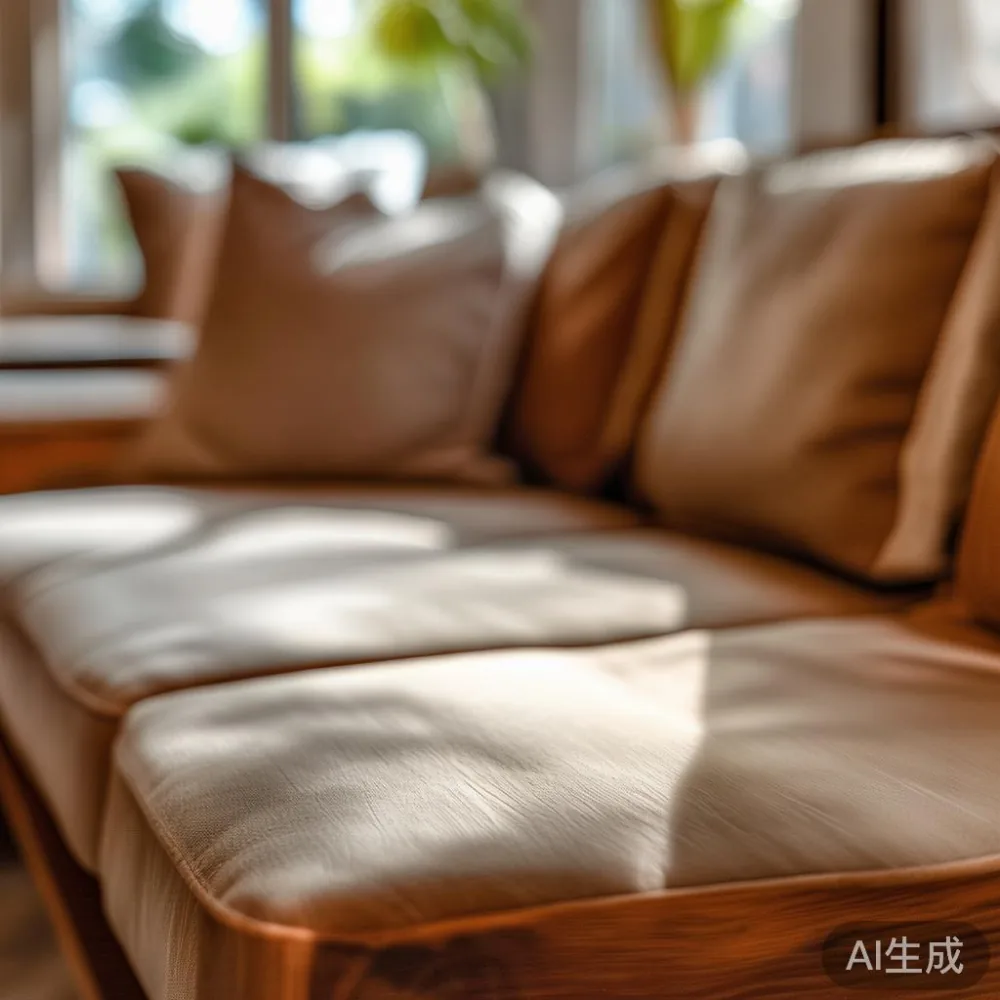
- Teak: Famous for its high oil content and natural resistance to moisture, teak is a top choice for outdoor furniture. Its tight grain and durability make it less susceptible to warping. A teak outdoor sofa will withstand the elements far better than many other woods.
- Mahogany: A dense, stable hardwood that resists warping and shrinking. It's a popular choice for high-quality indoor furniture like dining tables and bed frames.
- Acacia: Another durable and water-resistant wood, often used for both indoor and outdoor pieces. It has a beautiful, varied grain and is known for its stability.
- Sheesham (Indian Rosewood):
When considering a Japanese bed vs Modern bed, the type of wood used is a key factor. A traditional Japanese bed frame might use lighter, more porous woods that require extra care, whereas a modern bed frame is often constructed from more stable, engineered woods or solid hardwoods designed to handle environmental changes.
Where to Buy Dining Table from MIDHILL That Can Handle the Humidity?
For those seeking furniture that combines beautiful design with practical resilience for the Singapore climate, the source of the furniture is just as important as the material. A reputable manufacturer understands the local challenges and builds their products accordingly. My colleague visited a factory in Foshan last month and was impressed by their process. They use a multi-step finishing technique, applying multiple coats of a high-quality, moisture-resistant lacquer that seals the wood's pores, significantly reducing its ability to absorb humidity. This attention to detail in the finishing process is what separates a piece that lasts from one that deteriorates quickly.
When you're looking for a piece like a dining table, it's about finding a balance between aesthetics and functionality. The goal is to find a solid wood dining table from a maker who prioritizes structural integrity and protective finishes. This ensures that your investment is not just beautiful but also built to last in our specific climate.
Practical Care Tips for Your Solid Wood Furniture in Singapore
Even with the best furniture, proper care is important to combat the effects of humidity. Here are some practical steps you can take to protect your solid wood pieces:
- Control the Environment: Use a dehumidifier, especially in air-conditioned rooms. Aim to keep the relative humidity between 45% and 55%. This creates a more stable environment for the wood, reducing the expansion and contraction cycle.
- Ensure Proper Ventilation: Don't push furniture flush against walls. Leave a few centimeters of space for air to circulate behind and around the piece. This prevents moisture from getting trapped and promotes even drying.
- Use Coasters and Placemats: Always use coasters under glasses and placemats under hot dishes or serving platters. This prevents direct moisture contact and protects the wood's finish from heat rings or water stains.
- Regular Cleaning and Polishing:
Can an Outdoor Sofa Really Survive Singapore's All-Weather Conditions?
The idea of an outdoor sofa might seem daunting in a place with high humidity and frequent rain, but modern design and material science have made it entirely possible. The key lies in the construction and finishing. A well-made outdoor sofa is not just a solid wood sofa left outside. It is specifically engineered for the elements.
Look for outdoor sofas made from woods like teak or shorea, which are naturally dense and oily. More importantly, check the construction. A quality outdoor sofa will use corrosion-resistant stainless steel or brass screws and hardware. The joints are often designed to allow for the natural movement of the wood without cracking. The finish is critical—a thick, marine-grade varnish or oil that creates a waterproof barrier is non-negotiable. This protective layer shields the wood from direct rain and prevents it from soaking up moisture during a downpour. With the right design, an outdoor sofa can be a stunning and durable addition to your balcony or garden, providing a comfortable space to enjoy the outdoors without the worry of weather damage.
What About Light Luxury Furniture in a Humid Climate?
The light luxury aesthetic, whether it's French, American, or post-modern, focuses on clean lines, premium materials, and a sense of understated elegance. This style often incorporates natural wood, which brings us back to the humidity challenge. The good news is that light luxury furniture and a humid climate can coexist beautifully when the right choices are made.
For instance, a luxury Italian light luxury furniture collection might feature a marble table paired with solid wood chairs. The marble is impervious to humidity, while the chairs would need to be made from a stable wood like walnut or teak with a protective finish. The key is to select pieces where the wood components are treated to withstand the environment. A post-modern light luxury living room might feature a low-profile solid wood sofa. The design's simplicity often means fewer joints and less complex joinery, which can be an advantage, as there are fewer points for stress to occur. When choosing a MIDHILL light luxury sofa, for example, you're not just buying a beautiful piece of furniture; you're investing in a product designed with the specific environmental demands of a place like Singapore in mind, ensuring its light luxury appeal remains untarnished by the elements.
Final Considerations: Warranty and Value for Money
When making a significant investment in furniture, it's important to consider the long-term value. A piece with a solid warranty provides peace of mind. For example, a 10-year structural warranty indicates the manufacturer's confidence in their product's ability to withstand normal use and environmental stresses. This is a significant commitment, especially when compared to the standard 1-2 year warranties offered by many other brands.
Consider the total cost of ownership. A cheaper piece of furniture that warps and needs to be replaced in 5 years ends up being more expensive than a higher-quality piece that lasts for 20 years. Factor in costs like refinishing or repairs. A lifetime refinishing guarantee, offered by some makers, means that even if the surface of your solid wood sofa or dining table becomes worn, it can be restored to its original condition, extending its life indefinitely.
Finally, consider the practicalities of delivery and returns. Free shipping over a certain purchase amount, for instance, SGD 800, can save you a significant sum. A 14-day return policy gives you a window to inspect your new furniture in your home and ensure it meets your expectations and fits your space, from the width of your corridor in an HDB flat to the layout of your living room in a Punggol condo. These service details are part of the value and should be part of your decision-making process when you choose where to buy dining table from MIDHILL or any other long-lasting piece for your home.