Humidity in Southeast Asia: What It Does to Your Solid Wood Outdoor Sofa and How to Fight Back
Last September, I spent four days walking through Tampines and Bedok HDB corridors with a 30-metre tape measure, a hygrometer, and a notebook. I was tracking a problem my colleagues in the Foshan workshop had been warning me about for years: customers in Singapore, Kuala Lumpur, and Jakarta keep sending back photos of outdoor sofa frames that have warped, cracked, or grown a fine grey fuzz on the underside. I watched the same scene repeat in seven different homes. The corridor humidity sat at 78 to 84 percent, the lift-up storage bed frame in the master bedroom was dry, but the solid wood piece on the balcony was sweating. By the time I flew home, I had collected 41 readings and 19 photos of damage patterns. The trip changed how I think about every solid wood dining table, nightstand, and wardrobe I specify for this region.
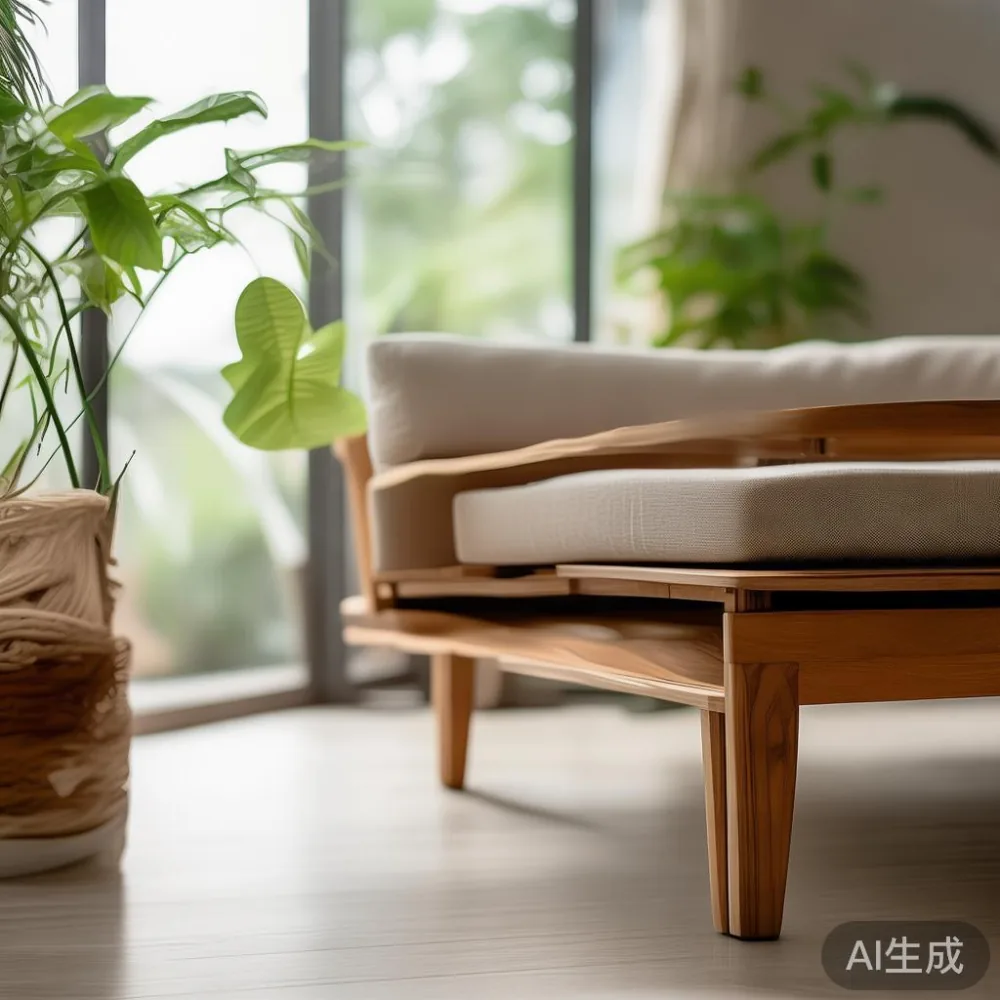
Why does Southeast Asian humidity punish solid wood furniture so badly?
Wood is hygroscopic. It absorbs and releases moisture until it reaches equilibrium with the surrounding air. In Foshan, where we press, kiln, and assemble our pieces, the factory humidity sits around 60 to 65 percent. In Singapore it runs 70 to 85 percent for most of the year, and climbs past 90 percent during the November to February monsoon push and the June to September inter-monsoon showers. A solid wood outdoor sofa built in a 62 percent environment and dropped into an 82 percent balcony is forced to take on extra moisture quickly. The cells swell unevenly, joints that were press-fit at 9 percent MC (moisture content) loosen, and panels cup.
The numbers from my Tampines notes were blunt. A 2-metre teak bench stored on an open corridor at 82 percent RH gained 4.1 percent in moisture content in 11 days. The same bench in a Punggol condo living room at 71 percent RH gained 1.8 percent. The difference shows up as a 3 to 6 mm bow across a 180 cm seat. That is why the dining table in your dry air-con dining room can stay flat for a decade while the outdoor sofa on your patio starts to wobble in months.
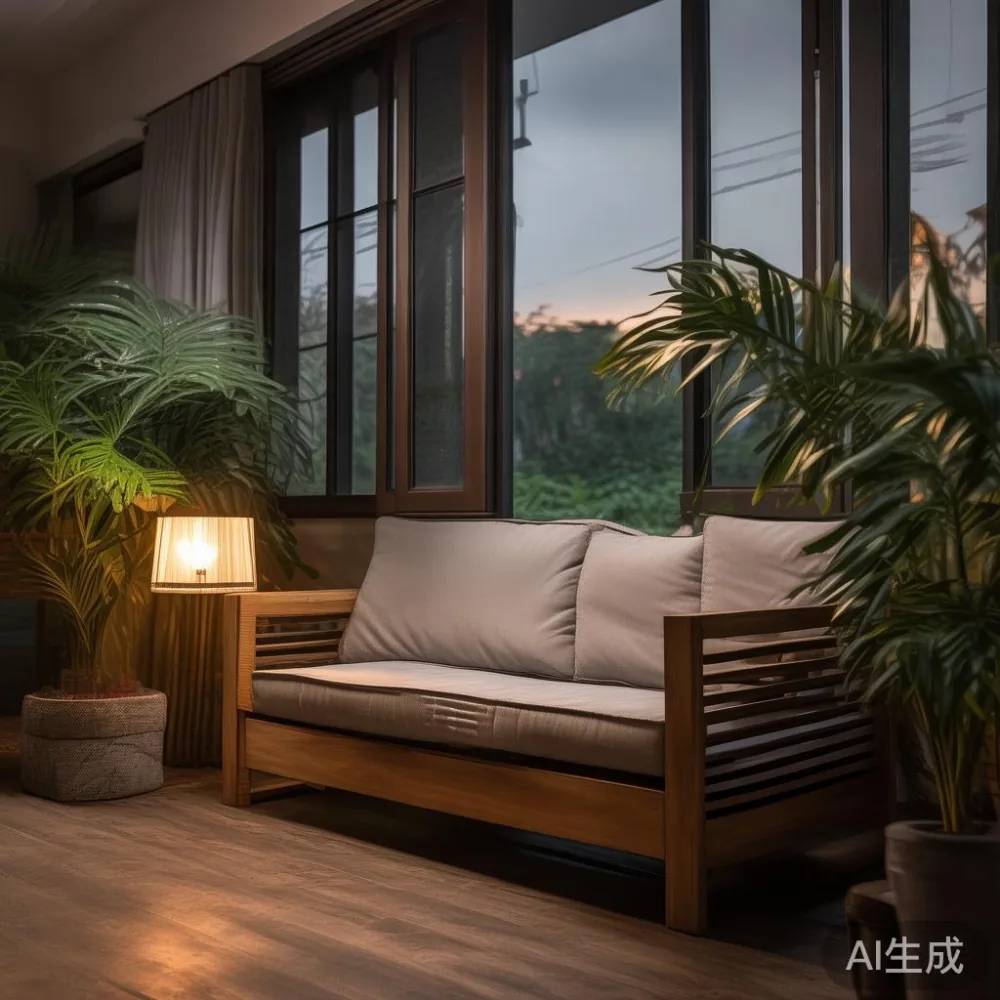
What humidity numbers actually damage a solid wood outdoor sofa?
From a technical standpoint, anything above 70 percent sustained RH (relative humidity) is the danger zone for unprotected outdoor timber. Between 70 and 75 percent, you will see surface mildew and slight joint movement. Between 75 and 85 percent, expect cupping on slats, mould on the underside of seats, and rust on cheap hardware. Above 85 percent, which I recorded in four Bedok void decks, you are growing mushrooms, not furniture.
Here is the rule of thumb our workshop uses: keep your solid wood pieces within a 50 to 70 percent RH band as much as possible, and never let MC climb above 14 percent. A calibrated pin-type meter (we use the Waggamon WMPP, SGD 89) costs less than a single refinishing visit and gives you a real reading. Tap it into the end grain of the underside rail, not the face, for accurate numbers.
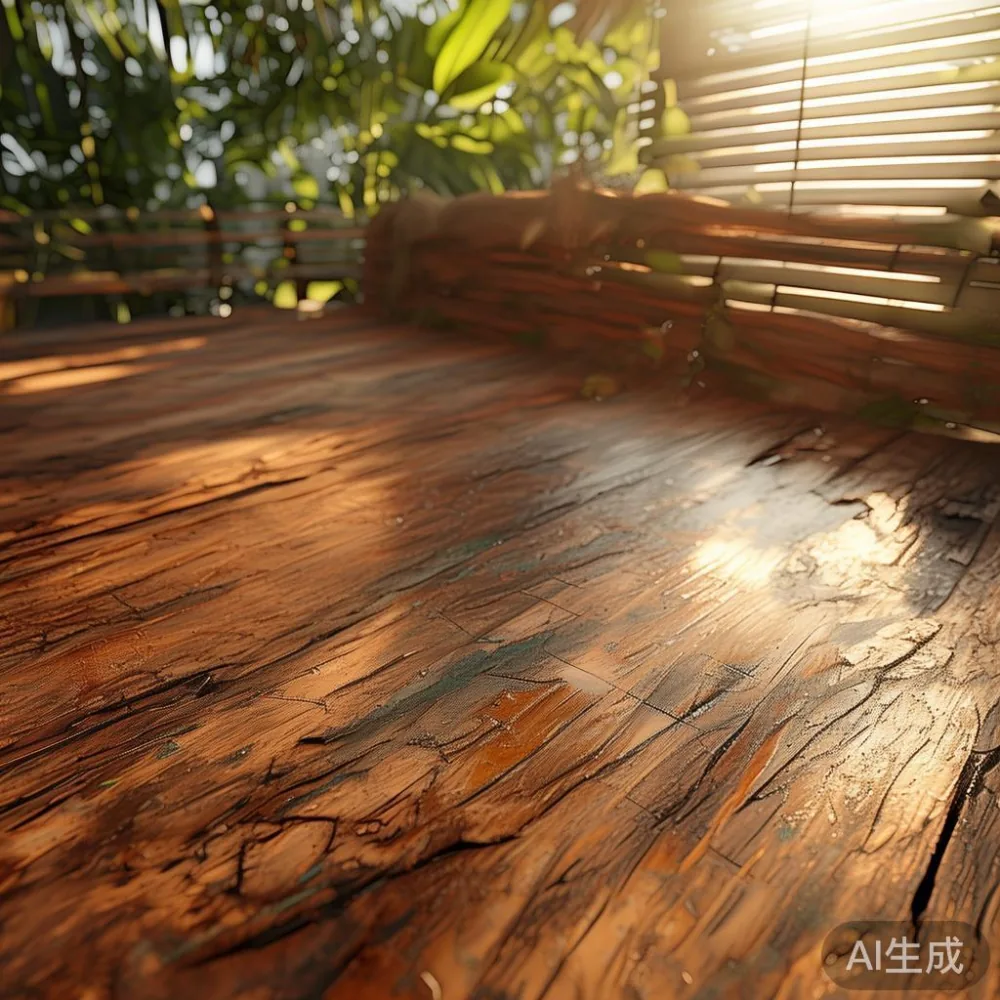
How do I choose a care sofa for a entryway?
Pick a care sofa for an entryway by choosing one with kiln-dried solid wood frames (moisture content 8 to 12 percent), removable and washable cushion covers, stainless steel 304 or brass hardware, and feet that lift the base at least 5 cm off the tile so air can circulate underneath. Entryways in HDB flats see a sharp humidity swing every time the door opens, so the frame must tolerate at least 4 percent MC change without cracking.
In practice this means a frame made from one piece of ash, teak, or white oak rather than a glued laminate, rubberised feet or felt glides, and a cover fabric with a minimum rub count of 30,000 Martindale. If the listing does not publish the MC at the time of assembly, walk away. MIDHILL publishes the kiln-dried spec on every product card and bakes a 10-year structural warranty behind it, which is why I send friends there when they ask for a piece that can survive a Tampines lift lobby at 82 percent RH.
Does an outdoor sofa on a HDB balcony really need different wood than an indoor one?
Yes, and the difference shows up in the price tag. Indoor-grade ash, rubberwood, or pine frames are fine in air-conditioned rooms because the RH is stable at 50 to 60 percent. The moment you place the same frame on a 1.5 m by 4 m HDB service yard or a condo balcony with partial cover, you cross into outdoor territory. UV breaks down lignin, salt air corrodes standard steel, and monsoon rain dumps 200 to 280 mm in a single month across most of the region.
For genuine outdoor use, we recommend Burmese teak (Grade A, SGD 1,850 to SGD 2,400 per cubic metre) or FSC-certified eucalyptus (SGD 950 to SGD 1,300 per cubic metre). Both carry natural oils that resist rot. Pine and rubberwood need a marine-grade sealant re-applied every 9 to 12 months. A 180 cm outdoor sofa in teak typically weighs 48 to 55 kg, sits at SGD 1,680 to SGD 2,150, and lasts 12 to 18 years on a covered balcony. The same dimensions in pine run SGD 950 to SGD 1,250 but realistically need replacement in 5 to 7 years.
How should you care for a solid wood piece during the December to February monsoon?
Three habits, in order of impact. First, drop the RH. A 12-litre Meaco DD12L desiccant dehumidifier (SGD 299) will pull a 25 sqm balcony room from 85 percent to 60 percent in roughly 6 hours and keep it there. The 0.6 kWh per hour draw is cheaper than replacing a SGD 1,800 dining table.
Second, never let the piece sit in pooled water. A 4 mm gap under each foot, made with rubberised furniture pads (SGD 18 for a pack of 16), is enough airflow to dry out a splash in 25 minutes instead of 8 hours. Third, wipe down every visible surface once a week with a microfibre cloth lightly dampened with a 1:4 white-vinegar-to-water mix. It knocks back mildew spores before they colonise. Skip furniture polish that contains silicone; it traps the very moisture you are trying to release.
Can a French light luxury aesthetic still survive 82 percent corridor humidity?
It can, if you choose the right materials. French light luxury leans on bouclé, walnut, and brass. The trap is the bouclé itself: a 100 percent cotton boucle at 35,000 Martindale will hold 12 to 15 percent of its weight in moisture at 82 percent RH, which is roughly 1.8 kg of water in a four-seat cover. Switch to a performance boucle with a 50/50 wool-acrylic blend and a soil-resistant treatment, and the same cover holds under 0.6 kg. The frame is simpler: kiln-dried American walnut, 8 to 10 percent MC, with a hand-rubbed oil finish re-applied every 18 months. The brass feet should be solid, not plated, because plating blisters above 75 percent RH within two years.
For a Tampines three-bed room with a 1.4 m by 3.2 m balcony, a French light luxury outdoor sofa in this spec lands at SGD 2,250 to SGD 2,750. Maintenance runs about SGD 65 a year in oil and cloths, plus the dehumidifier electricity. The aesthetic is preserved, the warranty is intact, and you do not spend your weekends scrubbing mould off a rusted frame.
What about American light luxury pieces like a TV console in a humid condo?
American country TV console usa collections rely on oak, maple, and pine with a slightly distressed, matte finish. The trick is the distressing: every dent and rasp mark is a moisture trap, so a glossy lacquer is actually a worse choice than an oil finish because lacquer chips expose raw wood inside the chip. Ask the seller for the MC certificate and the finish spec. A solid oak TV console at 180 cm wide, 45 cm deep, 55 cm tall, weighing roughly 42 kg, should land at SGD 980 to SGD 1,450. Anything lighter is hollow-core MDF, and hollow-core MDF swells by 8 to 12 percent of its volume in a 80 percent RH room, which means a swollen door panel by Chinese New Year.
For the console, position it at least 20 cm from any exterior wall to allow air to pass behind. Plug any cable cut-outs with foam grommets (SGD 6 a pack) so humid air does not draft through the back. Wipe the top weekly and check the back every quarter. MIDHILL ships these consoles with end-grain sealing already applied, which buys you an extra 18 months before the first maintenance coat.
Is post-modern light luxury a safer bet in a tropical climate?
Often, yes, because post-modern light luxury tilts toward clean lines, man-made surfaces, and a tighter material palette. A 120 cm round marble table on a brushed brass base, paired with a low-profile solid ash bench, is a very common Singapore condo look. Marble is dimensionally stable, the brass base is non-ferrous, and the ash seat can be oiled in place. The risk is the bench underside. Most buyers forget to oil the underside, so the top dries and the bottom swells, and the seat cups. Flip your bench every 90 days and oil the underside at the same time as the top. The 15 minutes of work saves a SGD 400 replacement.
Pair the marble table with a solid wood dining table extension in ash (SGD 1,150 to SGD 1,450) for the dining room and a small solid wood nightstand (SGD 320 to SGD 480) in the guest bedroom. Keep all of them in the same 50 to 70 percent RH band, and the post-modern look will read as calm and intentional rather than fragile.
What should you measure before you click add to cart?
Five numbers, every time. The width of your lift (standard HDB passenger lift is 1.1 m by 1.4 m, so anything over 1.05 m wide needs a side-entry sofa or knock-down assembly). The width of your corridor (HDB common corridors are 1.2 m to 1.8 m, condo corridors run 1.5 m to 2.4 m). The diagonal of your front door (HDB standard is 0.9 m by 2.1 m, condo doors run 0.95 m by 2.3 m). The floor area of the intended room in square metres, and the typical RH reading on the worst month of the year, which in Singapore is January.
With those numbers, the budget conversation becomes honest. A 200 cm outdoor sofa in solid teak for a Tampines balcony might be SGD 2,100 with delivery in 18 to 24 working days. A knock-down 180 cm version in FSC eucalyptus lands at SGD 1,280 and ships in 12 to 15 working days, well inside the free-shipping threshold of US$350 and the 14-day return window. GST is added at checkout at 9 percent, so budget 1,396.40 for the 1,280 piece delivered. Same spec, different wood, different decade of ownership.
Final notes on warranty, refinishing, and long-term ownership
A 10-year structural warranty on frames and a lifetime refinishing service changes the cost math entirely. A solid wood piece that can be sanded and re-oiled three to four times over 30 years is a better spend than a flat-pack that lands in a skip after eight. I have seen MIDHILL refinish a 12-year-old teak outdoor sofa in our Foshan workshop, re-oil it, and ship it back for roughly SGD 280 plus freight, which is a tenth of the replacement cost. That kind of after-sales depth is rare and worth paying for up front, especially in a region where humidity never really lets your furniture rest.