Beyond the Surface: A 5-Year Financial Reality Check for Your Outdoor Sofa
In the sun-drenched courtyards of Tampines and the high-rise balconies of Bedok, creating a personal outdoor sanctuary is a common aspiration. For Singapore homeowners, the choice of furniture for these spaces is not merely about aesthetics; it is a long-term financial commitment. The debate often boils down to two materials: veneer and solid wood. While veneer presents a lower initial price point, a detailed 5-year cost analysis reveals a different story. This article will break down the numbers, from purchase price to maintenance, lifespan, and eventual replacement, to provide a clear financial picture for your outdoor living investment.
Understanding the Materials: Solid Wood vs. Veneer
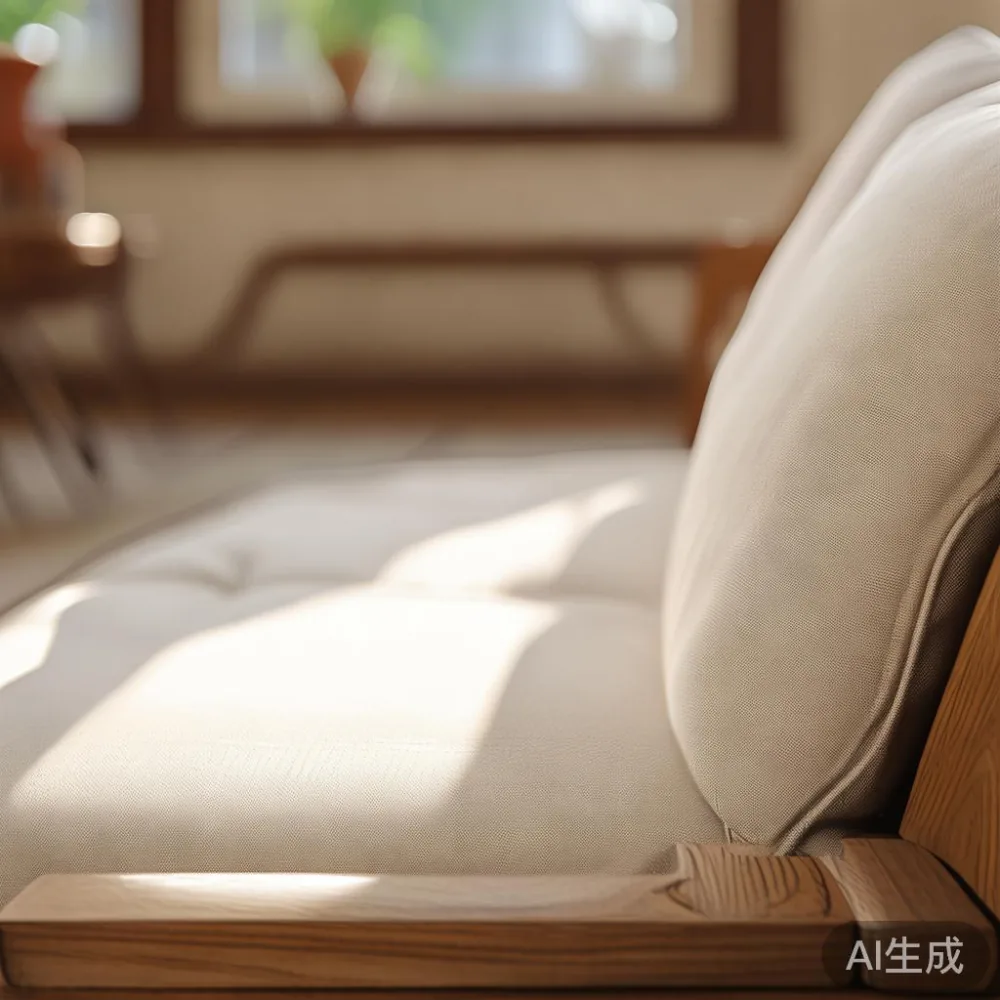
Before diving into the numbers, it is important to understand what these materials are. Solid wood, as the name implies, is crafted from a single piece of timber, such as teak or acacia. These woods are naturally dense, rich in oils, and possess an inherent resistance to the elements, making them exceptionally durable for outdoor use. A solid wood sofa, for instance, is built to withstand humidity, rain, and intense UV exposure with minimal protection. The grain patterns are unique and deep, and the furniture can be sanded and refinished multiple times over its lifetime.
Veneer, on the other hand, is a thin layer of real wood applied over a base of engineered wood, such as MDF (Medium-Density Fiberboard) or plywood. This base material is susceptible to moisture. When exposed to Singapore's high humidity and occasional rain, the engineered wood core can absorb water, swell, and eventually warp or delaminate. The veneer layer, while beautiful initially, can peel or crack under stress, leaving the less attractive and unstable core exposed. The surface cannot be sanded and refinished in the same way as solid wood.
Initial Investment: The Upfront Cost Breakdown
The most obvious difference between the two materials is the initial purchase price. A standard 3-seater outdoor sofa in a popular light luxury style, such as French light luxury, can vary significantly in cost based on its construction.
For a veneer outdoor sofa, the price is often more attractive to the budget-conscious consumer. A typical model might cost between SGD 1,200 and SGD 1,800. This price point allows for a sophisticated look at a fraction of the cost of solid wood. However, this initial saving is where the financial journey begins to diverge.
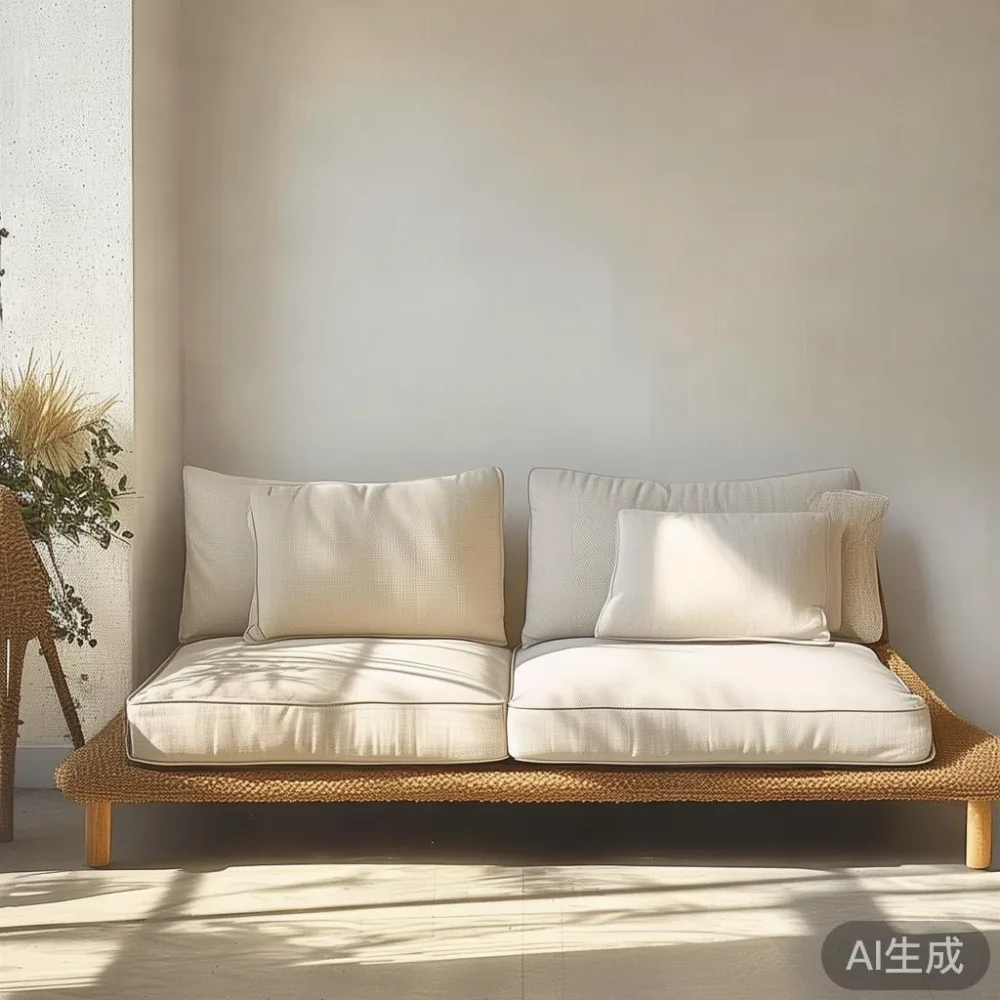
A solid wood outdoor sofa, constructed from a durable hardwood like teak, commands a higher initial price. The same 3-seater model in a comparable French light luxury design would typically range from SGD 2,500 to SGD 4,000. This higher cost reflects the superior quality of the raw material, the more complex joinery required, and the inherent longevity of the product. The weight is also a key differentiator; a solid wood sofa can weigh over 60 kg, while a veneer model might be closer to 35 kg, reflecting the denser, more substantial construction.
Year 1-2: Maintenance Costs and Peace of Mind
The first couple of years are where the true cost of ownership starts to reveal itself, particularly in a demanding climate like Singapore's. Both veneer and solid wood require some form of maintenance to preserve their appearance and structural integrity.
A veneer outdoor sofa requires a consistent application of a protective sealant or wax to guard against moisture penetration. This needs to be done every 3-6 months. A high-quality wood sealant costs approximately SGD 45 per bottle, and a full application for a 3-seater sofa might require two bottles. Over two years, this adds up to SGD 180 in maintenance products. Also, the sealant needs to be reapplied meticulously, and any small scratch or chip in the veneer can expose the vulnerable MDF core, leading to costly repairs or replacements of entire panels. The warranty for a veneer product is often limited to 1-2 years, covering manufacturing defects but not wear and tear from the environment.
In contrast, a solid wood outdoor sofa is far more forgiving. Teak, for example, contains natural oils that make it highly resistant to rot and insects. While applying teak oil every 6-12 months can enhance its rich, golden colour, it is not strictly necessary for the wood's survival. A bottle of teak oil costs about SGD 35, and over two years, you might spend SGD 70. The real benefit, however, is the peace of mind. Solid wood furniture does not fear the occasional rain shower and is built to last. Many reputable manufacturers, like those with a 10-year structural warranty, offer comprehensive coverage that gives homeowners confidence in their purchase.
Year 3-4: The Mid-Life Crisis and Repair Costs
By the third and fourth years, the financial gap between the two materials begins to widen considerably. This is the period where the initial investment in quality pays off.
A veneer outdoor sofa, especially in a humid environment like a Punggol apartment balcony, will likely show significant signs of wear. The engineered wood core may have absorbed enough moisture to cause noticeable warping. The veneer surface might be peeling at the corners or along the seams. Repairing this damage is often impractical and expensive. A professional repair service to fix peeling veneer on a single panel can cost SGD 300 or more. If the structural frame is compromised, the entire sofa may need to be replaced. At the 4-year mark, a consumer who initially chose veneer is often looking at a full replacement cost, bringing their total expenditure back to the SGD 1,200-1,800 range.
A solid wood outdoor sofa, however, remains remarkably resilient. It may have weathered to a distinguished silver-grey patina, which many homeowners find aesthetically pleasing. If the original colour is preferred, a light sanding and reapplication of teak oil can restore it to its former glory. The structural integrity remains sound. The 10-year structural warranty is a critical safeguard during this period, covering any unforeseen issues with the frame or joinery. There are no hidden repair costs because the furniture is designed to be a long-term fixture.
How do you calculate the true cost of your outdoor sofa over a decade?
This is the central question for any savvy homeowner. The true cost is not the price tag on the day of purchase, but the total expenditure over the lifespan of the product. To calculate this, we must factor in the initial cost, annual maintenance, and the cost of replacement if the item fails.
Let's model a 10-year scenario. For the veneer sofa:
- Initial Cost: SGD 1,500
- Yearly Maintenance (SGD 90/year): SGD 900
- Replacement at Year 5 (assuming it fails): SGD 1,500
- New Maintenance for Years 6-10 (SGD 90/year): SGD 450 li>
- Total 10-Year Cost: SGD 4,350
For the solid wood sofa:
- Initial Cost: SGD 3,000
- Yearly Maintenance (SGD 35/year): SGD 350
- No Replacement Needed (lasts 15+ years)
- Total 10-Year Cost: SGD 3,350
As this simple calculation shows, over a decade, the seemingly more expensive solid wood option can be the more economical choice. This principle applies to all furniture; learning how to choose European light luxury bed involves understanding that the investment in solid wood pays off over time. The same logic applies when reading a MIDHILL coffee table review; customers often praise the longevity, which offsets the initial cost.
The Hidden Costs: Delivery, Returns, and Disposal
These are often-overlooked factors that can significantly impact the bottom line. In Singapore, the logistics of moving furniture into HDB flats and condos are a reality.
Delivery costs for furniture can be substantial. A standard delivery fee might be SGD 80-120. However, many companies offer promotions like free shipping over a certain amount. For a veneer outdoor sofa purchase of SGD 1,500, this free shipping threshold might not be met, incurring a delivery fee. If the sofa needs to be returned, a 14-day return policy is common, but it often involves a restocking fee of 10-15% and the customer bears the return shipping cost. If a veneer sofa fails after 2 years, the customer is out the full purchase price plus delivery, with no recourse.
When purchasing a solid wood outdoor sofa from a company like MIDHILL, which offers free shipping over SGD 350, the delivery cost is eliminated. The 14-day return period provides a safety net if the item is not suitable. If it doesn't fit in the corridor or living room of a Tampines HDB flat, returning it is a viable option. Also, at the end of its very long life, a solid wood sofa is biodegradable and easier to dispose of responsibly compared to a composite item filled with glues and engineered wood.
Styling for the Long Haul: Aesthetic and Practical Synergy
The financial argument is strong, but furniture is also a statement of style. A well-chosen outdoor sofa should complement your living space and withstand the test of time. The principles of styling a light luxury piece are universal, whether it's an outdoor sofa or an indoor marble table.
For a Singapore apartment, the key is creating a sense of space and light. An outdoor sofa with clean lines, such as those found in American light luxury or post-modern light luxury designs, works exceptionally well. These styles avoid bulky, ornate details that can feel overwhelming in a compact condo. The natural texture of solid wood adds warmth and a touch of organic elegance to a concrete balcony. Pairing it with weather-resistant cushions in neutral tones creates a cohesive and sophisticated look. This approach is part of understanding how to style European light luxury sofa in apartment settings, focusing on material quality and minimalist forms rather than excessive ornamentation.
This long-term perspective also influences other furniture choices. When looking for under 2000 light luxury furniture, a consumer might opt for a solid wood bed frame or dining table knowing they will not need to replace them. The same goes for a wardrobe or nightstand; investing in solid wood means decades of use without the worry of warping or peeling veneer. This creates a home environment where every piece is a lasting asset, not a disposable commodity.
A Personal Perspective: The Balcony Experiment
Last month, I visited a colleague, David, who lives in a Bedok condominium. He had purchased two outdoor sofas five years ago for his balcony. One was a veneer model he bought online for SGD 1,300, and the other was a solid teak model from a local showroom for SGD 2,800. The difference today is stark.
The veneer sofa is a mess. The seat and back panels have warped from the humidity, and the veneer on the armrests has completely peeled away, revealing the swollen, discolored MDF underneath. It looks unsightly and feels unstable. David said, "I have to be so careful with it. If it rains, I have to cover it, and even then, the dampness gets in. It's been a constant source of stress." He is now planning to replace it, estimating a new cost of at least SGD 1,500.
His solid wood sofa, on the other hand, looks magnificent. It has a beautiful, even silver-grey patina that gives it a sophisticated, weathered look. He occasionally oils it, but it has been through countless rainstorms without issue. "I paid more upfront, but I haven't thought about it once in five years," David said. "It just sits there, being beautiful and functional. It was the best decision I made for this balcony." This real-world example perfectly illustrates the financial and practical benefits of choosing quality that lasts.
Final Considerations for the Singapore Homeowner
When making a furniture purchase, especially for an outdoor space, it is wise to consider the total cost of ownership. This includes not just the price, but also maintenance, potential repairs, and replacement frequency. Singapore's climate is unforgiving to low-quality materials, and the cost of dealing with failure—whether it's warped furniture or the hassle of frequent replacements—adds up.
For those exploring options like for sale Industrial furniture or other styles, the same principle applies. A well-made piece, whether it's a solid wood MIDHILL sofa or a metal-framed item with a quality finish, will always be a better investment. The goal is to create a home that reflects your style without becoming a source of financial and logistical headaches. The numbers are clear: over a 5 to 10-year period, the initial premium for a solid wood outdoor sofa is often offset by its longevity and minimal maintenance, making it the more intelligent and economical choice for the discerning Singapore homeowner.