Humidity, HDB Living and Solid Wood Furniture
Humidity is rarely the first concern of someone measuring a Tampines HDB flat for a new solid wood sofa. Yet in Singapore, a 2-room unit may experience noticeable seasonal changes in moisture, while a Punggol condo balcony can expose furniture to rain, heat and salt-laden air. These conditions affect timber movement, finishes, joints and hardware long before a dramatic crack appears.
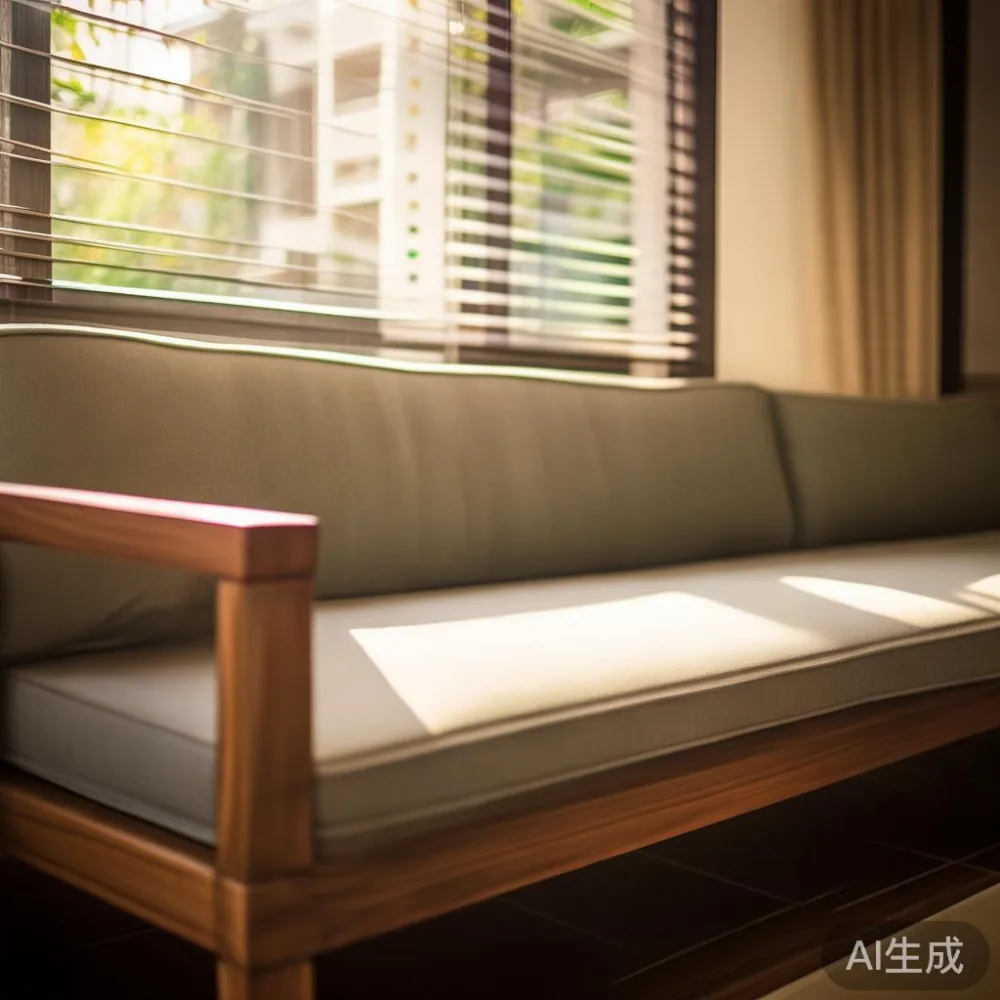
Singapore’s tropical climate commonly keeps relative humidity high throughout the year. Morning humidity may sit near 80%, afternoon sunshine can raise the temperature of a west-facing balcony above 32°C, and air-conditioned interiors may become much drier. The wood used in a bed frame, dining table or wardrobe therefore needs to acclimatise slowly and be maintained according to its species, finish and location.
MIDHILL designs solid wood furniture with practical protection for humid environments. Its outdoor sofa collection, for example, should be specified for covered or semi-covered use rather than treated as permanent weatherproof furniture. The same disciplined approach applies indoors: stable storage, sensible ventilation and regular checks matter more than repeated chemical treatments.
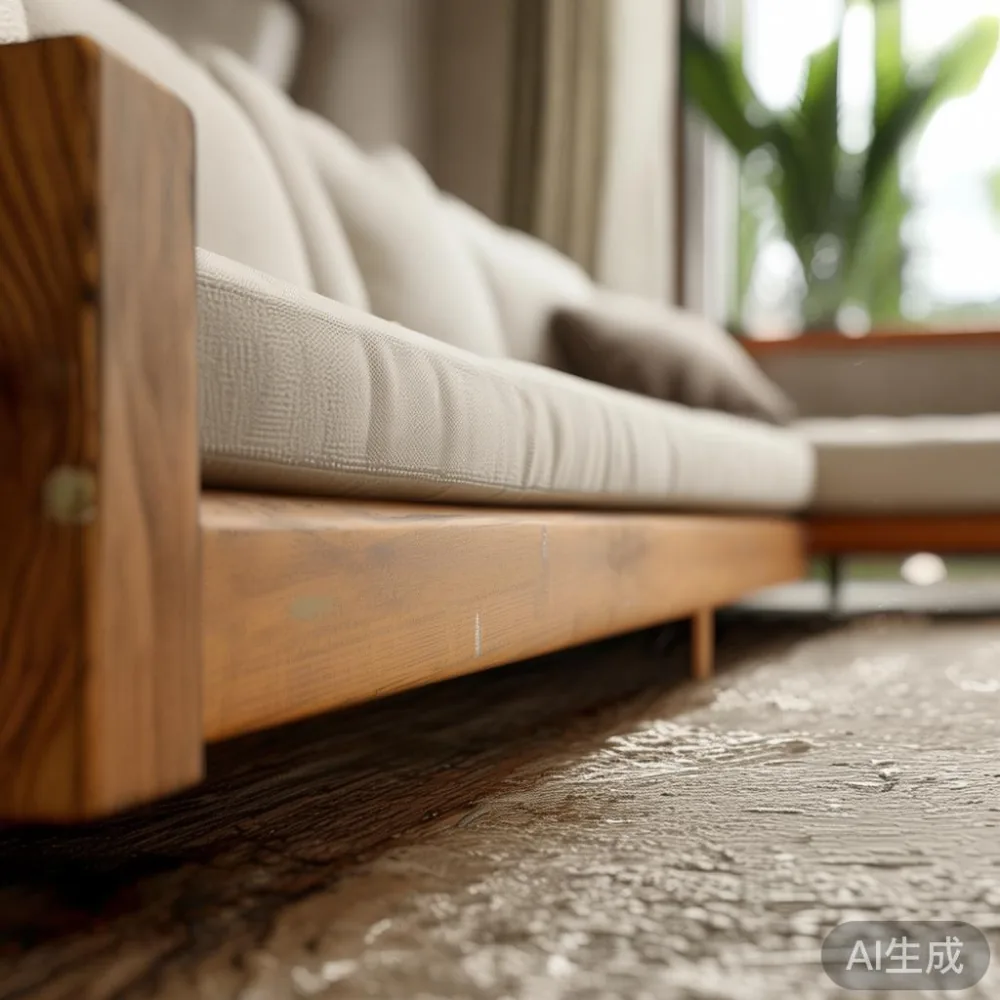
Why does humidity change solid wood furniture?
Wood is hygroscopic, meaning it exchanges moisture with the surrounding air. Its cell walls expand as moisture rises and contract as moisture falls. Across Singapore’s humid periods, a 25 cm-wide solid timber component may change by roughly 1–3 mm, while a thicker 45 cm tabletop can move by about 2–5 mm. These are normal responses, but repeated movement can loosen drawer runners, distort doors or stress a glued joint.
The risk increases when one side of a piece is exposed to humid air and the other remains dry. A dining table beside an open balcony, for example, may lose moisture faster along its outer edge while the centre remains protected. A wardrobe near a HDB corridor window can swell during humid nights and contract after air conditioning starts. Solid wood does not fail merely because it moves; failure becomes more likely when movement is sudden, uneven or constrained.
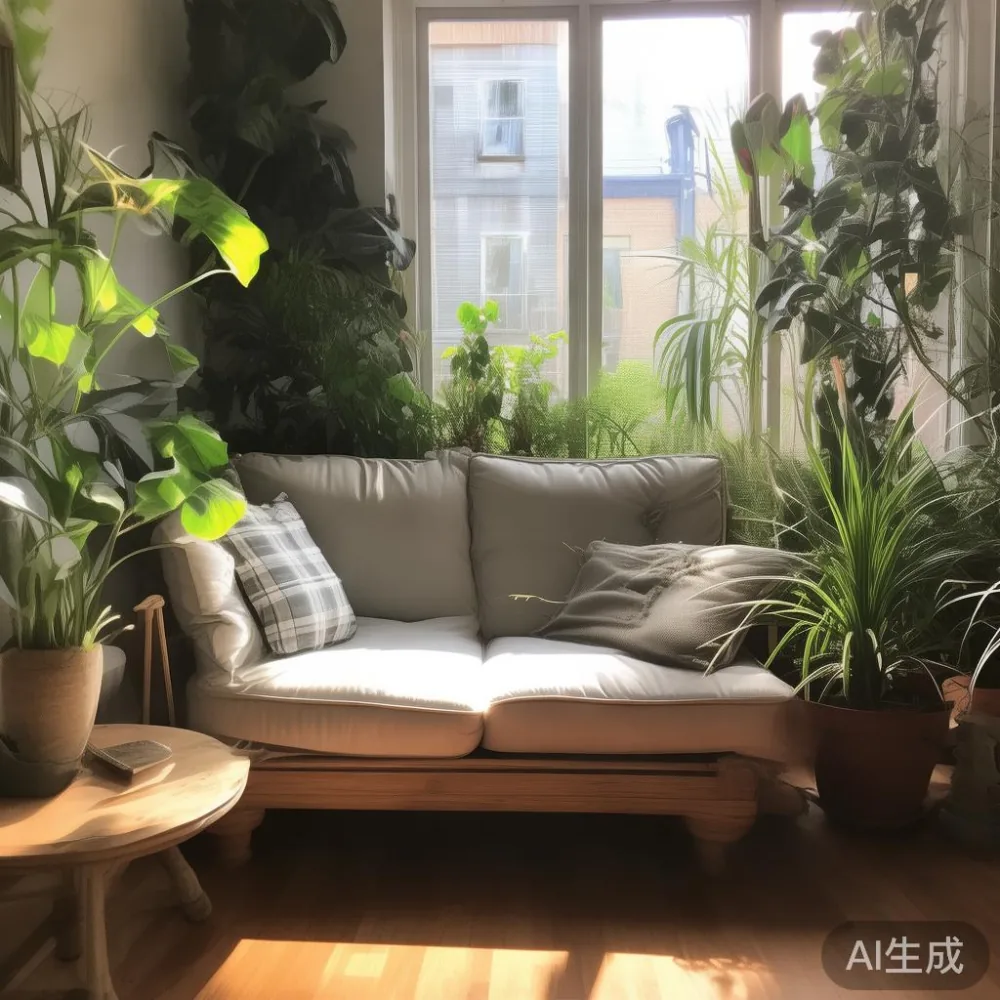
Above 70% relative humidity, mould may also settle on damp surfaces, especially if ventilation is poor. Between 65% and 75%, many indoor settings remain comfortable, while coastal air and enclosed balconies can exceed 80%. A practical aim for most furnished rooms is 50–65%, supported by air conditioning or dehumidification when necessary.
Should an outdoor sofa be used in Singapore’s humidity?
An outdoor sofa can suit a condo balcony, poolside lounge or sheltered terrace, but it must be chosen for the actual exposure. A powder-coated aluminium frame with quick-dry foam and replaceable fabric covers is generally more suitable for an open balcony than an untreated solid timber frame. Teak arms and rails can be used when protected from direct rain, while teak that remains wet for 10–20 hours after a storm needs more care.
Covering alone does not remove moisture. A tightly fitted sheet can trap condensation around the frame, and a patio cover that drains onto the floor can keep the lower rail damp. Allow at least 15 cm of ventilation beneath removable covers where possible. For a 220 cm three-seat outdoor sofa, check the assembled weight as well as its packed weight: an aluminium-and-foam model may weigh 55–80 kg, whereas a larger timber-heavy design may exceed 100 kg.
Delivery planning is equally important in a compact Singapore home. A lift measuring 100 cm wide and 210 cm deep may accept a boxed two-seater, but a full three-seat outdoor sofa may need to enter as modules. Sofas with 70–90 cm sections are often easier to manage. Confirm door, lift and corridor dimensions before dispatch, reserve a loading bay for 20 minutes, and use two movers if the packed weight exceeds 40 kg.
What is the difference between an outdoor sofa and solid wood sofa?
A solid wood sofa describes the structural timber used in the frame or visible components. An outdoor sofa describes the product’s intended setting and material package, including weather-resistant finishes, corrosion-resistant hardware and removable covers. A solid wood frame can be suitable for a sheltered balcony, but it should not automatically be placed beside an open pool or under persistent drizzle.
How do HDB flats and condos change the moisture story?
HDB flats generally have compact rooms, strong lighting and frequent air-conditioning use. A dining table in a 9 m² kitchenette can move from 82% humidity before the air conditioner starts to 48% afterwards. That shift can occur within 2–3 hours. Position the table at least 30 cm from a return-air vent and leave space between the wall and sideboards so air can circulate.
New Tampines and Bedok flats also experience post-renovation humidity. Paint may look dry after 6 hours, while underlying moisture can linger for several days. Before bringing in a dining table, wardrobe or nightstand, ventilate the room for 2–4 hours daily and aim for approximately 65% relative humidity. Avoid placing unfinished or newly oiled furniture against cool walls immediately after installation.
Condos in Punggol and other eastern districts may have larger glazing and balcony exposure. Direct afternoon sun can heat a dark oak-look finish to 45–50°C, accelerating finish wear even when indoor relative humidity stays high. Use a blind, a UV-filtering screen or a breathable cover. Keep a marble table away from the balcony threshold because thermal shock and water spotting can affect its surface.
Which solid wood furniture is most affected?
Wide boards and veneered panels demand attention because their visible faces respond to humidity. A 40 cm-wide dining table may show more movement than a 12 cm bed frame rail. Wardrobes are vulnerable at doors, drawer fronts and long shelves, while nightstands can be affected by frequent air movement from wall-mounted air conditioners. Teak and iroko offer useful resistance for covered outdoor applications, but no timber is moisture-proof.
Storage furniture should sit on level feet. Leave 3–5 cm behind a wardrobe when the wall permits it, especially near an external wall. Maintain gaps between table legs and walls of at least 10 cm where feasible. For a bed frame, inspect the centre support every 6 months and tighten bolts only when seasonal movement has stopped; repeated tightening during active swelling can damage the joint.
Design language also affects maintenance, not just appearance. French light luxury tends to use pale woods, gentle upholstery and restrained detailing, which show dust and damp marks readily. American light luxury commonly combines generous proportions with durable materials, while post-modern light luxury may use clean planes and mixed finishes. Material selection should remain tied to room conditions rather than style alone.
What should I compare when comparing Japanese sofa vs Mid-century modern sofa?
For a humid Singapore room, compare frame construction, finish compatibility and cleaning access before shape. Japanese sofa vs Mid-century modern sofa is useful as a design comparison, but a low wooden base and exposed joints still need protection. Japanese layouts often suit compact HDB rooms, while Mid-century forms may require a larger footprint. Check whether cushions can be removed without pulling timber into wet areas.
For larger living rooms, European light luxury sofa vs French provincial sofa is another comparison that combines visual detail with practical dimensions. Curved arms, carved rails and loose covers can collect moisture and dust. For a light luxury TV console, allow 10 cm of wall clearance where possible, keep vents unobstructed and avoid placing the unit directly beneath an open balcony door.
MARBLE TABLE surfaces require a different routine. Wipe standing water within 10 minutes, use a pH-neutral cleaner and avoid acidic liquids such as citrus cleaner. Seal lines should be checked every 12 months. A solid wood dining table should be wiped dry immediately; a wardrobe should have its back and base inspected after heavy rain, and a nightstand should be moved away from damp skirting.
How does Foshan manufacturing help with humidity control?
Foshan’s furniture production network gives access to experienced timber suppliers, CNC machining, hand finishing and export packaging. During one recent product review, I visited a Foshan Lingzhan workshop and watched a solid wood dining table finish pass through sanding, colour matching and cure checks. The foreman rejected 3 boards from a batch of 28 because their moisture readings varied beyond the agreed range.
That inspection matters because a stable moisture reading reduces surprises after delivery. For a dining table, the ideal wood moisture content for normal conditioned interiors is commonly around 8–12%. Outdoor or coastal applications may need a more tolerant specification, depending on the species and design. Paper-based packaging can shield furniture during transport, but it should not become a permanent wrapper inside a humid home.
MIDHILL was established in 2008 and exports to 15-plus countries, giving its production team exposure to different climates. A 10-year structural warranty speaks to joinery and load-bearing design, while lifetime refinishing addresses surface service over the long term. Consumers in Singapore should ask for clear care instructions and retain the invoice for warranty claims.
How do I care for solid wood furniture around the home?
Use a hygrometer rather than guessing. Place one in the living room, bedroom and balcony, and record readings for 7 days before making adjustments. If indoor humidity remains above 70%, run dehumidification or air conditioning and inspect filters every 3–4 months. If readings fall below 45%, consider a humidifier because excessive drying can also open timber joints.
Clean with a soft cloth dampened with mild soap. Do not flood timber, use abrasive pads or apply household oil every week. For an oil-finished dining table, apply a manufacturer-approved maintenance product every 12–18 months, or sooner after heavy use. Wipe spills immediately and protect the surface from hot dishes, using a trivet with at least 4 cm clearance.
For outdoor furniture, dry surfaces after rain and check hardware every 6 months. Remove cushions before they become soaked, wash covers according to the label and allow them to dry fully. Salt deposits on metal fittings should be wiped with fresh water, especially in eastern Singapore. If timber develops grey weathering outdoors, gentle cleaning may restore its appearance, but deep checking requires professional advice.
What is the best Italian light luxury bed for 2026?
The best Italian light luxury bed for 2026 in Singapore is not chosen for a label alone; it should suit ventilation, humidity and access. A slatted base allows air to move beneath the mattress more effectively than a fully enclosed panel. Confirm that slats have at least 10 mm spacing in some designs, leave 5 cm of wall clearance where possible and avoid compressed packaging that leaves the timber under pressure.
For Vintage for dining room styling, combine a solid wood dining table with chairs that can be wiped clean and moved easily. Check the route from the lift to the dining area, including narrow corridors around 90 cm. A compact dining table measuring 120–140 cm may suit a smaller flat, while a 180 cm table needs more elbow space and careful turning clearance.
Pricing in Singapore commonly reflects solid timber, finish complexity, dimensions and delivery access. A practical order might fall around SGD 1,280–SGD 2,600 for a queen bed frame, SGD 980–SGD 2,400 for a dining table, and SGD 420–SGD 1,200 for a nightstand, depending on materials and specifications. A marble table may range from SGD 1,600 to SGD 4,500. Confirm GST and delivery separately when budgeting.
MIDHILL offers free shipping over US$350, although Singapore buyers should still verify local delivery terms, GST and delivery days at checkout. Standard delivery commonly takes 7–14 working days after production, while custom sizes may require 21–35 days. Singapore’s 14-day returns policy provides a useful review period, subject to the stated condition rules. Measure the access route, compare humidity requirements and choose furniture that can be maintained rather than replaced every few years.