Southeast Asia's Humidity Impact on Outdoor Wood Furniture
Humidity is one of the main forces shaping solid wood furniture in Singapore, especially in HDB flats and condominiums around Tampines, Bedok, and Punggol. Warm, moist air enters through open windows, corridor air-conditioning gaps, balcony doors, and compact lift lobbies. Furniture absorbs and releases moisture slowly, so small daily changes can produce visible checks, swelling, joint movement, or sticking doors over several months.
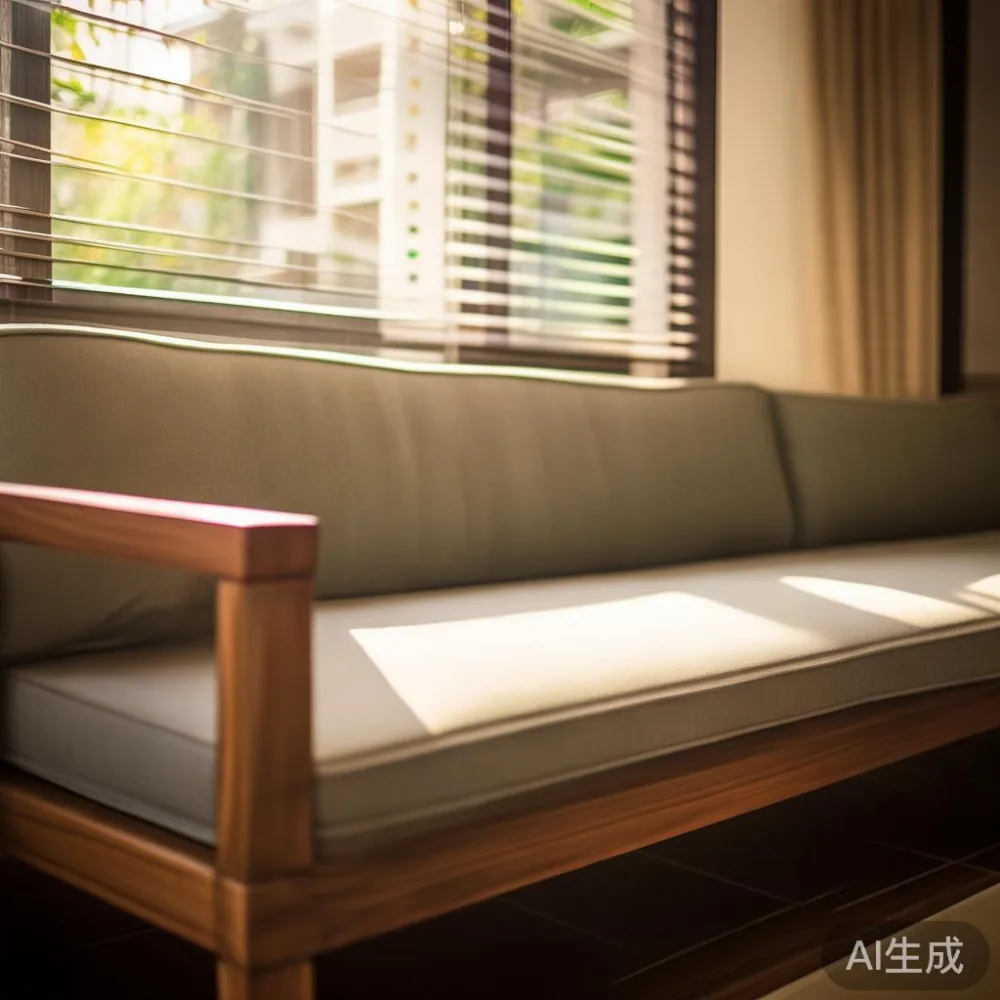
MIDHILL designs solid wood furniture with the region’s climate and compact homes in mind. Because outdoor use adds rain, UV exposure, salt-laden air, and temperature swings to ordinary humidity concerns, an outdoor sofa requires a different level of protection than an indoor solid wood sofa. The same care discipline applies to a bed frame, dining table, wardrobe, nightstand, or marble table, although each responds differently.
This guide explains how tropical humidity affects wood, how to read moisture-related movement, what changes inside Singapore homes, and how to protect furniture without making it look as though it belongs in a warehouse. It also covers costs, delivery, warranties, returns, and practical measurements for narrow HDB corridors and condo lifts.
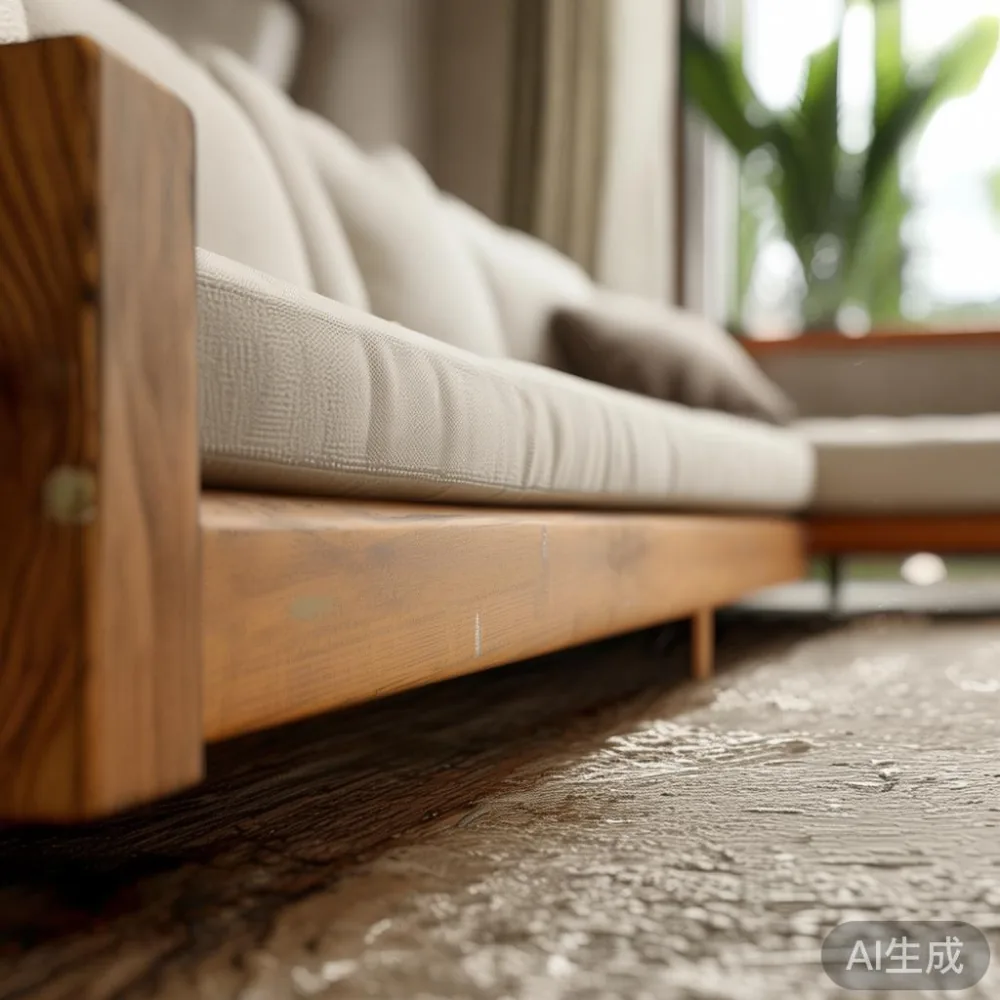
Why does humidity affect solid wood furniture in Singapore?
Wood is hygroscopic: it takes in water vapour when the surrounding air is humid and releases it when the air dries. Southeast Asian conditions can keep relative humidity near 60–80% for long stretches, while air-conditioned bedrooms may fall to 40–55%. A swing of 20 percentage points is enough to make a wide oak board expand by roughly 1–2 mm and a tongue-and-groove panel shift slightly along its length.
Seasonal monsoons raise nighttime humidity, while Singapore’s year-round warmth keeps evaporation slow. Air-conditioning lowers the immediate surface humidity, but it can create a repeated cycle: the room cools and dries after arrival, then warms and humidifies later. Direct air-conditioning vents should therefore not point at a wardrobe side, bed frame headboard, nightstand drawer, or dining table edge.
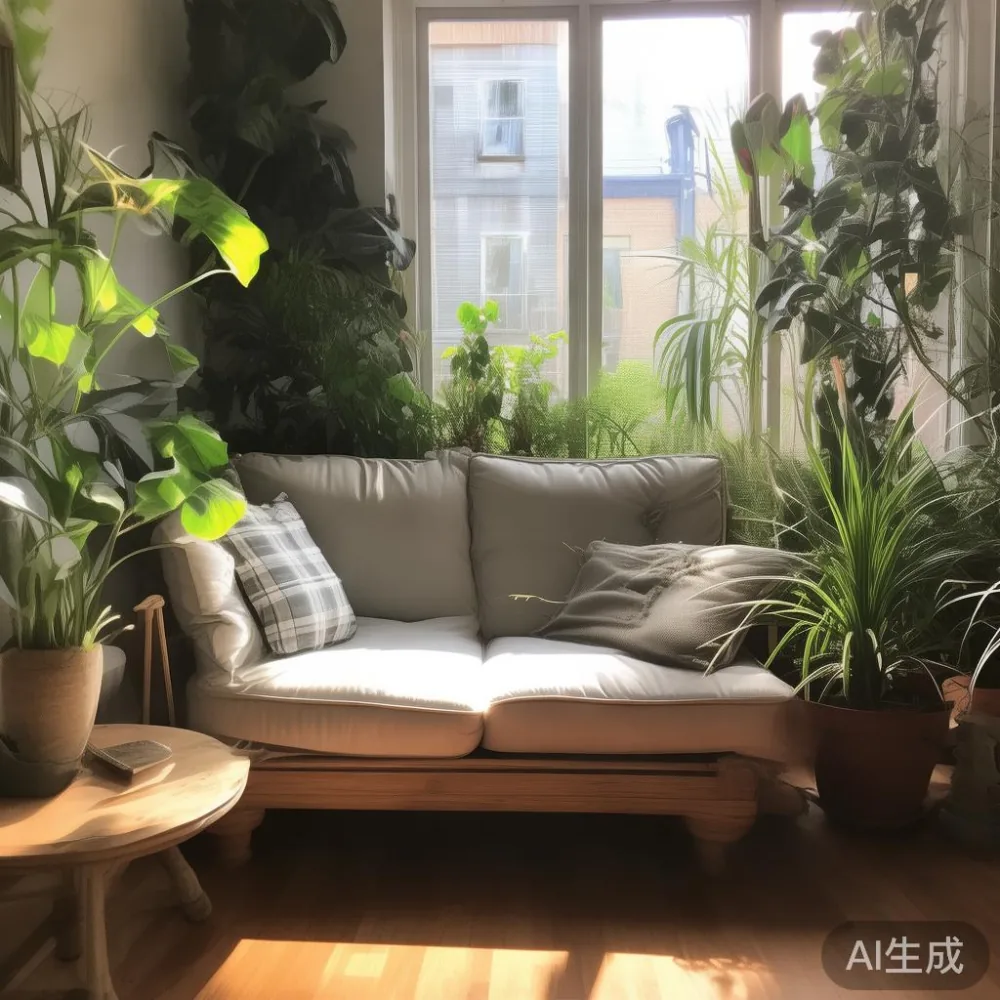
Quality construction helps the wood move within its design rather than split randomly. Mortise-and-tenon joints, properly fitted drawers, reinforced corners, and finished undersides can accommodate dimensional change. Particleboard, engineered panels, and dense imported hardwoods also expand and contract, but they often show different failure patterns, such as delamination or softened screw holes.
Outdoor furniture faces a harsher version of this process. An outdoor sofa exposed to a wet balcony can gain moisture quickly at the end grain while its sheltered underside remains drier. That uneven movement may loosen a joint or encourage mould if cushions and debris trap moisture against the base.
What does Singapore’s humidity do to a solid wood sofa?
A solid wood sofa needs a stable indoor environment, with relative humidity ideally around 45–60%. In an HDB flat, place it away from a laundry balcony, bathroom door, kitchen steam, and sliding glass door. Keep it at least 30 cm from an exterior wall if condensation is common, and at least 60 cm from a cold air-conditioning vent. These distances also simplify cleaning and reduce temperature shocks.
Check the sofa every 2–4 weeks during humid periods. Look for a gap of more than 2 mm along a joint, a drawer that needs unusual force, or a surface that feels damp for more than 30 minutes after wiping. A faint response to changing humidity is normal; persistent cracking, softness, or fungal spots require corrective action.
Outdoor sofas need covers designed for airflow. A waterproof sheet can trap condensation against the wood, so use a breathable cover, improves the base by 3–5 cm, and ensure drainage beneath the legs. If the outdoor sofa sits in a condo rooftop lounge, angle it away from splash zones and clean the underside with a soft brush every 7–14 days.
People comparing European sofa vs Italian light luxury sofa styles should check the frame, finish, and climate-care instructions rather than relying on a country label alone. European and Italian-inspired profiles often use generous arms, clean seams, and pale timber tones, but the interior construction determines how well a sofa handles Singapore humidity. An Italian light luxury sofa may have elegant proportions and refined joinery; a European solid wood sofa may prioritise simpler forms. Ask for timber species, moisture range, joinery details, upholstery options, and warranty terms before choosing.
How can humidity damage a bed frame, dining table, wardrobe, or nightstand?
A bed frame gives moisture fewer visible escape routes than an open sofa. Its slats, centre rails, headboard, and side rails work together, so expansion can pull fasteners loose or create a slight creak. Keep the frame at least 45 cm from windows that receive direct rain and maintain 40–50% relative humidity in the bedroom. Use a moisture meter with a wood calibration for the species; check beneath the bed and around the headboard, not only the top rail.
A dining table experiences spills, food steam, and frequent wiping. Wipe in the grain with a damp cloth, then dry within 10 minutes. Avoid leaving a hot pot or glass vessel in one position for more than 60 minutes. Felt pads under warm objects should be replaced every 12–18 months, and the table should stand on a level surface to prevent distortion.
A wardrobe can show a vertical gap of 2–4 mm after its doors swell. Do not force a door or plane the edge yourself. Confirm whether the gap is seasonal and whether the carcass remains square. For shoppers asking where to buy wardrobe from MIDHILL, request timber details, internal moisture targets, door adjustment, and finish-care guidance. A MIDHILL wardrobe should be installed with adequate ventilation behind the back panel and protected from a nearby balcony door.
A nightstand is a useful humidity indicator because drawers move more readily than fixed panels. Place it away from a bathroom or wet balcony, and keep coasters under a cold glass for at least 2 hours. The surface should be wiped dry immediately, not merely left to air-dry overnight.
A marble table is less vulnerable to moisture movement than wood, but its stone, adhesive, and metal supports still need attention. Use a pH-neutral cleaner, keep acidic liquids away for more than 15 minutes, and avoid thermal shock, such as moving a 70°C cup onto a cold marble surface. Inspect fixings every 6 months because moisture and repeated assembly can loosen them.
How should I choose furniture for HDB flats and condos?
Measure the route before ordering a bed frame, wardrobe, or large outdoor sofa. HDB corridors are often about 1.2–1.5 m wide, while many condo lift cars measure roughly 1.1 m wide by 1.4 m deep, though building-specific dimensions vary. Check the lift door, turning radius, staircase, landing, and apartment entrance. Record the narrowest point and diagonal clearance, and add at least 10 cm of working margin for packaging and hand turning.
For lift access, an assembled solid wood bed frame can be impractical even when it fits through the entrance. A knock-down bed frame with bolted rails may arrive in 2–3 cartons, while a wardrobe may arrive as flat panels. If a piece is fully assembled, confirm that the delivery crew can carry it, remove protective packaging, and place it in the room. Installation around a tight corridor may add 30–90 minutes.
Outdoor sofas also need to fit balconies without blocking drains. Leave at least 20 cm between the frame and a parapet, maintain a 30 cm service route for cleaning, and avoid covering a communal fire-usage area or blocking a condo corridor. Verify balcony load rules before requesting delivery, and do not assume indoor furniture is suitable for outdoor use.
Singapore’s 9% GST is included in displayed consumer prices when clearly stated. A solid wood sofa may range from SGD 1,850 to SGD 4,800, a bed frame from SGD 980 to SGD 2,600, and a dining table from SGD 1,200 to SGD 3,900. A marble table may range from SGD 1,600 to SGD 4,500, while a wardrobe can cost SGD 1,450 to SGD 3,700. Lighter timber, modular construction, and smaller dimensions usually affect the final SGD amount.
Delivery commonly takes 7–14 working days after production, with another 1–3 days for installation in larger units. Confirm the exact lead time in writing, especially for custom outdoor sofa covers, pale timber finishes, or a French provincial wardrobe with shaped doors.
What is the difference between indoor and outdoor wood furniture?
Indoor solid wood furniture is intended to remain within a controlled interior environment. Its finish can be maintained with a soft cloth, mild cleaner, and periodic re-oiling according to the product instructions. Outdoor furniture needs water drainage, UV-resistant finishes, corrosion-resistant fixings, removable cushions, and covers that permit ventilation.
Do not place an ordinary indoor solid wood sofa on a balcony merely because its name includes “outdoor.” Ask whether the timber is suitable for exposed conditions, whether the frame is fully sealed, and whether the finish can be renewed. MIDHILL can specify the appropriate outdoor sofa construction, but the buyer should still follow the stated exposure limits and care schedule.
The same principle applies to material comparisons. A practical guide to the best Industrial bed for 2026 should examine frame density, centre-rail support, moisture tolerance, and warranty rather than styling alone. A French provincial wardrobe, by contrast, depends on shaped panels, rounded edges, and precise door alignment. The best French provincial wardrobe for 2026 should still be checked for seasonal movement and adequate wall clearance.
Light-luxury design does not remove the need for climate control. French light luxury often brings pale woods, curved profiles, and restrained ornament; American light luxury favours clean lines and visual comfort; post-modern light luxury mixes proportion with selective geometric detail. Each can suit Singapore homes if the finish, dimensions, and maintenance route are matched to the space.
How do I compare cheap European light luxury furniture with better-built pieces?
Price alone gives little information about humidity performance. Compare a cheap European light luxury furniture promotion with the specification sheet: solid timber versus veneer, drawer construction, panel thickness, moisture range, finish layers, hardware, and warranty. A lower SGD price may mean a smaller piece, a simpler finish, or less labour-intensive joinery.
Ask for a written moisture-control range of 8–12%, subject to the timber species and service climate. Confirm whether that number describes an equilibrium target for indoor use and how outdoor pieces differ. Request photographs of the underside, joint corners, drawer runners, and fastening points. A 10-year structural warranty should be read separately from finish and surface care, because humidity exposure can affect a coating even when the frame remains sound.
For a solid wood sofa, sit on it for 10–15 minutes, test every drawer through 3 full cycles, and inspect the frame from underneath. For a dining table, place a 10 kg load on each long side briefly and check for flex. For a wardrobe, open and close the doors 5 times and look for binding. For a marble table, examine the underside, support spacing, and stone edges under good light.
Buyers asking how to choose European light luxury bed should prioritise a supportive centre rail, a slat spacing appropriate to the mattress, breathable materials, and dimensions that leave at least 60 cm beside the bed where possible. In an HDB room, choose lift-up storage only if the lifting mechanism has been tested at the actual mattress density.
How do I control humidity without destroying my furniture?
Use the building’s dehumidifier or air-conditioning thoughtfully rather than chasing an exact number every hour. Around 45–60% relative humidity is a practical indoor target, with stable temperature and airflow taking priority over abrupt manual adjustment. A small bedroom may need a dehumidifier rated for 20–30 m², but the actual capacity depends on the room volume, temperature, and door seals. Set the unit to a target around 55% and empty its tank every 2–3 days during humid weather.
Keep solid wood furniture 45–60 cm from exterior walls when condensation appears, and at least 60 cm from air-conditioning outlets. Do not place a nightstand under a cold vent or a wardrobe against a damp balcony wall. Leave 3–5 cm behind freestanding pieces for inspection and cleaning. Use coasters, felt pads, and waterproof trays under plants; a 40 cm planter may release several hundred millilitres of water during a week.
Clean with a slightly damp microfibre cloth and dry the surface immediately. Re-oil only when the manufacturer’s instructions call for it, usually every 12–24 months depending on use and finish. Test an inconspicuous 5 cm area first and allow the product to cure for the stated period, often 24–72 hours.
Measure gaps and movement monthly, then compare the readings. If a crack exceeds 1–2 mm, a joint remains loose after 7 days, or black spotting appears, stop placing objects against the area and contact the supplier. For outdoor sofas, remove cushions after rain, brush the frame every 7–14 days, and keep the cover off for at least 2 hours after the wood dries.
What should I check before delivery and after it arrives?
Before delivery, photograph the lift lobby, corridor, entrance, and intended furniture position. Confirm the packaged dimensions, carton count, estimated delivery days, installation fee, and GST treatment. For a large bed frame, check whether the mattress can remain in the bedroom while the frame is assembled. For an outdoor sofa, verify balcony access, turning space, and drainage clearance.
On arrival, inspect the packaging before opening. Photograph visible corners, the top, underside, and any joint. Check that doors and drawers operate without force, then leave indoor furniture in a stable environment for at least 48 hours before loading it heavily. Do not place an outdoor sofa on a wet balcony at installation; let the surface dry first.
MIDHILL was established in 2008 and exports to more than 15 countries, providing a 10-year structural warranty and lifetime refinishing. Local delivery over US$350 is stated as free, although the equivalent Singapore threshold should be confirmed in the quotation. A 14-day return period offers an opportunity to check scale and finish, but made-to-order pieces, special fabrics, and installed items may have specific exclusions that should be reviewed before purchase.
Humidity does not make solid wood furniture unusable in Southeast Asia. It makes disciplined placement, stable indoor conditions, realistic outdoor protection, and regular inspection more important. For an outdoor sofa, drainage and ventilation matter as much as the timber finish. For a bed frame, dining table, wardrobe, nightstand, or marble table, matching the product to the room’s moisture exposure can prevent small movements from becoming expensive repairs.