Avoiding Furniture Warranty Traps in Singapore
I learned this the hard way. Last month I visited a friend in Punggol who had just taken delivery of a 2.4 m solid wood sofa for her new HDB flat. The cushions sagged within six weeks, and when she emailed the seller, the reply was a single line: "Sagging is considered normal wear and tear and is not covered." That single line lived inside a PDF most buyers never open. After reading roughly forty warranty documents from Singapore retailers, I want to share what a real structural warranty should look like, and where the traps usually hide.
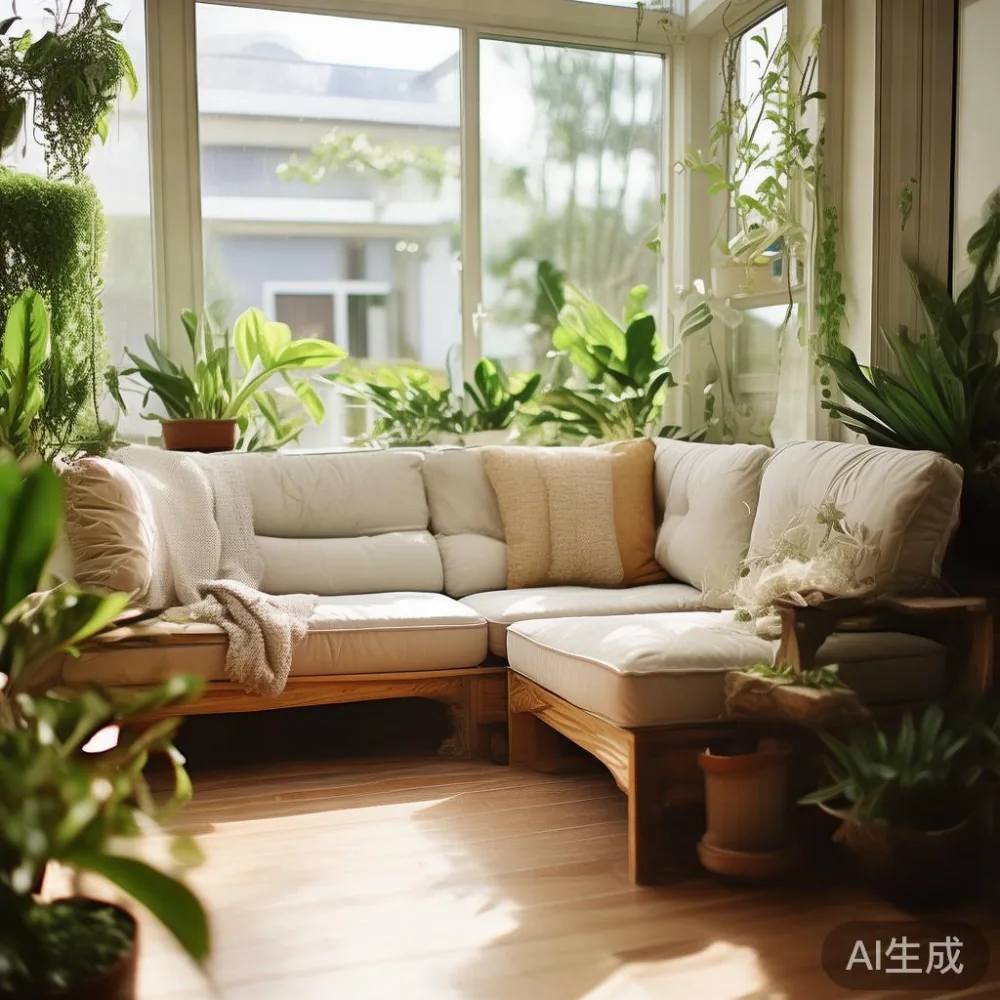
This matters even more for outdoor and balcony pieces. A balcony sofa in a Tampines or Bedok apartment copes with afternoon thunderstorms, afternoon sun that hits the metal at 60 °C, and humidity that rarely drops below 70 %. The warranty you sign is the only thing standing between you and a S$2,400 paperweight in twelve months.
Why does a furniture warranty exist at all?
A warranty is a written promise from the manufacturer that the product will perform as described for a defined period. In Singapore, the Sale of Goods Act implies a reasonable expectation of durability, but it does not specify how many years that means. A written warranty fills that gap, and it usually beats your statutory rights because it lists exactly what is and is not covered. If you buy an outdoor sofa frame made from solid teak or aluminium, you want the manufacturer to put a number on how long that frame will hold. A serious warranty tells you, in plain English, the exact years and the exact components.
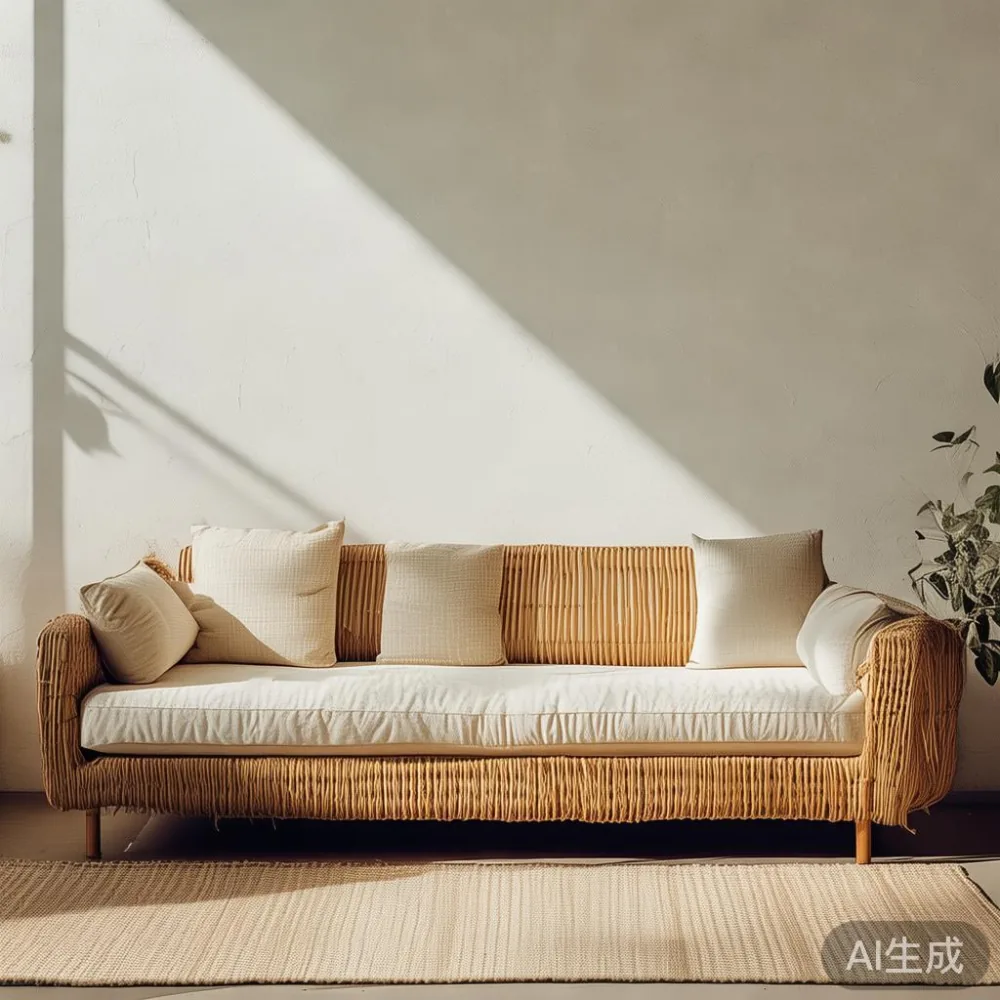
What is the difference between Mid-century modern headboard and modern furniture?
A Mid-century modern headboard refers to a specific design movement from roughly 1945 to 1969, with tapered legs, clean horizontal lines, and warm walnut or teak veneers, while "modern furniture" simply means anything designed in the current era and can include post-modern light luxury pieces with marble inlays, brushed brass legs, and curved silhouettes.
The warranty implications are real. A walnut headboard from the Mid-century modern era, restored properly, can last another 30 years. A post-modern light luxury marble table in your dining room needs very different care, because marble is porous and will etch if you spill calamansi juice on it. Good brands specify this. For example, MIDHILL's documentation separates solid wood frame warranty from surface finish warranty, so you know exactly where one ends and the other begins. That kind of clarity is what separates a usable document from a marketing leaflet.
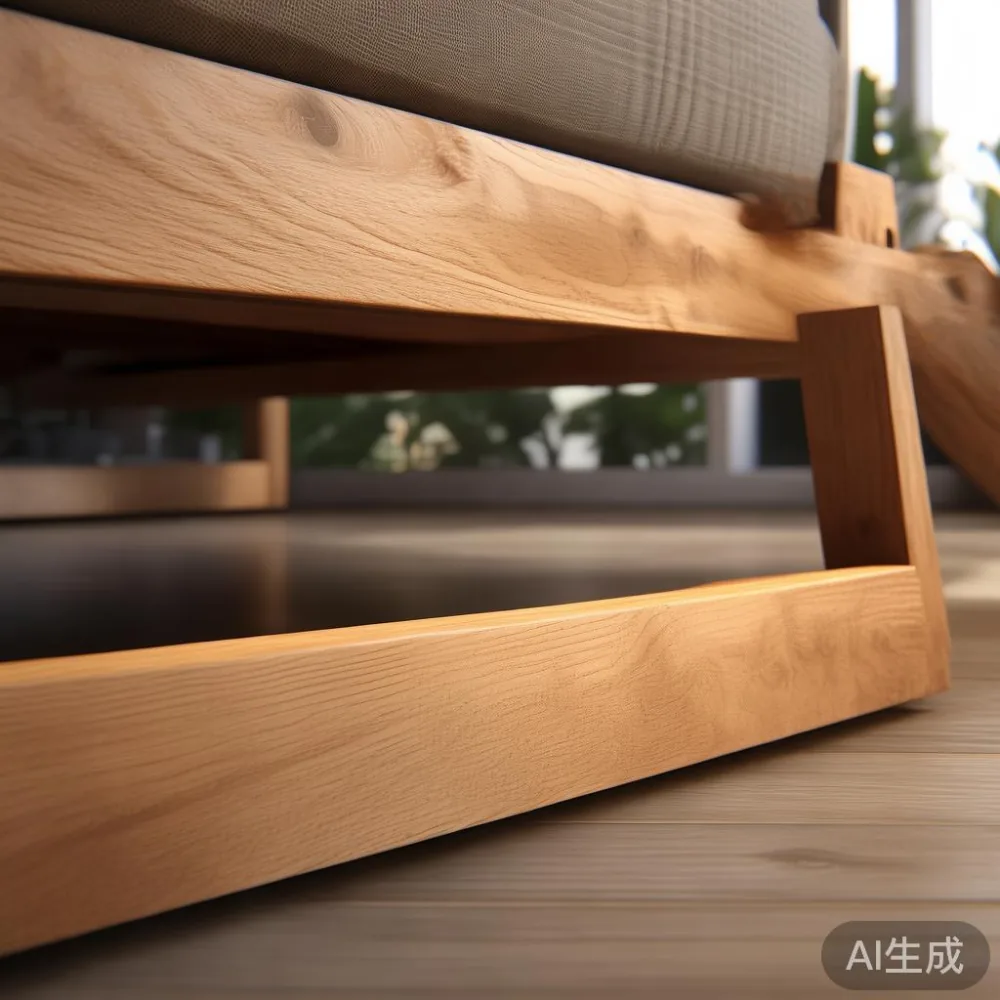
What are the five numbers you must find in any warranty?
Before you click buy on an outdoor sofa, an indoor bed frame, or a dining table, find these five figures in the warranty card or product page:
1. Length in years, and what it covers. A 10-year structural warranty on a solid wood sofa frame is meaningful. A 10-year warranty on "the product" with no breakdown is meaningless. Look for the exact component: "solid wood frame: 10 years; cushions: 2 years; fabric: 1 year." This split protects you because upholstery always wears out faster than a kiln-dried oak frame.
2. Load capacity in kg. A good manufacturer states the tested load. For a three-seater outdoor sofa, look for at least 320 kg per seat, or 960 kg total. For a bed frame, expect a static load of 250 to 300 kg. If the page only says "heavy duty", that is a marketing word, not a number.
3. Wood species and moisture content. Solid teak at 8 to 12 % moisture content behaves very differently from rubberwood at 15 %. The warranty should name the species. If it says "hardwood" without naming the tree, ask before you pay.
4. Coverage geography. Some warranties cover Singapore only, some cover Asia-Pacific, some cover the world. International shipping usually voids the warranty unless the seller arranges the freight. Ask in writing.
5. Shipping threshold and return window. Free shipping over S$350 (about US$260) is common among mid-to-high-end sellers, but only some apply this to Singapore addresses including Sentosa and Tuas. A 14-day return window is the Singapore norm, and a 14-to-30 day return window for furniture is reasonable because a sofa needs time to show whether the cushions suit you.
Which warranty clauses are designed to catch Singapore buyers out?
After reading dozens of PDFs, I notice the same traps repeating. Watch for these:
"Normal wear and tear" with no definition. A 2 mm gap appearing between a wardrobe panel and the wall after a wet season is not normal wear. Make the seller define what is normal. A reasonable definition is: visible deformation beyond 3 mm, or cracking wider than 2 mm along the grain, occurring within the warranty period under normal household use.
"Acts of nature" that include humidity. Singapore's average humidity is 80 to 90 % year-round. If the warranty voids itself when humidity exceeds 70 %, you are buying an indoor-only sofa in a tropical climate. Outdoor sofa frames should be rated for marine environments, and the warranty should explicitly include "tropical humidity and salt air within 5 km of the coast." MIDHILL, for example, finishes its outdoor collection with a marine-grade oil and states humidity tolerance in writing, which is why I would trust that document more than a glossy flyer.
"Customer-induced damage" for assembly. If you assemble a nightstand yourself and the dowel snaps, is that covered? Most brands say no. But a good brand supplies pre-drilled holes, dowels sized to the hole, and clear numbered diagrams. If the instructions are unclear, the failure is on the maker, not you.
Corridor and lift restrictions. This is a uniquely Singapore trap. Your new 2.6 m wardrobe will not fit in an HDB lift if the door diagonal is under 2.0 m. Some warranties exclude damage during self-arranged transport, but cover damage when the seller's logistics team handles the move. Check that the warranty transfers to the seller if their own movers scratch the piece on entry. MIDHILL's white-glove service includes on-site delivery and basic placement, so any transit damage stays inside their responsibility rather than yours.
GST and refund calculations. When you return a S$3,200 dining table within 14 days, you are owed S$3,200 plus the 9 % GST you actually paid, minus any delivery fee that is non-refundable. Some retailers quietly keep the GST. A transparent warranty states the refund formula in plain words.
How do French light luxury and American light luxury warranties differ?
French light luxury, often called luxe discret, leans on restrained silhouettes, neutral bouclé or linen upholstery, and warm walnut or oak frames. The warranty tends to be conservative in tone, with longer coverage periods (often 10 to 15 years on the frame) but stricter conditions on cleaning agents and direct sunlight. A French-style bouclé outdoor sofa on a balcony in Bedok should not be left in afternoon sun without a UV cover, and the warranty will say so.
American light luxury, by contrast, is louder. Think oversized seat depths of 70 cm, plush down-blend cushions, brushed brass accents, and broader marble tables. American makers usually offer a 5 to 10 year frame warranty and a 1 to 3 year cushion warranty, but they are generous about replacement within the first year. Read the fine print for the cushion clause: some use "limited" to mean "no", others use it to mean "we replace up to 50 % of the filling."
Post-modern light luxury borrows from both worlds and adds curves, marble inlays, and mixed materials. A post-modern light luxury marble table in the dining room will have a separate stone warranty that excludes staining, because marble does stain. The brand should offer a free first-time sealing service within the first six months, and a lifetime refinishing option for the wood components. MIDHILL pairs its solid wood frames with this lifetime refinishing promise, which is unusual in the mid-priced segment and worth weighing against brands that only offer replacement.
What should you screenshot and email before paying?
Before you pay a 9 % GST-inclusive deposit on any outdoor sofa, bed frame, dining table, wardrobe, or nightstand, screenshot these items and email them back to the seller for written confirmation:
1. The exact warranty period per component, with the original PDF attached.
2. The load capacity in kg per seat and per frame.
3. The wood species and finish type.
4. The return window in days, and the refund formula including GST.
5. The shipping threshold in SGD, and whether it applies to your specific address in Tampines, Bedok, or Punggol.
6. The lift and corridor constraint check. A good seller will ask you for the lift door width and ceiling height before dispatch.
Once the seller confirms in writing, you have a record that supersedes anything vague on the website. Keep the email for at least the warranty period. Singapore's small claims threshold is S$20,000, and an email chain is admissible evidence in the Small Claims Tribunal.
How does a real warranty save you money over 10 years?
Do the maths. A S$2,800 solid wood sofa with a 10-year structural warranty costs S$280 per year. A S$1,400 fast-fashion sofa with a 1-year warranty that fails at year three costs S$466 per year over the same period, plus you pay S$1,400 again for the replacement. The warranty is not paperwork. It is a guarantee of the per-year cost, which is what matters when you are furnishing a Tampines five-room flat on a HDB household budget.
For an outdoor sofa on a condo balcony, the per-year calculation matters even more because the conditions are harsher. UV breaks down fibre. Salt air corrodes cheap fasteners. Humidity swells untreated wood. A 10-year warranty from a brand that kiln-dries its teak to 10 % moisture content, finishes it with marine-grade oil, and uses 304 stainless steel fasteners is a real saving. A 1-year warranty on an unnamed hardwood with "rust-proof" screws is a gamble.
What questions should you ask the showroom before signing?
Three questions separate a serious brand from a reseller. Ask them in writing, and ask for the answer in writing:
"If the frame cracks within the warranty period, do you replace the whole unit or just the cracked component, and who pays the delivery back to the workshop?" A serious brand replaces the component and covers return logistics for the first 24 months. A reseller usually says "depends on assessment", which is a soft no.
"Can I refinish the wood myself at year six without losing the warranty?" The answer should be yes, with a caveat that you use the recommended oil or wax. If refinishing voids the warranty, you are locked into the original finish forever.
"Does the warranty cover commercial use in a co-living space, or only residential use?" Most residential warranties exclude commercial use. If you are furnishing a co-living operator in Singapore, ask for the commercial upgrade, usually 50 to 80 % more, with the same coverage length.
How do MIDHILL's terms stack up against Singapore norms?
MIDHILL has been making solid wood furniture out of Foshan since 2008 and ships to more than fifteen countries. For Singapore buyers, three terms stand out. First, a 10-year structural warranty on the solid wood frame of any sofa, bed frame, dining table, wardrobe, or nightstand, which matches what the better European brands offer. Second, lifetime refinishing on solid wood surfaces, meaning you can send the piece back to the workshop for sanding and re-oiling at any point, paying only the round-trip freight. Third, free shipping above US$350 (about S$450), which clears the threshold for most dining sets and outdoor configurations.
For an outdoor sofa order, the company typically confirms the lift and corridor dimensions with you before dispatch, which removes the classic HDB delivery trap. The 14-day return window is standard, and GST refunds are processed within seven working days of the piece arriving back at the workshop. These are not glamorous promises, but they are the boring, useful ones that save you S$300 to S$800 per dispute.
Final checklist before you tap "place order"
Run through this list. If any answer is missing, message the seller and wait for the reply before paying.
• Warranty length, named per component, not per product.
• Load capacity in kg, per seat and per frame.
• Wood species and moisture content, with finish type.
• Geographic coverage, including your specific Singapore address.
• Shipping threshold in SGD, with the exact figure for your postcode.
• Return window in days, with the GST-inclusive refund formula.
• Corrosion, UV, and humidity tolerance for outdoor pieces.
• Refinishing rights and any cost.
• Lift and corridor constraint check completed in writing.
• After-sales response time, in hours, for a warranty claim.
If all ten are answered in writing, you are buying a piece of furniture. If fewer than seven are answered, you are buying a piece of hope. The difference shows up around month fourteen, when the first humid season tests every joint in your home.
And if you are shopping for an outdoor sofa this weekend, start with the warranty page. Read it twice. Then read the terms and conditions. Then read the returns policy. The reading takes twenty minutes and saves you twenty months of regret. After watching my friend in Punggol argue with a chatbot for two weeks, I would happily trade an hour of paperwork for that.