How to Match an Outdoor Sofa and Solid Wood Furniture to a Warm Minimal Interior
Warm minimal interiors are easy to admire but surprisingly difficult to furnish well. The trick is not to fill every wall. It is to choose a few pieces with convincing proportions, tactile materials and a clear relationship between indoor and outdoor living. For Singapore homes, that relationship must also work within HDB lift openings, narrow condo corridors and tropical conditions.
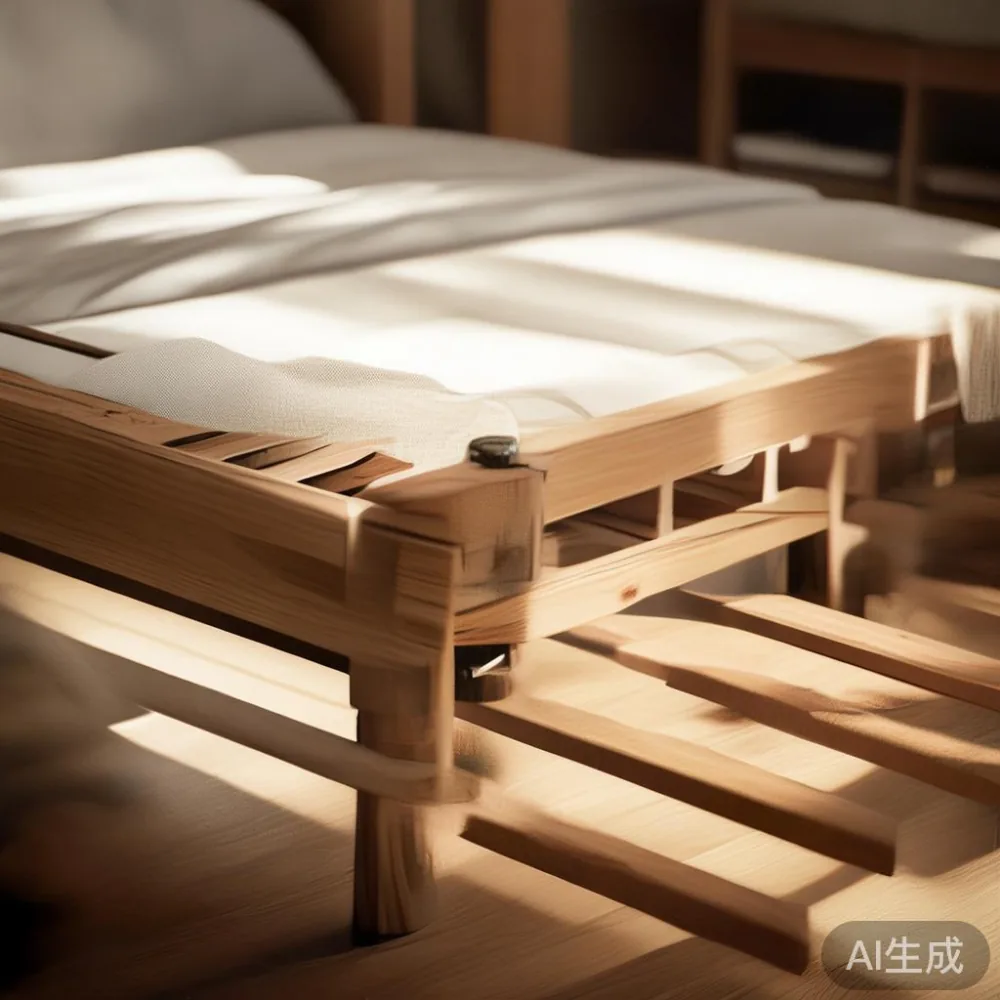
My own test began last month at a three-room Tampines flat with a 90 cm lift opening and a 1.05 m common corridor. A deep lounge chair looked comfortable in the showroom but was awkward to angle through the landing. We settled on a compact solid wood frame with separate cushions, reduced its depth from 95 cm to 82 cm and kept the lighter components removable. The experience reinforced a useful rule: measure the route before choosing the silhouette.
MIDHILL was founded in 2008 and exports to more than 15 countries. Its 10-year structural warranty, lifetime refinishing service and 14-day return policy give Singapore buyers some practical reassurance, although each order still needs careful planning. Free shipping applies above US$350, or approximately SGD 465 at a broadly indicative exchange rate of US$1 to SGD 1.35. Local prices should be confirmed at purchase, and GST is normally added at 9% for Singapore-registered purchases.
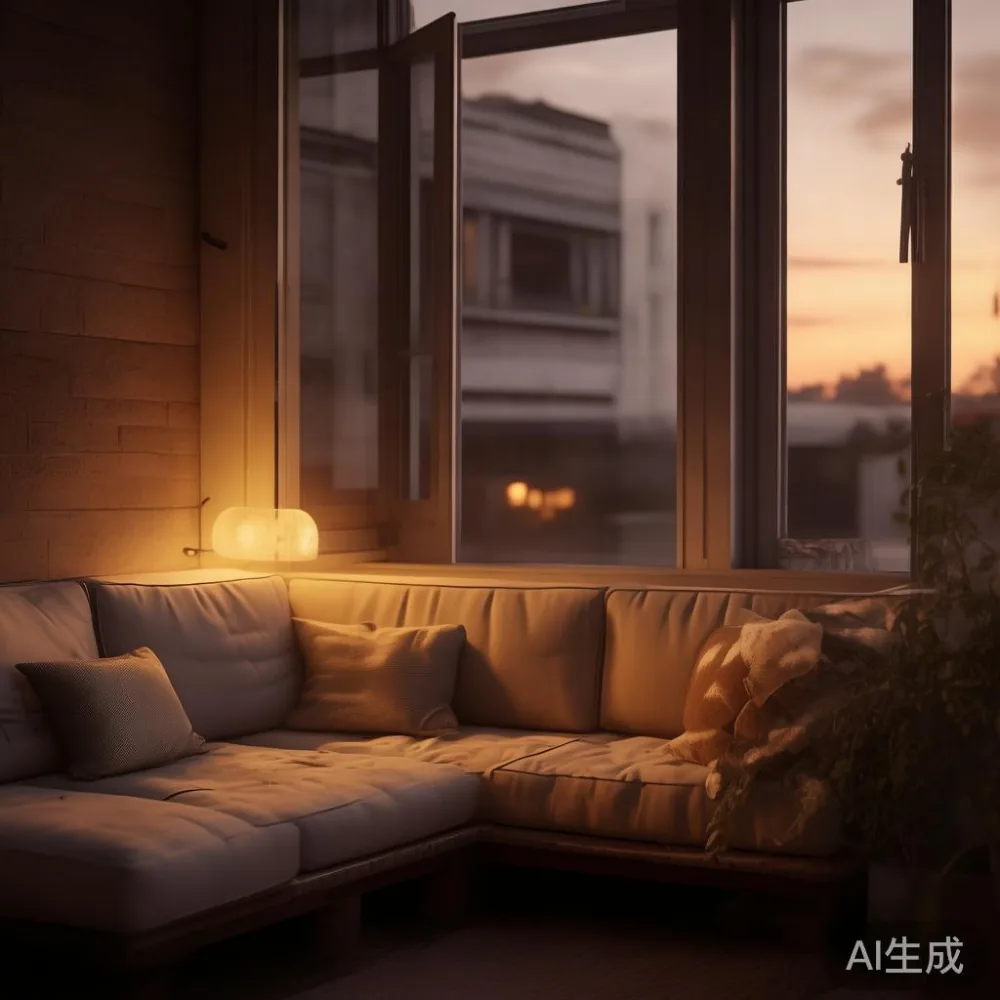
What makes a warm minimal interior feel warm rather than empty?
Warm minimalism relies on contrast: pale walls against darker timber, clean forms against tactile textiles, and open space around carefully positioned furniture. Black, charcoal and stark white alone can feel severe. Add honey-toned oak, softer beige upholstery, woven baskets, matte metal and a small amount of clay or ceramic, and the same room begins to feel inhabited.
A useful target is 90 cm between major seating pieces. In a compact living room, that clearance allows a person to pass without turning sideways. Keep 60 cm in front of a dining table for chair movement and around 75–90 cm for a commonly used walkway. In a HDB living room, this discipline often matters more than adding another side table.
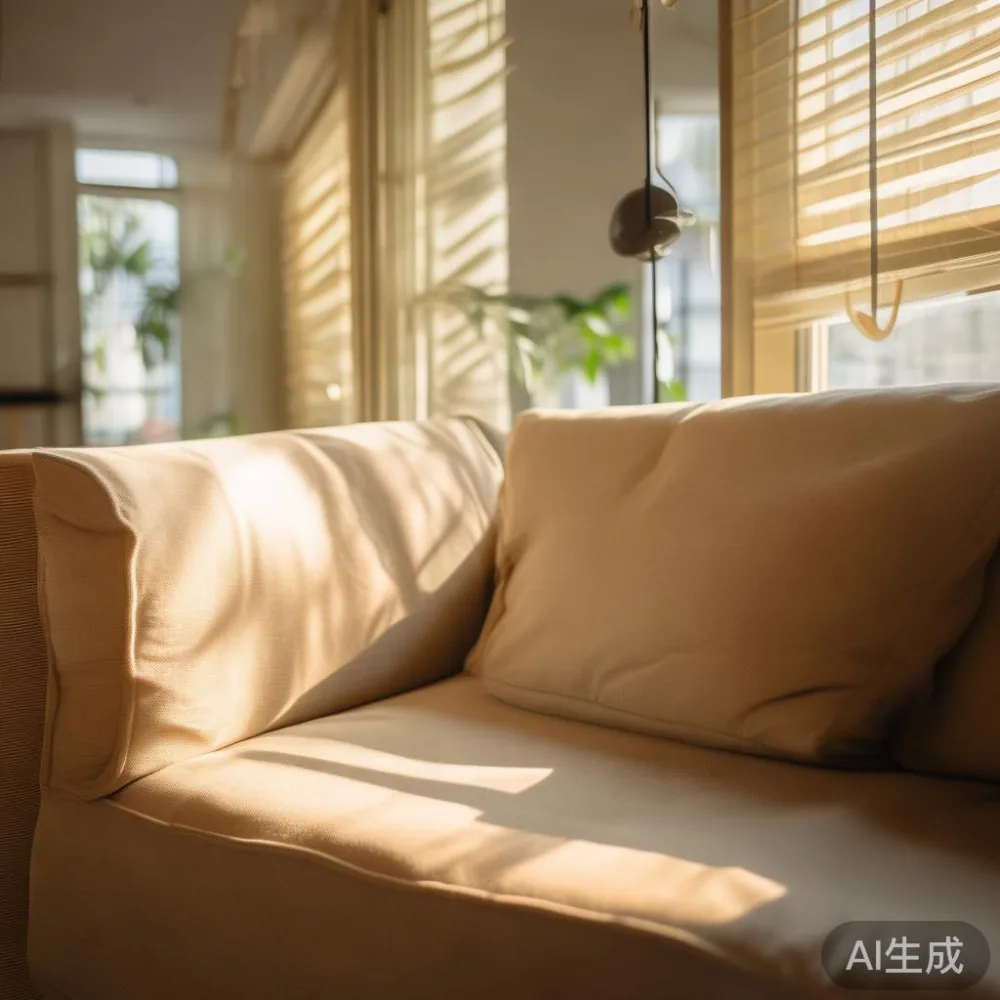
Light also controls warmth. Use one dimmable ceiling source at roughly 2700K, supplemented by a floor lamp or table lamp around 3000K. Curtains should stop just below the window ledge rather than pooling heavily on the floor. One 160–180 cm plant, such as a rubber plant or bird of paradise, can soften a clean composition without creating visual clutter.
The material hierarchy should be simple. Let timber provide structure, upholstery provide comfort, and metal provide slender accents. Avoid combining more than three dominant finishes in one 20 sqm room. For example, natural oak, cream fabric and brushed bronze already create enough variation.
Should an outdoor sofa match the solid wood furniture indoors?
Yes, but visual continuity matters more than using identical timber or cushions. An outdoor sofa facing a balcony or communal deck should echo the indoor palette through its frame colour, cushion shade or proportions. It need not be upholstered in the same fabric as an indoor sofa, because rain, humidity and direct sun demand more resilient surfaces.
For an HDB balcony in Bedok, Punggol or Tampines, begin with the available width. Measure the railing to the nearest obstruction and subtract 15–20 cm on each side for access and drainage. A 170 cm outdoor sofa may suit a 2.1 m balcony, while a 200 cm model needs more lateral space. The manufacturer’s stated dimensions should be checked against the delivered configuration.
Weight is equally important. A modular outdoor sofa may weigh 55–85 kg per section, while a lighter two-seat frame might weigh 35–50 kg. Check that the lift can handle the packed item and that at least two people can move it safely. MIDHILL can provide packed measurements and weight details before dispatch, reducing the risk of discovering an oversized carton at the lift lobby.
For protected decks, an outdoor sofa with removable quick-dry cushions is more practical than one with fixed seat pads. For open balconies, look for treated solid wood, rust-resistant hardware and UV-stable fabric. Keep at least 5 cm above the floor where practical, and use a washable outdoor rug to define the seating zone without trapping moisture.
Do not force an outdoor sofa into the living room simply because it coordinates. Its deeper modules, harder surfaces and visible weatherproofing may disrupt a calm interior. Conversely, a protected condo terrace can accept a slender solid wood lounge chair that visually links to the dining area while remaining correctly classified for outdoor use.
How do you choose solid wood furniture for a compact Singapore home?
Begin with the room’s measurements, not a product photograph. For a dining area, allow at least 75 cm behind each chair when pulled out. A 140 × 80 cm dining table generally fits a 2.8 × 2.4 m zone, while a 160 × 90 cm table needs closer to 3.0 × 2.8 m. Six diners around a 160 cm table can feel cramped; four may look more relaxed.
Choose solid wood furniture with visible joinery and stable construction rather than relying on a glossy finish. Teak and oak suit warm minimalism, but Singapore humidity still calls for sensible care. Keep timber 15–25 cm from an exterior wall if possible, use coasters on a dining table, and wipe spills promptly. Avoid placing a wardrobe or bed frame directly beneath an air-conditioning vent, where repeated moisture and temperature changes can affect finishes.
For a compact bedroom, a bed frame around 150 × 200 cm may fit better than a king-size unit. Leave 60 cm on one side of the bed if possible and 45 cm on the other. A slim nightstand measuring 35–45 cm wide can hold a phone, water glass and charger without narrowing the passage. In a Punggol studio, a 120–140 cm dining table could also serve as a desk and occasional guest table when paired with a 40–45 cm wide chair.
Storage should conceal clutter, not dominate the room. A wardrobe with sliding doors may be more practical than wide swing doors in a narrow bedroom. If using hinged doors, allow the door-leaf width plus about 10 cm for movement. An island or open shelving can work in an open kitchen, but 90 cm of clearance is preferable when the cook is active.
MIDHILL’s lifetime refinishing policy is relevant here because solid wood develops character over time. Scratches and colour changes do not have to be treated as faults. A periodic wipe with a slightly damp cloth, followed by a dry cloth, is usually enough. Confirm the approved care products and refinishing terms before applying oils or waxes.
How do you mix French, American and post-modern light luxury without clutter?
French light luxury tends to emphasize curved profiles, upholstered surfaces, refined timber and decorative detail. American light luxury often pairs generous comfort with cleaner architecture, making it useful in family-oriented spaces. Post-modern light luxury can introduce geometric forms, mixed materials or a controlled asymmetry, but every departure from minimalism needs a reason.
For a warm minimal condo, use one design language as the foundation and let another provide a small contrast. A rectilinear solid wood sofa in oatmeal fabric can sit with a round marble table because the contrast is controlled. A French-inspired bed frame with softened corners could be balanced by plain linen curtains and matte-black lamps. The goal is coherence, not a catalogue of labels.
Modern Italian light luxury furniture can work through proportion, texture and restrained detail rather than ornate decoration. A slim dining table with softened edges, a sculptural chair and honed stone accents may provide enough expression. Keep the number of statement pieces to one or two in a 15–20 sqm living area.
Scale is another important restraint. A low 72–76 cm sofa in a compact room can appear larger because it leaves sightlines open. A very high-backed chair or oversized headboard may crowd the walls. Decorative pieces should occupy actual surfaces: one lamp on a nightstand, one bowl on a dining table and one framed print on the largest wall are usually enough.
Which colours and materials make small HDB and condo interiors feel warmer?
Start with a neutral base of warm white, putty, oatmeal, sand or soft greige. Then introduce medium-toned wood as the visual anchor. Dark walnut can be used selectively on a bed frame, dining table or slim console, while pale oak keeps the room brighter. For an east-facing Tampines flat, a warmer palette helps balance strong morning light; a west-facing Bedok unit may benefit from slightly deeper taupe and brown accents.
Use colour in the 60–30–10 proportion: approximately 60% walls and large fixed surfaces, 30% upholstery and textiles, and 10% accessories. This is a planning guide rather than a rule, but it prevents several strong accent colours from fighting for attention.
Stone and metal should be treated as punctuation. A marble table with a 100–120 cm top can work in a living room, but a busy pattern in a small space may become visually heavy. Choose veining with enough variation to feel luxurious but not so much that it competes with the grain of a solid wood dining table. Brushed brass, matte black or warm bronze—pick only one—can connect lamps, handles and occasional accessories.
Textiles carry warmth because they soften hard edges. Curtains of 140–180 cm width for a 120–150 cm window, a loosely woven throw and a low-pile rug can achieve this without overwhelming a modest room. Outdoor fabrics may feel firmer than indoor linen, so maintain consistency through colour rather than exact texture.
How should you plan delivery, assembly and returns for furniture in Singapore?
Delivery planning should start before payment. Record the lift opening, lift interior dimensions, landing turns and corridor width. A sofa carton may measure 190 × 85 × 65 cm even when the sofa itself is smaller, so the packed size matters. In my colleague’s Bedok condo visit last month, the sofa fitted through a 90 cm opening, yet one protective corner had to be removed to clear a tight turn. Clear packaging can often make the difference without damaging the product.
Confirm whether delivery is curbside or room-of-choice, and whether assembly is included. Allow 7–14 delivery days for a Singapore order unless the seller states otherwise. Peak periods, monsoon weather and custom finishes can extend the schedule, so leave a buffer before hosting guests. Coordinate the delivery with building loading-booking rules and avoid blocking a fire door.
Assembly should use the supplied hardware and instructions. A dining table may take 20–40 minutes for two people, while a wardrobe can require 60–120 minutes or professional installation. Protect floors with cardboard, preserve fixings for future maintenance and check the furniture for transit marks before accepting it.
The 14-day return period is useful, but keep the product unused, remove protective films where advised and retain all packaging. For a made-to-order piece, custom dimensions, selected fabrics or specially finished items may have different return terms, so verify the order summary rather than assuming every item follows the standard policy.
What should a Singapore buyer ask before ordering?
Ask for the exact product dimensions, the packed dimensions, the net weight, the timber species, the finish, cushion composition, warranty conditions and estimated Singapore delivery time. A useful checklist also includes lift capacity, assembly requirements, care instructions and whether replacement cushions can be purchased later.
For an indoor living room, look for a solid wood sofa whose seat depth suits the residents: approximately 55–60 cm is often easier for daily use than a very deep 68–75 cm seat. The frame should feel substantial without making moving impossible. For a guest space, a vintage for guest room direction can involve a warm timber bench or vintage-inspired chair, but check the seat height and condition carefully; an antique piece may need inspection before it enters a corridor or HDB flat.
For bedroom furniture, search terms such as how to style Japandi sofa in bedroom may help identify a compact Japanese-inspired silhouette with low proportions and clean lines. Compare a Japanese sofa vs French provincial sofa by footprint and visual weight: Japanese forms usually appear lower and more rectilinear, while French provincial styling introduces curved arms, shaped backs and a more decorative character. Neither has to dominate a warm minimal room.
For a larger bedroom, an European light luxury bed can provide a gentle focal point through a padded or softly curved headboard. Keep the nightstands within 5–10 cm of the mattress edge for visual alignment, and choose lamps that cast warm light rather than cool blue light. If considering how to style European light luxury sofa in room, begin with one ornate-adjacent sofa and keep the surrounding pieces plain.
A marble table, dining table, wardrobe, nightstand and bed frame all benefit from the same discipline: measure the space, establish clearances and limit competing finishes. Confirm local pricing in SGD and whether GST is included in the displayed figure. MIDHILL provides a 10-year structural warranty and lifetime refinishing, giving long-term support for solid wood pieces intended to remain in use for years, not months.
How can you create one continuous visual story from living room to balcony?
Repeat one or two colours across the outdoor sofa and indoor furnishings. Carry a timber finish from the solid wood dining table to balcony seating, or repeat a cushion shade on an outdoor sofa and a bed frame or nightstand nearby. Change the function and weather resistance, not the visual idea.
For a modest HDB balcony, keep the outdoor sofa compact and place a narrow 30–40 cm side table beside it. Use a 160 × 230 cm outdoor rug if space permits, leaving 20–30 cm of floor visible around the edges. Add one vertical plant and one wall-mounted light rather than several small ornaments. In a larger condo terrace, a sectional outdoor sofa can define a second seating area without disturbing the indoor dining zone.
At night, warm light creates continuity. A 2700K wall light inside and a low-voltage outdoor lamp outside can make the threshold feel intentional. Avoid harsh floodlights aimed into neighbouring units, and use shielded fixtures suitable for damp locations.
Finally, let some negative space remain. A warm minimal interior should feel calm, staged and usable. Choose an outdoor sofa for its dimensions and durability, solid wood furniture for its structure and longevity, and only a few accessories for personality. The result should look composed from the doorway and still support an ordinary evening meal, a quiet read or a conversation with guests.