How to Care for a Lacquered Outdoor Sofa in Singapore’s Tropical Climate
Singapore’s climate puts outdoor furniture through a demanding test. Humidity, salt-laden air, sudden showers, and strong sunlight can make a lacquered surface look dull or develop fine marks within months. For residents of HDB flats and condos in Tampines, Bedok, and Punggol, careful storage, sensible cleaning, and the right product design are just as important as the initial finish.
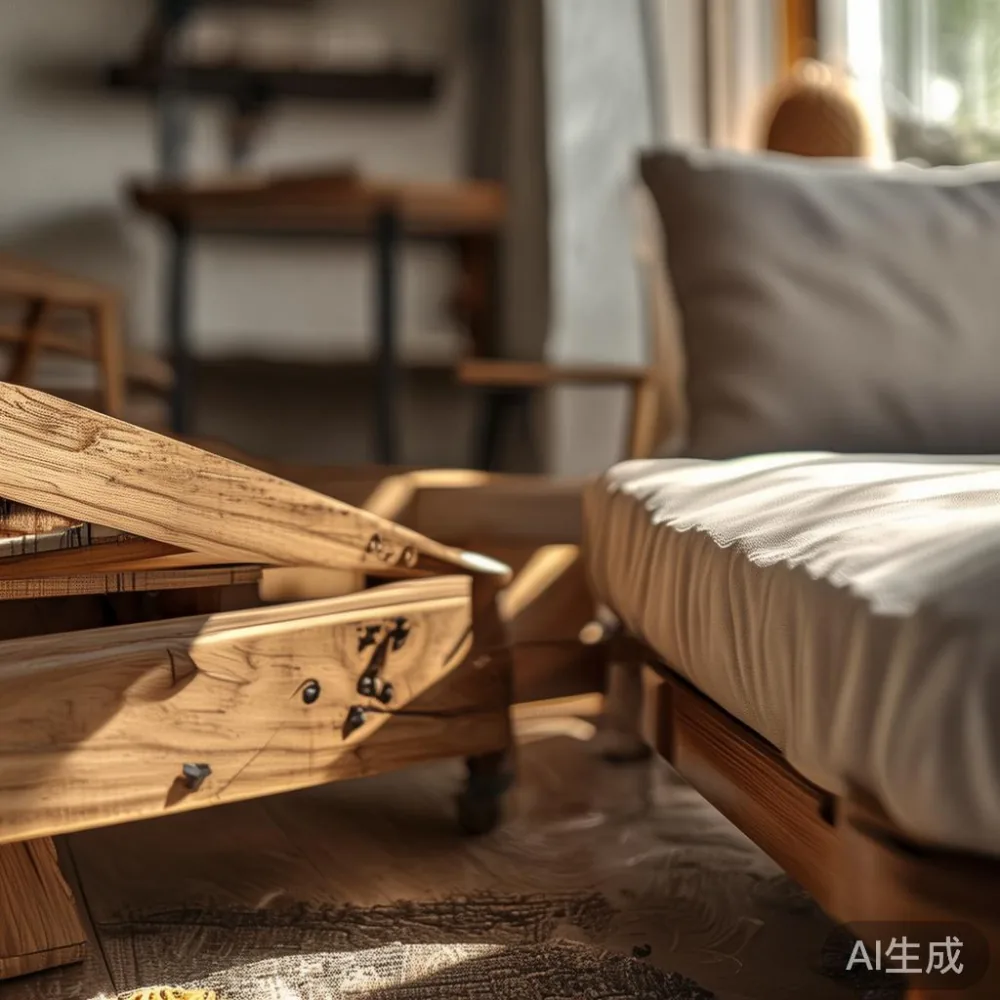
A lacquered solid wood sofa may be used in a balcony, sheltered veranda, or poolside lounge, but it still needs deliberate protection. This guide explains how to preserve the colour, check the joints, control moisture, and organise maintenance without turning patio care into a full-time chore.
Can an outdoor sofa really have a lacquered finish in Singapore?
Yes, provided the lacquer is formulated for outdoor use and the furniture is installed with sensible shelter. A conventional indoor lacquer can soften, blush, or peel when repeatedly exposed to ultraviolet light and standing water. Before buying, ask for the finish specification rather than relying on the word “lacquer” alone.
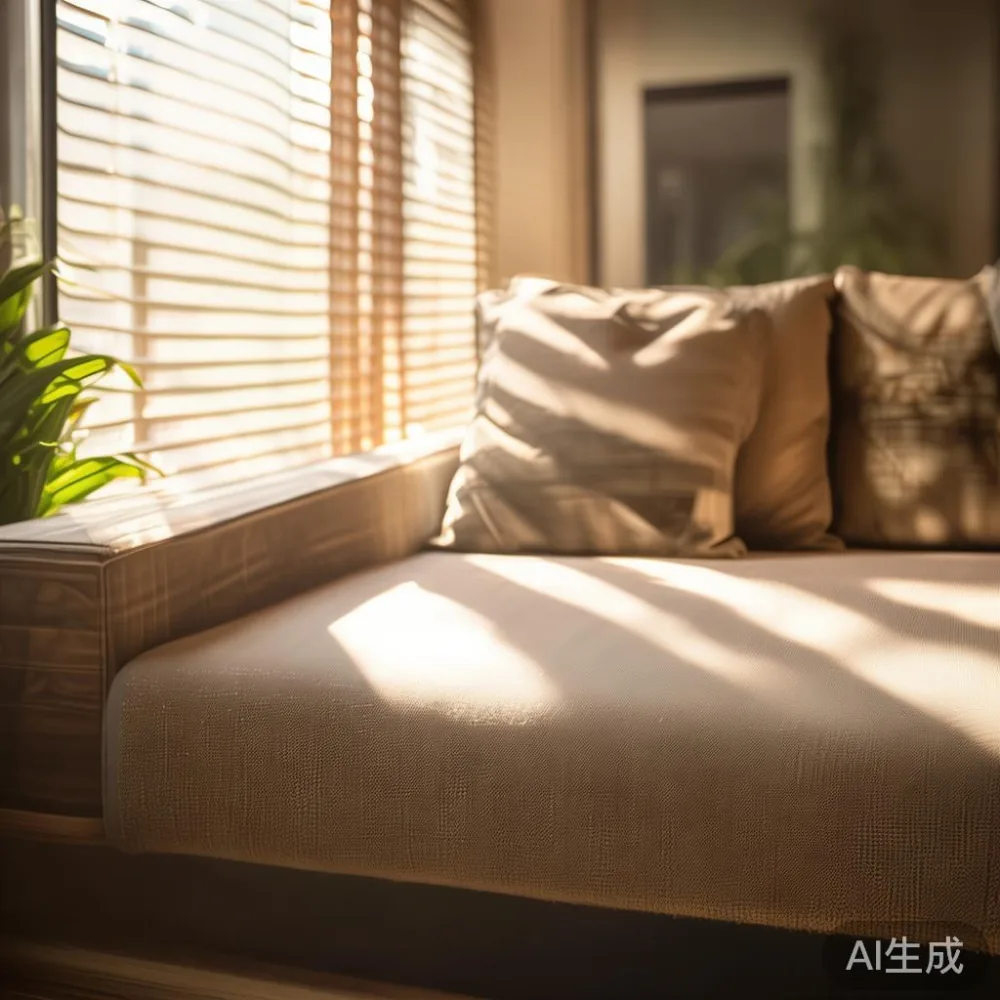
A well-made outdoor sofa should have a moisture-resistant core, sealed undersides, drainage paths, and components that can be serviced. Solid wood alone is not waterproof: it remains sensitive to dimensional movement in Singapore’s heat and humidity. The lacquer protects the visible surface, while correct construction protects the timber beneath it.
For balcony planning, measure every access point before ordering. A sofa 210 cm wide will be difficult to manoeuvre through a lift with a 90 cm door, along a 120 cm corridor, or around a 100 cm landing. Confirm the packed dimensions, the lift-door dimensions, and the turning space on the ground floor. Leave at least 30 cm of clearance between a sofa and balcony walls so that you can wipe the rear panels and inspect for insects.
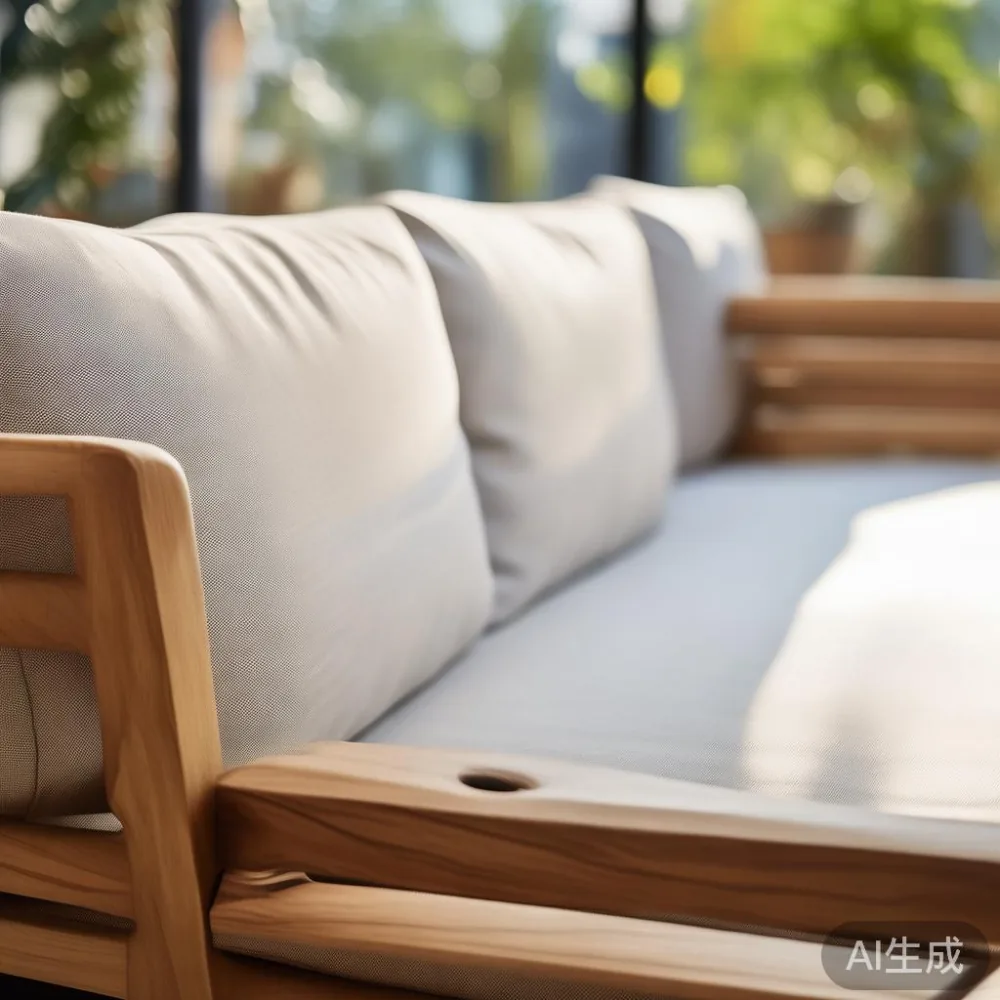
MIDHILL describes its outdoor seating with a 10-year structural warranty, which covers the frame rather than every environmental effect on a finish. That distinction matters. Scratches from a metal chair, salt deposits, and water sitting under a cushion are maintenance issues, not automatically structural defects.
What makes a lacquered outdoor sofa suitable for a tropical balcony?
Look for outdoor-grade lacquer with documented resistance to ultraviolet exposure, moisture, and common cleaning substances. The exact coating matters less than the complete system: sanding preparation, primer, number of lacquer coats, curing time, and the coating used on the underside all contribute to performance.
Ask how the frame is assembled. Mortise-and-tenon joints, properly glued and reinforced, tend to offer more long-term stability than a purely mechanical assembly. Solid wood sofa components should be finished on every face, particularly underneath and around end grains, because moisture often enters through exposed edges. A tray or raised base can also keep the frame away from wet flooring.
Cushions need a quick-dry foam or perforated support, while the covers should unzip for washing. If the outdoor sofa includes a solid wood base, install adjustable feet with a 2 to 3 cm gap above the floor. This allows airflow and prevents trapped water. Avoid placing the frame directly on soil, grass, or a tiled surface that stays damp.
Design is part of tropical practicality. A deep seat may look generous in a showroom but can become impractical on a narrow balcony. For an apartment, consider a 170 to 200 cm outdoor sofa with a depth of 80 to 88 cm and a back height of 76 to 82 cm. Leave 90 cm between the sofa and a balcony door where possible, or at least 60 cm for a frequently used walkway.
For shoppers comparing silhouettes, light luxury sofa vs Modern sofa is a useful design conversation, not a technical performance test. An American light luxury sofa may offer deep seating and a formal profile, while a post-modern light luxury design can use cleaner lines and more compact proportions. Whatever the style, ventilation and finish quality remain non-negotiable.
How should I clean a lacquered surface in Singapore?
Begin with dry cleaning. Use a soft microfibre cloth to remove dust, grit, and loose particles. Vacuum cushions with a brush attachment, then wipe the frame with a barely damp cloth. Clean a small 10 cm section first, allow it to dry for 30 minutes, and inspect for colour change or a sticky residue before treating the whole sofa.
For routine cleaning, mix 1 teaspoon of mild pH-neutral soap with 500 ml of lukewarm water. Dip the cloth rather than spraying it directly onto the lacquer. Excess liquid can travel into joints, cushion seams, and screw holes. Wipe with a separate clean microfibre cloth and dry immediately with a soft towel.
Avoid acidic cleaners, bleach, ammonia, alcohol, abrasive pads, and “all-purpose” products containing strong solvents. Citrus cleaners can be particularly troublesome because their oils may become sticky on some coatings. Even diluted vinegar can damage a lacquer that has not been tested for acid resistance.
After rain, dry the outdoor sofa within 2 hours if access is safe. Lift the cushions, separate them by about 5 cm, and stand them in a ventilated place out of direct sun. Do not use a hair dryer, heat gun, or blower at close range. Rapid heating can create bubbles or soften the finish. A shaded area with moving air is safer.
Salt is another regional concern. In coastal areas such as East Coast or marine-facing buildings, rinse or wipe away salt deposits promptly. Use clean water and a soft cloth, then dry the surface. Do not leave salt to crystallise, as the crystals can scratch the lacquer when rubbed.
Clean more than the seat surface. Check beneath cushions, between the back and seat, under the frame, and around fasteners. A small inspection every 2 weeks during wet periods can reveal water traps. A quarterly check is reasonable from December to February, when Singapore’s Northeast Monsoon brings heavier rainfall.
How can I prevent fading, peeling, and white haze?
Position matters. Direct afternoon sun can deliver more than 500 W/m² to a horizontal surface, while reflected glare from pale walls and glass can be nearly as intense. Use a canopy, vertical blind, or UV-filtering screen if the balcony faces west. Let furniture dry before closing a canopy around it, since trapped vapour encourages mildew.
White haze often comes from moisture trapped between the lacquer and substrate. If the mark disappears after the surface dries, it may not be a coating defect. Lightly wiping the area with a clean, dry cloth can help, but do not sand the finish. A translucent spot that remains, especially on a dark colour, should be referred to the manufacturer for assessment.
Peeling around a screw hole, arm edge, or cushion line can point to an exposed end grain, an unsealed joint, or a damaged coating. Document the location with a ruler and photograph it in daylight. A 1 cm area of lifting lacquer can spread if water gets underneath. Stop using that part of the outdoor sofa, keep it dry, and request professional advice rather than applying household paint.
Use protective materials thoughtfully. Place a felt pad beneath metal table legs and between a lacquered arm and a hard object. Choose coasters with a stable base and replace any felt that has trapped grit. Do not cover the sofa with a plastic sheet for more than 4 hours; condensation can do more harm than the dust it excludes.
When comparing an outdoor sofa with other pieces, remember that material specifications are not interchangeable. A marble table needs a pH-neutral stone cleaner, a solid wood dining table needs its own care routine, and a lacquered wardrobe must be kept away from damp walls. Applying an outdoor-sofa method to another product can cause damage.
How should I store an outdoor sofa during heavy rain?
For a balcony that receives occasional showers, the best protection is a breathable cover fitted below the arms. A 210 cm sofa may need a cover at least 220 cm long and 100 to 120 cm wide. Keep vents open and place the cover only when the frame is completely dry. Raise it on 5 to 8 cm feet if the floor tends to pond.
If the balcony is exposed to frequent downpours, consider storing cushions indoors in a dry cupboard or under a separate canopy. The solid wood frame can remain outside under a ventilated cover, provided the cover does not touch the floor and the legs are supported. Avoid compression, because prolonged pressure can distort seat foam and damage lacquered joints.
Singapore’s lift dimensions deserve attention before a major reconfiguration. A disassembled bed frame or dining table may be lighter but can still exceed the turning radius of a compact lift. For a lacquered outdoor sofa, request an unpacking diagram and confirm whether the back and arms detach. A 28 kg arm section is manageable for two people, while a 45 kg section requires three or professional movers.
Use a furniture dolly rated for at least 75 kg, strap it with a 2 m webbing strap, and protect door jambs with cardboard. Do not drag the sofa through a corridor. Scratches on a lacquered arm are difficult to correct because even a 4 cm rub exposes the primer or timber below.
Position the sofa so it does not sit directly against an air-conditioning condensate pipe or a dripping condensate line. Keep it 15 to 20 cm away where possible. Inspect the wall behind the backrest every month, because dampness can migrate behind a seemingly dry frame.
How often should lacquered parts be inspected and refinished?
Create a simple maintenance schedule. Check the surface weekly while the sofa is in use, inspect the frame every month, and perform a deeper check at the start and end of the wet season. Look for colour change, tackiness, lifting edges, swollen joints, rust marks, and insect activity. A 10-minute monthly inspection can prevent a minor coating issue from becoming a larger repair.
Minor dust marks may respond to careful cleaning, but refinishing is not simply a matter of applying another coat. The surface must be cleaned, sanded, dust-free, and prepared according to the original coating system. Randomly sanding a colour without checking the lacquer could create shiny patches, uneven colour, or a different sheen.
MIDHILL offers lifetime refinishing on qualifying furniture, with details confirmed against the product and service terms. This can be valuable for a solid wood sofa because the timber can be restored even if the surface has aged. It does not mean every scratch should be covered with a fresh coat, nor does it remove the need for routine care.
For homeowners seeking broader guidance, designer light luxury furniture is often discussed through texture, proportion, and finish quality. Those ideas can guide an apartment interior, but an outdoor piece must also tolerate UV exposure, rain, and restricted maintenance access. An industrial-looking frame may be suitable for a covered balcony if the metal is powder-coated and the wood is sealed on all faces.
Can a solid wood outdoor sofa fit into a small HDB or condo lifestyle?
It can, but scale and access control the outcome. A compact 170 cm model with a 72 cm depth can work on a 250 cm-wide balcony, while a 210 cm version generally suits a wider living area. Measure the usable length, account for the drying rack or planters, and preserve a path from the lift to the balcony door.
HDB corridors and lift lobbies often encourage narrow furniture footprints. Before delivery, measure the lift door, internal depth, internal height, and the narrowest point between the landing and home. Add 10 cm of working clearance for angled entry. Ask the supplier for the packed dimensions rather than estimating from the assembled product.
Colour also affects perceived space. Pale lacquer can reflect light and make a compact balcony feel more open, although it reveals greasy fingerprints more readily. Medium-toned wood disguises minor dust, while a very dark finish shows water spots and haze. Test paint or fabric samples under the balcony’s actual morning and afternoon light.
For an open-plan interior, searching how to style American sofa in apartment can lead to a useful arrangement: place the sofa opposite a slim console, repeat one material elsewhere, and keep the floor visually uncluttered. For a bedroom, Industrial for guest room works better when metal, timber, and soft textiles have controlled contrast rather than competing patterns.
Budget in SGD with more than just the sofa price. A 200 cm lacquered outdoor sofa may fall within a broad range of SGD 2,500 to SGD 8,500, depending on timber, coating, cushion construction, and design. Delivery might add SGD 120 to SGD 350 to a ground floor, while upper-floor lift delivery can add SGD 80 to SGD 220. GST is included for Singapore consumer purchases, so compare the final checkout amount rather than an ex-GST catalogue figure.
MIDHILL provides free shipping for qualifying orders over US$350, but the threshold is stated in US dollars and the final Singapore delivery charge should be confirmed before purchase. Allow roughly 7 to 21 delivery days for a configured outdoor sofa. Custom finishes can require another 10 to 20 days.
What if the lacquer gets scratched or water-marked?
Start with the least aggressive response. Confirm that the mark is on the surface by comparing it with an untouched area under the same light. Wipe it with a clean microfibre cloth dampened with mild soapy water, then dry. If a fine line remains, inspect it from the side; a scratch that catches a fingernail may need professional refinishing, while a superficial mark may respond to an approved polishing treatment.
Never use metal polish, baking soda, sandpaper, or a scouring pad on the sofa. These can create matte patches and expose the timber. Keep repair products away from children and pets, and never test them on a visible seat. If the mark covers more than 5 cm, has a raised edge, or appears near a structural joint, arrange an inspection.
For colour-matched help, take a 2 cm paint chip or a high-resolution daylight photograph, measure the damaged area, and note when it appeared. Include the cleaning products used and whether water pooled there. Clear documentation helps a refinisher distinguish lacquer damage from moisture intrusion, insect marking, or an underlying joint failure.
Temperature changes affect the repair timeline. Let a cleaned area settle for 24 hours before assessment, and avoid refinishing during the hottest midday period. If the surface remains sticky after 72 hours, keep the area uncovered and ventilated. Do not stack cushions against it.
A related concern is how outdoor pieces coordinate with an entire home. Researching under 2000 Japandi furniture can reveal restrained shapes for a living room, while under 2000 Japanese furniture may offer compact storage ideas for a condo. A lacquered outdoor sofa should still match the home’s scale and colour, even if it sits beyond the sliding doors.
How can I make long-term care easier from the beginning?
Choose a balcony location with partial cover and access to natural air. Select an outdoor sofa with removable cushions, replaceable fabric covers, accessible fasteners, and a frame that lifts clear of the floor. Ask for maintenance instructions in English, including approved cleaners, expected coating life, and repair options.
Keep a 20 cm brush, 2 microfibre cloths, mild soap, a small flashlight, and a measuring tape in a dry storage box. Add a breathable cover sized for the frame, along with 4 to 6 adjustable feet if the floor is often wet. A simple log recording cleaning dates, rain exposure, and damage can make a warranty or refinishing request easier to resolve.
For indoor furniture, use separate care guidance. A solid wood bed frame should be dusted and checked for movement at the joints; a nightstand needs a stable surface and coaster support; a wardrobe requires airflow around its back; and a marble table needs a neutral cleaner suited to its stone and finish. The same lacquer should never be assumed to cover every product.
For residents of Tampines, Bedok, and Punggol, coordinate delivery with building rules, lift reservations, and wet-weather timing. A 14-day return policy can provide a useful inspection window, but outdoor exposure may affect return eligibility. Check the terms before accepting a customised finish, especially if the sofa will be placed on a wet balcony immediately.
The practical rule is simple: keep lacquer dry, keep it shaded when possible, clean it gently, and inspect it early. A solid wood outdoor sofa treated this way can retain its finish and proportions across Singapore’s seasonal humidity, monsoon rain, and everyday apartment life. Attention measured in minutes each week prevents damage measured in months.