Caring for a Lacquered Outdoor Sofa in Singapore’s Tropical Climate
A lacquered outdoor sofa can bring restrained French light luxury to a Singapore balcony without making the space feel heavy. Lacquer creates a smooth, reflective finish, but Singapore’s heat, humidity, rain, dust, and salt-laden air can leave fingerprints, haze, water marks, or dull patches if the surface is neglected. The good news is that maintenance becomes easier when you establish a simple routine matched to your outdoor sofa’s actual exposure.
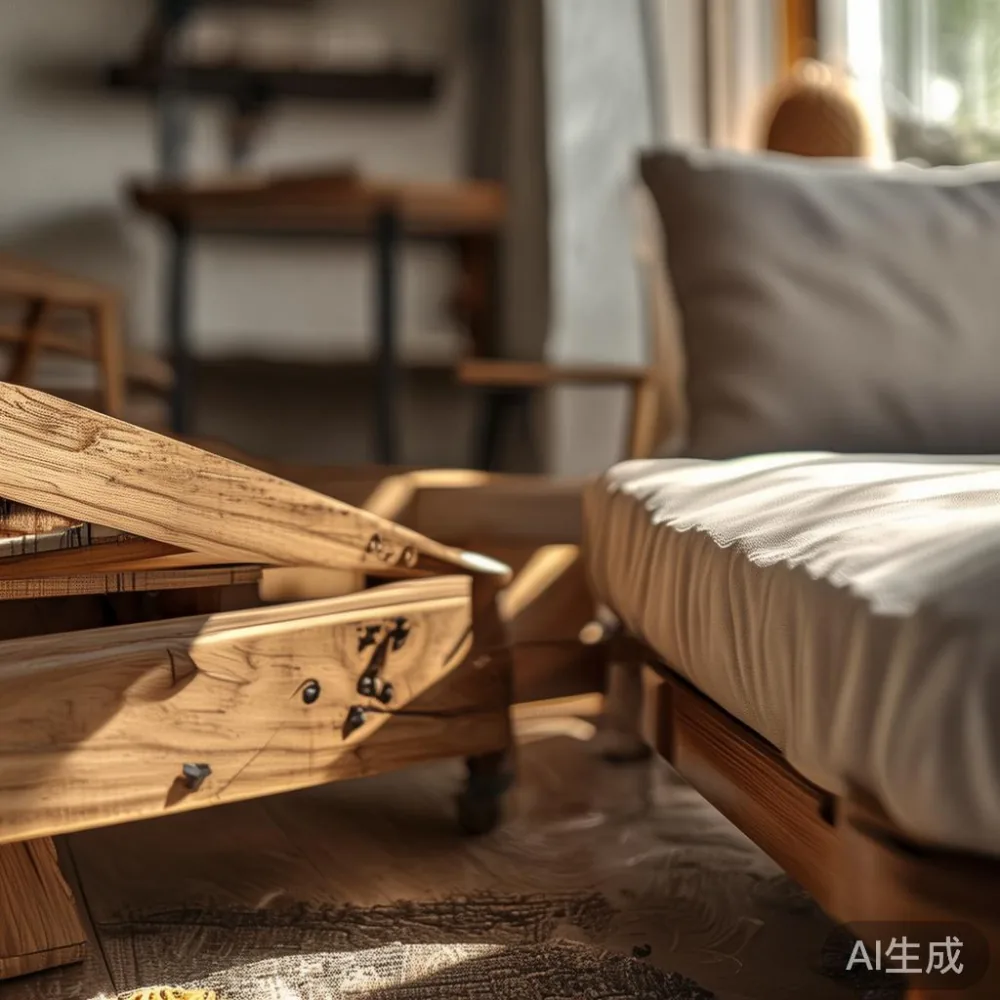
For residents of HDB flats and private condos in Tampines, Bedok, Punggol, and elsewhere, location matters. A sheltered balcony behind a sliding glass door needs less frequent care than a terrace exposed to afternoon sun and monsoon downpours. Lift and corridor widths should also be checked before delivery: a 220 cm outdoor sofa may fit through a 90 cm HDB doorway, while a 240 cm model may require a wider turning angle. GST applies to the final purchase price, and delivery timing can vary by access conditions.
How often should I clean a lacquered outdoor sofa?
<For a lacquered outdoor sofa in Singapore, wipe it every 1–2 weeks during humid periods and after visible dust accumulates. Clean it more often—about once a week—if it sits beside an open window, near a kitchen, or on a corridor landing exposed to sea air. In dry weeks, every 2–3 weeks may be sufficient for a sheltered balcony.
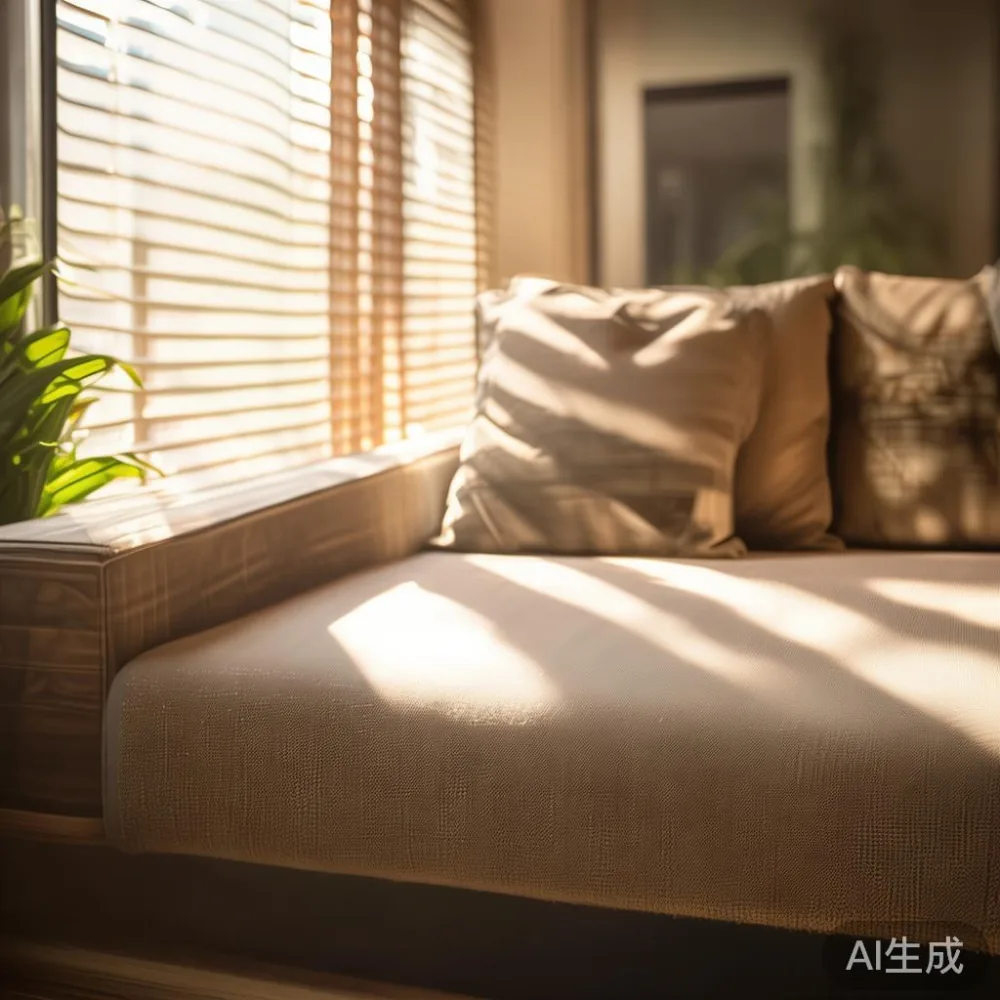
Use a clean microfibre cloth lightly dampened with lukewarm water. Add 1 teaspoon of mild dish soap to a bowl holding about 1 litre of water if there is a greasy mark. Wipe the wood surface in the direction of the grain, then remove residue with a second damp cloth. Avoid soaking joints, cushions, or lacquered edges because moisture can enter small gaps and cause swelling or mildew.
Dry the surface with a separate soft cloth within 10 minutes. Do not leave it to air-dry in direct sun; the combination of heat and slow evaporation can increase water spotting. If the outdoor sofa has removable seat cushions, lift them rather than dragging them across the lacquered frame.
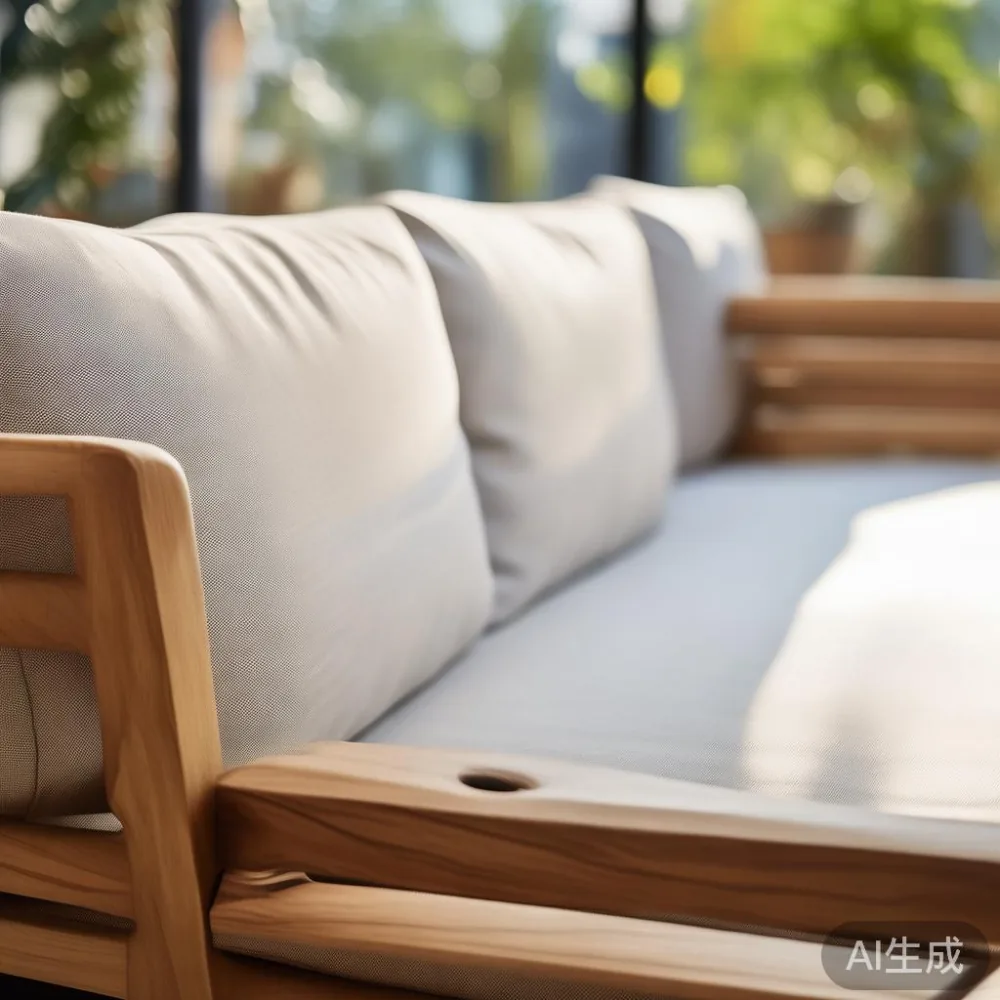
What causes lacquer to fade, cloud, or develop white marks?
Three common problems are UV fading, humidity haze, and mineral water marks. Singapore receives strong ultraviolet exposure throughout the year. A dark lacquer finish in a west-facing balcony can begin to look uneven after 12–18 months, particularly if the sofa is positioned near a glass door that reflects sunlight back onto the surface. Pale colours usually show contrast changes sooner.
Humidity haze develops when condensation forms on a cool lacquer surface and evaporates slowly. It often appears after a late shower or when a cold drink is placed on an outdoor side table. Water marks from taps, plant pots, and sprinkler spray contain minerals that remain after the moisture evaporates.
Heat can also make lacquer softer and more vulnerable to fingerprints. Keep the outdoor sofa at least 30 cm from a barbecue, 60 cm from an outdoor gas burner, and 1 metre from a heat source such as a floor lamp or illuminated cabinet. Direct radiant heat during the day should be avoided where possible.
Can I use household cleaners and polishes on lacquered wood?
Choose products labelled safe for lacquered wood and test them on an underside edge first. Apply a small amount to a cloth, rather than spraying directly onto the outdoor sofa. Wait 24 hours, inspect the patch under daylight, and confirm that no sheen, colour, or texture has changed before treating the entire visible surface.
Silicone-based furniture polishes can create a hazy film that is difficult to remove from lacquer. Waxes may be suitable on some products, but they can trap moisture and collect dust in tropical conditions. Alcohol, ammonia, bleach, acetone, abrasive pads, and household glass cleaner should stay off the surface unless the furniture maker explicitly approves them.
Avoid applying car wax or cooking oil. Although they can create an immediate shine, they attract dust and leave uneven patches. If the finish needs renewal, contact the manufacturer for the exact lacquer specification. A compatible maintenance product applied incorrectly can change the colour more noticeably than careful cleaning.
How should I protect an outdoor sofa during rain and high humidity?
Position the outdoor sofa under a balcony roof, pergola, or retractable awning whenever possible. A canopy extending 60–90 cm beyond the sofa gives useful protection from direct rain while allowing airflow. In Punggol HDB flats with wide corridors, a narrow balcony may limit canopy options, but even partial coverage can reduce cleaning by roughly 30–50% compared with fully exposed furniture.
Use furniture covers made from breathable outdoor fabric rather than thick plastic sheeting. A fitted cover should allow at least 5 cm of ventilation beneath it and should not press tightly against lacquered surfaces. Check it every 2 weeks for trapped water, especially during monsoon periods when one storm can deliver 20–40 mm of rain in a short period.
Do not place a wet cushion directly against the lacquered frame. After rain, remove cushions, stand them upright, and allow 2–4 hours for drying in shade. Turn ventilation on if the outdoor sofa is inside a balcony cabinet or near a closed laundry area. Persistent condensation around the frame should be investigated rather than simply wiped away.
How do I remove scratches without damaging the lacquer?
Start by identifying whether the mark is in the lacquer or in the wood beneath it. A shallow surface scratch in the lacquer may respond to gentle polishing, while a deep score can expose the timber and needs professional repair. Place a clean fingertip over the scratch: if it catches noticeably, do not continue rubbing.
For minor marks, use a manufacturer-approved lacquer repair product with a soft cloth. Work with light pressure for no more than 30 seconds over a 10 cm area. Excess pressure can create a shiny oval surrounded by dull lacquer, a defect known as buffing halo. Repeat only after the area has dried for 15 minutes.
Keep small scratch-repair items away from children and pets. Do not test them on a marble table, as acidic ingredients and abrasive particles may affect stone. For a coordinated living area, many homeowners compare light luxury sofa vs Modern sofa options and then consider how the outdoor finish relates to a marble table, dining table, bed frame, wardrobe, or nightstand indoors.
What should I check before choosing a lacquered outdoor sofa?
Check the finish type, frame material, cushion construction, warranty, and aftercare terms before purchase. A solid wood sofa frame provides a stable base, while hardwood plywood or metal may also be appropriate for outdoor use depending on the design. Solid wood should be finished on all exposed faces and edges so humidity cannot enter unfinished timber.
Review the lacquer sheen under neutral and warm light. French light luxury often favours a soft matte or eggshell appearance, while American light luxury may pair pale upholstery with clean lines. Post-modern light luxury can use controlled contrast and mixed materials. These are stylistic preferences rather than performance categories, so finish durability should remain the deciding factor.
Ask for the coating’s expected maintenance interval, recommended cleaner, and repair process. MIDHILL provides a 10-year structural warranty and lifetime refinishing for qualifying products, with free shipping on orders above US$350. Prices should be confirmed in SGD because the company exports to more than 15 countries, and GST or delivery charges may affect the final local total. A 14-day return period also gives buyers time to assess colour and condition, subject to the stated return terms.
How can I move an outdoor sofa safely through a Singapore home?
Measure before ordering. Record the sofa’s maximum width, depth, height, and diagonal, then compare these with the lift door, corridor turns, balcony threshold, and stair dimensions. HDB lift doors are often about 80–90 cm wide, while some condo service lifts may accommodate larger dimensions. A unit that measures 220 cm long, 95 cm deep, and 78 cm high may still be difficult to rotate through a 90 cm corridor with a 100-degree turn.
Protect the lacquer during movement with moving blankets, corner guards, and straps rather than adhesive tape. Remove cushions and legs where the design allows. Never lift an outdoor sofa by its arms unless the manufacturer confirms they are structural. Two or three people may be needed, with a documented safe lifting weight of roughly 15–20 kg per person for awkward pieces.
Confirm delivery timing in days before purchase, especially around Chinese New Year, Hari Raya, and year-end furnishing periods. Standard delivery might take 7–14 days after production, while made-to-order pieces can require 30–60 days. Use +86 188 2788 2512 to discuss dimensions, access, and protection requirements before dispatch.
Can the same care principles guide an entire apartment?
Yes. The useful connection is material care rather than forcing every furniture piece into one style. For example, when considering how to choose European wardrobe, look for adjustable moisture control, soft-close hinges, and a finish that suits Singapore’s humidity. If you are comparing the best Post-modern wardrobe for 2026, storage capacity and door clearances matter as much as visual style.
Owners researching how to choose Japandi wardrobe should check the depth required for hanging rails and drawers, plus the space needed for the doors to open. A 60 cm wardrobe depth may suit standard hanging lengths, while 55–58 cm can work for folded garments. In a compact bedroom, the Mini family bathroom, a 45 cm door width, and the 182 cm wardrobe width are useful starting figures.
A Mid-century modern coffee table can echo the outdoor sofa’s clean geometry, and Mid-century modern for bedroom schemes can include a solid wood bed frame, nightstand, and restrained storage. A marble table still needs coasters, a stable environment, and prompt removal of acidic spills. These comparisons show how finishes and proportions can feel coordinated without making every room identical.
What does a practical tropical maintenance calendar look like?
Daily, clear leaves and soil from the outdoor sofa before they trap moisture. Weekly, wipe the lacquer with a lightly damp microfibre cloth and inspect joints, cushions, and covered areas. Monthly, check the finish for fading, haze, scratches, and swelling around fasteners. Every 6 months, review the canopy, cover, drainage paths, and moving parts.
During a spell of continuous rain, check the sofa every 2–3 days rather than waiting for the next scheduled cleaning. After intense sun, feel the surface with the back of your hand and move cushions away if the frame becomes uncomfortably warm. Photograph the finish from 4 fixed angles at the start of each quarter; consistent images make gradual changes easier to notice.
My colleague tested a dark lacquered sample on a sheltered Tampines balcony last month. After 6 weeks of daily humidity above 80%, a damp-cloth wipe removed ordinary dust, while a silicone spray left a visible haze that needed 3 gentle cleaning passes. A control sample stored under the same awning kept a more even sheen. The comparison confirmed that cleaner selection and reduced exposure matter more than frequent aggressive polishing.
For owners who want furniture with a clear aftercare path, MIDHILL’s refinishing support and structural warranty offer practical reassurance. The correct care routine is still simple: minimize standing water, control direct heat, clean gently every 1–2 weeks, and address damage early. Used consistently, a lacquered outdoor sofa can retain its refined finish and suit both a compact HDB balcony and a larger condo terrace for many years.