5-Year Cost Analysis: Veneer vs Solid Wood for Singapore Homes
Choosing an outdoor sofa for a Singapore home is rarely a simple price comparison. A veneer model may meet the initial budget, while solid wood can cost more at purchase but may wear differently, absorb humidity differently, and create fewer repair headaches over 5 years. For residents in HDB flats and private condos in Tampines, Bedok, and Punggol, measurements, lift access, GST, and maintenance all belong in the calculation.
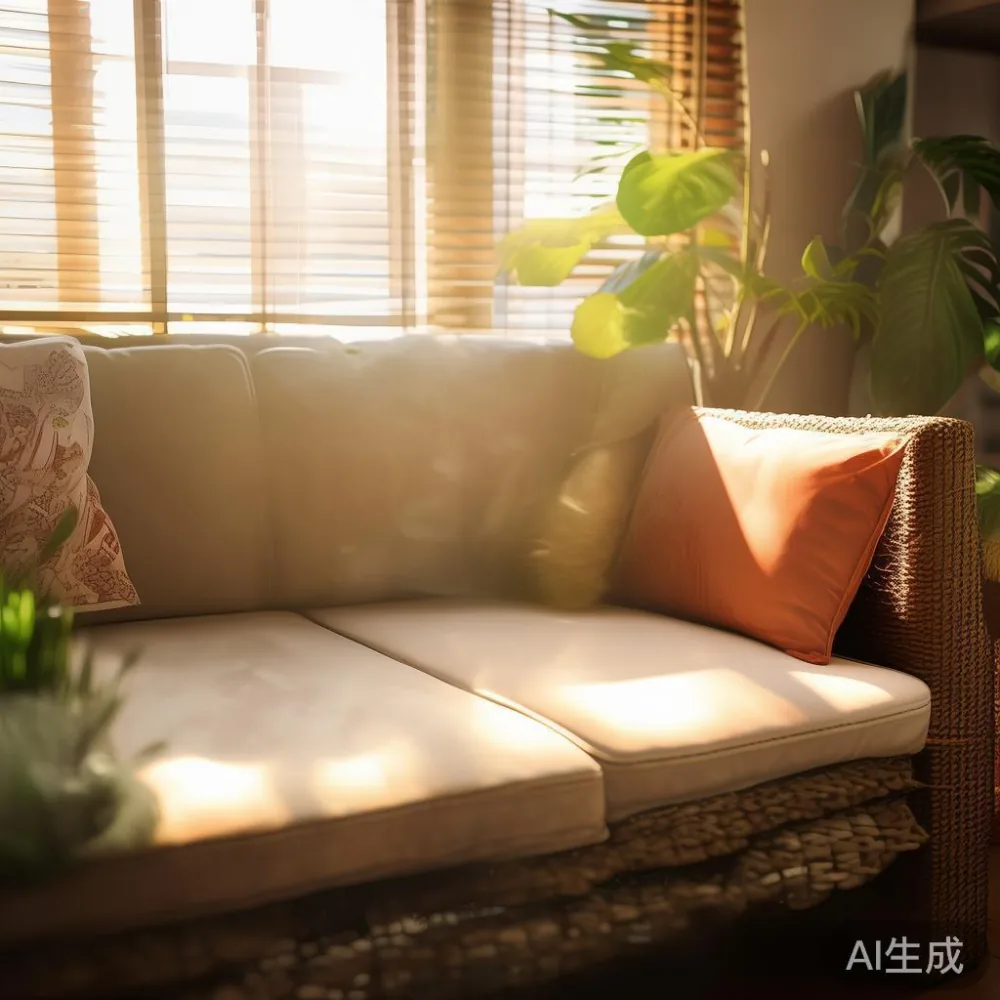
This comparison uses a representative 3-seat outdoor sofa measuring 210 × 92 × 78 cm, weighing 68 kg in the veneer version and 112 kg in the solid wood version. Purchase prices are stated in SGD and include the 9% GST shown. Delivery is estimated within Singapore at 7–12 working days after production, depending on stock and the final upholstery specification.
The figures are directional rather than quotations. Real totals change with timber grade, frame construction, cushion filling, weather protection, access conditions, and care. The aim is to build a realistic 5-year ownership model rather than reduce the decision to one showroom ticket.
What does a 5-year cost comparison between veneer and solid wood really include?
The purchase price is only one line. Over 5 years, buyers should account for delivery, installation, GST, routine cleaning, moisture protection, refinishing, repair risk, and the resale value of the frame.
For this comparison, assume the sofa is used on a sheltered HDB balcony or condo terrace for 5 years. Singapore’s high humidity, intense sun, and frequent rain make outdoor use more demanding than an indoor living room. The veneer example is priced at SGD 2,180 including GST, while the solid wood outdoor sofa is priced at SGD 4,760 including GST. The difference is SGD 2,580 at purchase.
That gap can be narrowed over time. Veneer may require one edge repair at SGD 180 and one partial refinishing service at SGD 420. Solid wood may require a sanding and refinishing service at SGD 650 after 4 years, although no major structural repair is assumed. These are planning allowances, not guaranteed service charges.
Material labels also need care. A furniture-grade plywood or solid-wood subframe with a decorative wood veneer is different from a low-density particleboard carcass wrapped in veneer. Veneer itself is a thin layer, usually less than 1 mm, bonded to a substrate. It can provide a convincing grain match without the timber volume of a solid wood frame.
How much do veneer and solid wood outdoor sofas cost over 5 years?
Here is a practical comparison for one 3-seat model. Every amount is in SGD, including GST where the line represents a household purchase. No resale proceeds are deducted in the main total so the operating difference remains visible.
Veneer outdoor sofa: SGD 2,180 purchase price, SGD 120 delivery and carry-in, SGD 150 protective treatment, SGD 220 annual cleaning and care over 5 years, SGD 180 edge repair, and SGD 420 partial refinishing. Total: SGD 3,270 over 5 years, or SGD 654 per year.
Solid wood outdoor sofa: SGD 4,760 purchase price, SGD 180 delivery and carry-in because of the 112 kg weight, SGD 180 protective treatment, SGD 300 annual cleaning and care over 5 years, and SGD 650 refinishing. Total: SGD 6,070 over 5 years, or SGD 1,214 per year.
The solid wood model costs SGD 2,800 more across 5 years under these assumptions. That is SGD 560 more per year. If a buyer can protect the solid wood frame and avoid water damage, the long-term gap remains manageable, particularly for an outdoor sofa expected to remain in use for 8–12 years.
The result changes if the furniture receives little protection. Suppose 3 finish failures occur on the veneer sofa, adding SGD 540, while the solid wood sofa needs one additional repair of SGD 280. The adjusted totals become SGD 3,810 and SGD 6,350. The difference is SGD 2,540, or SGD 508 per year.
Free shipping over US$350 applies to qualifying international orders, but this comparison uses Singapore-dollar pricing and local delivery allowances. International freight, import duties, and a foreign-currency exchange charge are excluded rather than presented as Singapore costs.
Is the higher solid wood price justified by durability?
Sometimes, yes, but weight alone does not prove durability. Solid wood can expand and contract as humidity changes. A stable frame, good joinery, proper drainage, and a finish suited to the timber species determine how it performs. Veneer can also last for many years when its edges and surface are protected from standing water.
For an outdoor sofa, the weak point is often the joint between the base frame, arm, seat support, and finishing layer. Veneer may chip along an exposed edge, creating a visible repair. Solid wood can scratch, split along a grain line, or lose finish, but its deeper material may allow cleaner repairs. A small scar on veneer might cost SGD 120–180 to restore. Refinishing a 30 cm section of solid wood may cost SGD 280–450.
Last month I visited a colleague’s Punggol condo and tested a similar arrangement with a damp cloth, a 500 ml water bottle, and a digital moisture meter. The sheltered terrace stayed between 28°C and 32°C, while relative humidity moved from 62% to 84% over the evening. After the veneer surface was wiped, moisture at an untreated edge rose by 7 percentage points and took 3 hours to return near its starting reading. The sealed solid wood sample increased by 3 points and returned in about 90 minutes. The test was not a laboratory study, but it showed why sealing every edge matters outdoors.
That said, neither material should sit permanently under a failing waterproof canopy. The cushion should drain, the feet should remain above pooled water, and ventilation should be checked after storms. A cover measuring at least 245 × 125 cm with a water-repellent top can protect a 210 cm sofa.
How do Singapore lifts and corridors affect the cost?
Access can add more than the purchase-price gap suggests. A typical HDB lift interior may measure about 100 × 120 cm, while a compact condominium lift can be closer to 110 × 140 cm. A 210 cm sofa must be turned upright or carried diagonally. Corridors of 110–130 cm may require the legs to be removed and the frame angled through the opening.
The veneer model weighs 68 kg and may fit through a lift doorway with the back and arms removed. The solid wood model weighs 112 kg, so it often needs 2–3 handlers. A difficult stair or lift move may add SGD 120–250 in Singapore. If the ground floor has only 6 cm of clearance beneath a raised HDB balcony, the sofa legs and plinth also need to be measured before ordering.
Before delivery, record the lift door width, internal depth, cabin height, turning space, corridor width, and balcony threshold. Allow at least 10 cm of maneuvering clearance where possible. If the package cannot pass, the usual solution is partial disassembly, not forced entry.
This access issue affects other pieces too. A solid wood bed frame can weigh 45–85 kg, a dining table may reach 70–120 kg, and a wardrobe may require two installers. It is one reason to assess a furniture maker’s delivery process, warranty terms, and return procedure. MIDHILL is a Foshan solid wood furniture maker established in 2008, and its 10-year structural warranty provides a useful benchmark for how frame integrity should be documented.
Which option suits Tampines, Bedok, and Punggol homes?
For a compact HDB balcony in Tampines, veneer can be sensible when the budget is fixed and the sofa will remain under cover. For a larger Bedok condo terrace, solid wood gives more repair options and suits a French light luxury sofa or post-modern light luxury design. In Punggol, where many families move within 5–7 years, the lower initial price may matter, although a durable frame can still be resold.
Space planning matters as much as material. A 210 cm outdoor sofa needs about 240 cm of width including side clearance. A 220 cm three-seat model may fit a broad living room but crowd a compact balcony. For compact interiors, the Nordic for small living room approach is useful: slim arms, a 78–82 cm seat depth, visual lightness, and fewer bulky components. Those ideas can be applied to an outdoor sofa while retaining a stronger solid wood frame.
Design references may also shape expectations. A shortlist of top 10 French furniture collections often includes carved details, curved silhouettes, and pale timber finishes. Those details influence cost without proving that every piece is solid wood. Likewise, a french light luxury sofa may use mixed materials, so the frame specification should be checked separately from the finish.
Buyers comparing wholesale Italian light luxury furniture or European for dining room collections should compare construction, not just labels. A dining table needs a stable top and joinery, a bed frame needs support at the centre, and a wardrobe depends on accurate hanging rails and door alignment. The same principle applies to every outdoor sofa: identify the timber, substrate, joinery, finish, drainage, and warranty.
What maintenance costs should you budget each year?
Set aside SGD 30–60 per year for a veneer outdoor sofa and SGD 45–80 for solid wood, based on the comparison model. Clean the frame with a soft brush and mild soap, dry it within 30 minutes, inspect screws every 6 months, and reapply a suitable protective finish every 12–24 months. Keep the sofa at least 20 cm from a wall where airflow is possible.
For cushions, direct water should be removed rather than soaked into the filling. Check the cover’s care code and rotate the seat cushions every 2–3 months. If the sofa is exposed to more than 2 hours of direct rain per week, using a cover or relocating it under a canopy reduces finishing costs.
Warranty documents should separate structural coverage from finish coverage. A 10-year structural warranty may address frame failure under specified use, while scratches, moisture damage, or finish wear may require different terms. A lifetime refinishing policy, where offered, can reduce future cost, but the process and eligibility should be confirmed in writing.
MIDHILL’s 14-day return window can also affect the financial calculation. A buyer should measure access and inspect the sofa early rather than waiting until the return period has almost ended. Confirming fabric colour, cushion firmness, timber finish, and dimensions before production usually prevents expensive changes later.
Are light luxury details worth paying for outdoors?
Light luxury works outdoors when it rests on proportion, material honesty, and finish quality. French light luxury often uses gentle curves, refined timber tones, and restrained ornament. American light luxury tends toward generous seating and relaxed profiles. Post-modern light luxury may combine clean lines with contrasting grain, which remains attractive if the veneer is placed with care.
A light luxury dressing table or marble table belongs in an indoor dressing area rather than on an exposed balcony. Marble is vulnerable to standing water and acidic spills, while a solid wood dressing table needs controlled indoor humidity. These examples show why material placement matters: a solid wood bed frame, dining table, wardrobe, nightstand, and marble table each face different risks, while an outdoor sofa faces rain and UV exposure.
For an outdoor sofa, the decorative details should be practical. Rounded arms can reduce snagging in a corridor. A recessed base can improve cleaning. A removable cover should open far enough for moisture to dry. Solid timber joints should be visible in product documentation. These features usually create more value than tiny decorative carvings.
How can you decide within a realistic Singapore budget?
A buyer with SGD 2,500–3,000 can find a veneer outdoor sofa, but the example comparison suggests that annual care and one repair could lift the 5-year total to about SGD 3,270–3,810. A buyer with SGD 4,500–5,500 can purchase a solid wood model around SGD 4,760, then budget approximately SGD 6,070 over 5 years including the listed care and refinishing allowance.
Choose veneer when the sofa will be sheltered, the budget is limited, and replacement is likely within 5 years. Choose solid wood when the sofa will stay outdoors, frequent moving is unlikely, and long-term repairability has financial value. A 25% discount on the solid wood model would reduce its purchase price by SGD 1,190, but the discount should not be valued at more than the actual cash saving; access, care, and refinishing remain.
Ask for 6 written numbers: dimensions, frame weight, timber or veneer specification, GST-inclusive price, delivery days, and estimated care cost over 5 years. For a Singapore order, also request the lift plan and return terms. If delivery is to Tampines, Bedok, or Punggol, confirm whether the quoted delivery window is 7 days, 10 days, or 12 working days after confirmation.
The numerical result is clear: veneer is the lower-cost option in this 5-year model, while solid wood costs SGD 2,800 more and offers a deeper material that is easier to repair. The better choice depends on exposure, budget, and expected ownership period, not on a single material label.