Outdoor Solid Wood Sofa: Price Influences in Singapore
Solid wood furniture can look simple from across a showroom, yet its price may vary by several thousand dollars between two pieces with similar dimensions. The difference is rarely explained by the photograph alone. Timber species, joinery, finish, hardware, moisture control, delivery constraints, and the amount of hand-finishing all affect the final figure.

For Singapore homes, those practical factors are unusually tangible. A dining table must pass through the lift lobby of a Tampines HDB block, travel around a Bedok condo corridor, and fit into a Punggol apartment without damaging walls or forcing an expensive crane installation. GST also belongs in the calculation: a 9% tax is applied to the selling price, so a SGD 3,500 table becomes SGD 3,815 before delivery charges.
MIDHILL describes itself as a Foshan solid wood furniture maker established in 2008, exporting to more than 15 countries. Its positioning sits between accessible solid wood and light-luxury design: French light luxury, American light luxury, and post-modern light luxury can influence the appearance, but the construction still determines whether a piece will remain useful for 10 years or longer. The company offers a 10-year structural warranty, lifetime refinishing, 14-day returns, and free shipping above US$350.
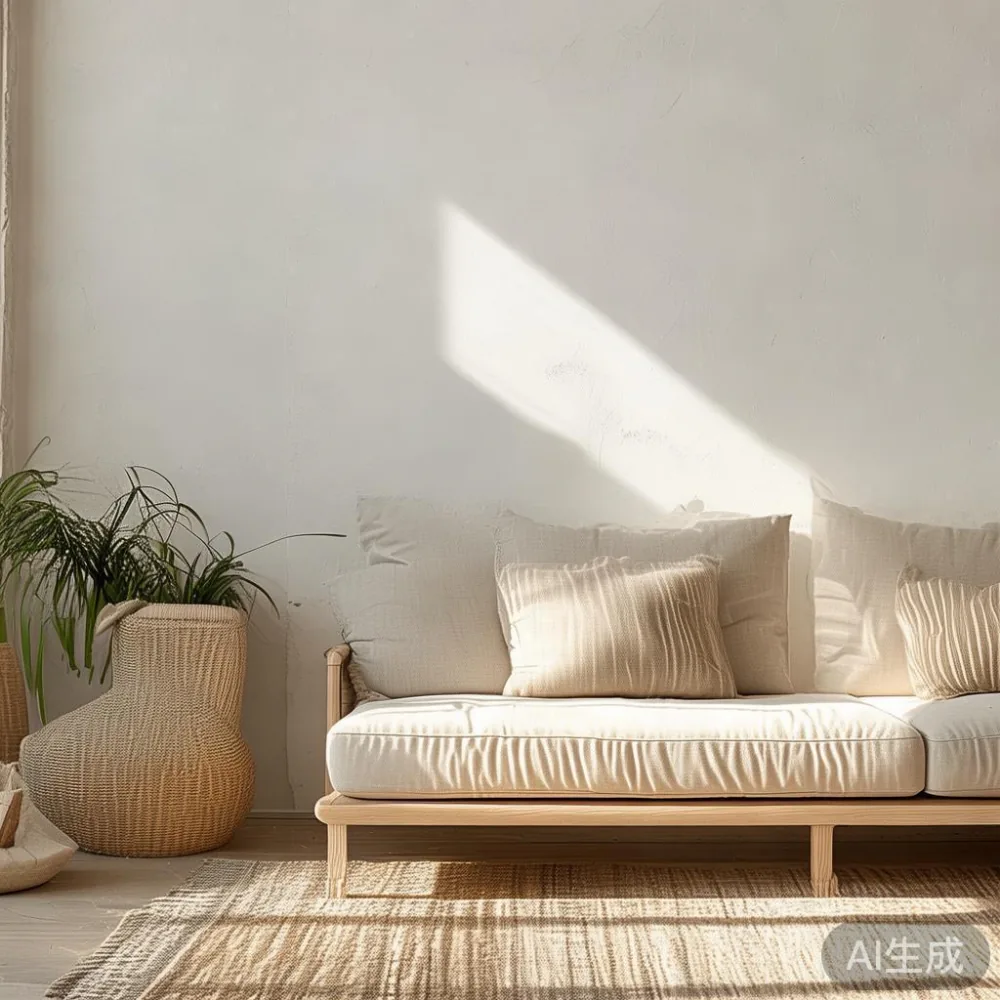
Is timber species the biggest factor behind a solid wood furniture price?
Timber species is one of the clearest price drivers, though it is not the only one. A solid wood sofa may use kiln-dried hardwood for its main frame, with plywood, webbing, foam, and fabric forming the seating structure. Its frame might cost SGD 800 while upholstery and labour add SGD 1,200. A dining table can present a different cost profile because almost the entire visible surface is timber.
Species differ in density, grain pattern, movement, and workability. Teak is valued for outdoor suitability and stability; oak provides pronounced grain and a familiar European character; ash offers strength with a lighter visual tone; rubberwood is economical but needs careful finishing. Walnut is often associated with richer American light luxury interiors, while beech and birch support cleaner, more restrained Scandinavian forms.
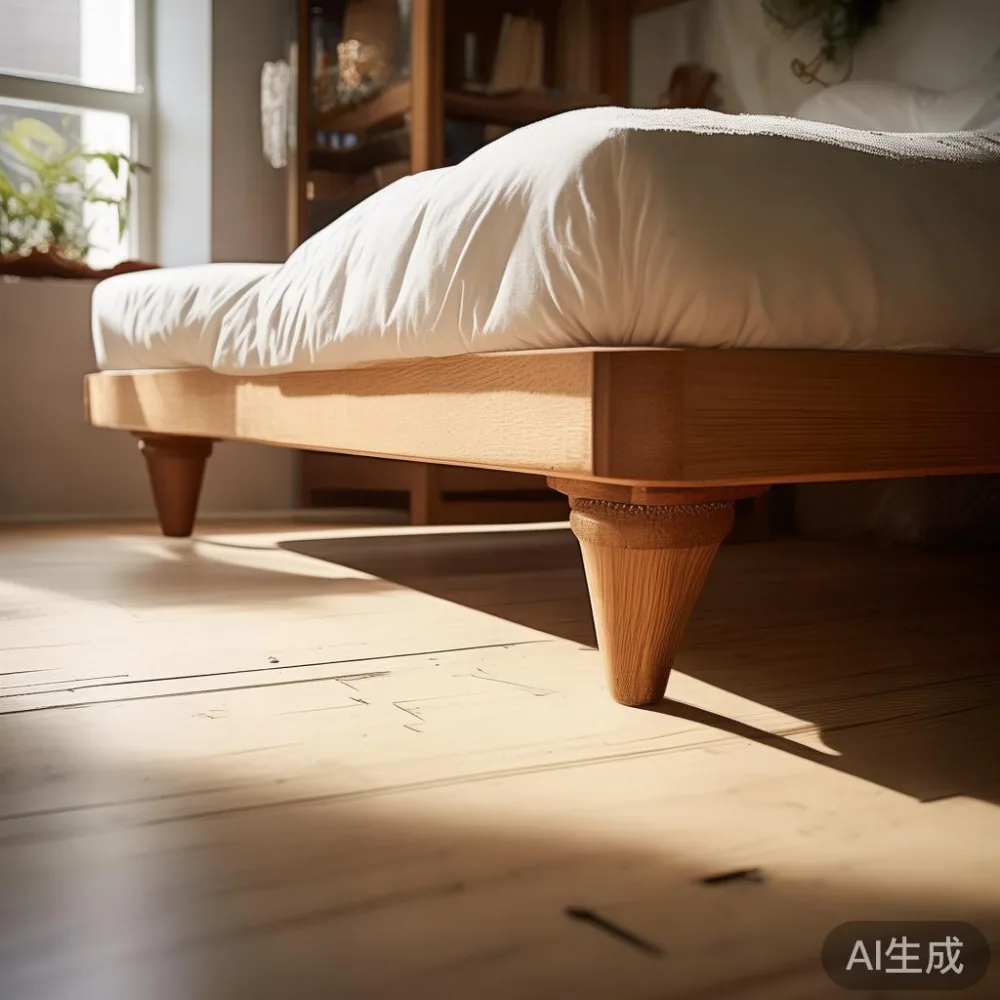
It is important to distinguish solid timber from timber veneer. Veneer is not automatically poor quality, but a veneered wardrobe can be perfectly suitable for a dry bedroom. The key questions are whether the structural components are solid wood, how thick the veneer is, how the edges are treated, and whether the panels are expected to flex in Singapore humidity. Ask for a material schedule rather than relying on a broad “wood furniture” label.
Numbers can make the difference easier to understand. A 200 cm dining table with a solid oak top might retail around SGD 2,400–SGD 4,200, while a comparably sized product using a different construction could be SGD 1,500–SGD 2,700. The species alone may explain 20–35% of that spread, but finish and joinery can move the price by another 20%.
One practical check is weight. A 200 by 90 cm dining table made from dense hardwood may weigh 55–75 kg. That weight signals material and engineering, but it also creates a delivery problem. Before purchase, confirm whether the legs can be detached and whether the top is split into sections. A removable top may add SGD 100–SGD 300 to manufacturing yet save several hundred dollars in installation.
What does “real” solid wood mean for a bed frame or wardrobe?
For a bed frame, the central question is whether the visible structure is solid wood or a mixture of timber and engineered board. A 160 by 200 cm queen bed frame may be listed from SGD 1,200 to SGD 2,800. At the lower end, the slats may be plywood, the side panels may be MDF, and the decorative headboard may include veneer. At the upper end, hardwood rails, hardwood slats, dowelled joints, and a shaped headboard account for more material and labour.
This is where comparisons such as American bed vs Nordic bed can be useful, provided style does not obscure construction. American designs often favour substantial rails, thick posts, and a visual sense of mass. Nordic beds tend to appear lighter through slimmer profiles and pale tones. A 20 cm high American-style frame in solid oak can weigh 45–60 kg, while a visually similar Nordic frame may weigh 30–45 kg because of different timber and joinery.
Do not assume that a narrow profile means a weaker product. Ten or more hardwood slats, spaced no more than about 8–10 cm apart across a 160 cm mattress width, can provide suitable support. The manufacturer should state the centre support arrangement, the clearance beneath the frame, and whether centre legs are included.
A wardrobe requires a different specification. A 180 cm-wide, 210 cm-high, 60 cm-deep wardrobe may cost SGD 2,200–SGD 5,500. Drawer runners, hinges, back-panel construction, adjustable shelves, and the number of doors influence the total. Soft-close hinges alone might add SGD 120–SGD 400 for a four-door wardrobe. A 9 mm back panel may be adequate in a controlled interior, though a customer seeking long-term flexibility should ask how the unit can be anchored to the wall.
For a nightstand, the price can range from SGD 350 for a compact engineered construction to SGD 900 for a solid hardwood version with a thicker top, dovetailed drawer, and better hardware. A 45 cm-wide nightstand with one drawer should be tested for movement: place a 3 kg object on its top and push gently at the front edge. The drawer should run smoothly, and the case should not visibly flex.
How much do joinery, finish, and hardware add to the price?
Joinery separates furniture that can be repaired from furniture destined for early replacement. Mortise-and-tenon joints, dowelled frames, bridle joints, and well-fitted dovetails take more time than screws placed into basic panels. CNC machining can improve precision, but hand fitting, sanding, and correction still require labour. On a dining table, this work may add SGD 300–SGD 900 compared with a simpler frame.
Finish is often misread as a decorative surcharge. A clear matte lacquer on a dining table may cost little more than standard lacquer because it is conventional. A smoked, fumed, brushed, or wire-brushed oak finish can add 8–15% because additional preparation exposes the grain and can expose small defects. A marble table presents another material story: a 110 cm round marble top might add SGD 700–SGD 2,000, depending on whether the slab is genuine stone, how it is reinforced, and whether the base requires counterweighting.
Outdoor products require more demanding finish systems. An outdoor sofa should use moisture-resistant frame materials, quick-dry foam, and fabric designed for humidity and UV exposure. Applying an outdoor-grade coating to ordinary indoor timber is not equivalent to using an outdoor-rated solid wood frame. A modular outdoor sofa may retail from SGD 1,800 to SGD 4,500, but the frame warranty, cushion composition, cover removability, and ability to store pieces in a dry HDB balcony are more informative than the headline price.
Hardware should be named. A wardrobe may use concealed European hinges, soft-close runners, and adjustable legs. A solid wood sofa may use kiln-dried beech or ash framing, sinuous springs, webbing, and high-resilience foam. If no hardware specifications are provided, the lower price may be absorbing a compromise.
Is French light luxury just another way of saying expensive?
No. Light luxury is about proportion, texture, controlled detailing, and restraint rather than lavish ornament. A solid wood sofa with a 220 cm width, 82 cm seat height, 58–62 cm seat depth, tapered legs, and subtly rounded edges can feel more luxurious than a heavily carved sofa covered in gold leaf. The same principle appears in modern French provincial furniture, where natural oak, soft curves, linen-like upholstery, and muted colours create warmth without visual clutter.
Post-modern light luxury can combine familiar forms with cleaner execution. One dining table might use a traditional pedestal silhouette with a restrained oval top; another might pair square legs with a softly bevelled edge. The workmanship around junctions, undersides, and drawer interiors tells the buyer whether the design has been resolved or merely decorated.
Japanese sofa vs French provincial sofa comparisons often focus on profile, but comfort matters more. A low Japanese-inspired sofa may have a 38–42 cm seat height and firm cushions. A French provincial sofa may sit at 43–46 cm with deeper padding. A bed frame and an outdoor sofa also serve different periods of the day, so appearance should not be used as a proxy for comfort.
Light-luxury pricing may sit in the middle of the market rather than at either extreme. A 220 cm solid wood sofa in carefully selected oak, finished in warm natural tones, may be around SGD 2,600–SGD 4,800. A marble-top coffee table may range from SGD 1,800 to SGD 4,200. For a Mid-century modern coffee table in walnut or teak, turned or tapered legs and a 120 cm top may bring the figure to SGD 1,500–SGD 3,600.
How does a narrow Singapore corridor change what a table costs to deliver?
Delivery can alter the final invoice because furniture factories are not always located inside the building. A dining table shown at SGD 2,800 may be subject to lift-access fees, carrying services, and GST. It may also incur a second delivery if access fails on the first attempt.
Measure the route before ordering. Record the lift door width, lift car depth and width, corridor turns, and the distance from the lift lobby to the front door. Many older HDB blocks have lift cars around 90–110 cm wide, while apartment corridors may offer only 100–120 cm of clearance. A 90 cm-wide dining table can fit through a 90 cm doorway only with little tolerance; a 75 cm disassembled base may be safer.
High-rise condos may have managed-delivery rules requiring protective floor coverings or bookings through the management office. A freight elevator may need to be reserved 3–7 days in advance, and a delivery window may be restricted to 9 a.m. to 1 p.m. or 2 p.m. to 6 p.m. Building rules can add SGD 50–SGD 150, but they also protect the common areas.
Some large pieces are delivered in two stages. A wardrobe may arrive as flat panels and require assembly in the bedroom; a solid wood sofa may arrive nearly complete; a dining table may arrive with detachable legs. The relevant question is not simply “free delivery,” but “free delivery under what conditions?” For MIDHILL, shipping is free above US$350, although the currency threshold does not automatically correspond to a Singapore-dollar threshold or include every local access charge.
At home, I have tested how much a nominal measurement can conceal. Last month, my colleague brought a 200 cm solid wood dining table into a Bedok condo with a narrow lobby turn. The product fitted the lift, but the long top could not turn upright without risking the handrail. Removing the legs and using the service lift solved it in 25 minutes. A slightly cheaper factory might have charged SGD 120–SGD 250 for an unplanned second attempt; careful packing prevented that expense.
For bulky orders, ask for the packed dimensions of each carton, the number of cartons, total weight, and whether assembly is included. A 120 kg wardrobe delivered in three cartons is more manageable than one weighing 120 kg. These details should appear before payment, not after the furniture has reached the void deck.
Why do some solid wood dining tables cost less than others?
A dining table combines several large surfaces with a load-bearing base. The top thickness, length, grain matching, edge treatment, and number of leaves all affect material use and labour. A 180 cm table without a leaf may be priced differently from a 180 cm table extending to 240 cm. Extension hardware and stored leaves can add SGD 250–SGD 700, although a well-integrated extension can be worthwhile in an HDB dining area.
Search phrases such as Rustic for dining room can surface broad looks, but a rustic finish is not a construction standard. A reclaimed-look table may use new timber with wire brushing, staining, and filled knots. Genuine reclaimed timber may include nail holes, uneven oxidation, and movement that has to be stabilised. It should be priced and described honestly.
Stretchers, aprons, and legs should not be reduced to visual pieces. A table rated for 80–120 kg may need stronger supports, depending on span. A 240 cm top spanning unsupported legs can deflect under a heavy meal or during cleaning. Ask for centre-support arrangements and acceptable load guidance. The finish should also withstand heat and moisture: Singapore humidity often sits around 60–80%, and a coaster or trivet is still sensible near a hot cooking pot.
Price comparisons also need to include the 9% GST and service charge. At the point of purchase, the furniture price and GST are transparent, but a lift fee of SGD 100 becomes SGD 109. Buyers comparing online offers should compare the landed total, including delivery, assembly, and applicable access charges.
How should I compare a wardrobe, nightstand, and other solid wood products?
Start with function, then compare construction. A 4-door, 6-foot wardrobe may need at least 18–24 mm shelves for heavier items such as folded towels, books, or boxes. Drawer width and runner length influence both price and usability. A narrow wardrobe with drawers can cost more than a visually plain version because the runners need adequate travel and the drawers require more precise suspension.
A nightstand should align with the bed height and be reachable from a seated position. A 50 cm-high model works with many 45–55 cm-high beds, while a low 40 cm unit may suit a platform bed but leave a phone or glass awkwardly far from the edge. A solid oak nightstand at SGD 600–SGD 900 may include a 25–30 mm top, tapered legs, and a dovetailed drawer.
Vintage-style products deserve specific questions. The phrase under 2000 Vintage furniture describes a budget segment, but low price can conceal mixed materials or unfinished backs. Ask whether the timber is solid, whether the finish is child-safe, and whether original fittings have been replaced with modern hinges or fasteners.
For every category, request a small specification package: timber species, moisture target, finish type, hardware brand, dimensions, packed dimensions, weight, and warranty coverage. A 10-year structural warranty is more useful when the definition of “structural” is clear. Does it cover frame joints, bed slats, and dining-table support? It may not cover surface scratches, stone chips, or finish discoloration.
Returns also need context. A 14-day return period allows inspection, but solid wood can change slightly as it adjusts to indoor humidity. Check that the policy covers assembled products, custom sizes, and the cost of returning an item that cannot fit through the lift. The buyer should photograph the furniture before assembly and retain the packaging where practical.
What is the fair price to pay for solid wood furniture?
A fair price reflects the materials and labour a product genuinely requires, not merely a material label. A compact solid wood nightstand around SGD 500–SGD 900, a queen bed frame around SGD 1,400–SGD 3,000, a dining table around SGD 1,800–SGD 4,500, a wardrobe around SGD 2,500–SGD 5,500, and a solid wood sofa around SGD 1,800–SGD 4,800 can all be reasonable when their specifications differ appropriately.
The most useful buying strategy is to obtain two comparable quotes rather than to chase the lowest number. Give each seller the same dimensions, timber, finish, delivery address, and access details. Compare the written specification line by line. If one quote is SGD 900 lower, identify the exact difference: veneer instead of solid timber, plywood instead of hardwood slats, fewer coat rails, thinner foam, standard hardware, or a finish that does not meet the intended room conditions.
Buyers can also request samples and a full-size material photograph. Compare the table legs, the underside of the dining table, the inside drawer, and the back of the wardrobe. Hidden surfaces reveal whether the manufacturer has prioritised quality where customers do not always look.
For Singapore, delivery competence is part of the furniture purchase, not an afterthought. A product may be well made and still be a poor fit if its cartons cannot pass through the lift and corridor. An outdoor sofa may also require careful moisture planning, while a marble table needs a checked route and coordinated installation.
MIDHILL’s broader policies—10-year structural coverage, lifetime refinishing, 14-day returns, and an established export operation—provide useful context, but they should be read alongside the individual product specification. The strongest value comes from a piece whose construction, dimensions, finish, and delivery plan suit the home. Price follows those details more reliably than it follows a style label.