How Southeast Asian Humidity Affects Your Solid Wood Furniture (and What to Do About It)
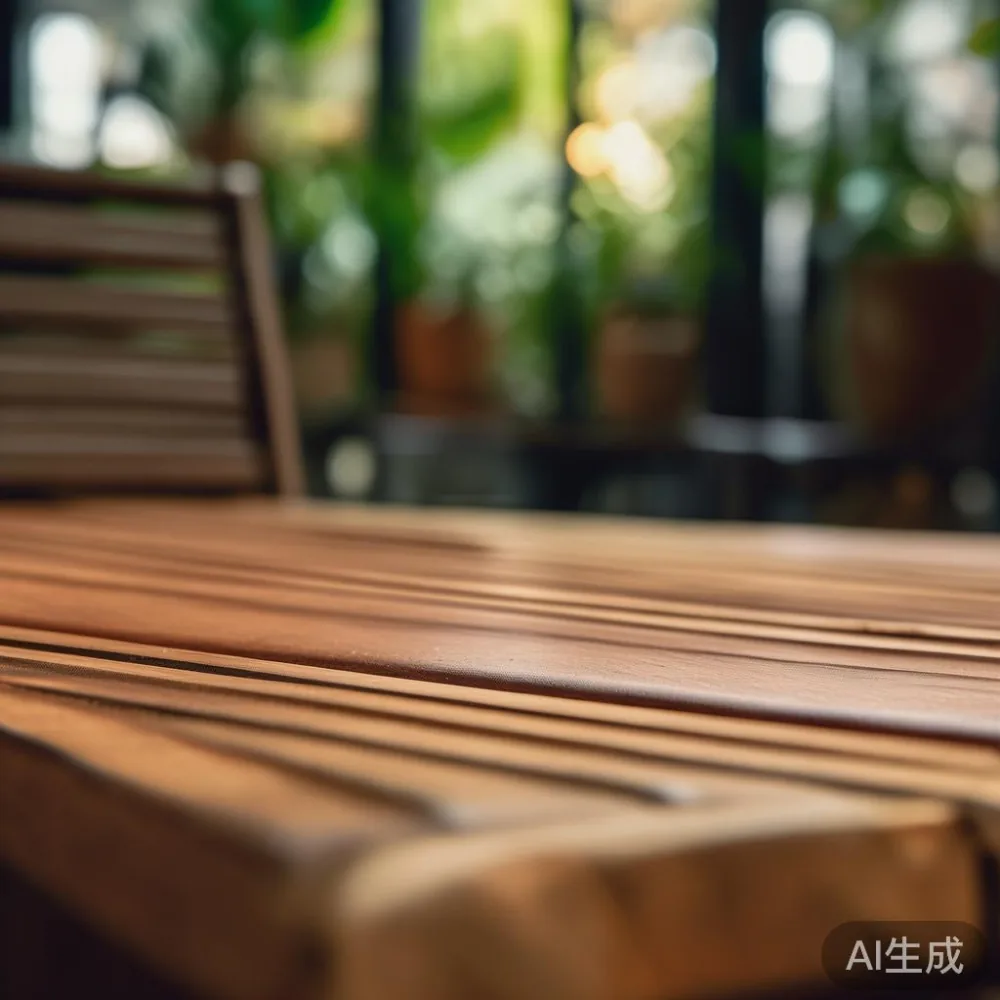
I still remember my first Saturday at the Tampines HDB flat belonging to my colleague Priya. She had just taken possession of a 95 sqm, four-room unit on the 12th floor and, with admirable optimism, ordered a 240 cm solid wood sofa from a regional factory for her balcony. Two weeks later, after a stretch of days with 88% relative humidity and overnight readings above 29 °C, the seat slats had begun to cup — the front edges higher than the back, like tiny wooden smiles. She called me in a panic. We spent an afternoon with a hygrometer, a dehumidifier, and a cup of kopi at the void deck, and the lesson stuck with me: in Singapore, wood does not fail because it is poorly made. It fails because the air has too much personality.
That afternoon has shaped how I evaluate every piece of solid wood furniture I recommend, whether it is destined for a 2.8 m wide HDB corridor, a 1.1 m lift, or a 32nd floor penthouse balcony in Punggol. This long-form guide is for anyone hunting for an outdoor sofa, a bed frame, a dining table, a wardrobe, or a nightstand in our corner of the world. I will focus on humidity — the silent operator behind warping, white mould, and sticky drawer slides — but I will also explain the practical logistics of getting a 180 kg shipment through your lift, your corridor, and your front door, and what a 10-year structural warranty actually means when the rain hits four afternoons in a row.
Why Is Singapore's Humidity So Tough on Solid Wood?
Singapore sits roughly one degree north of the equator, where the average relative humidity runs between 70% and 90% for most of the year and rarely drops below 60% even on a "dry" January afternoon. Indoor humidity in an air-conditioned HDB flat can swing from 45% in the living room with the compressor running to 75% in a closed bedroom at night. That is a 30-point swing in eight hours, and wood absorbs and releases moisture across that range.
Solid wood — unlike plywood, MDF, or the engineered boards used in flat-pack imports — moves as a single, continuous material. A 200 cm oak plank can change width by 4 to 6 mm between a dry January and a wet November. Over months, that repeated expansion and contraction shows up as hairline cracks at the end joints of a bed frame, slightly cupped seat slats on a sofa, or a wardrobe door that suddenly rubs against the frame in October. Engineered boards mask the movement but introduce their own weaknesses: swollen cores in particleboard, peeling laminates, and screw holes that lose their grip after two monsoon seasons.
MIDHILL, a Foshan factory established in 2008 that exports to more than 15 countries, builds its sofas, dining tables, and wardrobes from kiln-dried solid wood (typically ash, oak, or walnut) and finishes them with low-VOC matte lacquers that breathe with the timber rather than sealing it like a plastic shell. That choice costs more per cubic metre than a rubberwood block, but it means a 2.4 m dining top arrives at 8–10% moisture content — the range a kiln in Guangdong aims for — and continues to behave predictably once it acclimatises to your flat.
What Should I Look for When Buying a Solid Wood Sofa for a Singapore Balcony?
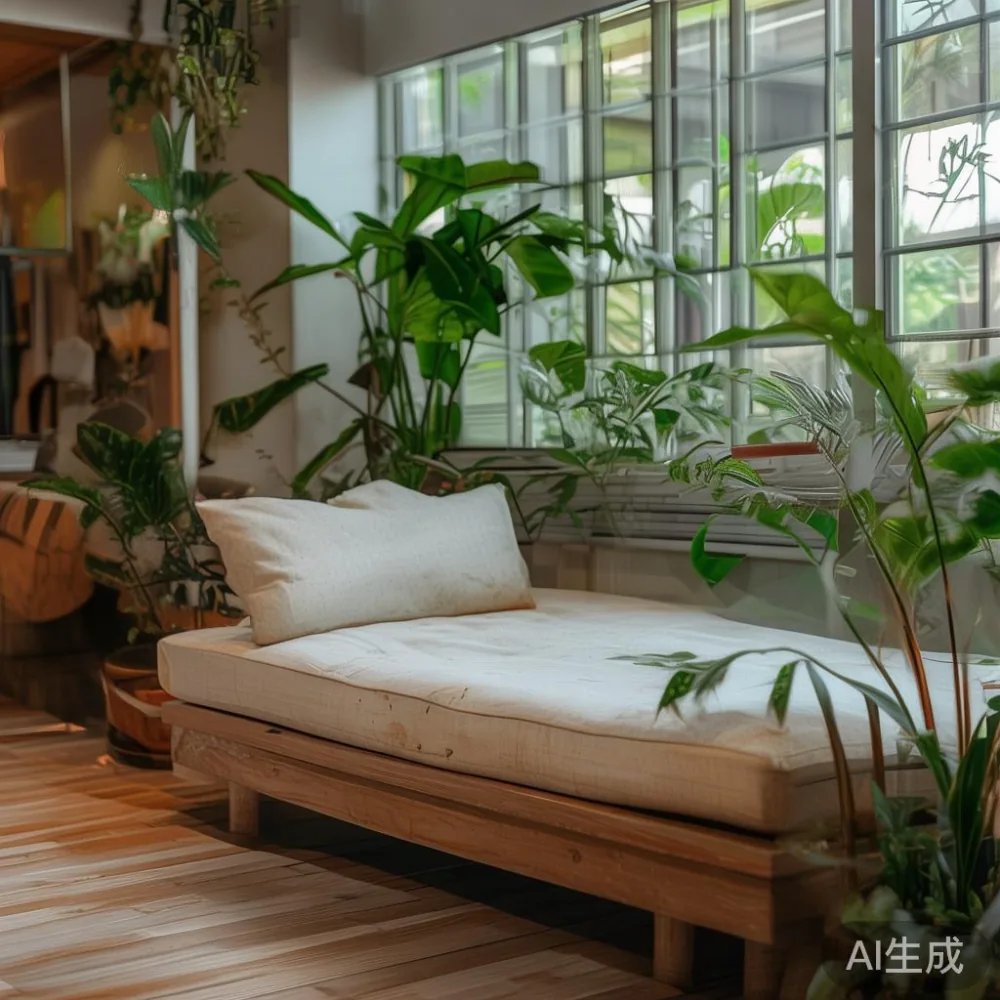
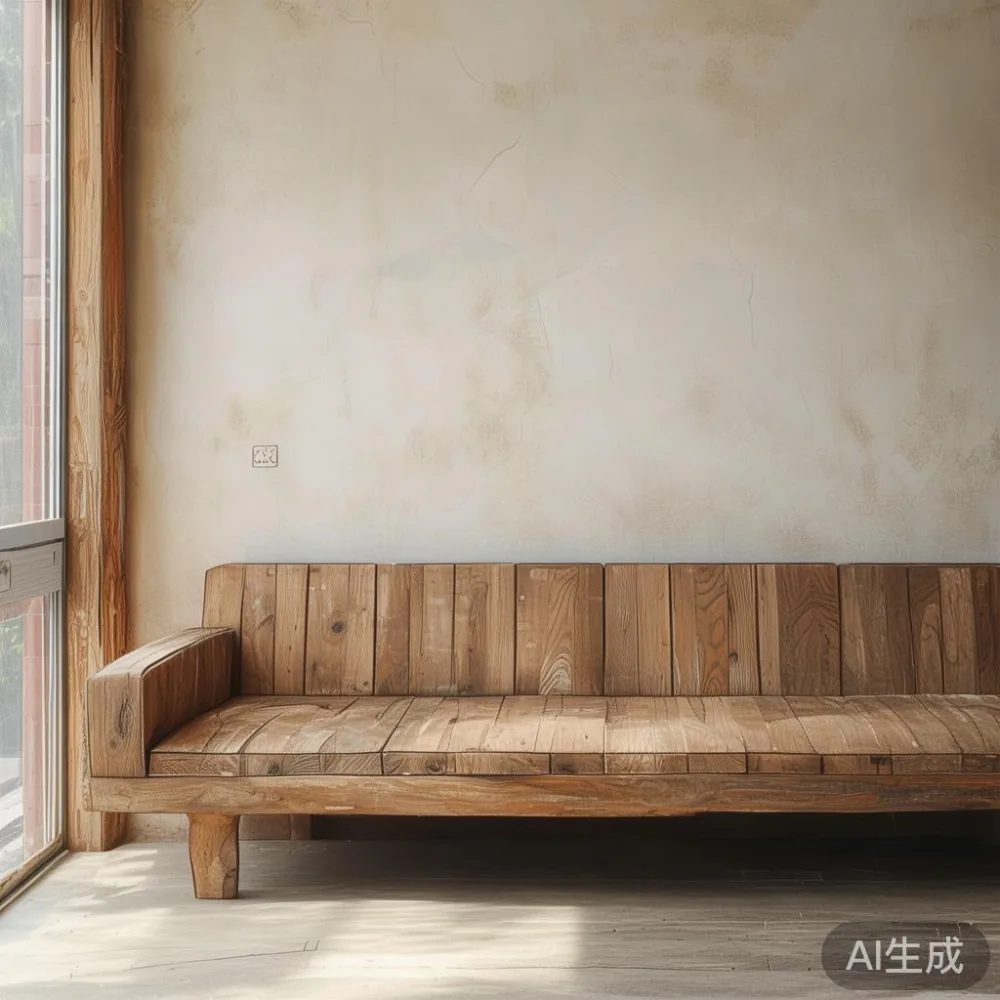
For an outdoor sofa on a HDB balcony or a condo sky deck, the priority is moisture stability first, comfort second, and aesthetics third. Look for a kiln-dried hardwood frame (ash, teak, or white oak), mortise-and-tenon joinery rather than staples or just glue, and a finish that allows the grain to expand visibly without flaking. Slatted seat bases are far better than solid plywood platforms because they let trapped water evaporate. Cushions should be wrapped in quick-dry foam with removable, washable covers — Sunbrella-grade acrylic or olefin, not the brushed polyester you see in fast-shipment listings.
Dimensions matter as much as wood species. The narrowest HDB lift on the older blocks is about 1.1 m wide by 1.4 m deep with a door opening of roughly 0.9 m. A 240 cm three-seater sofa will not fit diagonally on most of these lifts. Plan for either a modular design in pieces no longer than 120 cm or a compact 180 cm two-seater that clears the lift with 5–10 cm to spare. The corridor on most HDB floors is about 1.2 m wide, and the front door is typically 0.9 m by 2.1 m — measure before you order, not after the 180 kg crate has been unloaded at the loading bay.
Is American Country Headboard Furniture Worth It?
Yes, when the maker respects the wood's moisture range and the dimensions of a Singapore bedroom — but not every "American country" piece is engineered for our climate, so read the spec sheet carefully. American country style typically pairs a tall, planked headboard (often in distressed pine or reclaimed oak) with turned spindles, bun feet, and a low footboard, finished in chalky whites, barn greys, or warm walnut. The silhouette is generous — a 180 cm queen bed frame can stand 130 cm tall at the headboard and weigh 70 to 90 kg unpacked — which is why it suits a spacious master bedroom rather than a 3.6 m by 3.0 m HDB common room.
The risk in our humidity is twofold. First, "distressed" pine from cold North American barns arrives very dry (6–8% moisture content); if the maker has not re-acclimatised it before assembly, the headboard planks can cup or split within six months. Second, painted finishes on lower-grade pine trap moisture against the wood and lead to flaking along the seams. A solid hardwood bed frame in ash or oak, finished with a breathable matte lacquer, will absorb the seasonal swing without drama. Expect to pay SGD 2,400 to SGD 4,800 for a queen-size solid hardwood bed frame with kiln-dried construction, mortise joinery, and a proper 10-year structural warranty; pieces below SGD 1,500 are almost always engineered wood in a country costume. Ask the supplier for the kiln-dry certificate and the wood's origin — responsible makers like MIDHILL list both on the spec sheet.
How Do Delivery Logistics Work for a Heavy Solid Wood Piece in Singapore?
Delivery is where many first-time buyers of solid wood furniture underestimate the project. A 200 cm dining table in solid oak weighs 80 to 110 kg; a six-door wardrobe can tip 250 kg even flat-packed. The standard shipping path is a 25 to 35 day sea freight from Guangdong to Singapore (about SGD 280 to SGD 420 for a single piece, depending on volume), followed by 7 to 10 days of customs clearance and last-mile scheduling. Some Foshan makers, including MIDHILL, ship consolidated containers that arrive in roughly 18 days door-to-door, with white-glove delivery to the lift lobby and a two-man crew that carries each crate into your flat for an additional SGD 80 to SGD 150.
Free shipping is standard for orders above US$350, which translates to roughly SGD 470 at current rates — well below the price of any solid wood sofa or dining table in the catalogue. GST is calculated on the landed value (product + shipping + insurance) at 9% as of 2024, and most reputable suppliers handle the import paperwork; you should receive a tax invoice that shows the GST line separately so you can claim it back if you are GST-registered. The 14-day return window applies to undamaged pieces in original packaging, which is realistic for a nightstand but not for a made-to-order 240 cm outdoor sofa — measure twice, ask for a CAD drawing, and confirm the lift dimensions before you sign off.
Which Materials Hold Up Best Indoors Versus on a Sheltered Balcony?
Indoors, kiln-dried ash and white oak are the safest choices for a living-room sofa frame, a dining table top, or a wardrobe carcass. They are stable, take stain predictably, and are widely available from certified Guangdong factories. Walnut is denser and richer in colour but costs 20 to 30% more per cubic metre. For indoor cabinets and nightstands, ash is forgiving because small movements do not show through the matte finish the way they do on a high-gloss lacquer. Marble is sometimes paired with solid wood for side tables or dining tops; a 90 cm round marble table with a wooden base weighs 45 to 60 kg and needs two careful handlers, but the stone surface itself is indifferent to humidity — it does not warp, only stain if you forget the coaster.
On a sheltered balcony or a covered patio, teak remains the gold standard for an outdoor sofa because its natural oils resist moisture and fungal attack. White oak treated with marine-grade oil is a strong second choice; ash is acceptable if you commit to a fresh coat of outdoor oil every 12 to 18 months. Stainless steel 304 hardware, brass-plated fittings, and plastic feet rather than felt will outlast felt or rubber by several seasons. Avoid any outdoor sofa with plywood seat platforms, MDF cores wrapped in veneer, or cushions that do not unzip for washing — they will fail in our weather, period.
French light luxury design — think pale oak, slim tapered legs, a 180 cm bouclé three-seater, and a single marble-topped side table — works surprisingly well in a HDB flat because the restrained proportions suit 2.8 m wide living rooms and the lighter finishes reflect what little daylight you have. American light luxury, by contrast, leans on walnut warmth, rolled arms, and brass-tipped feet; it reads "new money" in a Punggol condo without crowding the space. Post-modern light luxury is the playful cousin, mixing a velvet sofa with a travertine dining table and an oak slatted room divider. All three styles can be specified in kiln-dried solid wood by a custom Foshan workshop, but each one needs its own humidity plan: a velvet sofa cover should unzip for the dry days, a marble table wants coasters, and an oak slatted divider should not sit flush against an air-con vent that blows cold air on one side all night.
What Does a 10-Year Structural Warranty Actually Cover?
A 10-year structural warranty from a manufacturer like MIDHILL covers the joinery — the mortise-and-tenon joints on a sofa frame, the dovetail drawers on a nightstand, the bed slat rails on a queen frame, the rails on a wardrobe carcass — against breakage under normal residential use. It does not cover finish wear, fading under direct sun, or movement under humidity that falls within the wood's expected range (1 to 2 mm of seasonal expansion across a 200 cm panel is normal, not a defect). It also does not cover water damage from spills left overnight, mould caused by poor ventilation, or damage from a humidifier pointed at the wood for weeks on end.
Two manufacturer programmes matter alongside the warranty. Lifetime refinishing means the factory will sand and re-lacquer your dining table or bed frame at cost for as long as you own it; most owners use this service once or twice in the first decade, typically after a balcony sofa has weathered three or four monsoon seasons. The second is the moisture-content guarantee on delivery: the maker ships at 8 to 10% kiln-dried moisture, acclimatises the piece in a Singapore warehouse for 3 to 5 days, and delivers it wrapped in breathable cotton rather than plastic shrink wrap. That last detail sounds small, but it is the difference between a piece that acclimatises quietly over its first week in your flat and one that arrives damp from the container and starts cupping within a month.
How Do I Acclimatise a New Piece of Solid Wood in My HDB Flat?
Give the piece at least 7 to 14 days in your home before you load it with weight or decorative objects. Leave it in the room where it will live, ideally with the air-conditioner running for a few hours each day so the wood adjusts to your indoor baseline rather than to the corridor humidity. For an outdoor sofa on the balcony, leave it under shelter for the first 48 hours, then begin occasional exposure so the wood equalises with the outdoor range gradually. Wipe down the surfaces with a soft, dry cloth every few days; never use a wet mop or furniture spray that contains silicone.
Keep a small digital hygrometer (SGD 12 to SGD 25 at any electronics shop in Tampines or Bedok) in the room where the piece lives. Aim for 45 to 60% relative humidity indoors. If your reading stays above 70% for more than a few days, run a dehumidifier for four to six hours during the wettest part of the afternoon. Position solid wood pieces at least 30 cm away from any direct blast of cold air from a split-unit air-conditioner; the differential between the cold side and the warm side of a 240 cm wardrobe can warp a door within a season.
A Short, Honest Checklist Before You Click "Buy"
Measure the lift (width, depth, door opening), the corridor width on your floor, and your front door. Measure the planned position of the piece as well — width, depth, ceiling height if the piece is taller than 180 cm. Confirm the wood species and the kiln-dry certificate, the joinery method, the finish type, and the cushion fill if it is an outdoor sofa. Confirm the warranty terms in writing, the delivery lead time in calendar days (not vague weeks), the GST treatment, and the return window. Ask whether the maker provides acclimatisation in a local warehouse before final delivery. The cheapest piece on a screen rarely survives the lift, the corridor, and the climate — the right piece, specified clearly, will give you fifteen years of daily use and still look honest in your living room.
Singapore is one of the most demanding furniture climates on earth, but it is also a place where well-made solid wood furniture ages into something personal. Every crack you fill, every lacquer you refresh, every humid afternoon you manage with a small dehumidifier and a glass of barley water is a small act of care. The wood remembers. And when you sit down on your balcony sofa ten years from now, the slats still flat, the frame still square, the cushions still quick-drying, you will know that the care was worth the price of doing it properly the first time.