Solid Wood Pricing Dynamics - Singapore Perspectives
Solid wood furniture is often sold as a simple material choice, but the final price of a solid wood sofa, bed frame, dining table, wardrobe, nightstand, or marble table is shaped by a much wider set of decisions. Wood species, construction method, dimensions, surface finish, hardware, and delivery logistics all affect the amount you pay. For Singapore buyers furnishing HDB flats and condos in Tampines, Bedok, and Punggol, access details matter just as much as appearance: a 220 cm corridor, a 110 cm lift door, and a staircase landing can change the practical cost of a large piece.

Light luxury is also not one fixed style. French light luxury tends to introduce carved edges, curved profiles, upholstered details, and a softer visual language. American light luxury often emphasises generous proportions, clean lines, and substantial-looking joinery. Post-modern light luxury can pair simple solid wood forms with restrained geometry and a warmer, more architectural finish. These choices affect labour and material costs before a single item enters a show room.
Understanding the price drivers helps you compare quotations fairly. It also helps you decide whether a higher figure reflects useful durability and finish work, or simply a larger size, a premium label, or a more complicated delivery route.
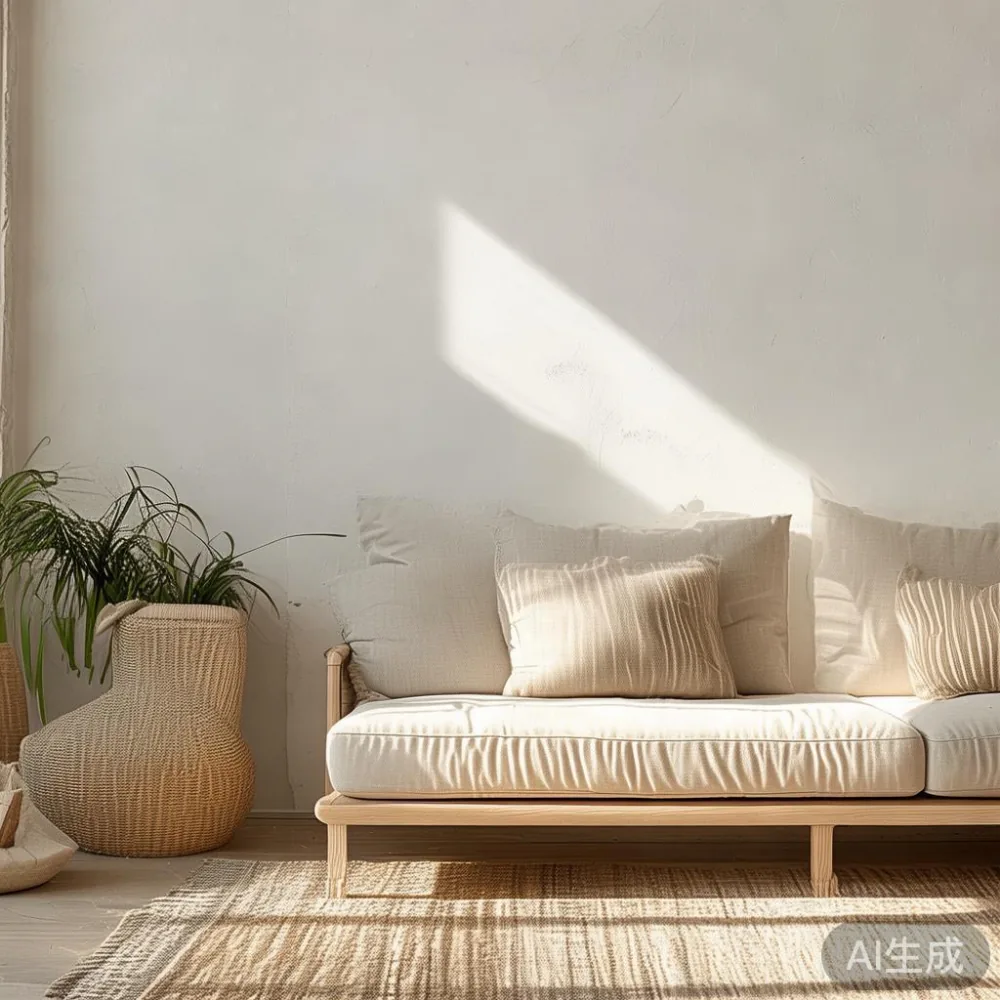
What is the single biggest factor behind a solid wood furniture price?
The largest factor is usually the combination of solid wood volume and production complexity. A dining table with a 240 cm top, 4.5 cm thick edges, and four turned legs uses more timber than a 160 cm table with square legs. If the species is white oak rather than rubberwood, the material cost per board metre is higher. If the top uses finger joints, book-matched veneer, or a carefully aligned solid timber pattern, processing takes longer too.
Construction tells the rest of the story. Mortise-and-tenon joints, dowelled drawer corners, dovetail drawer boxes, and reinforced sofa frames require more layout, cutting, fitting, and checking than simple screw-based assembly. A solid wood sofa may also combine kiln-dried hardwood rails, webbing, foam, fibre wrap, and fabric upholstery. The timber frame is only one part of its cost.
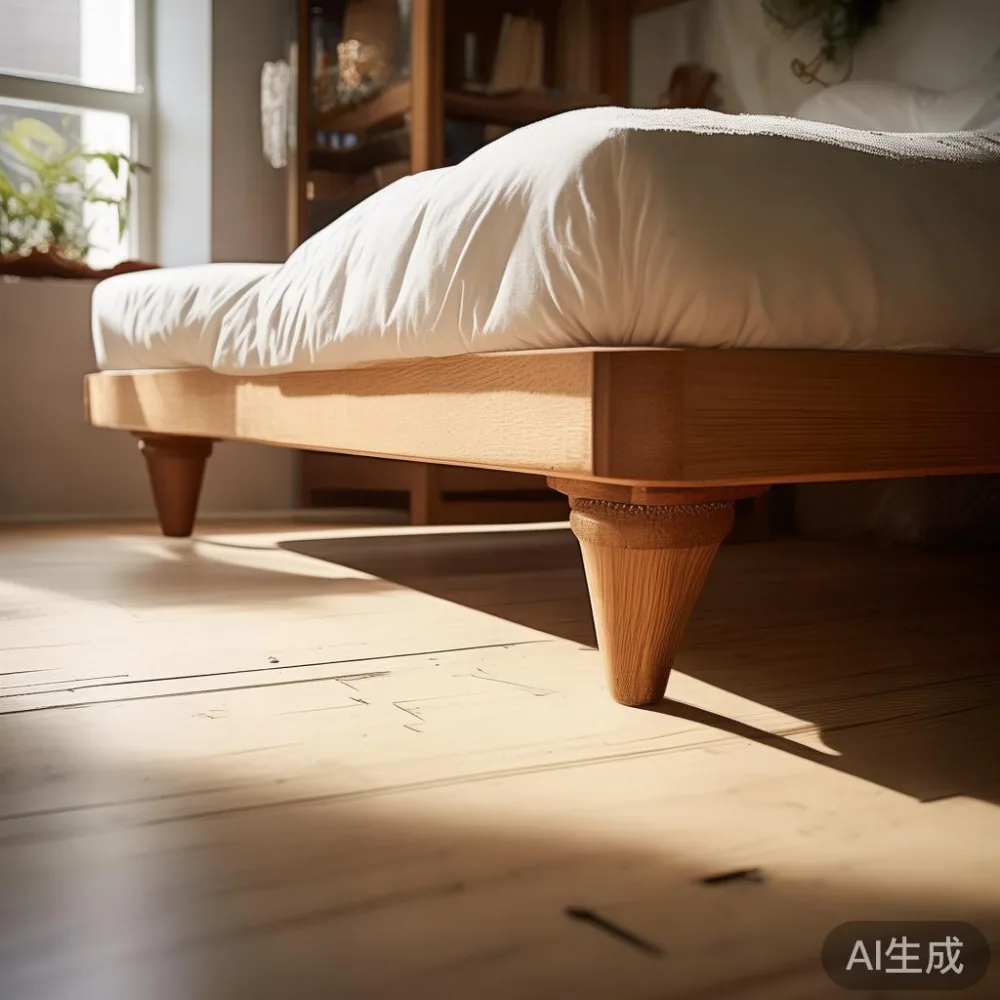
That is why two solid wood dining tables with similar photographs can differ by SGD 700 or more. One may use 40 kg of premium timber with traditional joinery; the other may use less expensive boards, thinner components, and more automated assembly. Price is not a direct measure of quality, but dimensions, timber grade, joint type, and finish specification provide a much sounder basis for comparison.
How much do wood species and moisture control change the price?
Wood species determine raw material cost, but moisture control determines whether the finished piece remains stable. Singapore’s humid climate makes kiln drying important. Furniture intended for indoor use should normally be conditioned to a moisture level appropriate to the local environment, commonly around 8% to 12% for many solid wood products, subject to the supplier’s specifications.
Poorly controlled moisture can cause warping, checking, joint movement, and finish defects. That risk should not be treated as a minor difference. A 180 cm solid wood bed frame assembled from poorly conditioned timber may look correct on delivery day and develop visible movement after several humid months. Well-dried stock may cost more at the workshop, yet reduce long-term complaints and refinishing work.
Species also affect machining and appearance. Oak, ash, beech, and teak have different grain, hardness, and machining characteristics. A dense hardwood takes longer to cut and sand, while pronounced grain needs more preparation before lacquer or oil is applied. Veneer can be entirely appropriate in selected frames and panels, but a piece described as solid wood should specify where solid timber is used rather than relying on one broad label.
At MIDHILL, the material and process decisions are considered as a system because a 10-year structural warranty is only meaningful when moisture control and construction work together. The warranty length itself is not a substitute for clear care instructions, but it gives buyers a defined point of reference when comparing solid wood furniture quotations.
Do dimensions really matter as much as the product name?
Dimensions affect material quantity, packing volume, and access. A 210 cm solid wood sofa sounds close to another 210 cm sofa until you compare its 96 cm depth, 84 cm seat height, 32 cm arm width, and 48 kg frame weight. A larger three-seat design may require longer boards, more supports, additional foam, and reinforced joints.
Bed frames offer another good example. A queen bed frame may measure 160 cm by 200 cm, but the price can shift according to headboard height, slat spacing, centre-leg support, and mattress clearance. A 120 cm wardrobe with two doors is easier to manufacture and move than a 240 cm wardrobe with four doors, adjustable shelves, hanging rails, and a deeper carcass. The number of moving parts is more informative than the wardrobe category alone.
For an outdoor sofa, width and frame construction have an additional consequence: exposed use requires careful attention to finish, drainage, and surface maintenance. A 220 cm outdoor sofa with a quick-dry cushion, replaceable cover, and marine-grade treatment will not have the same cost as a simple timber bench with no upholstery. Neither should be judged from the word “outdoor” alone; ask for the frame species, coating system, cushion foam, cover fabric, and expected maintenance interval.
This same measurement discipline applies when asking whether an under 2000 Mid-century modern furniture budget can support a useful dining table. A 180 cm table may fit a SGD 1,980 set, while a 240 cm table with thicker edges and a pedestal base may not. Look for actual dimensions before assuming that “solid wood” or “mid-century” sets a price.
Why are finishes, hardware, and details such large price drivers?
A finish is not merely a colour applied at the end. Preparation can include sanding to a stable surface, filling, sealing, stain matching, lacquer or oil application, drying, and final inspection. Matte finishes often require additional care to avoid unwanted sheen during production. Dark walnut-toned finishes may require more coats than pale natural finishes. Hand-rubbed edges and antique-style distressing add labour and create batch-level variation.
Hardware has a quieter but measurable effect. A cabinet with soft-close hinges, full-extension drawer runners, and solid brass pulls uses more expensive components than one with standard hinges and plated steel handles. Drawer boxes may use dovetail construction, while lower-cost boxes rely on dowels or screws. For a nightstand, two well-made drawers can account for a meaningful share of the total cost because the boxes, slides, alignment, and finishing are all important.
Upholstery deserves equal scrutiny. Fabric yardage rises with the sofa’s surface area, and a tightly woven, stain-resistant textile costs more than a basic woven cloth. Foam density, fibre wrap, cushion fill, and stitching affect both price and comfort. A light luxury accent chair may add another USD-equivalent styling premium through its curved shell, padded back, special textile, and detailed seams. Material specifications should therefore be requested in writing.
For a marble table, the stone itself is only the beginning. The buyer should identify whether the top is natural marble, composite marble, or a stone-look surface, then check thickness, edge profile, support structure, and protective treatment. A 12 cm thick top with a mitred edge requires different handling from a 3 cm slab with a simplified edge. The same USD 300 difference can reflect stone thickness and fabrication, not merely the marble pattern.
How should Singapore buyers compare delivery and installation costs?
Delivery should be included in the comparison, not treated as an afterthought. For a Tampines HDB flat, the contractor may need to check the lift, turn the package through a common corridor, work through a staircase, and protect walls and flooring. In Bedok, a landed unit with a private lift may simplify the job. In Punggol, a walk-up or low-rise block can introduce a different route altogether.
Ask for the delivered price and the exact access assumptions. A typical large furniture delivery in Singapore may take 7 to 14 days after production, while made-to-order pieces can require 4 to 8 weeks. White-glove placement, unpacking, assembly, and packaging removal may cost SGD 80 to SGD 250 depending on the item and access difficulty.
Measure at least 3 points: the narrowest lift door, the narrowest corridor turn, and the actual internal doorway. Do not assume that the lift’s published internal dimensions guarantee a successful turn. A sofa packed at 224 cm long may need to be separated into modules; a rigid frame that cannot be disassembled may fail to reach the bedroom. Stairwells and right-angled landings need the same scrutiny.
GST also affects the final amount for taxable purchases. Comparing a tax-inclusive Singapore price with an overseas figure can create a misleading gap. MIDHILL provides free shipping for orders over US$350, and a 14-day return policy, but buyers should still confirm the delivered Singapore total, return freight terms, and applicable GST treatment before paying.
Is French provincial sofa worth it when prices vary so widely?
The phrase is French provincial sofa worth it depends on whether the design suits the room and whether the construction details justify the price. French provincial styling commonly uses gentle curves, shaped arms, turned or carved legs, and a light or muted finish. In a compact HDB living room, a 205 cm sofa with bulky arms may reduce usable space, while a 185 cm version with a 92 cm depth could work better beside a 120 cm television console.
A reasonable solid wood sofa in this style may range from SGD 1,800 to SGD 4,500 depending on timber, frame construction, upholstery, and detailing. The aesthetic alone does not guarantee value. A carved front rail and real hardwood legs deserve closer inspection than a printed decorative panel, but complicated curves can also introduce more opportunities for defects.
For a condo living room, the question may become partly visual. French light luxury can suit a high-ceiling space more naturally than dense traditional styling. American light luxury, by comparison, may suit wider floor plans with clean sightlines. Post-modern light luxury offers a useful middle path: a solid wood frame, restrained joinery, softened corners, and contemporary upholstery.
What should you inspect before paying for premium furniture?
Start with a written specification: dimensions, timber species, solid wood components, frame materials, joinery, finish, hardware, foam and fabric details, load expectations, warranty coverage, and delivery terms. For a bed frame, ask how many support legs are included and how the slats are spaced. For a dining table, ask about top thickness, extension mechanism, and stability. For a wardrobe, request usable internal measurements and the exact hinge and runner types.
Then inspect quality in person where possible. Open and close drawers, check alignment, look for finish pooling in corners, and inspect the underside. A slight variation in grain is normal in solid timber; gaps, uneven joints, and finish inconsistency are not simply “character.”
When considering a European bed vs Italian light luxury bed, the comparison should include structural design rather than country labels. European-style construction may emphasise visible timber and engineered support, while Italian light luxury may focus on sculpted upholstery, refined proportions, and layered comfort. A queen frame should still be around 160 cm by 200 cm for common mattresses, and the headboard may rise 105 to 135 cm.
Two other comparison questions can expose the price difference quickly. For the best Vintage wardrobe for 2026, look at carcass construction, hanging space, shelving load, and hardware rather than relying on distressed doors alone. For anyone learning how to style Japanese sofa in apartment layouts, low profiles and measured spacing matter: a 180 cm sofa with a 78 cm seat height may preserve visual openness better than a deep 98 cm model.
What is a fair way to judge solid wood furniture value?
Fair value is the combination of usable design, verified materials, sound construction, finish quality, and delivered practicality. It is not the lowest sticker price or the largest number of decorative features. A smaller solid wood dining table with stable joinery may serve a 6-person home better than an oversized table that strains a narrow corridor.
One practical test is to divide the delivered price into visible and hidden costs. If a wardrobe costs SGD 2,600, note the timber grade, drawer and hinge specification, internal fittings, finish, delivery, and warranty. A bedside table costing SGD 520 should similarly be justified by its drawer boxes, runners, timber thickness, and finish preparation.
Last month I visited a Singapore apartment delivery involving a 216 cm solid wood bed frame. The lift and corridor were sufficient, but the packaging length created a difficult turn near the bedroom door. Comparing measurements before dispatch allowed the frame to be adjusted for packaging without changing the product. That experience reinforced something that product photographs cannot show: access design is part of furniture design.
The most useful buying habit is therefore simple. Measure the room and route, request exact specifications, separate product cost from delivery, compare equivalent construction, and confirm warranty and aftercare in writing. MIDHILL’s 10-year structural warranty, lifetime refinishing option, and export experience across more than 15 countries provide useful context, but the right piece still comes down to fit, materials, workmanship, and the amount it will be used.