How Southeast Asian Humidity Affects Solid Wood Furniture
Singapore’s equatorial climate makes furniture care more than a matter of taste. Humidity levels of roughly 70–90% are common, sudden rain can arrive within 20 minutes, and condensation forms easily on a floor beside an air-conditioned HDB flat in Tampines, Bedok or Punggol. For an outdoor sofa, a solid wood sofa, a bed frame or a dining table, the real question is not whether wood reacts to moisture. It does. The question is how the material was selected, joined, finished and fitted for local conditions.
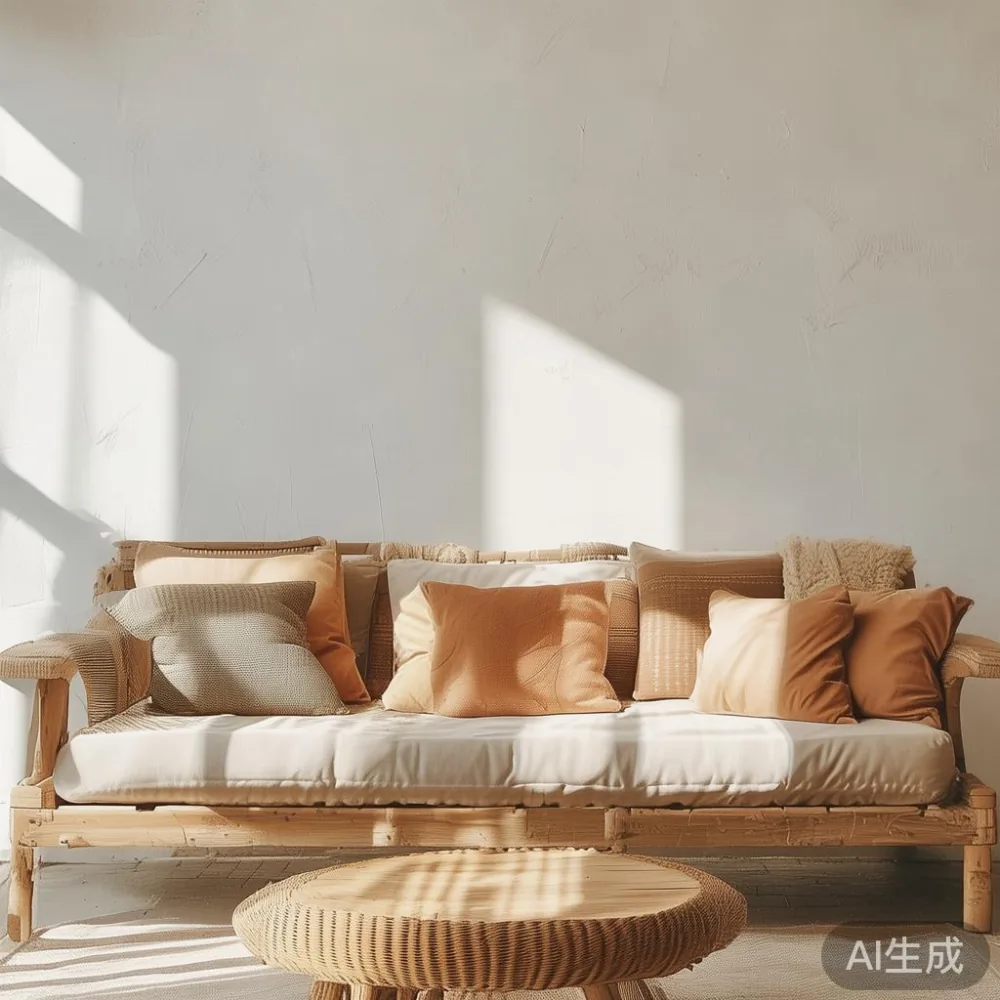
MIDHILL has built and exported solid wood furniture since 2008, serving customers in more than 15 countries. Its 10-year structural warranty reflects a focus on how pieces are made, while lifetime refinishing gives owners a practical route for restoring surfaces over time. That matters in Singapore, where a furniture purchase must also fit narrow lift doors, compact corridors and a home’s precise dimensions.
Why Singapore humidity changes the way solid wood moves
Wood is hygroscopic: it absorbs moisture when the surrounding air is humid and releases it when the air becomes drier. A 210 cm dining table may expand by several millimetres across its width during a wet spell. A 180 cm bed frame can develop small gaps at its joints, while drawer fronts may feel tight on one humid day and loose on another.
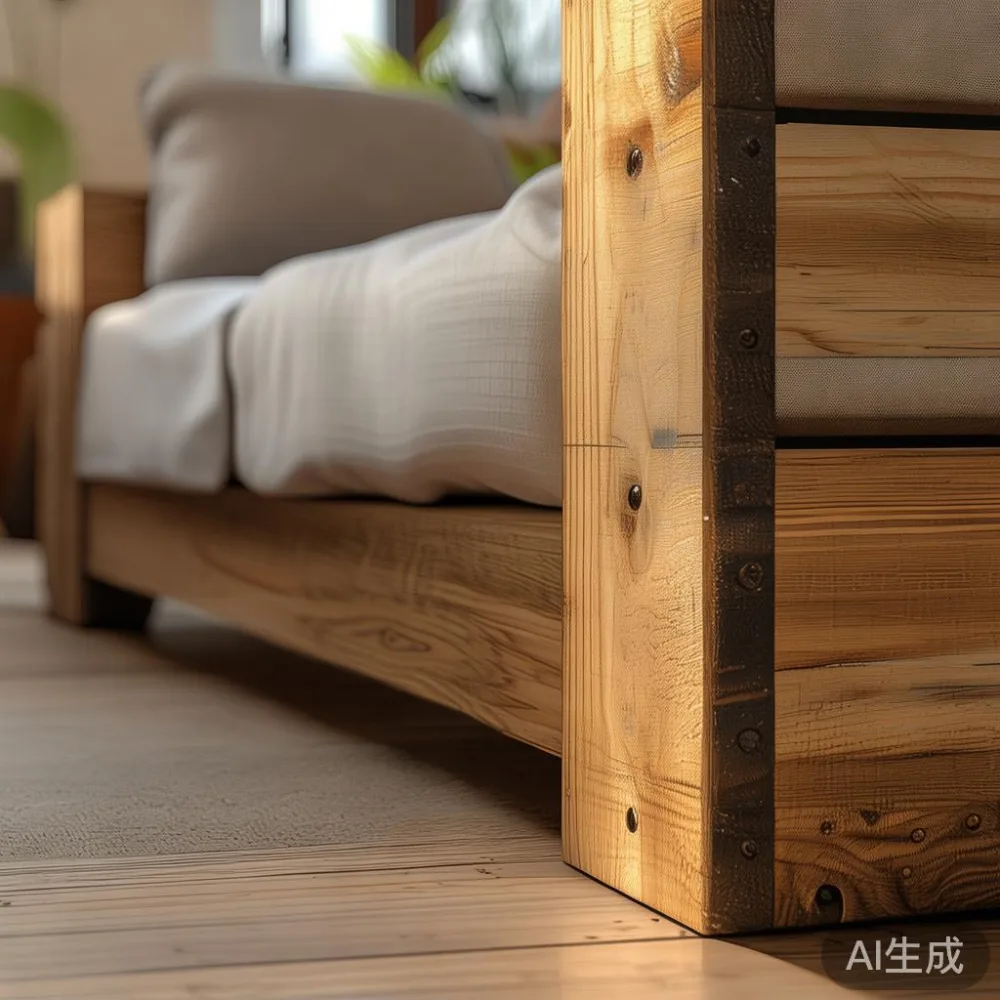
The changes are most visible when relative humidity swings quickly. A room at 27°C and 85% relative humidity can become noticeably drier after air conditioning brings it to 23°C and 55%. The surface responds before the core, creating uneven movement, tiny checks and stress around screw holes. These effects are normal for solid wood, but sound construction and an appropriate finish reduce their visual impact.
For outdoor sofas placed on a balcony or in a sheltered condominium garden, the exposure is stronger than indoors. Direct rain, strong afternoon sun and airflow across wet surfaces can cause staining or finish wear within 6–12 months. A covered balcony in Tampines may also funnel wind through a corridor-facing opening, increasing drying after a storm.
Marine-grade plywood and medium-density fibreboard can appear stable because their movement is hidden inside engineered layers. They remain reasonable choices for certain applications, but a customer seeking long-term repairability may prefer solid timber that can be sanded and refinished. The trade-off is careful acclimatisation and realistic expectations about seasonal movement.
What should I check before buying a solid wood sofa for Singapore?
Check the species, construction, finish, dimensions and delivery route before paying a deposit. Ask whether the sofa is intended for an indoor balcony, a fully exposed patio or a covered outdoor area. This single question can determine whether teak, acacia or another suitable timber is appropriate and whether the product should be described as an outdoor sofa or an indoor timber sofa.
For a new solid wood sofa, look for:
- A frame width of 180–220 cm, allowing at least 15 cm of clearance on both sides of a 150 cm sofa.
- Seat height near 42 cm, depth near 55–60 cm and arm clearance of at least 8 cm.
- Joinery that uses screws, dowels or mortise-and-tenon joints rather than relying only on short staples.
- A water-based or penetrating oil finish that can be renewed every 12–24 months.
- Cushion covers that can be removed for washing and replacement.
Measure the lift door, not only the apartment entrance. A common HDB lift opening is around 80–90 cm wide and 200–210 cm high, but some older blocks and service corridors are narrower. A sofa with a 208 cm length may need to enter diagonally; a tightly boxed model may not fit around a 90-degree corridor turn.
For condo deliveries, obtain the loading bay hours, parking allocation and maximum vehicle dimensions from the building management office. Reserve the lift at least 3 days ahead when possible. Add 5–10% to the quoted SGD price if a carrying crew must use stairs, and ask whether lift padding is included.
How humid weather affects the main furniture in an apartment
A bed frame experiences daily changes because it sits near an air-conditioned bedroom and often touches warm bedding. In a Punggol HDB flat, a 160 cm Queen bed may gain enough moisture overnight to shift by 1–2 mm along exposed rails. It should not rattle, bow or crack, but minor surface movement can occur.
Place the headboard away from a bathroom wall by at least 30 cm, and avoid positioning the foot directly against a cold return-air grille. Use a moisture meter reading 8–12% as a general reference for indoor Southeast Asian furniture, although the correct range depends on the species and local service conditions. Avoid pushing the frame tightly against a skirting board; leave 10–15 mm where movement needs room.
A wardrobe requires more attention to humidity because its doors sit close to clothes and interior air can differ from the room. Allow 15–25 mm of installation clearance at the top and sides where the manufacturer recommends it. For a 240 cm tall wardrobe, a shallow 5 mm gap can make expansion look like binding. Add ventilation slots, keep laundry-drying humidity outside the room and wipe condensation from the base during wet evenings.
A nightstand should be treated similarly. Keep it 20–30 cm from an exterior wall in a high-rise unit where condensation may travel along the wall, and place coasters under a glass of ice water. A marble table needs the same placement discipline: its stone slab is dimensionally stable, but the timber or metal base still needs protection. Use a mat measuring at least 30 × 20 cm under a humid bottle or cup.
The dining table deserves a flat, stable base and periodic checking. Wipe spills within 10 minutes and use a separate placemat for a hot pot. Under-bench storage should remain empty of damp cloths or food waste. These habits matter more than frequent spraying with a chemical cleaner.
Can an outdoor sofa really stay outside in Singapore?
An outdoor sofa can work in Singapore when its materials and placement are matched to the exposure. A fully sheltered unit needs less protection than furniture beside an open swimming pool or on an exposed podium deck. Even under a roof, wind-driven rain can enter from the side, so the base should stand 5–10 cm above tiled flooring.
For timber that will be used outdoors, confirm the species and finish specification in writing. Teak is commonly selected for its natural resistance to decay, while other hardwoods may require a more protective coating. A reputable supplier should explain whether all faces, including the underside and end grain, are sealed. End grain can absorb water quickly because the fibres terminate at the surface.
Use a breathable cover rather than sealing damp furniture under a vinyl sheet. Leave 10–15 cm of ventilation space beneath the cover and arrange it so rainwater runs away from the cushions. After heavy rain, remove cushions if they are soaked and dry the frame with airflow rather than a high-heat blower. A soft brush and mild soap are usually enough for monthly cleaning.
Buyers searching for European light luxury for small living room may find a compact solid wood sofa visually suitable for a condominium living area, but indoor placement still requires controlled humidity. Those shopping for how to style French provincial sofa in apartment can combine curved arms and light upholstery with restrained timber finishes. The classic French provincial vocabulary suits an elegant HDB interior, although outdoor versions need verified marine-grade hardware and weather-resistant joints.
MIDHILL furniture can also support a post-modern light luxury approach through clear timber lines, generous spacing and upholstery in oatmeal, pale taupe or muted sage. The result should feel composed rather than crowded in a 90 m² flat.
How should buyers compare finishes, prices and warranties?
Compare like-for-like specifications, including timber thickness, frame construction and finish type. A dining table with a 25 mm top and a hardwood frame is not equivalent to a 18 mm top on a mixed substrate. Request photographs of the underside, joints and drawer boxes, ideally with the purchase date visible in the image.
In Singapore, prices are normally quoted in SGD and displayed with GST for local sales. A 180 cm solid wood dining table may fall around SGD 1,600–3,200 depending on species, joinery and finish. A Queen-size solid wood bed frame may range from SGD 900–2,200, while a three-seat outdoor sofa with a teak frame and replaceable cushions may cost approximately SGD 2,800–6,500.
Ask what the warranty covers. A 10-year structural warranty should define issues such as joint failure, frame cracking and manufacturing defects, while excluding ordinary finish wear, accidental impact and moisture-related movement within the product’s stated care limits. A lifetime refinishing service may cover restoring a compatible timber surface, but confirm whether transport, collection and new finish charges are included.
Delivery should be stated in working days rather than vague terms. A Singapore stock delivery may take 5–10 days, while a made-to-order piece may require 6–10 weeks. For orders above US$350, MIDHILL offers free shipping under its published international threshold, but the destination, customs and local access charges should still be confirmed before dispatch. Returns are accepted within 14 days under the stated policy, subject to condition and item eligibility.
For a bedroom, someone asking how to style Japandi bed in bedroom can use a low oak-look frame, cotton bedding and 2–3 warm neutral accessories. The same room can explore how to style light luxury bed in room with a channel-tufted headboard, linen drapery and a slim bench. A guest room can use European light luxury for guest room with pale walls, a 120 cm bed, one framed artwork and a compact nightstand.
What practical design choices reduce humidity problems?
Start with measurement and airflow. Leave 10 cm behind a nightstand, 15 cm around the sides of a dining table and 20 cm between a wardrobe and a wall where installation guidance permits. Use the air conditioner regularly but avoid blowing cold air directly across a bare timber edge. In a Bedok flat with a west-facing balcony, keep the outdoor sofa under cover and use blinds to reduce afternoon heat.
Choose hardware designed for timber movement. Brass and stainless components resist corrosion, while ordinary steel screws may show rust near exterior dampness. Outdoor connectors should be marine-grade or coated for salt and moisture exposure. If a sofa will sit on a balcony with heavy rainfall, include removable seat cushions with quick-dry foam and a drainage gap beneath the frame.
Control the room rather than trying to make the timber moisture-proof. A hygrometer placed near the furniture gives a useful reading. Around 45–65% relative humidity is more stable than the outdoor range of 75–90%. Run air conditioning for 30–60 minutes before guests arrive, and use a dehumidifier in closed bedrooms during prolonged wet weather.
Maintain the finish on a 6-month cycle outdoors and every 12–24 months indoors, adjusting for exposure. Clean first, let the timber dry for 24 hours, then apply a thin compatible coat. Test an unknown product on a hidden 10 × 10 cm area and wait 48 hours.
How did a real Singapore installation perform?
Last month, I visited a colleague in a Tampines HDB flat to inspect a new 190 cm solid wood sofa delivered from a compact workshop. The lift door was 82 cm wide, and the corridor turned sharply 2 metres beyond the entrance. The sofa’s longest removable section measured 96 cm, so the two-man crew tilted it through the opening and completed delivery in about 35 minutes.
The frame was oak with a penetrating oil finish, and the client placed it in a dry living room rather than on the balcony. During my visit, the room measured 76% relative humidity at 28°C. I checked the frame joints and found no gaps larger than 0.5 mm. The supplier had also supplied 4 felt pads and a 30 cm moisture meter.
The client then compared the same scale with a teak-frame outdoor sofa for the condo’s sheltered pool deck. Its quotation was about SGD 4,900 including GST, with delivery in 7–10 days. We specified raised feet, marine-grade connectors and removable cushions. The installer used 6 mm spacers beneath the frame, lifting it 4 cm above the tiled surface to allow runoff.
That comparison clarified the main point: humidity is manageable when product design, installation and maintenance agree. Solid wood is not inert, yet a well-made solid wood sofa, bed frame, dining table, wardrobe or nightstand can serve a Singapore home for many years. An outdoor sofa can remain practical under cover, and a marble table can protect its timber base when coasters are used consistently.
Before ordering, obtain exact measurements, confirm the environment, read the care instructions and budget for delivery. Good furniture should fit not only the room you imagine, but also the lift, corridor, rain exposure and humidity that the building experiences throughout the year.