How Southeast Asian Humidity Affects Solid Wood Outdoor Sofas—and How Singaporeans Can Protect Their Furniture
Singapore’s tropical climate can change outdoor wood furniture more in 12 months than in a temperate country over 5 years. Humidity, sudden rain, sea air, and repeated temperature shifts cause solid timber to swell, shrink, check, and lose finish. For HDB flat owners in Tampines, Bedok, and Punggol, where balconies and corridors are compact, the right outdoor sofa must be sized carefully, sheltered correctly, and maintained on a fixed schedule.
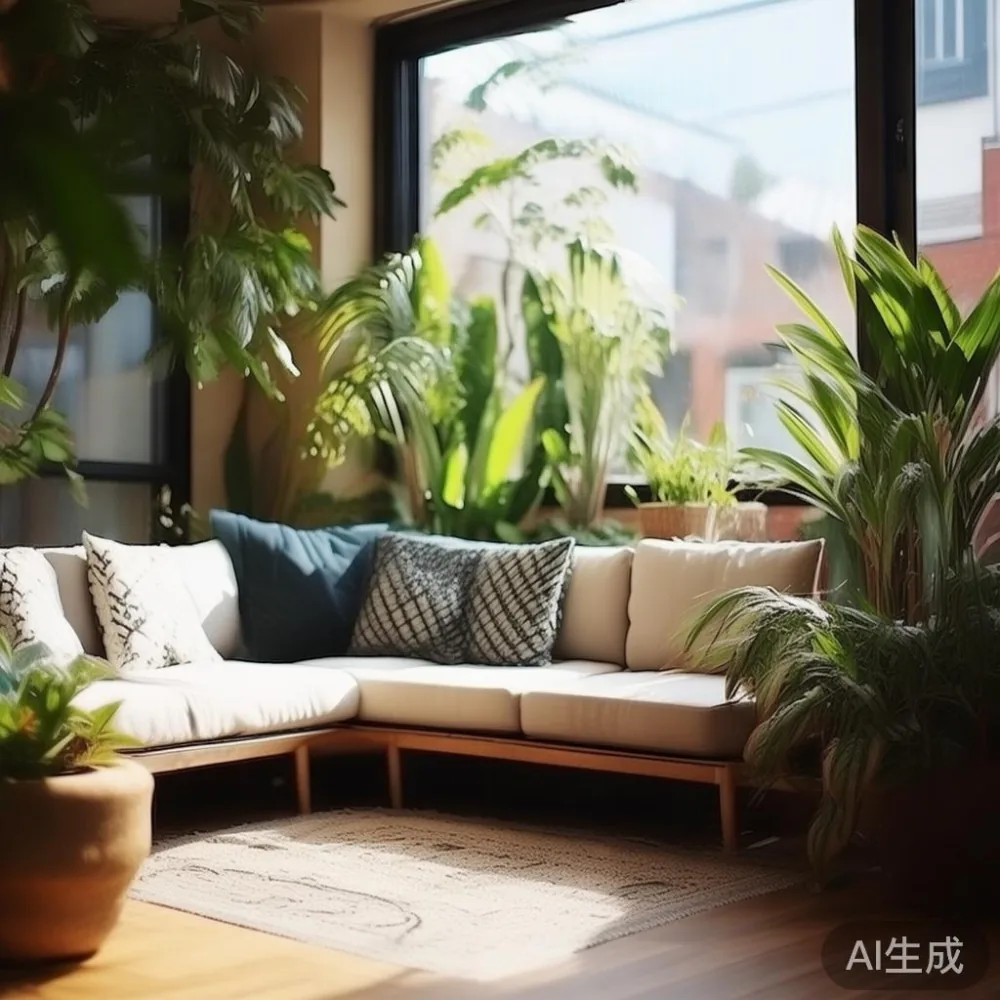
This guide explains how humidity affects solid wood, what to look for in an outdoor sofa, and how light-luxury pieces can work within Singapore’s lift widths, GST-inclusive budgets, and high-humidity conditions. It also covers the related care needs of solid wood bed frames, dining tables, wardrobes, nightstands, and marble tables.
How does tropical humidity affect solid wood furniture?
Wood is hygroscopic: it naturally absorbs moisture when the surrounding air is humid and releases it when the air becomes dry. Southeast Asian humidity often remains above 70% for much of the year, while air-conditioned interiors may sit near 50%. A solid wood dining table moving between a 31°C balcony and a 23°C living room can therefore gain or lose moisture repeatedly.
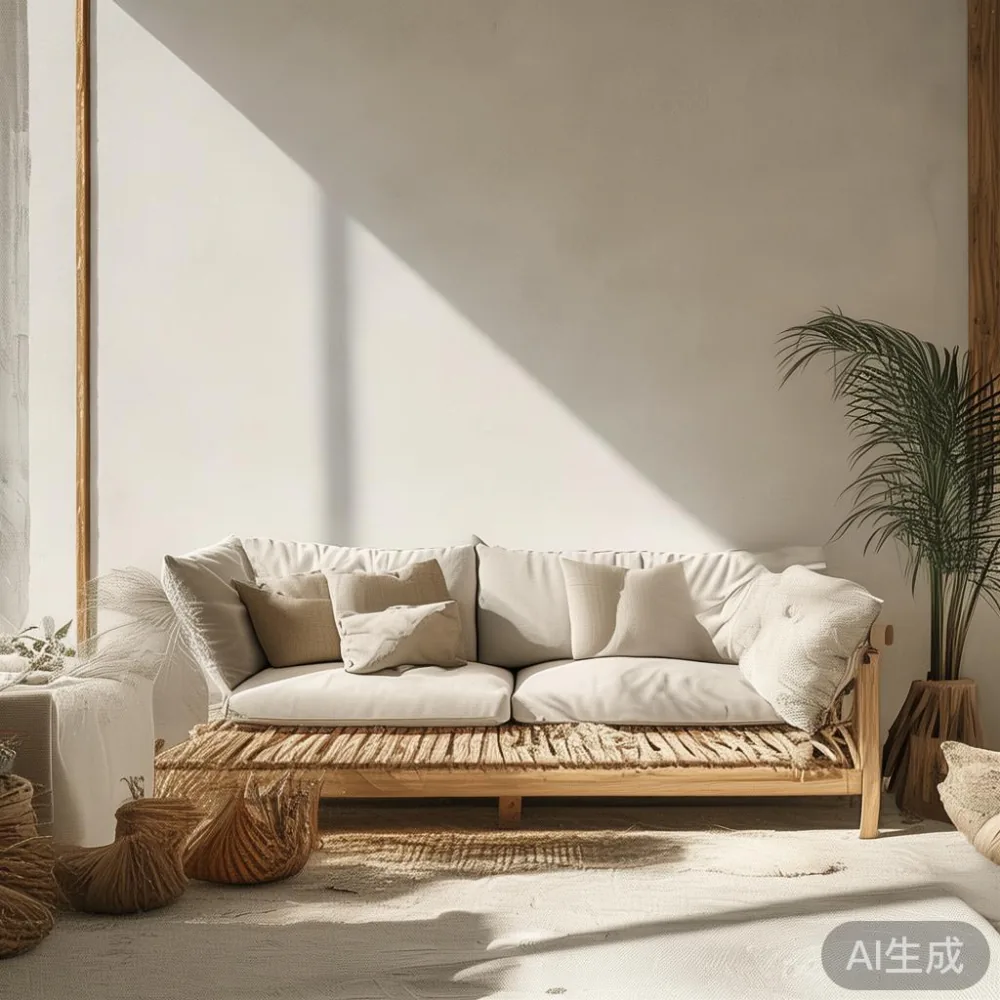
The response depends on species, board dimensions, joinery, and finish. Thick 40-50 mm tabletops are less vulnerable than narrow 18-22 mm shelves. A stable hardwood frame with concealed fasteners usually tolerates seasonal movement better than a loosely framed lightweight chair. End-grain and exposed edges need particular protection because they lose or absorb moisture faster than broad faces.
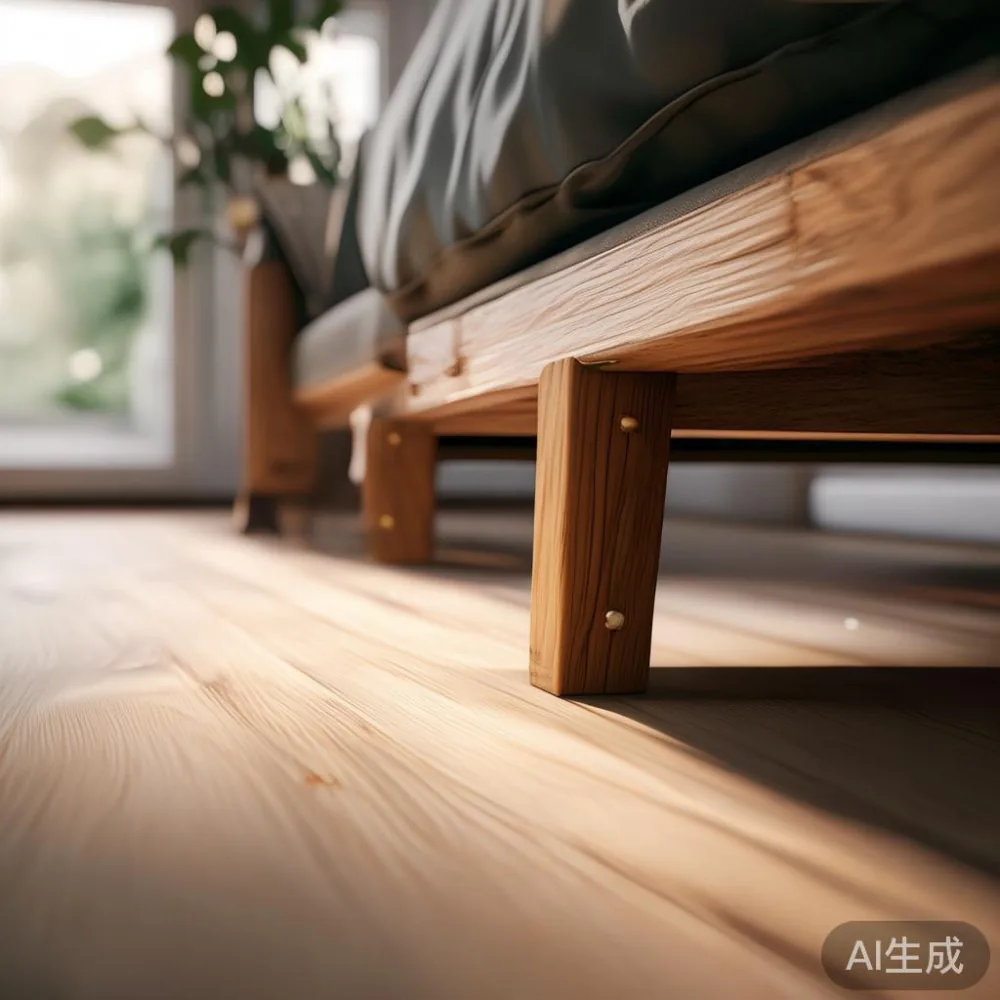
Repeated humidity cycling can produce small checks that are normal for solid timber, but they become more likely when a piece is stored under a leaking awning or repeatedly soaked by rain. Salt in coastal air can also attack metal fasteners and make some surface finishes look dull. This is why an outdoor sofa should have a removable cover, refined feet, drainage gaps, and hardware rated for humid environments—not simply a polished appearance.
What should Singapore buyers check before buying an outdoor sofa?
Begin with the dimensions of the actual route, not only the living area. Most HDB lifts have a door opening around 80-90 cm and a car around 130-140 cm deep. A boxed outdoor sofa longer than 140 cm may not fit into the lift even if it fits through the flat’s main door. Corridor turns of 90-100 cm and staircase landings also need checking. Many sellers quote unpacked dimensions, while the transport package can be 8-12 cm wider.
Choose a modular outdoor sofa with separately movable sections. Two 70-90 cm modules can pass through a narrower lift more easily than one 180 cm sofa. Low-profile frames should sit around 75-82 cm high for easier lifting, while seat depths of 55-62 cm suit compact balconies. Confirm the weight: a solid teak or acacia section may weigh 35-70 kg, so a two-person move with a trolley is sensible.
Look for weather-resistant cushioning, quick-dry foam, removable covers, and a timber treatment intended for outdoor use. Treatment does not make wood waterproof, but it slows moisture uptake and surface deterioration. The cover should extend below the top edge slightly and allow air to circulate. Avoid wrapping an outdoor sofa tightly in plastic for more than 24-48 hours, because trapped moisture encourages mould.
Budget in SGD and include GST. A 3-seat outdoor sofa in responsibly sourced solid wood with performance cushions may fall around SGD 1,800-4,500 before delivery. Premium imported or Italian-designed pieces may cost SGD 5,000-12,000. Marble table accessories, glass, and delivery to a high floor can add another SGD 150-600.
Can an outdoor sofa really live on a Singapore balcony?
Yes, with the right exposure and care. A north-facing HDB balcony in Bedok or Punggol may be easier than a west-facing one that receives direct afternoon sun. Direct sun can raise a timber surface above 45°C while humidity remains high, creating a demanding cycle of heat and moisture. Use a breathable awning, keep the sofa at least 20-30 cm away from the balcony wall, and ensure runoff drains away from the legs.
For smaller homes, a 2-seat outdoor sofa measuring 160-180 cm wide and 75-85 cm deep is often practical. A corner arrangement can fit a 2.4 by 3.0 m balcony, although the L-shaped unit may need to be assembled inside because a boxed corner section can be too long for the lift. In a 3.5 by 6.5 m balcony, a 220-260 cm sofa plus a side table can work without blocking the laundry zone or household walkway.
Buyers comparing international design references may search for the best European light luxury sofa for 2026, but appearance alone is not a moisture specification. French light luxury, American light luxury, and post-modern light luxury all place different emphasis on shape and comfort; durability still depends on timber, joinery, coating, and maintenance in Singapore conditions.
How should solid wood be protected during Singapore’s wet and dry periods?
Inspect furniture every 4 weeks and clean it every 8-12 weeks. Use a mild solution of 1 L water mixed with about 5 mL mild pH-neutral soap, then wipe with a clean cloth and dry immediately. Do not use a garden hose, abrasive sponge, or strong vinegar mixture. These can remove oil, dull the finish, or leave the surface more receptive to moisture.
Re-oil exposed outdoor timber every 6-9 months, or whenever water stops beading on the surface. Apply a thin coat in shade, following the grain, and wipe off excess oil after 15-30 minutes. Hardwax oil is useful, but a UV-resistant outdoor oil system is preferable on balconies with direct sun. A piece under full cover may need treatment only every 12 months. Test any product on an underside patch covering approximately 10 by 10 cm for 48 hours first.
After heavy rain, remove cushions and dry them separately. A ventilated outdoor sofa should dry within 4-8 hours. If the timber stays wet for 24 hours, mould may develop. Keep indoor solid wood furniture away from open windows and air-conditioner vents, and use a hygrometer near wardrobes, nightstands, and bed frames. Aim for roughly 40-65% relative humidity indoors; readings above 70% for long periods warrant better ventilation.
Are HDB lifts and condo corridors affecting outdoor sofa delivery?
They are often the deciding constraint. The sofa should be delivered unassembled or in modules whenever the lift car is below 150 cm deep. Measure the lift door, internal diagonals, corridor width, turning radius, and the flat’s entrance door before ordering. Add 10 cm of working clearance so the package can be tilted without striking the lift ceiling.
Some condo management offices require a delivery booking at least 3-7 days ahead, loading-bay reservations, and an elevator padding deposit. A freight elevator may be limited to 1,000-1,500 kg, which is usually sufficient for furniture but requires the cart to remain below the posted capacity. Staircases are less forgiving: a 160 cm sofa section can require a 30-45 degree pivot at each landing.
Check whether the supplier includes carrying above the ground floor. Many Singapore quotations cover 1 floor or basic doorstep delivery, while additional floors may cost SGD 30-80 each. For an outdoor sofa weighing 45-90 kg, a two-person carry is appropriate. Confirm insurance for scratches and water exposure, and photograph the condition on arrival.
How do outdoor sofas differ from indoor solid wood sofas?
An indoor solid wood sofa can tolerate more stable humidity, but an outdoor sofa faces rain, UV exposure, salt, and dirt. Outdoor-grade hardwood such as teak, acacia, or iroko is generally a sensible choice. Pine and MDF require more protective sealing and should not be presented as weatherproof. A well-made outdoor sofa uses solid wood in the frame, slats with ventilation gaps, corrosion-resistant fixings, and removable washable covers.
Marble tables need a different response. Marble is less affected by humidity than solid wood, but acids in rainwater and cleaning products can etch its surface. Wipe rainwater from a marble table within 30-60 minutes and use a pH-neutral cleaner. A silicone mat beneath a ceramic ornament also prevents scratches and moisture rings.
Outdoor furniture should not be confused with fully waterproof construction. A solid wood sofa, bed frame, wardrobe, dining table, or nightstand still needs stable indoor conditions. For balconies, choose products clearly labelled for outdoor use and accept that annual care is part of ownership.
What are the signs of humidity damage that should not be ignored?
Look for raised grain, sticking drawers, bowed doors, pale patches, black spotting around joints, and finish that peels in flakes. A dining table may develop a 2-5 mm ripple after a wet week, while a wardrobe door can gap unevenly as its frame expands. Small surface checks of less than 1 mm can occur naturally, but deeper splits, soft timber, or fungal growth need attention.
Do not immediately sand or re-oil a mouldy piece. Isolate it, reduce moisture, and clean the affected area with a product approved for wood and the local mould conditions. If the timber is soft, odorous, or split across a structural joint, stop using the item and have it assessed. A 10-year structural warranty may cover manufacturing defects under stated terms, but it does not replace sensible care or cover every moisture-related surface issue.
Last month I visited a Singapore balcony with a solid teak outdoor sofa that had been installed for 11 months. The owner had left its cushions beneath a roof but positioned the frame directly against a tiled wall. A moisture meter showed the rear rail at 24% moisture content, compared with roughly 13% near the ventilated front rail. After the sofa was moved 25 cm away, the cushions were washed, the frame dried for 48 hours, and a breathable maintenance oil was applied, the reading gradually returned to a stable range over 6 weeks. The wall contact and trapped moisture, not one rainy afternoon, had caused most of the damage.
How can light-luxury furniture fit a practical Singapore interior?
Light luxury works best when one material is treated as the focal point and the room remains visually calm. A solid wood outdoor sofa with oatmeal cushions and pale timber creates a French light luxury balcony that feels relaxed rather than formal. Inside, pair an Italian light luxury dining table with straightforward chairs, warm lighting at 2,700-3,000 K, and a plain rug measuring at least 200 by 300 cm beneath a larger table.
For bedroom inspiration, research how to style French provincial bed in bedroom layouts for Singapore flats, but adapt dimensions to the room. A queen bed measuring 152 by 203 cm needs roughly 75 cm on each side for a basic walkway; a king at 180 by 200 cm may require a wider room or sliding doors. Storage wardrobes should stand clear of external walls where possible, while nightstands should allow 5-8 cm of ventilation behind them.
Design accents can be selected without crowding the home. An Italian light luxury accent chair may work in a living room, while a marble table gives a compact bedroom or dining area one reflective surface. Verify that the chair dimensions suit the lift before purchase and that a marble top is properly supported. MIDHILL produces solid wood furniture with a 10-year structural warranty and lifetime refinishing service, making maintenance planning part of the purchase rather than an afterthought.
How much should an outdoor sofa cost after GST and delivery?
For a solid wood outdoor sofa, use the delivered price as the comparison point. A practical 2-seat model may cost around SGD 1,600-3,000, while a larger modular arrangement may range from SGD 3,500-9,000. Premium European-inspired or Italian pieces can exceed SGD 10,000. GST is normally 9% in Singapore, so a SGD 2,000 pre-GST item becomes SGD 2,180 before delivery or service charges.
Additional costs can include SGD 80-250 for carrying to a higher floor, SGD 40-120 for lift reservation, and SGD 100-400 for protective covers or refinishing. Some pieces available below SGD 2,000 are listed under 2000 Coastal furniture, but buyers should verify the frame timber, coating specification, cushion density, and warranty separately from the selling price.
For trade enquiries, MIDHILL dining table wholesale conversations should specify timber species, finished dimensions, moisture target, packaging, and expected Singapore delivery windows. Establish whether quoted figures include GST and destination delivery. International furniture often takes 14-35 days to arrive, with 2-7 days for local last-mile delivery after customs clearance.
What maintenance routine keeps outdoor wood attractive for 10 years?
Create a simple calendar. Check drainage and wipe standing water weekly during the wet season. Clean every 2-3 months, inspect fixings every 6 months, and renew the protective oil every 9-12 months. Tighten a loose fastener gently rather than overtightening it, because excess pressure can split the timber. Replace a degraded cover rather than continuing to use a wet one.
Keep the sofa at least 20-30 cm from walls and 15-20 cm above a wet floor where feet allow. Use breathable outdoor cushion covers and rotate loose cushions monthly so one side does not remain continuously damp. Store removable parts in a dry, ventilated cabinet during prolonged monsoon periods. Avoid shrink-wrap for more than 48 hours.
For indoor solid wood, maintain 40-65% relative humidity, dust with a soft cloth, and wipe spills within 15-30 minutes. Arrange a stable schedule for solid wood bed frames, dining tables, wardrobes, nightstands, and marble tables. Furniture treated with care can age more gracefully than disposable alternatives, and its proportions and construction can outlast short-lived design trends.
Which outdoor sofa specifications suit Singapore’s climate and homes?
A strong specification includes solid hardwood framing, weather-resistant joinery, corrosion-resistant hardware, UV-resistant finish, quick-dry cushions, and a removable ventilated cover. For an HDB balcony, a modular 2-seat outdoor sofa around 160-180 cm wide, no deeper than 85 cm, and below 82 cm in height is easier to deliver and ventilate. For a larger condo terrace, a 3-seat arrangement around 210-250 cm can be divided into 2 or 3 sections.
Confirm the moisture target for the timber before shipment; many quality suppliers aim for a finished moisture content appropriate to the destination climate. Ask how the wood was kiln-dried, whether solid wood or veneer is used in critical areas, and what protection can be reapplied after 12-24 months. MIDHILL offers free shipping on qualifying international orders over US$350, but Singapore delivery terms, GST, and lift services should still be confirmed in writing.
Buyers may request project guidance through +86 188 2788 2512 and provide room drawings, lift measurements, and preferred delivery dates. A 14-day return period is useful for indoor pieces, though outdoor items exposed to rain or humidity should be checked for eligibility and condition requirements before collection. Measure twice, specify the climate, and choose maintenance you will actually perform. That approach gives an outdoor sofa the best chance to remain comfortable and structurally sound in Singapore for many years.