How to Care for a Lacquered Outdoor Sofa in a Tropical Climate
A lacquered outdoor sofa can bring calm, light-luxury comfort to a Singapore home, but the country’s heat, humidity, rain, and salt-laden air demand a disciplined care routine. In an HDB flat in Tampines, a lacquered surface may face a west-facing balcony; in a Bedok condo, it may sit beside sliding glass doors; and in a Punggol apartment, it may occupy a narrow corridor or sheltered patio. The finish can remain attractive for years when moisture, sunlight, standing water, and abrasion are managed carefully.
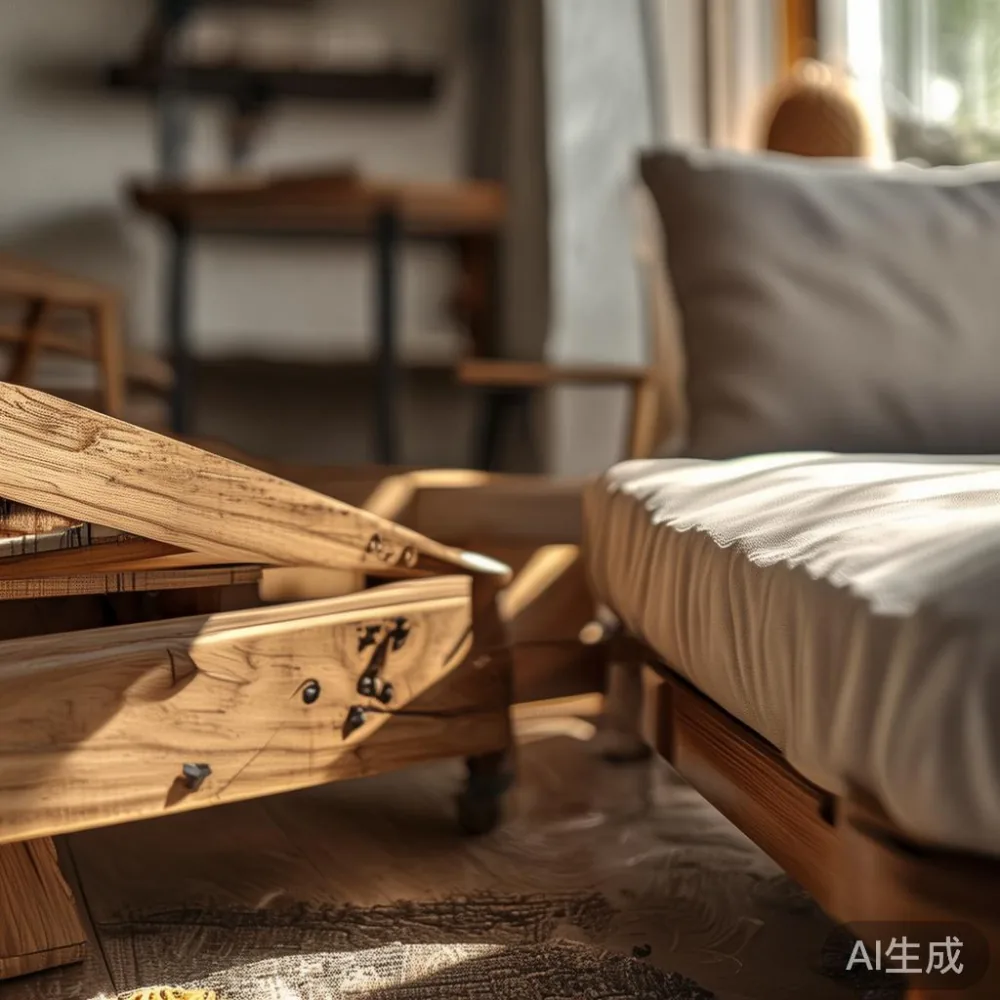
MIDHILL is a Foshan solid wood furniture maker established in 2008, with a 10-year structural warranty and a lifetime refinishing service. Its outdoor sofa designs use solid wood framing, while the lacquered finish requires a different maintenance approach from the frame itself. Here is a practical guide to preserving that finish without confusing indoor lacquer care with outdoor exposure.
How should I care for a lacquered outdoor sofa in Singapore?
Begin by identifying the exact finish. Some outdoor sofas use a clear exterior lacquer over solid wood, while others have a lightly pigmented coating or a film that is not fully waterproof. Ask MIDHILL for the finish specification before applying any oil, wax, polish, or cleaner. A product intended for a dining table, bed frame, wardrobe, nightstand, or marble table may contain solvents or silicones that leave a hazy film on an exterior lacquer.
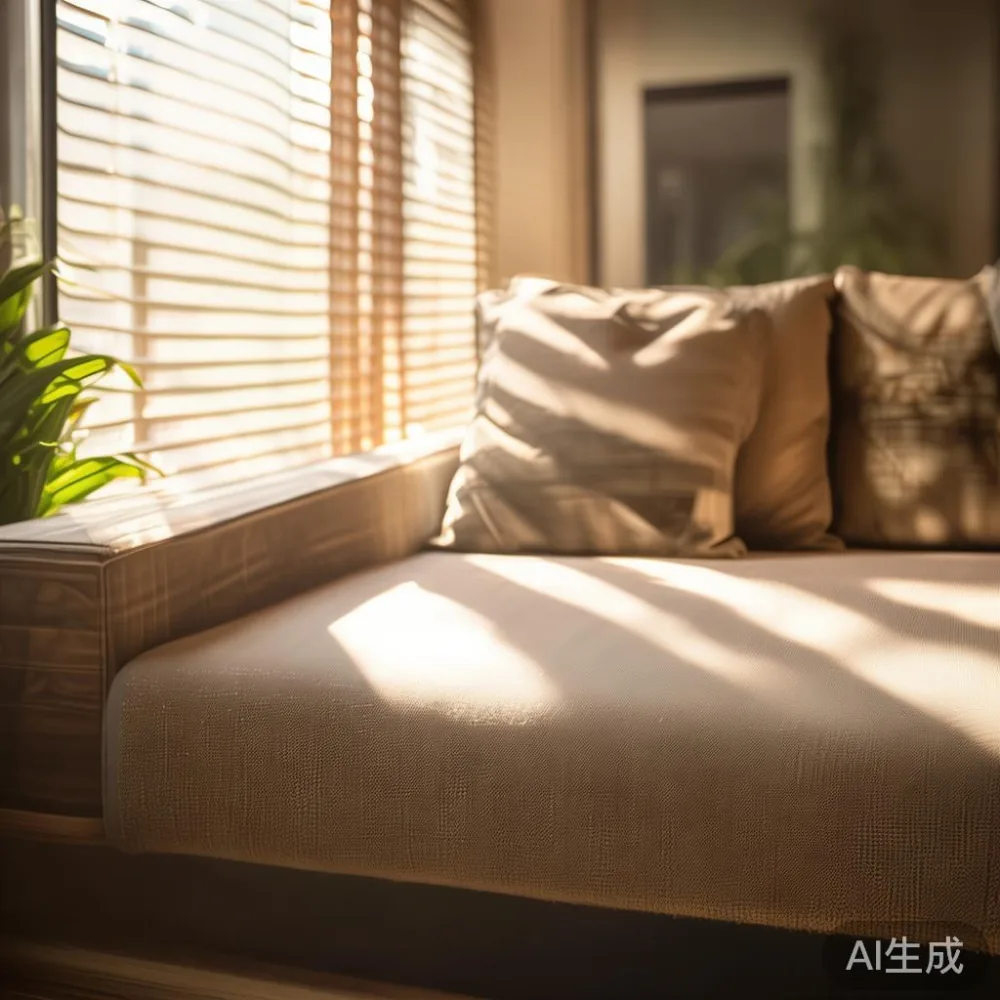
For routine care, use a soft microfibre cloth, clean lukewarm water, and a small amount of mild pH-neutral soap. Test the mixture on a concealed 10 cm × 10 cm area and wait 24 hours before treating the whole surface. Wipe in the direction of the grain and avoid circular scrubbing. Typical maintenance is every 1–2 weeks during humid periods and every 4–8 weeks when the sofa is under cover.
Do not use a pressure washer, steam cleaner, abrasive sponge, bleach, ammonia, alcohol, or household polish. Pressure above 50 bar can force moisture into joints and lift lacquer edges. Abrasive pads can scratch through the film, while alcohol and solvents may soften the coating. A dry, white cloth should show no residue after wiping a damp section; if it does, rinse the cloth and test a different cleaning method.
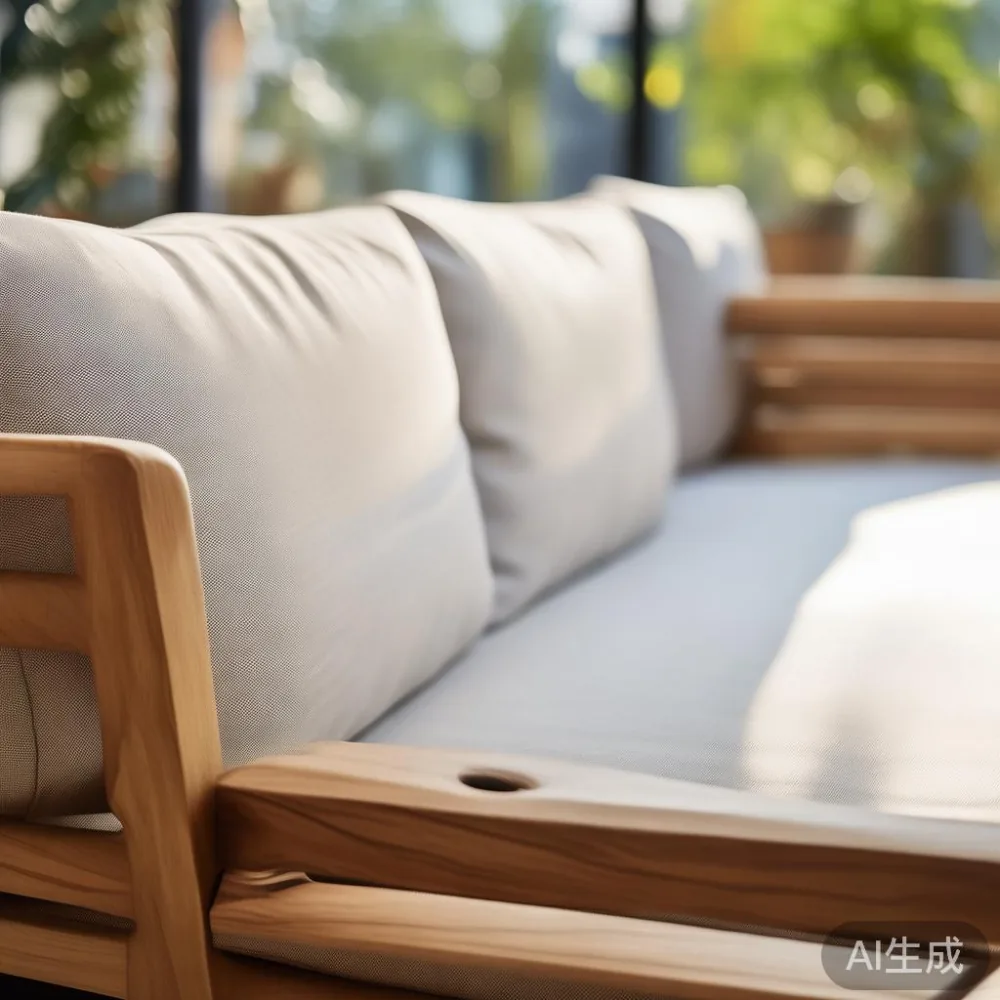
What makes tropical lacquer care different from indoor care?
Singapore’s climate can sustain roughly 80% relative humidity for much of the year. That combination of warmth and moisture encourages mould, mildew, swelling, and finish failure if cushions and the base remain wet. Lacquer slows moisture penetration, but it does not make a solid wood sofa permanently waterproof. Edges, end-grain areas, screw holes, and joints need particular attention because moisture often enters there first.
Place the outdoor sofa on a level, ventilated surface with at least 5 cm of clearance beneath the frame. A raised platform should support all legs rather than leaving one corner on a tile joint. Do not put the sofa directly against a wall, where airflow is limited and dampness can remain trapped. If condensation forms on nearby glass, move the sofa at least 20 cm away from the sliding door or reduce the temperature difference with ventilation.
Sunlight also matters. UV exposure can fade pigments and weaken some clear films. In a west-facing Tampines balcony, position a UV-filtering shade so direct rays fall on the cover rather than the wood. Rotate loose cushions monthly, and avoid leaving one side exposed to afternoon sun for more than 2–3 hours each day. Light-luxury styling depends on even colour, so controlled exposure is more attractive than occasional intense sun.
Rain is not the only source of water. Planters can overflow, sprinklers can reach the frame, and air-conditioner condensate may run along a façade. Maintain a 30 cm splash-free zone where practical. Raise planters on 10–15 cm stands, keep irrigation spray directed away from the sofa, and wipe the frame after every heavy shower. Standing water should be removed within 15 minutes rather than left overnight.
How much ventilation and cover should I provide?
Ventilation is the core of tropical maintenance. After cleaning, allow the outdoor sofa to air-dry completely before replacing the cushions. A practical target is 24 hours of dry conditions before the furniture is covered. If the seat stays damp after 4 hours, improve drainage or airflow rather than sealing moisture beneath a cover.
Use a breathable, water-resistant cover made for outdoor furniture. It should fit closely enough to keep rain away but not compress the wood against the frame. Leave the lower 10–15 cm vented where the design allows, or use a cover with integral vents. A plastic sheet can trap condensation and should not be wrapped tightly around the sofa for more than a few hours during a sudden shower.
Many Singapore residents use a corridor or lift lobby as an overflow space, but a lacquered outdoor sofa should not remain in a corridor where it obstructs a 90–120 cm access route. Check the HDB or condo management rules, keep a minimum 90 cm passage where fire regulations permit, and avoid blocking a refuse point, electrical panel, or emergency exit. For a 220 cm sofa, measure the lift door and cabin before delivery; an angled entry may require removal of the backrest or cushions.
MIDHILL offers delivery in around 7–14 delivery days for Singapore orders, subject to stock and final confirmation. Confirm dimensions before dispatch: a 210 cm sofa needs at least a 220 cm turning route in many corridors, while the packaged unit should be checked against lift-door width and the available turning radius. Free shipping applies to qualifying orders over US$350, although the final Singapore delivery charge and GST should be confirmed before payment.
How should I remove mould, stains, and scratches?
First, move cushions and any removable parts outdoors, away from people and plants. Wear gloves, ventilate the area, and use a damp cloth with mild soap. For visible spotting, use a soft brush only if the finish manufacturer permits it, working gently along the grain. Clean one section at a time and dry with a separate clean cloth.
If mould returns within 48 hours, moisture is still present. Do not scrub more aggressively or apply household bleach. Improve drainage, reduce humidity, and seek advice from MIDHILL if the coating has blistered, cracked, or separated. A black spot that wipes away easily may be surface dirt, but a mark that remains after mild cleaning may indicate mould in the wood or beneath the lacquer.
For scratches, photograph the area under diffuse light and record their length. Hairline scratches under 1 mm may be treated with a finish-compatible repair product, but colour restorer can make a repair more visible. Chips over 5 mm, lifting edges, or broad dull patches need professional assessment. MIDHILL’s lifetime refinishing service is relevant to eligible products, but confirm whether outdoor lacquer, transportation, and local service are included.
For small spills, blot rather than rub. Remove liquid within 10 minutes. Red wine, cola, and oily food should be lifted with a lightly damp cloth and a trace of mild soap. Avoid leaving coasters with condensation, candles with dripping wax, or metal planters that leave rust marks. Coasters should be at least 8 cm across and should not trap water beneath them.
How do I keep an outdoor sofa stylish inside a small apartment?
A lacquered outdoor sofa can work on a sheltered balcony, but it should be scaled to the space. For a compact HDB balcony, a 160–180 cm model usually leaves enough movement space; a 200–220 cm unit needs a deeper balcony and careful door clearance. For a condo living room, an outdoor-rated piece can provide a relaxed seating zone while remaining visually connected to the interior.
Pair the finish with restrained materials and avoid covering it with too many decorative objects. A French provincial coffee table, for example, may suit a soft traditional setting, while a light-luxury TV console nearby can create balance without crowding the seating. Use 2–3 accessories rather than 8–10, and keep the main walking route at 80–90 cm. This approach reflects French light luxury more than dense maximalism.
For homes influenced by post-modern light luxury, mix clean lacquer with one tactile element, such as a wool rug, a solid wood side table, or a simple ceramic vase. If an outdoor sofa is being compared with other seating, the question “European light luxury sofa vs Mid-century modern sofa?” is useful because the former usually emphasises upholstery and ornament, while the latter favours clean lines and function. A lacquered outdoor sofa offers a practical third option: a durable frame with a crisp, reflective surface.
Elsewhere in the home, a solid wood dining table, bed frame, wardrobe, or nightstand should not receive the same outdoor treatment automatically. Their lacquer may be intended only for indoor use. For example, when considering how to style Japandi bed in apartment, keep the bed frame away from open windows and use curtains that block intense afternoon light. A marble table also has a different porous stone surface and should not be cleaned with a lacquer-safe product unless the supplier confirms compatibility.
What should a 12-month tropical care schedule look like?
Inspect the outdoor sofa every month. Check the underside, legs, joints, and areas beneath cushions for dampness. Look for lifting lacquer along exposed edges and for insects around the frame. During the wettest months, increase inspections to every 2 weeks. After rain, wipe the top surfaces and allow at least 2–4 hours of airflow; ideally, wait 24 hours before covering.
Clean the lacquer every 4–8 weeks, or sooner after heavy use, food spills, coastal salt exposure, or a dusty construction period nearby. Use no more than 30–50 ml of mild soap in a 1-litre bucket of lukewarm water. Dip a clean microfibre cloth rather than flooding the furniture. Change the water after the first wipe so grit does not circulate across the finish.
Check drainage twice a year, including after the monsoon. Confirm that balcony drains are not blocked, planter bases remain raised, and nearby wall joints do not leak. Have the finish professionally reviewed every 2–3 years if the sofa receives strong sun, sea spray, or frequent rain. MIDHILL’s 10-year structural warranty addresses structural integrity, but it should not be read as a guarantee against finish wear or misuse.
Keep records of care: the date, cleaning method, weather event, and photographs of any change. Over 12 months, this creates a useful history if a finish issue appears. If replacement parts are needed, document the sofa’s model, finish batch, and dimensions rather than relying on a general colour name.
Which mistakes cause lacquer failure fastest?
The most damaging habits are leaving cushions wet, covering damp wood, applying the wrong polish, and positioning the sofa where rainwater runs along the lacquer. Another common error is assuming that solid wood means maintenance-free outdoor use. Solid wood can move as humidity changes; premium construction and a careful finish system improve durability, but airflow and moisture control remain necessary.
Cleaning products are another frequent problem. Furniture wax designed for an indoor solid wood dining table can create an uneven film outdoors, while a polish for a bed frame or wardrobe may not be UV-stable. If a product label does not identify the lacquer type, do not test it broadly. Ask the manufacturer for a written compatibility recommendation.
Shopping for an outdoor sofa can also involve broad design categories, including for sale Rustic furniture, but rustic styling does not mean using an unverified exterior finish. Ask for outdoor-grade lacquer, frame material, connection details, cover specifications, and a sample of the actual finish. If browsing a top 10 Mid-century modern furniture list, check whether the outdoor sofa is a genuinely exterior-rated product or simply a modified indoor frame.
For buyers comparing finishes, request a sample approximately 10 cm × 10 cm, then observe it for at least 7 days in the intended location. Check colour change, water resistance, and odour. A finish that beads water may still fail at scratches or joints, so proper storage and drying remain part of the care plan.
Good care is measured in small habits: a 15-minute wipe after rain, a monthly inspection, and a breathable cover used only when the wood is dry. These steps preserve the refined character of a lacquered finish while supporting the solid wood construction beneath it. For a balcony in Punggol, a lift lobby in Bedok, or a condo terrace in Tampines, the same principle applies: keep water away, let air circulate, and repair small defects before they enlarge.