How Humidity in Southeast Asia Affects Solid Wood Furniture (And What to Do About It)
I keep a small hygrometer on my workbench, and on most mornings in Tampines the reading sits somewhere between 78% and 88% relative humidity. Last month I visited a customer's three-room flat in an older Block 642 along Bedok Reservoir Road, where a six-year-old teak dining table had begun cupping along one edge. The air conditioner had been off for two weeks while the family travelled, and within that short window the tabletop visibly crowned. That single visit convinced me to write this guide for anyone in Singapore, Malaysia, or southern Thailand who is investing in solid wood furniture — an outdoor sofa for the balcony, a wardrobe for the master bedroom, a marble-topped dining table for the open kitchen — and who has watched a drawer swell shut or a chair leg wobble after a wet spell.
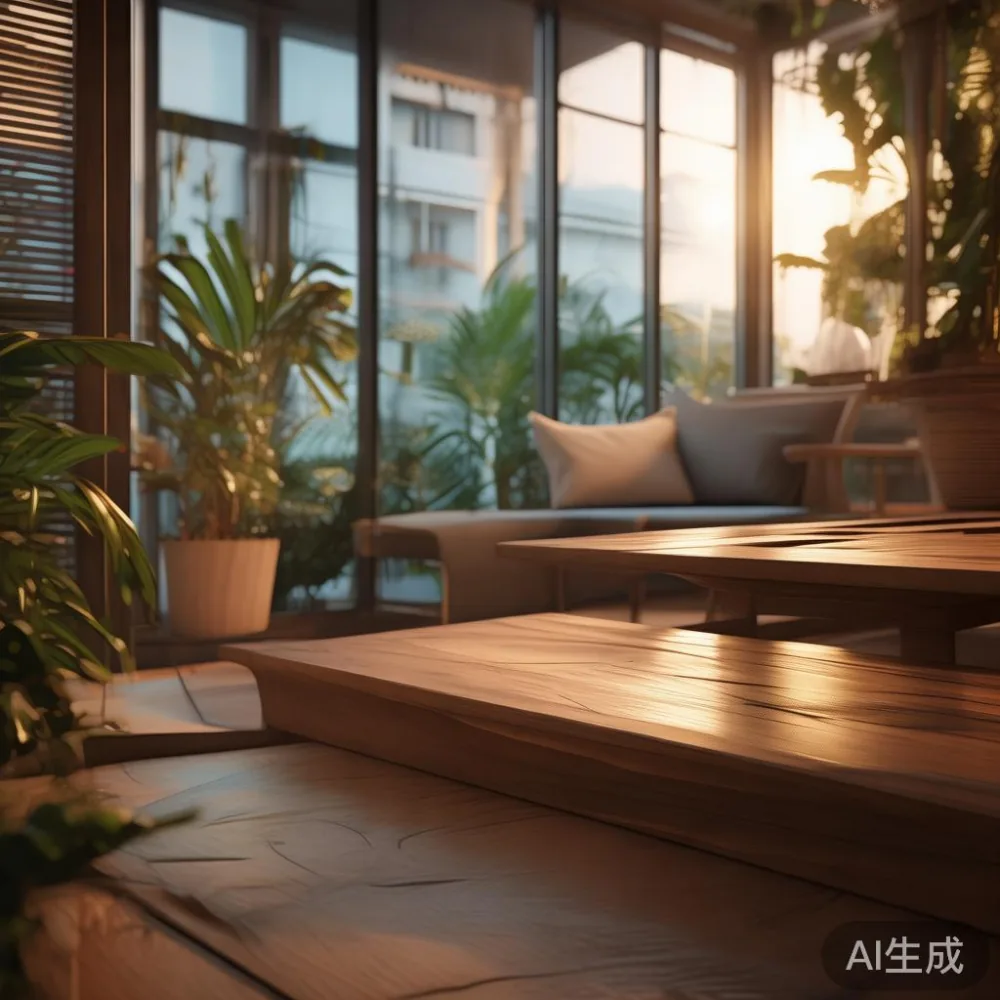
Why does humidity in Southeast Asia damage wood furniture so quickly?
Solid wood is hygroscopic. It absorbs and releases moisture until it matches the surrounding air, which means the timber is constantly moving by tiny amounts across its width and thickness. In a temperate climate, indoor humidity may swing from 25% in winter to 55% in summer — a 30-point range that a well-built piece can absorb without complaint. In Singapore, the outdoor humidity rarely drops below 60%, and air-conditioned rooms cycle between roughly 35% and 70% across a single day as the compressor kicks on and off. That repeated wetting and drying is what loosens tenons, lifts veneer, and cracks joinery. An outdoor sofa on a Punggol HDB balcony faces an even harsher profile: direct sun driving the surface temperature above 45°C, followed by a thunderstorm that drops it back to 28°C in minutes. The wood, the cushions, and the metal sub-frame all expand at different rates.
Three numbers worth memorising: the equilibrium moisture content (EMC) for Singapore indoors is roughly 11–13%, kiln-dried furniture is shipped at 8–10%, and outdoor exposure pushes EMC past 18%. Anything above 15% sustained will eventually grow surface mould. Oak, beech, and ash are the most reactive species; teak, white cedar, and Chengal are far more stable because their natural oils slow water movement through the cell walls.
What humidity level is safe for solid wood inside a HDB flat or condo?
Aim for 45–60% relative humidity indoors, with as little daily swing as possible. A basic digital hygrometer costs about SGD 18 at Challenger or Gain City, and it pays for itself the first time it warns you that a room has climbed to 75% overnight. If you run a dehumidifier, set it to 55% rather than the lowest setting — over-drying a piece of furniture is just as harmful as over-wetting it, because the wood shrinks, joints gap, and lacquers check (those fine cracks you sometimes see on tabletops look like crocodile skin). For pieces near the kitchen, leave at least 90 cm clearance from the cooker hood to reduce direct steam exposure, and never place a wardrobe flush against a non-insulated external wall in a corner unit; the micro-climate behind it can stay 4–6% above room humidity for years.
One practical rule from my own workshop: if a cabinet door fits perfectly in the morning and sticks by evening, the problem is the building, not the cabinet. A 12 mm adjustment on each hinge — about three turns of a Phillips screwdriver — usually restores clearance of 2–3 mm, which is enough for seasonal movement.
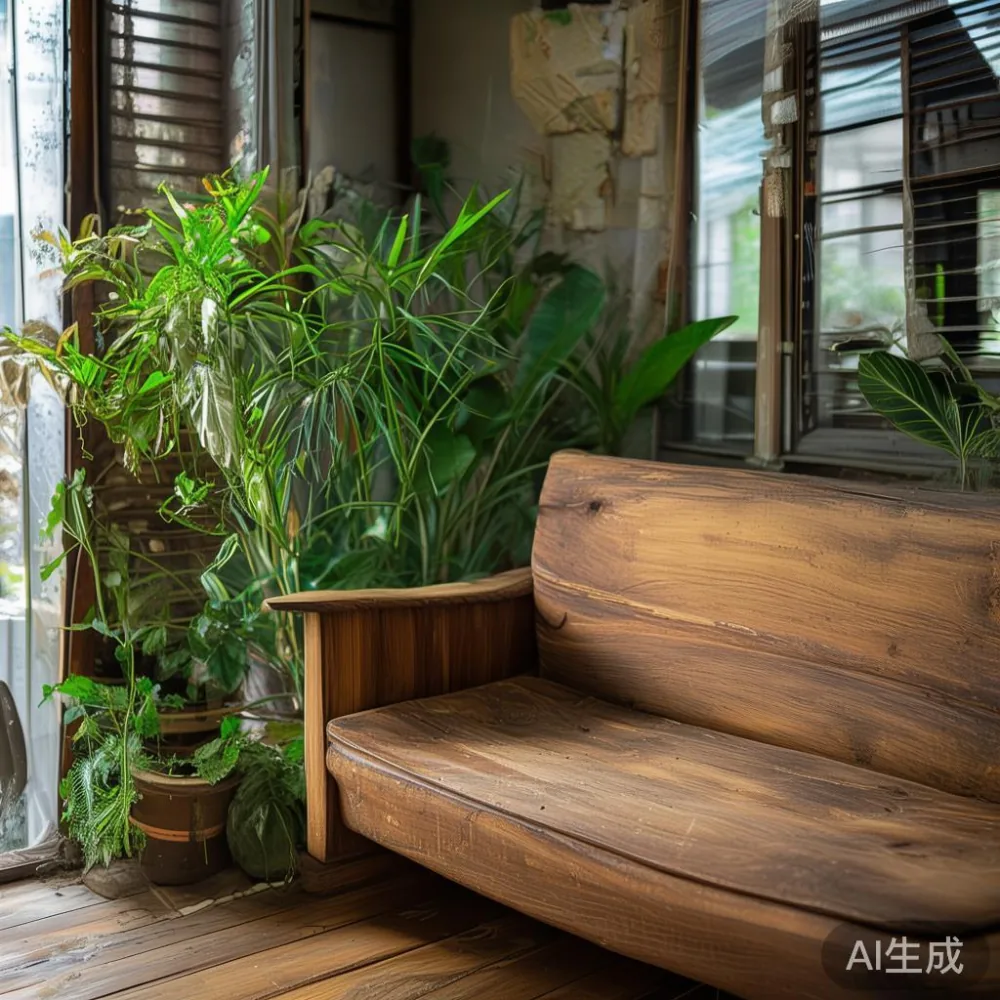
How do I choose a sofa bed for a HDB living room?
Pick a sofa bed whose frame is built from kiln-dried solid hardwood with a documented moisture content between 8% and 12%, with mortise-and-tenon joinery rather than staples, and with a slatted sleeping platform that can be unbolted and re-tensioned if it ever sags. For a typical Singapore HDB living room — most three- and four-room flats measure between 18 m² and 24 m², with corridor widths of about 1.2 m and lift openings of roughly 2.1 m tall by 1.0 m wide — a queen-pull-out measuring 198 cm long by 152 cm wide will fit through the door only if the backrest is fully removable. Always measure your door frame, your lift, and the corridor turn at the carpark before ordering; the largest section that will pass through the lift cleanly is usually about 200 cm by 95 cm by 60 cm. Look for a washable, removable cover in a fabric rated to 50,000 Martindale rubs, and insist on a pocket-spring mattress at least 11 cm thick — anything thinner will compress and cause back pain within six months. If your unit is on a high floor and you entertain often, a sofa bed with built-in storage drawers also keeps spare linens dry during the monsoon months.
Which solid wood species handle tropical humidity best?
Not every hardwood is equal and not every softwood is a problem. For Southeast Asian humidity, the reliable performers fall into three groups:
1. Teak (Tectona grandis) — natural oils resist moisture and insects; a teak outdoor sofa left on a balcony will silver-grey within 8–10 months without rot.
2. White cedar and Chengal — Malaysian-grown, dense, and dimensionally stable across humidity swings of more than 20 points.
3. European oak (for indoor pieces only) — kiln-dried and quartersawn, with movement kept under 1.5% across the grain; excellent for bed frames and nightstands that sit inside air-conditioned rooms.
Species to be cautious with: rubberwood (cheap, prone to warping below SGD 800 dining sets), pine (soft, dents easily), and MDF or particleboard cores wrapped in veneer (these swell irreversibly once the laminate edge seal fails, which happens fast in Tampines flats during the December monsoon). For a marble table in a dining setting, ask whether the marble is bonded with a neutral-cure adhesive and whether the substrate is marine plywood rather than MDF. For a wardrobe that runs floor-to-ceiling, specify a 10 mm shadow gap at the top and a 15 mm plinth recess at the bottom to allow the carcass to expand without jamming.
What daily and weekly habits actually protect wood furniture here?
Small, repeated habits protect furniture far more than any one-off treatment. Wipe surfaces with a barely damp microfibre cloth rather than a wet one — the cloth should feel cool, not dripping. Rotate dining chairs 180° every two weeks so the same chair back does not face the afternoon sun each day. Pull an outdoor sofa 30 cm away from glass railings, since glass concentrates both light and heat and the timber directly behind it will dry out and check within a year. Run ceiling fans on low for at least four hours a day; air movement at 0.3 m/s or higher is enough to stop mould spores settling on the wood.
Once a quarter, lift an outdoor sofa and check the rubber feet. Hard plastic feet trap moisture against the wood and leave dark tide marks; replace them with felt or aluminium sliders, which cost roughly SGD 0.45 each and lift the frame 8 mm off the wet balcony tile. Indoors, place 5–8 kg of silica gel or a rechargeable dehumidifier box (around SGD 35 from Daiso) inside wardrobe drawers during the December–February wet season and empty it weekly.
How should outdoor furniture be different from indoor furniture?
An outdoor sofa is not just a regular sofa placed outside. The construction differences are visible if you know where to look. Frames should use mortise-and-tenon joinery locked with marine-grade stainless 304 or 316 bolts, not zinc-plated screws that rust within a wet season. Slings should be either quick-drying outdoor foam wrapped in a removable olefin cover, or a fully reticulated foam with mesh base that drains in under 90 seconds — a colleague of mine timed this on a Punggol balcony after a 12 mm downpour and the cushion was usable in 45 minutes. Wood finishes on outdoor pieces should be penetrating teak oil (reapplied every 4 months) rather than film-forming polyurethane, which will peel within a year under UV. Hardware, glides, and brackets should be specified at the order level and built in coastal or marine-grade alloys. A piece built to this standard will last 10–15 years on a HDB balcony; a piece built like an indoor piece will fail in 18–30 months.
If budget allows, specify a French light luxury aesthetic with slim tapered legs, a low 78 cm back, and brushed brass accents — this style reads as restrained rather than ornate, and the brass develops a controlled patina that suits Singapore condo interiors. Alternatively, an American light luxury look favours blockier silhouettes, deeper seats (62 cm versus the usual 55 cm), and performance linen-blend covers in oat or stone. For tighter blends with collectors of post-modern light luxury pieces, look for cantilevered bases, asymmetric arm heights, and a mix of warm walnut with cool marble table inserts. Whichever direction you choose, the construction rules above do not change.
What should I check on the warranty and after-sales terms?
Two pieces of paperwork matter as much as the furniture itself. The first is a moisture-content certificate from the factory, ideally showing each component between 8% and 12% before assembly. The second is a written warranty that names the structural elements it applies to: frame, joinery, slats, drawer runners, and finish. A 10-year structural warranty on solid wood frames is the industry benchmark for serious makers; lifetime refinishing on tabletops, chair arms, and drawer fronts is a sign the workshop expects to stand behind its work for decades rather than seasons. Confirm that shipping over a sensible threshold is free, that returns within 14 days are accepted on unused pieces, and that the maker will arrange on-site inspection inside Singapore rather than asking you to crate and courier a 180 kg wardrobe across the Causeway to Singapore at your own cost.
MIDHILL, the Foshan workshop behind this article, ships solid wood sofa, bed frame, dining table, wardrobe, and nightstand pieces from its factory to more than fifteen countries and offers that combination of warranty, refinishing, free delivery above a reasonable order value, and a 14-day return window that I have been quoting to my own customers since last year. Their outdoor sofa line is the only one I have inspected in person in which the factory was willing to show me the EMC log for each production batch.
When should you refinish, repair, or replace?
Refinish when the original surface has dulled, hairline cracks have appeared along the grain, or the colour has drifted unevenly after two or three wet seasons — typically every 4–6 years for indoor pieces, every 18–24 months for outdoor pieces. Repair when a single joint has loosened, a drawer stick has warped, or a slat has cracked; these are localised problems a carpenter can address in your home for roughly SGD 120–280 per visit. Replace only when the frame itself has split, the wood is spongy to the touch, or mould has penetrated past the surface finish — at that point the piece has failed structurally and any repair is cosmetic only.
One last observation from the Tampines flat: the teak dining table that had cupped was saved by a 60-minute on-site sand and refinish, followed by a SGD 45 dehumidifier running at 55% for the next three weeks. Six months later the tabletop is still flat, the customer still uses it daily, and the lesson is the one I keep coming back to: in Southeast Asia, humidity is not an occasional problem to react to, it is a constant condition to design around. Furniture that respects that reality will outlive furniture that ignores it, sometimes by a full decade.
If you are browsing for solid wood pieces and want a starting point, the collections from MIDHILL cover outdoor sofa, sofa, bed frame, dining table, wardrobe, nightstand, and marble table configurations in a French light luxury, American light luxury, or post-modern light luxury register, and they publish enough technical detail on each product page — moisture content, joinery method, finish type, hardware specification — that you can make a humidity-aware decision rather than a hopeful one. For households with young children, browse their American fabric nursery furniture line alongside the main living-range, since the same kiln-drying and joinery standards apply and a cot that survives a Punggol nursery through two monsoons is built to a higher bar than most.